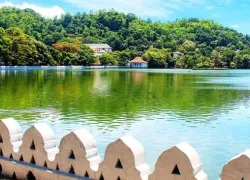
Kandy Lake, also known as the *Kiri Muhuda* (meaning "The Sea of Milk"), is one of the most picturesque and tranquil landmarks in Kandy, Sri Lanka. Nestled in the heart of the historic city, this artificial lake is a serene oasis that reflects the beauty of Kandy’s rich cultural heritage. The lake, which stretches over 5 hectares, is surrounded by lush greenery and offers stunning views of the nearby hills. It serves as a popular spot for tourists, locals, and pilgrims alike, providing a peaceful setting for reflection, leisurely walks, or boat rides. With its historical significance and scenic beauty, Kandy Lake is truly one of the gems of Sri Lanka’s cultural landscape. How to Reach Kandy Lake, Kandy Kandy Lake is located right in the center of Kandy city, making it easily accessible for both locals and tourists. Here are the main ways to reach Kandy Lake: By Car: Kandy is well connected to other major cities in Sri Lanka, including Colombo. From Colombo, Kandy is about a 3-hour drive via the A1 highway. Once in Kandy, the lake is centrally located, and you can reach it in a few minutes by car. By Bus: Kandy has a central bus station, and buses from Colombo and other major towns run frequently. After arriving at the Kandy bus station, you can either walk to the lake or take a tuk-tuk, which is only a 5-minute ride. By Train: Kandy can also be accessed by train from Colombo. The Kandy railway station is located a short distance from the lake, and you can easily walk from the station to the lake within 10 minutes. Weather at Kandy Lake, Kandy The weather in Kandy is typically tropical, with a relatively mild climate due to its elevation. Here's what you can expect in terms of weather: Temperature: The temperature in Kandy ranges from 20°C to 30°C (68°F to 86°F), with cooler evenings and mornings, especially in the hill regions surrounding the lake. Best Time to Visit: The best time to visit Kandy Lake is during the dry season, which lasts from December to March. This period offers pleasant weather with clear skies and lower humidity. Rainy Season: The rainy season, from May to October, brings heavy monsoon rains, which can sometimes hinder outdoor activities. However, the lake and surrounding areas still offer a beautiful, lush atmosphere during this time. Timing of Kandy Lake, Kandy The lake is open to the public throughout the year and is accessible at all times of the day. However, the best times to visit are during daylight hours to enjoy the serene atmosphere and the beauty of the surroundings. Here's a suggested timeline: Best Time to Visit: 8:00 AM to 6:00 PM, when the weather is most favorable, and the lake is surrounded by sunlight, offering a more vibrant view. Evening Visits: If you wish to experience the lake in a different light, visiting in the late afternoon or evening can provide a peaceful and calming atmosphere as the sun sets over the water. Why is Kandy Lake, Kandy Famous? Kandy Lake is famous for its rich history, serene beauty, and central location within Kandy. It is historically significant for several reasons: Historical Significance: Kandy Lake was constructed in 1807 by King Sri Wickrama Rajasinghe, the last king of Kandy. The king built the lake to serve as a moat to protect the Temple of the Tooth Relic (Sri Dalada Maligawa), which is located right beside the lake. Scenic Beauty: The lake is surrounded by lush gardens and trees, creating a peaceful environment that is perfect for leisurely walks, boat rides, or simply sitting by the water and enjoying the view. Spiritual Importance: The lake plays a central role in the spiritual life of Kandy. It is located near the sacred Temple of the Tooth Relic, one of the most important Buddhist pilgrimage sites in Sri Lanka. The lake serves as a place of reflection and tranquility for the many pilgrims who visit the area. Entry and Visit Details About Kandy Lake, Kandy Visiting Kandy Lake is free, and the lake is open to everyone throughout the year. While there is no entry fee to visit the lake itself, you may need to pay for additional activities, such as boating or visiting nearby attractions. Here are some details for your visit: Entry Fee: No entry fee is required to visit the lake. However, if you plan to visit the Temple of the Tooth Relic or take a boat ride on the lake, there are separate fees for those activities. Boating: You can hire a small boat to take a relaxing ride on the lake. The boat rides typically last about 15-30 minutes and offer a unique perspective of the surroundings. Boat rides are usually available from 8:00 AM to 5:00 PM. Facilities: The area around the lake has several places where you can sit and enjoy the view. There are also some cafes and shops nearby where you can enjoy refreshments and buy souvenirs. History and Architecture of Kandy Lake Kandy Lake was constructed in 1807 by King Sri Wickrama Rajasinghe, and it was initially intended as a defensive moat to protect the sacred Temple of the Tooth Relic. The lake was designed to be an artificial reservoir, and it is about 5 hectares in size. The lake is built with a causeway along one side, which serves as a walking path. At the far end of the lake is a small island, which was once used as a summer retreat for the king. The architecture around Kandy Lake reflects the traditional Kandyan style of design, with beautiful stone walls and pathways. The calm waters of the lake are surrounded by lush greenery, creating an idyllic setting that enhances the spiritual and historical significance of the site. Things to Do at Kandy Lake Leisure Walks: Take a peaceful stroll around the lake on the causeway or the paths that surround it. This is the best way to enjoy the scenic beauty of the area and admire the lake from various angles. Boating: Enjoy a relaxing boat ride on the lake and take in the views of the Temple of the Tooth Relic and the surrounding hills. Boating is one of the most popular activities at Kandy Lake. Visit the Temple of the Tooth Relic: While you are at Kandy Lake, don’t miss the nearby Temple of the Tooth Relic, one of the holiest places for Buddhists in Sri Lanka. Photography: The lake offers many beautiful spots for photography. The combination of natural beauty, historical architecture, and spiritual landmarks makes Kandy Lake an excellent location for capturing memories. Interesting Facts About Kandy Lake The lake was initially built as a moat for the Temple of the Tooth Relic, one of the holiest Buddhist temples in Sri Lanka. The island in the lake was once home to a small pavilion used by the king as a retreat. Kandy Lake is a popular spot for pilgrims who come to visit the Temple of the Tooth Relic, as the lake is considered a sacred site in its own right. Despite being man-made, the lake has become an important part of the local ecosystem, with various species of birds and plants surrounding its shores. Tips for Visiting Kandy Lake Stay Hydrated: The weather in Kandy can be warm, especially in the afternoon. Bring a bottle of water with you to stay hydrated during your visit. Wear Comfortable Shoes: You’ll likely be walking around the lake and exploring the surrounding areas, so comfortable footwear is recommended. Take Photos: Kandy Lake and its surrounding beauty offer great photography opportunities. Don’t forget to bring a camera or smartphone to capture the scenery. Respect Local Customs: As the lake is near a sacred temple, be sure to maintain respect and follow the local customs and etiquette when visiting the area. Visit Early or Late: To avoid the midday heat and crowds, visiting the lake in the early morning or late afternoon will give you a more peaceful experience.
Explore More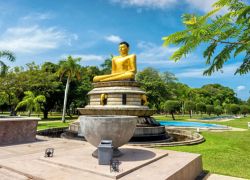
Viharamahadevi Park, located in the heart of Colombo, Sri Lanka, is the city’s largest and most popular public park. This lush green space is a tranquil escape from the hustle and bustle of city life, offering locals and tourists a peaceful environment to relax, unwind, and enjoy nature. Named after the mother of King Dutugemunu, one of Sri Lanka’s greatest ancient kings, the park is a key landmark in Colombo, combining historical significance, recreational opportunities, and scenic beauty. Whether you want to take a leisurely stroll, enjoy a picnic, or simply soak in the natural surroundings, Viharamahadevi Park is an essential destination for anyone visiting the city. How to Reach Viharamahadevi Park Viharamahadevi Park is centrally located in Colombo, making it easily accessible by various means of transportation. Here are some options to reach the park: By Car/Taxi: The easiest and most convenient way to reach the park is by taxi or private car. It is located on the city’s main road, just behind the Colombo Town Hall. The park is approximately a 5-minute drive from the Colombo Fort area. By Bus: Public buses in Colombo connect various parts of the city, and you can reach Viharamahadevi Park by taking a bus that stops at the nearby Town Hall. From there, it’s just a short walk to the park. By Train: The nearest railway station to Viharamahadevi Park is Colombo Fort Railway Station, about 2 km away. From the station, you can either take a short tuk-tuk ride or walk to the park. Weather in Colombo Colombo experiences a tropical climate with warm temperatures throughout the year. The average temperature typically ranges from 26°C (79°F) to 31°C (88°F). The city also experiences two monsoon seasons: the southwest monsoon, which occurs between May and September, and the northeast monsoon from December to February. The best time to visit Viharamahadevi Park is during the dry months of December to March, when the weather is more pleasant and less humid. If you visit during the rainy season, it's advisable to bring an umbrella or raincoat. It’s also a good idea to wear light, breathable clothing, sunscreen, and a hat, especially during the hotter months, as the sun can be intense. Why Famous for Viharamahadevi Park Viharamahadevi Park is famous for several reasons. Not only is it the oldest and largest public park in Colombo, but it also holds cultural and historical importance. The park was originally known as "Victoria Park" in honor of Queen Victoria during British colonial rule, but it was later renamed after Queen Viharamahadevi, the mother of King Dutugemunu, who played a significant role in Sri Lanka’s ancient history. The park’s location, right in the center of Colombo, makes it a peaceful oasis in the middle of the city’s busy streets. It is a popular spot for both locals and tourists who come to relax, enjoy a leisurely walk, or participate in various recreational activities. The park features beautiful landscaping, wide green lawns, serene ponds, and a variety of trees and plants, offering an inviting atmosphere for families, joggers, and nature lovers. In addition to its natural beauty, the park is also home to several important landmarks and statues, including a statue of Queen Victoria. Its central location makes it an excellent spot to relax after visiting nearby attractions such as the Colombo National Museum and the Town Hall. Entry and Visit Details About Viharamahadevi Park Visiting Viharamahadevi Park is a refreshing experience, and there are a few important details to keep in mind when planning your visit: Opening Hours: Viharamahadevi Park is open every day from 5:00 AM to 9:00 PM. The park is accessible throughout the day, and visitors can enjoy a leisurely visit during both the day and evening hours. Entry Fee: Entry to Viharamahadevi Park is free. It is a public park, and there are no charges for admission. However, donations are appreciated to help maintain the park's beauty and facilities. Facilities: The park is equipped with basic facilities, including public restrooms, seating areas, and shaded spots perfect for picnics. It also has a children’s playground, making it an ideal family-friendly location. A walking track is available for those who want to jog or take a brisk walk around the park. History and Architecture of Viharamahadevi Park The history of Viharamahadevi Park dates back to the late 19th century when it was originally laid out by the British colonial government. The park was initially named "Victoria Park" in honor of Queen Victoria, reflecting the colonial influence of the time. It was later renamed to honor Queen Viharamahadevi, the mother of King Dutugemunu, who is remembered for her significant contribution to the Buddhist religion and Sri Lankan history. The park is an excellent example of British colonial-era landscaping, with wide-open spaces, manicured lawns, and tree-lined walkways. Over time, the park has undergone several renovations and expansions to enhance its facilities and keep it in good condition. Today, the park is a fine blend of colonial architecture, traditional Sri Lankan landscaping, and modern amenities. The central feature of the park is the large, open lawn, which serves as a space for relaxation, sports activities, and family outings. The park also contains several ponds and fountains, providing both aesthetic appeal and a tranquil environment for visitors. The lush greenery of the park offers a refreshing contrast to the busy urban landscape that surrounds it. Things to Do at Viharamahadevi Park Viharamahadevi Park is a versatile destination, offering a variety of activities for visitors of all ages. Here are some of the top things to do at the park: Relax and Unwind: Whether you’re visiting alone or with family and friends, Viharamahadevi Park is the perfect place to relax and enjoy nature. Find a quiet spot under a tree, read a book, or simply sit by the ponds and enjoy the peaceful surroundings. Take a Leisurely Walk: The park offers well-maintained walking paths and shaded areas where you can take a leisurely walk or jog. The large green lawns make it a great place for a peaceful stroll. Enjoy a Picnic: The park is a great spot for a picnic, especially in the shaded areas. Bring your own food or snacks and enjoy a meal while surrounded by nature. Children’s Playground: If you’re visiting with young children, the park features a children's playground equipped with swings and slides, providing entertainment for the little ones. Photography: The park offers beautiful photo opportunities, with its lush greenery, tranquil ponds, and historical statues, including the statue of Queen Victoria. The peaceful environment also makes it an ideal spot for nature photography. Facts About Viharamahadevi Park The park was originally named "Victoria Park" in honor of Queen Victoria, but was later renamed in honor of Queen Viharamahadevi, the mother of King Dutugemunu. It covers an area of around 30 acres and is the largest public park in Colombo. Viharamahadevi Park is home to several ponds, fountains, and a large variety of trees and plants, making it a great place for nature lovers and photographers. The park is located behind the Colombo Town Hall, making it an easily accessible spot for visitors exploring the city. Tips for Visiting Viharamahadevi Park Best Time to Visit: The best time to visit the park is in the early morning or late afternoon when the weather is cooler and the park is less crowded. Stay Hydrated: The weather in Colombo can be hot, so it’s important to carry a bottle of water, especially if you plan to walk or engage in outdoor activities. Respect the Environment: As a public park, it’s important to maintain cleanliness. Dispose of trash in the provided bins and be mindful of others who are enjoying the space. Combine with Other Attractions: After visiting Viharamahadevi Park, you can explore nearby attractions such as the Colombo National Museum or the nearby Town Hall.
Explore More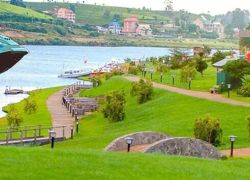
Gregory Lake, located in the heart of Nuwara Eliya, Sri Lanka, is one of the most popular and scenic attractions in this charming hill station. Named after Sir William Gregory, a British governor of Sri Lanka (then Ceylon) during the colonial era, the lake has become a symbol of the town's colonial past, surrounded by lush greenery and cool mountain air. Originally built in the 19th century for the purpose of irrigation and water supply, Gregory Lake has since become a hub for outdoor activities and a perfect getaway for locals and tourists alike. With its serene ambiance, boat rides, and scenic walking paths, Gregory Lake is a must-visit destination for anyone exploring Nuwara Eliya. How to Reach Gregory Lake, Nuwara Eliya Gregory Lake is centrally located in Nuwara Eliya and is easily accessible from most parts of the town. Here's how to get there: By Car: Gregory Lake is located just 1-2 km from the main town of Nuwara Eliya. You can easily reach the lake by car or tuk-tuk, which will take around 5 to 10 minutes from the town center. By Foot: For those who enjoy a good walk, Gregory Lake is within walking distance from the Nuwara Eliya town. A pleasant walk through the cool climate and lush gardens can take around 20 minutes. By Bus: There are public buses available in Nuwara Eliya that travel to Gregory Lake, but the most convenient option is usually to hire a tuk-tuk or taxi from your accommodation. Weather at Gregory Lake, Nuwara Eliya Being situated in the cool climate of Sri Lanka’s central highlands, the weather around Gregory Lake is one of the main reasons why it’s such a popular spot. Here's an overview of the weather: Temperature: The average temperature around Gregory Lake ranges from 15°C to 20°C (59°F to 68°F), making it an ideal escape from the heat of the lowlands. Best Time to Visit: The best time to visit Gregory Lake is during the dry season, which runs from December to April. During this period, the weather is cool, dry, and sunny, perfect for outdoor activities like boat rides and picnics. Rainy Season: From May to October, Nuwara Eliya experiences heavy rainfall due to the southwest monsoon. While the lake’s surroundings are beautiful during this time, it’s best to prepare for rain if visiting during the wet season. Timing of Gregory Lake, Nuwara Eliya The lake is accessible at all times of the day, but the ideal time for visitors is typically from 8:00 AM to 6:00 PM, when the weather is more conducive for outdoor activities. Best Time to Visit: Early morning (before 10:00 AM) or late afternoon (after 4:00 PM) is ideal for those who wish to avoid the midday heat and crowds. The peaceful surroundings at these times enhance the lake's beauty. Boat Rides: If you wish to take a boat ride on Gregory Lake, the boats are generally available between 9:00 AM and 5:00 PM. It’s recommended to check with local operators for specific hours. Why is Gregory Lake, Nuwara Eliya Famous? Gregory Lake is famous for several reasons, including its colonial history, natural beauty, and recreational opportunities. Some of the key aspects that make Gregory Lake a must-visit include: Colonial History: The lake was constructed in 1873 under the direction of Sir William Gregory, the British governor of Sri Lanka at the time. It was originally built to supply water for the town and to facilitate irrigation in the region. Scenic Beauty: Surrounded by lush hills and gardens, Gregory Lake offers breathtaking views of the surrounding landscape. The cool, crisp air and serene environment make it an ideal spot for relaxation and outdoor activities. Recreational Activities: Gregory Lake offers a variety of recreational activities, including boat rides, cycling, and walking. It’s a family-friendly destination that appeals to visitors of all ages. Entry and Visit Details About Gregory Lake, Nuwara Eliya Visiting Gregory Lake is free, though some activities around the lake require a small fee. Here’s everything you need to know for your visit: Entry Fee: There is no charge for visiting the lake itself. However, if you wish to take a boat ride, pedal boat rentals typically cost around LKR 500 to LKR 1000 per person (approximately $3 to $6 USD), depending on the type of boat and the duration of the ride. Boat Rides: Boat rides are one of the most popular activities at Gregory Lake. You can rent rowboats, pedal boats, and even motorized boats for a leisurely cruise on the lake. These boat rides usually last between 30 minutes to 1 hour. Opening Hours: Gregory Lake is open every day, and the boating facilities are typically available between 9:00 AM and 5:00 PM. If you are visiting on a public holiday, it’s best to check in advance to confirm the availability of services. History and Architecture of Gregory Lake Gregory Lake was built in 1873 under the guidance of Sir William Gregory, a British colonial governor of Ceylon (now Sri Lanka). Initially, it was intended to serve as an irrigation and water supply reservoir for the surrounding area, but over time, it became a popular location for both locals and foreigners. The lake is a man-made structure, created by damming the local stream and expanding the existing water body. It was designed with a circular shape and is surrounded by an earthen embankment. Today, it stands as one of the oldest colonial engineering marvels in Nuwara Eliya. Things to Do at Gregory Lake, Nuwara Eliya Boat Rides: Take a relaxing boat ride on Gregory Lake. You can rent rowboats, paddle boats, and motorboats from local vendors. A peaceful boat ride around the lake offers stunning views of the surrounding landscape. Walking & Cycling: There are several walking paths around the lake that are perfect for a leisurely stroll. You can also rent bicycles to cycle around the lake and take in the fresh air and scenic beauty. Picnics: The lush surroundings make Gregory Lake an excellent spot for a family picnic. You can pack your lunch and enjoy a peaceful afternoon by the water. Photography: Gregory Lake is a photographer’s paradise. Whether it’s the picturesque views of the surrounding hills or the reflections on the lake’s surface, there are plenty of photo opportunities throughout the day. Interesting Facts About Gregory Lake Gregory Lake was originally built by the British to supply water to the town of Nuwara Eliya and the surrounding agricultural areas. The lake is one of the oldest man-made water bodies in Sri Lanka, and its construction marked an important milestone in the development of Nuwara Eliya as a colonial hill station. The area around the lake is home to a variety of bird species, making it a popular spot for birdwatching. In addition to boat rides, the lake is a favorite place for locals to engage in various water activities, especially during weekends and holidays. Tips for Visiting Gregory Lake, Nuwara Eliya Wear Comfortable Shoes: If you plan to walk or cycle around the lake, make sure to wear comfortable footwear, as the paths can be uneven in some places. Bring Sunscreen: Even though Nuwara Eliya has a cool climate, it's still advisable to bring sunscreen, especially if you plan to spend a long time outdoors. Check the Weather: If you plan to take a boat ride, it’s best to check the weather in advance to avoid rainy days, as the lake may be less enjoyable during wet weather. Go Early: For a more tranquil experience, consider visiting early in the morning before the crowds arrive. The early morning fog also adds a mystical charm to the landscape.
Explore More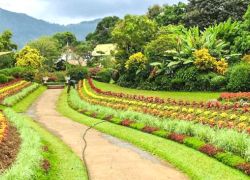
Victoria Park, located in the charming hill station of Nuwara Eliya in Sri Lanka, is one of the most beautiful and tranquil spots in the country. Established in 1856 by the British colonial administration, the park was originally created as a botanical garden and a recreational space for the British elite. Today, it stands as one of Nuwara Eliya's most popular tourist attractions, offering visitors a serene environment to enjoy nature, birdwatching, and leisurely strolls. Named after Queen Victoria, the park spans 27 acres and is a wonderful escape with its vibrant flowers, peaceful walking paths, and pleasant climate. How to Reach Victoria Park, Nuwara Eliya Victoria Park is centrally located in Nuwara Eliya, and it is very accessible from most parts of the town. Here’s how you can reach this beautiful park: By Car: Victoria Park is only about 1 km away from the town center of Nuwara Eliya. You can easily reach the park by tuk-tuk or taxi, with a quick 5-minute drive from the town. On Foot: The park is within walking distance from the main town. It’s about a 10-15 minute walk, which is ideal for those who want to explore the town on foot and enjoy the scenic views on the way. By Bus: Public buses operate in Nuwara Eliya, but walking or taking a tuk-tuk is generally more convenient for tourists who want to get to the park easily. Weather at Victoria Park, Nuwara Eliya Being located in the central highlands of Sri Lanka, Nuwara Eliya enjoys a cool and temperate climate, making Victoria Park an ideal place to visit throughout the year. Here’s an overview of the weather: Temperature: The average temperature in Nuwara Eliya ranges from 15°C to 20°C (59°F to 68°F), making it a refreshing change from the hot and humid lowlands. Best Time to Visit: The best time to visit Victoria Park is during the dry season, which lasts from December to April. During this time, the weather is cool, dry, and sunny, providing excellent conditions for outdoor activities. Rainy Season: Nuwara Eliya experiences heavy rainfall between May and October, as a result of the southwest monsoon. While the rain adds to the lush beauty of the park, it's advisable to check the forecast before visiting during this period. Timing of Victoria Park, Nuwara Eliya Victoria Park is open daily and can be visited throughout the year. Here are the typical visiting hours: Opening Hours: The park is open from 8:00 AM to 6:00 PM daily. The best time to visit is either in the morning or late afternoon when the weather is cooler and the park is less crowded. Why is Victoria Park, Nuwara Eliya Famous? Victoria Park is famous for several reasons, each contributing to its appeal as a must-visit destination in Nuwara Eliya. Some of the main factors that make the park special include: Colonial Heritage: The park was established in the colonial era, and its history is closely tied to the British administration in Sri Lanka. It was originally created as a space for leisure and recreation for the British expatriates and later opened to the public. Beautiful Landscapes: The park is known for its lush green landscapes, colorful flowerbeds, and well-maintained gardens. It provides an ideal setting for nature lovers and photography enthusiasts alike. Birdwatching: The park is a hotspot for birdwatching, with various species of birds, including migratory birds, calling the park home. Birdwatching is one of the most popular activities in the park. Peaceful Atmosphere: Victoria Park offers a peaceful escape from the hustle and bustle of daily life. The cool climate and tranquil surroundings make it an ideal spot for relaxation and rejuvenation. Entry and Visit Details About Victoria Park, Nuwara Eliya Visiting Victoria Park is an affordable and accessible experience. Here are the details regarding entry and visiting the park: Entry Fee: The entrance fee for Victoria Park is minimal. Local visitors pay around LKR 50, while international tourists typically pay LKR 200 (approximately $1 USD). The fee is affordable and well worth it for a chance to explore the park's beauty. Facilities: The park offers various amenities including well-maintained paths, benches for relaxation, and a few small shops nearby for refreshments. There are also clean public restrooms available. Activities: Visitors can enjoy a peaceful walk around the park, relax on the benches, take photographs, or engage in birdwatching. The park also has a few small ponds, adding to its charm. History and Architecture of Victoria Park Victoria Park was officially opened in 1856 during British colonial rule. Originally designed as a botanical garden and recreational area for British colonial officials, the park was named after Queen Victoria to commemorate her reign. The park was later opened to the public, allowing both locals and tourists to enjoy its beauty. The park’s design is influenced by traditional English gardens, with well-laid-out pathways, manicured lawns, and flowerbeds featuring a wide variety of plants. It’s a fine example of colonial-era landscape architecture and has remained a popular spot for both local residents and visitors from around the world. Things to Do at Victoria Park, Nuwara Eliya Victoria Park offers a variety of activities for visitors of all ages. Whether you're a nature lover, a photographer, or someone simply looking for a peaceful spot to relax, there’s something for everyone: Walk Around the Park: The park has beautifully landscaped walking paths where visitors can take leisurely strolls. It’s a great way to explore the park’s natural beauty while enjoying the cool climate of Nuwara Eliya. Birdwatching: Victoria Park is a great place for birdwatching. A wide variety of birds, including migratory species, can be spotted here. Birdwatchers will find plenty of opportunities to observe and photograph birds in their natural habitat. Photography: The park offers numerous scenic spots perfect for photography. From its flowerbeds to the surrounding hills, Victoria Park provides the perfect backdrop for capturing the beauty of Nuwara Eliya. Relaxation: Simply sitting on one of the many benches in the park and taking in the fresh air is a wonderful way to relax and rejuvenate in this peaceful environment. Interesting Facts About Victoria Park The park was originally intended to be a botanical garden for British expatriates and was opened to the public in 1951. It covers 27 acres of land and contains several species of plants, flowers, and trees, including a variety of exotic species. Victoria Park is one of the few places in Sri Lanka where you can spot migratory birds, especially from November to April. It is also home to several small ponds, adding to its tranquil atmosphere and creating an ideal environment for wildlife. Tips for Visiting Victoria Park, Nuwara Eliya Wear Comfortable Shoes: If you plan to walk around the park, wear comfortable shoes as you’ll be walking on various paths that can be uneven in some areas. Bring a Camera: The park is full of photo-worthy scenes, so make sure to bring a camera or smartphone to capture the stunning views and wildlife. Check the Weather: While Nuwara Eliya is generally cool, it’s always a good idea to check the weather forecast before your visit, especially if you're visiting during the rainy season. Visit Early or Late: For a quieter experience, visit the park early in the morning or in the late afternoon when the crowds are fewer.
Explore More
Located in the picturesque town of Nuwara Eliya, Sri Lanka, Hakgala Botanical Garden is one of the most famous and well-preserved gardens in the country. Nestled against the backdrop of the Hakgala Mountain range, this 28-hectare garden is renowned for its variety of plant species, stunning landscapes, and its cool, temperate climate. It is a must-visit attraction for nature lovers, botany enthusiasts, and anyone looking to experience the lush greenery of Sri Lanka’s hill country. The garden’s beauty and rich diversity make it a prime example of Sri Lanka’s botanical heritage. How to Reach Hakgala Botanical Garden, Nuwara Eliya Hakgala Botanical Garden is easily accessible from the town center of Nuwara Eliya, making it a convenient location for tourists. The garden is located approximately 10 kilometers from the main town of Nuwara Eliya and can be reached by car, tuk-tuk, or even on foot for those looking for a scenic hike. By Car: The most convenient way to reach Hakgala Botanical Garden is by car or tuk-tuk. The drive from Nuwara Eliya takes around 20 minutes, and the roads are well-maintained. By Taxi: Taxis are available in Nuwara Eliya and can be hired for a round-trip visit to the garden. The fare is reasonable, and most drivers are familiar with the route. By Foot: For those who enjoy a good walk, you can hike from the town center to the botanical garden. The scenic walk will take around 1 to 1.5 hours, offering a chance to enjoy the surrounding nature and views of the hill country. Weather at Hakgala Botanical Garden The climate in Nuwara Eliya, including the area around Hakgala Botanical Garden, is generally cool and temperate, thanks to its high-altitude location. The weather here makes it an ideal place to visit year-round, with each season offering a different experience of the garden’s beauty. Temperature: The average temperature in Nuwara Eliya ranges from 15°C to 20°C (59°F to 68°F), providing a refreshing break from the heat of Sri Lanka’s coastal areas. Best Time to Visit: The best time to visit the Hakgala Botanical Garden is between December and April when the weather is dry, and the gardens are at their most vibrant. The clear skies and cool breeze make for the perfect setting for a day out in nature. Rainy Season: The rainy season in this region typically lasts from May to October. However, the rain enhances the lush greenery of the garden, so it can still be a beautiful time to visit, especially for those who enjoy the tranquil atmosphere after a rain shower. Timing of Hakgala Botanical Garden Hakgala Botanical Garden is open to the public every day, and the timing is quite convenient for most visitors. Here are the usual hours for visiting the garden: Opening Hours: The garden is open from 8:00 AM to 5:00 PM daily. It is recommended to arrive early in the day to enjoy the cooler temperatures and the morning light for photography and sightseeing. Why is Hakgala Botanical Garden Famous? Hakgala Botanical Garden is famous for several key reasons, making it one of the top attractions in Nuwara Eliya. Here are a few factors that contribute to its fame: Variety of Flora: The garden is home to a wide range of plant species, both native and exotic. It is particularly renowned for its collection of roses, orchids, and other ornamental flowers, making it a popular destination for flower enthusiasts and photographers. Historical Significance: The garden was originally established in the 1860s as a part of the British colonial administration's efforts to cultivate plants from various parts of the world. It has since evolved into a thriving botanical garden. Scenic Beauty: The garden’s location near the Hakgala mountain range provides stunning views of the surrounding valleys and tea plantations. The combination of lush greenery and spectacular views makes it a favorite for nature lovers. Climate and Environment: The cool, temperate climate of Nuwara Eliya allows for a unique variety of plant life to thrive in Hakgala Botanical Garden, making it one of the most important botanical gardens in Sri Lanka. Entry and Visit Details About Hakgala Botanical Garden Visiting Hakgala Botanical Garden is an affordable and enjoyable experience. Here are the key entry and visit details: Entry Fee: The entry fee for local visitors is around LKR 50, while international visitors typically pay LKR 500 (approximately $2.50 USD). The fee is modest, considering the beauty and peaceful atmosphere that the garden offers. Opening Hours: As mentioned earlier, the garden is open from 8:00 AM to 5:00 PM. It is advisable to visit early in the morning or late in the afternoon for the best experience. Facilities: The garden offers a number of facilities for visitors, including rest areas, clean public restrooms, and refreshment stalls where you can purchase snacks and drinks. There are also guided tours available for those interested in learning more about the plants and history of the garden. History and Architecture of Hakgala Botanical Garden Hakgala Botanical Garden has a rich history dating back to the 19th century. It was originally established in 1861 by the British colonial government as part of a plan to grow crops and plants for experimentation. The garden was designed to suit the cool climate of the region and was modeled after England’s famous Kew Gardens. The architecture and design of the garden reflect the colonial era, with large glasshouses, ornamental pathways, and areas designed for the cultivation of exotic plants. Over the years, the garden has expanded, and today it is divided into sections, each dedicated to different types of plants such as orchids, roses, and ferns. Things to Do at Hakgala Botanical Garden There are plenty of activities to enjoy at Hakgala Botanical Garden, making it a great place to spend a few hours or an entire day. Some of the best things to do include: Explore the Floral Sections: One of the highlights of the garden is its collection of roses, orchids, and other exotic plants. Take a stroll through the various sections and enjoy the vibrant colors and pleasant fragrances. Photography: Hakgala Botanical Garden is a photographer’s paradise. With its lush landscapes, colorful flowers, and scenic mountain backdrops, there are endless opportunities to capture stunning photos. Picnics and Relaxation: The park has plenty of benches and peaceful spots where visitors can relax or have a picnic while enjoying the cool air and beautiful scenery. Guided Tours: Take a guided tour to learn about the history and unique plant species in the garden. Knowledgeable guides can provide in-depth information about the garden’s various sections and the plants it houses. Interesting Facts About Hakgala Botanical Garden The garden is one of the oldest botanical gardens in Sri Lanka, having been established in the 19th century during British colonial rule. Hakgala Botanical Garden is home to a wide range of plant species, including over 10,000 species of trees, shrubs, and flowers, many of which are endemic to Sri Lanka. The garden is particularly famous for its rose garden, which features over 1,500 species of roses. The Hakgala area is also known for being the setting for the famous "Glenloch tea plantation," one of the oldest tea estates in Sri Lanka. Tips for Visiting Hakgala Botanical Garden Wear Comfortable Shoes: The garden has various walking paths and uneven terrain, so comfortable shoes are a must for exploring. Bring Water: It’s important to stay hydrated, especially if you're exploring the garden during the midday heat. Best Time for Photography: Early morning or late afternoon provides the best light for photography, as the sun is softer and the air is cooler. Respect Nature: Hakgala Botanical Garden is a protected area. Please be mindful of the environment by not disturbing the plants and wildlife.
Explore More
Lover’s Leap Waterfall, located in the picturesque hill station of Nuwara Eliya, Sri Lanka, is a breathtaking natural wonder that attracts visitors with its stunning beauty and romantic legend. Known for its cascading water and tranquil setting, this waterfall is one of the most popular tourist attractions in the region. Whether you're a nature enthusiast, a photographer, or simply seeking a peaceful escape, Lover’s Leap offers a memorable experience amidst the cool climate and lush greenery of Sri Lanka's central highlands. How to Reach Lover's Leap Waterfall, Nuwara Eliya Lover’s Leap Waterfall is situated about 4 kilometers from the main town of Nuwara Eliya. The waterfall can be easily accessed by car, tuk-tuk, or on foot. Here’s how to reach it: By Car: The most convenient way to reach Lover's Leap is by car or taxi from Nuwara Eliya. The journey takes around 10-15 minutes from the town center, and the road is well-maintained. By Tuk-Tuk: Tuk-tuks are widely available in Nuwara Eliya and are an affordable option to get to Lover’s Leap. The fare is reasonable for the short ride. On Foot: If you enjoy walking and exploring nature, you can walk from Nuwara Eliya town. The walk takes approximately 40-45 minutes, and it’s a great way to take in the scenic views of the surrounding area. Weather at Lover's Leap Waterfall The weather in Nuwara Eliya is generally cool and temperate, making it an ideal destination for outdoor activities. The area surrounding Lover’s Leap is known for its refreshing climate, with a consistent cool temperature throughout the year. Temperature: The average temperature ranges from 15°C to 25°C (59°F to 77°F), which is perfect for sightseeing and exploring the natural surroundings. Best Time to Visit: The best time to visit Lover’s Leap Waterfall is from December to April when the weather is dry and sunny. During these months, the waterfall’s flow is typically strong, and the area is less likely to experience heavy rain. Rainy Season: The rainy season typically runs from May to October. If you visit during this time, you may experience more water flowing down the falls, but it’s important to be prepared for wet conditions and occasional downpours. Timing of Lover's Leap Waterfall Lover’s Leap Waterfall is a natural attraction and is open to visitors every day of the year. The best time to visit is early in the morning or late afternoon, when the weather is cooler and the sunlight enhances the beauty of the falls. There are no strict entry timings as such, but it’s advisable to visit during daylight hours for safety reasons. Why is Lover's Leap Waterfall Famous? Lover’s Leap Waterfall is famous for its natural beauty, serene surroundings, and the fascinating legend that gives it its name. Here’s why the waterfall is so popular: Romantic Legend: According to local legend, Lover’s Leap Waterfall gets its name from a tragic love story. It is said that a young woman, in love with a man from a different social class, leapt from the cliff in despair when their love was not accepted. This romantic tale has contributed to the name of the waterfall and its emotional appeal for many visitors. Stunning Scenic Views: The waterfall is located amidst lush greenery and tea plantations, offering visitors a scenic view of the surrounding hills and valleys. The natural beauty of the area makes it an ideal location for photography and relaxation. Accessibility and Tranquility: Unlike some of the more crowded tourist spots, Lover’s Leap offers a relatively peaceful environment, allowing visitors to enjoy the serene atmosphere and connect with nature. Entry and Visit Details About Lover's Leap Waterfall The waterfall is open to the public, and entry is free of charge. However, there is a small fee for parking if you come by car. The visit is quite straightforward and can be enjoyed at your own pace. Here are some additional details: Parking: There is a small parking area near the waterfall where visitors can park their vehicles. If you’re taking a tuk-tuk, the driver will drop you off at the entrance. Walk to the Falls: To reach the waterfall, visitors need to take a short but slightly steep walk (around 10-15 minutes) from the entrance to the base of the falls. The path is well-maintained, and the journey is pleasant with views of the surrounding landscapes. Facilities: There are no major facilities at the waterfall itself, but you can find basic amenities like restrooms and small shops selling snacks and drinks near the entrance. History and Architecture of Lover's Leap Waterfall While Lover’s Leap Waterfall is primarily a natural attraction, it holds historical significance due to its connection to the legend of the young woman who leapt to her death. The story of her tragic love has been passed down through generations and continues to be a point of interest for visitors. Architecturally, the waterfall does not have any man-made structures, but the surrounding area has been developed for tourism, with paths and viewing points that offer stunning views of the waterfall and the valley below. Things to Do at Lover's Leap Waterfall There are several activities you can enjoy during your visit to Lover’s Leap Waterfall: Photography: The waterfall and its surrounding landscapes provide excellent opportunities for photography. The combination of the cascading water, lush greenery, and distant views of Nuwara Eliya is a photographer's paradise. Nature Walks: The surrounding area is perfect for nature walks, where visitors can enjoy the cool climate, view the tea plantations, and immerse themselves in the peaceful environment. Picnics: If you enjoy a quiet picnic in nature, the area near the waterfall offers a peaceful spot to relax with family or friends. Remember to bring your own food and clean up after yourself to preserve the environment. Interesting Facts About Lover's Leap Waterfall The waterfall is approximately 30 meters (98 feet) tall, with water cascading from the top in a dramatic drop. The waterfall is located in a region known for its temperate climate and is surrounded by picturesque landscapes, including dense forests, tea estates, and rolling hills. The name "Lover's Leap" is tied to a poignant local legend of love and loss, which adds an emotional layer to the site. Lover’s Leap Waterfall is one of the most accessible waterfalls in Nuwara Eliya, making it an easy stop for those traveling through the region. Tips for Visiting Lover's Leap Waterfall Wear Comfortable Shoes: The path to the waterfall can be steep in some places, so it’s important to wear comfortable shoes, especially if you plan to walk to the base. Carry Water: The weather in Nuwara Eliya can be cool, but the walk can be physically exerting, so make sure to carry water to stay hydrated. Visit Early or Late: To avoid the crowds and enjoy a peaceful experience, try visiting the waterfall either early in the morning or later in the afternoon. Respect the Environment: Always be mindful of the environment. Do not litter and respect the natural beauty of the site.
Explore More
Ramboda Falls is one of the most picturesque and stunning waterfalls located in the central highlands of Sri Lanka, in the Nuwara Eliya district. It is the 11th highest waterfall in Sri Lanka, with a height of 109 meters (358 feet). Known for its scenic beauty and tranquil surroundings, Ramboda Falls is a must-visit natural wonder for anyone traveling through the region. Its cascading waters, surrounded by lush greenery, create a serene atmosphere that draws nature lovers, photographers, and tourists alike. How to Reach Ramboda Falls, Nuwara Eliya Ramboda Falls is located about 30 kilometers from the town of Nuwara Eliya and can be easily accessed by car, tuk-tuk, or bus. Here’s how to reach it: By Car: If you are driving from Nuwara Eliya, take the A5 road towards Kandy. The journey takes about 45 minutes, and you will pass beautiful tea plantations and mist-covered mountains along the way. By Tuk-Tuk: Tuk-tuks are a popular and affordable way to travel to Ramboda Falls. It’s a comfortable and scenic ride, and drivers will often wait for you while you explore the falls. By Bus: Public buses are available from Nuwara Eliya to Ramboda, although it may take a little longer compared to a private vehicle. The bus ride offers a good view of the surrounding landscape. Weather at Ramboda Falls The weather in Ramboda is typically cool and misty, due to its location in the hill country of Sri Lanka. The climate is moderate throughout the year, making it a pleasant place to visit. Here’s a breakdown of the weather conditions: Temperature: The temperature at Ramboda Falls generally ranges from 15°C to 25°C (59°F to 77°F) year-round. It is cooler than the lowland areas, so it’s advisable to bring a light sweater or jacket, especially in the early mornings or evenings. Best Time to Visit: The best time to visit Ramboda Falls is during the dry season, from December to April. During this period, the weather is clear, and the water flow in the falls is strong and refreshing. Rainy Season: The rainy season occurs from May to October, with the peak of rainfall in the months of September and October. Although the waterfall flows strongly during the rainy season, it’s important to be prepared for heavy rains and muddy conditions. Timing of Ramboda Falls Ramboda Falls is a natural site, and it is open to visitors year-round. There are no specific opening hours as it is freely accessible to the public. However, it is advisable to visit during daylight hours for safety reasons. Early mornings and late afternoons are the best times to visit to avoid crowds and capture the falls in the soft, golden light of the sun. Why is Ramboda Falls Famous? Ramboda Falls is famous not only for its natural beauty but also for its unique location, cascading through the misty hills of Sri Lanka. Here’s why it’s such a popular destination: Scenic Beauty: The falls are surrounded by lush tea plantations, rolling hills, and dense forests. The mist often gives the waterfall a mystical appearance, creating a serene and tranquil atmosphere. Height and Structure: As one of the tallest waterfalls in Sri Lanka, Ramboda Falls is a stunning sight to behold. The water flows down in two stages, creating a beautiful twin waterfall that adds to its visual appeal. Tourist Attraction: Due to its beauty and proximity to Nuwara Eliya, Ramboda Falls has become a popular tourist spot. It offers an excellent opportunity for photography and nature walks. Entry and Visit Details About Ramboda Falls The entry to Ramboda Falls is free of charge, and visitors can enjoy the natural beauty of the waterfall without any restrictions. However, there are a few details to consider when planning your visit: Parking: There is a small parking area near the falls where visitors can park their vehicles. If you are coming by tuk-tuk, the driver will drop you at the entrance, and you can walk to the falls. Accessibility: The path to the base of the falls is relatively easy to navigate. However, the ground can be slippery due to the mist and water spray, so it’s important to wear sturdy, non-slip footwear. Facilities: There are basic facilities near the falls, such as restrooms and small shops selling snacks and drinks. You can also find a few places to sit and enjoy the view of the waterfall and the surrounding landscape. History and Architecture of Ramboda Falls While Ramboda Falls is a natural feature, its significance is intertwined with the development of the surrounding region. Located in the central highlands, Ramboda Falls has been an important landmark for travelers and traders passing through Sri Lanka’s hill country for centuries. The nearby tea plantations were established by the British colonialists, and the waterfall itself has been part of the region's picturesque landscapes that were admired by colonial-era travelers. In terms of architecture, there are no man-made structures around the falls, as it is a natural site. However, the surrounding roads and infrastructure have been developed to facilitate tourism and to help visitors enjoy the beautiful views of the falls and the lush landscape. Things to Do at Ramboda Falls Ramboda Falls offers visitors the opportunity to engage in several activities that highlight the natural beauty and serenity of the area: Photography: The waterfall and its surrounding environment are perfect for photography. The mist, the cascading water, and the backdrop of the tea plantations make for stunning pictures. Nature Walks: Take a leisurely walk around the area and enjoy the cool climate and lush greenery. The surrounding tea plantations offer a peaceful setting for nature lovers. Picnics: If you wish to relax, consider bringing a picnic to enjoy at the designated picnic spots near the waterfall. The peaceful surroundings make it a great place for a quiet day out with family or friends. Interesting Facts About Ramboda Falls The waterfall is 109 meters tall, making it one of the highest waterfalls in Sri Lanka. The waterfall is part of the Puna Oya, a tributary of the Kelani River, which ultimately flows into the Indian Ocean. Ramboda Falls is located near the famous Ramboda Pass, which connects the towns of Kandy and Nuwara Eliya and is a popular stop for tourists traveling between these two locations. The waterfall’s base is accessible by a short walk from the main road, and visitors can get quite close to the falls, enjoying a refreshing spray of water. Tips for Visiting Ramboda Falls Wear Comfortable Shoes: The ground around the falls can be slippery, especially due to the mist. Wear sturdy, comfortable shoes to avoid slipping. Bring a Camera: Don’t forget to capture the beauty of the falls and the surrounding scenery with your camera. The mist and lush greenery make for excellent photos. Stay Safe: Be cautious when getting close to the waterfall. The rocks can be slippery, and the area can become muddy, especially after rain. Carry Snacks and Water: There are a few small shops near the falls, but it’s a good idea to carry your own snacks and water, especially if you plan to spend time exploring the area.
Explore More
Devon Falls is one of the most scenic and famous waterfalls in Sri Lanka, located in the Nuwara Eliya district. Often referred to as the "Veil of the Valley," Devon Falls is a spectacular 97-meter (318 feet) high waterfall that attracts visitors due to its natural beauty, serene surroundings, and picturesque setting. With its pristine waters cascading down into a rocky gorge, Devon Falls is a must-see for nature lovers and photographers visiting the hill country of Sri Lanka. How to Reach Devon Falls, Nuwara Eliya Devon Falls is situated approximately 6 kilometers (3.7 miles) from the town of Talawakele, which is located near Nuwara Eliya. The falls are accessible by car, tuk-tuk, or bus, with roads leading to the base of the waterfall. Here’s how to reach Devon Falls: By Car: The easiest way to reach Devon Falls is by private car. From Nuwara Eliya, take the A5 road towards Kandy. The drive takes about 1.5 hours (35 km), passing through lush tea estates and rolling hills. By Tuk-Tuk: Tuk-tuks are a popular mode of transport for tourists in the hill country. You can hire a tuk-tuk from Nuwara Eliya or Talawakele to take you to the falls. It’s an affordable and convenient option, and the drivers are familiar with the area. By Bus: Buses from Nuwara Eliya and Talawakele connect to the area near the falls. However, this may take longer and may involve a bit of walking to reach the waterfall itself. Weather at Devon Falls The weather around Devon Falls is cool and pleasant year-round due to its location in the central highlands of Sri Lanka. The climate here is characterized by mild temperatures and moderate rainfall. Here’s an overview of the weather conditions at Devon Falls: Temperature: The average temperature around the falls ranges from 15°C to 22°C (59°F to 72°F), which makes it an ideal destination for those looking to escape the heat of the lowlands. Best Time to Visit: The best time to visit Devon Falls is during the dry season, which runs from December to March. During these months, the weather is clear, and the water flow of the falls is strong and impressive. Rainy Season: The rainy season in the area lasts from April to November. While the falls flow more powerfully during this time, heavy rain may make the path slippery and the surroundings muddy. Timing of Devon Falls Devon Falls is open to visitors year-round and is accessible at any time of the day. However, it’s recommended to visit during daylight hours, especially for safety reasons. Early mornings and late afternoons offer the best lighting for photography and a chance to experience the falls in a more tranquil atmosphere, away from crowds. Why is Devon Falls Famous? Devon Falls is famous for its breathtaking natural beauty and its strategic location in the picturesque hill country. Here’s why it stands out: Height: Devon Falls is one of the tallest waterfalls in Sri Lanka, with a height of 97 meters. Its impressive cascade attracts visitors from around the world. Scenic Surroundings: The waterfall is surrounded by lush greenery, tea plantations, and misty hills, making it a perfect spot for photography and nature walks. Accessibility: Unlike some other waterfalls in Sri Lanka, Devon Falls is relatively easy to reach, making it a popular spot for tourists in the Nuwara Eliya region. Entry and Visit Details About Devon Falls The visit to Devon Falls is free of charge, and there are no entrance fees. However, there are a few things to keep in mind when planning your visit: Parking: There is a small parking area near the falls where visitors can park their vehicles. If you are coming by tuk-tuk, your driver can drop you near the entrance. Accessibility: The waterfall can be reached by walking along a well-maintained path, although it can be steep and slippery in places, so proper footwear is recommended. Facilities: There are a few basic amenities around the falls, such as small shops selling snacks and drinks. There are also restrooms available for visitors. However, it’s a good idea to bring your own food and water, especially if you plan to stay for an extended period. History and Architecture of Devon Falls Devon Falls was named after Devon, a British coffee planter who established a plantation near the falls during the British colonial period. It is said that the British colonialists, who were keen on exploring Sri Lanka's natural wonders, discovered the waterfall and named it after him. The waterfall has since become a major tourist attraction in the region. In terms of architecture, there are no man-made structures around the falls, as it is a natural site. The area around the falls is designed to blend in with the natural surroundings, maintaining the pristine environment that makes the waterfall so stunning. Things to Do at Devon Falls Visiting Devon Falls is a wonderful experience for nature lovers, photographers, and anyone seeking a peaceful escape. Here are some things to do when visiting Devon Falls: Photography: The stunning beauty of the waterfall, surrounded by lush greenery, makes it a perfect location for capturing memorable photographs. The early morning light is especially beautiful. Nature Walks: Take a leisurely walk around the falls and enjoy the serene atmosphere. The cool climate and natural beauty of the area make it ideal for a peaceful stroll through the surrounding tea plantations. Picnics: There are areas around the falls where you can sit and enjoy a picnic. The fresh mountain air and the sound of the cascading water make for a relaxing setting. Tea Estate Visits: The surrounding area is dotted with tea estates. Visitors can take guided tours of the tea plantations, learn about the tea production process, and sample some of Sri Lanka’s world-famous tea. Interesting Facts About Devon Falls The waterfall is named after Devon, a British coffee planter who lived in the area during the colonial period. Devon Falls is part of the Puna Oya river system, which is a tributary of the Kelani River. During the rainy season, the waterfall becomes even more powerful and impressive, with water rushing down with great force. The waterfall is one of the most photographed locations in Sri Lanka due to its beauty and accessibility. Tips for Visiting Devon Falls Wear Proper Footwear: The path to the waterfall can be steep and slippery, so it’s essential to wear comfortable, non-slip shoes or hiking boots. Bring a Camera: The waterfall and its surroundings are incredibly photogenic. Be sure to bring a camera to capture the natural beauty of the area. Be Prepared for Weather Changes: The weather in the hill country can change quickly. It’s a good idea to carry a light jacket or sweater, especially during early mornings or late evenings when it can get chilly. Respect Nature: Remember to keep the area clean and respect the environment. Dispose of trash responsibly and avoid disturbing the natural habitat around the falls.
Explore More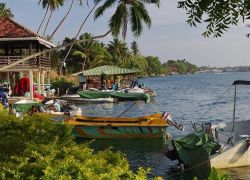
Bentota River, located in the picturesque town of Bentota on the southwest coast of Sri Lanka, is one of the most iconic rivers in the region. This serene waterway is famous for its lush surroundings, biodiversity, and a range of exciting activities. Whether you're a nature lover, an adventure seeker, or simply looking to relax, the Bentota River offers an unforgettable experience. How to Reach Bentota River Bentota River is located near the town of Bentota, making it easily accessible from major Sri Lankan cities. It’s only about 65 kilometers south of Colombo, which makes it a short drive from the capital. By Car: The easiest way to reach Bentota River is by renting a car or hiring a taxi from Colombo. The drive takes about 1.5 to 2 hours and provides scenic views of the Sri Lankan countryside. By Train: You can take a train from Colombo to Bentota. The Bentota Railway Station is nearby, and trains offer a scenic and affordable way to travel to the area. By Bus: There are also public buses from Colombo to Bentota. Buses operate regularly, and although this is a cheaper option, it may take longer due to stops along the way. Weather and Best Time to Visit Bentota River The weather around Bentota River is tropical and humid, with temperatures averaging around 28°C to 30°C throughout the year. However, there are specific months when visiting is particularly pleasant: Best Time to Visit: The ideal time to visit Bentota River is from November to April. During these months, the weather is dry, and the river is calm, making it perfect for boat rides and water activities. Monsoon Season: The monsoon season lasts from May to October, and during this time, there are occasional showers and rough waters, making it less ideal for outdoor activities. Why Bentota River is Famous Bentota River is renowned for its natural beauty and the variety of experiences it offers to visitors. Some of the reasons this river is famous include: Scenic Boat Rides: One of the top attractions along the Bentota River is the boat rides. Visitors can enjoy serene boat trips that allow them to explore the lush riverbanks, mangroves, and surrounding wildlife. Wildlife Spotting: The river and its surrounding area are home to a diverse range of birds, reptiles, and other wildlife. Birdwatchers will find this region particularly appealing, as many migratory species make their way to Bentota. River Cruises: Bentota River offers peaceful river cruises that can last from one hour to several hours. These cruises allow visitors to explore the river’s natural beauty, such as the mangroves, marshes, and tropical flora, all while being guided by local boatmen who share their knowledge of the area. Cultural and Historical Significance: The river has played an important role in the development of the surrounding region and provides a window into the rich cultural heritage of Bentota and Sri Lanka as a whole. Entry and Visit Details Visiting Bentota River is free, but if you wish to take a boat ride or a river cruise, there are nominal fees associated with these activities. Several local tour operators offer boat services, which can be booked either in advance or on the spot. The river is accessible year-round, but the best time to visit is during the dry months of November to April. Most boat rides operate during the day, and it’s recommended to visit in the morning or early afternoon for the best experience. Things to Do at Bentota River Bentota River offers a range of activities for visitors, both adventurous and those seeking relaxation. Some of the best things to do while visiting Bentota River include: Boat Rides: Explore the river’s calm waters with a boat ride, which offers a tranquil experience amidst beautiful nature. Several operators offer different types of boats, including traditional Sri Lankan canoes. River Cruises: Take a longer river cruise, which allows you to fully immerse yourself in the landscape. Cruises can range from 1 hour to 3-4 hours and may include a tour of the local mangroves and wildlife viewing. Visit the Mangroves: The river is surrounded by lush mangroves that are rich in biodiversity. You can take a boat ride through these mangroves to experience the unique ecosystem and spot various bird species, fish, and other wildlife. Wildlife Watching: The Bentota River is home to a variety of wildlife. If you’re lucky, you can spot monitor lizards, various bird species, and even the occasional crocodile. The river is a popular spot for birdwatchers due to the diverse array of avian life it supports. Fishing: For those who enjoy fishing, Bentota River provides a great spot for a relaxing day of angling. Local fishermen often offer fishing tours, where visitors can try their hand at fishing in the river’s calm waters. History and Architecture of Bentota River The Bentota River has historical significance as it has been a part of the local economy for centuries. The river once served as a key route for transporting goods and connecting the town of Bentota to the rest of the country. Historically, the river played an important role in the development of agriculture, as the fertile lands along the riverbanks supported various crops like coconut, rubber, and tea. In terms of architecture, the town of Bentota is home to several colonial-era buildings and traditional Sri Lankan structures, which reflect the country’s rich cultural heritage. While the river itself may not be home to many grand structures, the surrounding area is dotted with temples, colonial homes, and other historical landmarks that give a sense of the area’s past. Facts About Bentota River Length: The Bentota River is approximately 11 kilometers long and flows into the Indian Ocean at Bentota Beach. Ecological Importance: The river is an important ecological hotspot, supporting a wide range of plant and animal life, including mangroves, aquatic plants, and various species of birds and fish. Part of a Biosphere Reserve: The area surrounding the river is part of a designated biosphere reserve, recognized for its unique ecosystem and diverse wildlife. Popular for Boat Tours: Bentota River is one of the most popular places in Sri Lanka for boat tours and water activities, making it an attractive destination for both local and international visitors. Tips for Visiting Bentota River Bring Comfortable Footwear: If you plan to explore the riverbanks or take a walk around the area, comfortable shoes are recommended, as the terrain can sometimes be uneven. Pack Insect Repellent: Due to the river’s proximity to marshlands and mangroves, mosquitoes are common. Be sure to pack insect repellent to avoid bites. Take a Guided Tour: To get the most out of your visit, consider taking a guided boat tour. Local guides are knowledgeable about the river’s ecosystem and history and can offer an enriching experience. Respect Local Environment: Remember to respect the environment and avoid littering. The river and surrounding area are protected, and visitors should help preserve its natural beauty. Conclusion Bentota River is an essential part of Bentota’s charm and an excellent destination for nature lovers, adventure seekers, and those looking for a peaceful getaway. With its scenic beauty, rich wildlife, and exciting activities, it offers something for everyone. Whether you’re enjoying a tranquil boat ride through the river’s lush landscapes or exploring its diverse ecosystem, Bentota River provides an unforgettable experience in Sri Lanka.
Explore More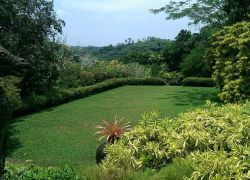
Brief Garden, located in Bentota, Sri Lanka, is a picturesque botanical garden that has become one of the most beloved tourist attractions in the country. Designed by renowned Sri Lankan artist and landscape designer Bevis Bawa, the garden is a serene haven for nature lovers and art enthusiasts alike. The lush greenery, tranquil atmosphere, and stunning landscape make it an ideal spot for a peaceful getaway. How to Reach Brief Garden, Bentota, Sri Lanka Brief Garden is situated about 7 kilometers south of Bentota town, making it easily accessible by car, tuk-tuk, or local buses. The closest major city is Colombo, located around 80 kilometers to the north. Visitors traveling from Colombo can take the Southern Expressway and exit at the Bentota exit. From there, a short drive will take you directly to the garden. Weather in Brief Garden, Bentota The weather in Bentota is typically tropical, with warm and humid conditions year-round. The best time to visit Brief Garden is during the dry season, which lasts from December to April. During this time, the weather is pleasant and ideal for exploring the garden. The monsoon season runs from May to September, bringing heavy rainfall and making it less favorable for outdoor activities. Timings for Visiting Brief Garden Brief Garden is open daily for visitors. The usual visiting hours are from 9:00 AM to 5:00 PM. However, it is advisable to check in advance, as opening hours may vary depending on the season or special events. It’s recommended to arrive early in the day to fully enjoy the garden's peaceful ambiance before the crowds arrive. Why Brief Garden is Famous Brief Garden is renowned not only for its breathtaking landscape but also for its connection to Bevis Bawa, the younger brother of the famous architect Geoffrey Bawa. Bevis designed the garden in the 1920s, blending tropical flora with carefully thought-out landscapes that reflect both art and nature. The garden is considered one of the best examples of tropical landscape design in Sri Lanka. The garden is divided into sections that showcase different styles of landscaping, including a formal garden with symmetrical paths, a tropical jungle area, and tranquil water features. Visitors can enjoy the harmony between nature and art as they explore the spaces that Bevis Bawa meticulously designed. Entry and Visit Details for Brief Garden To enter Brief Garden, visitors are required to pay a small entrance fee, which helps with the maintenance of the garden. The entrance fee is approximately LKR 500 to LKR 1000 for foreigners, with local visitors usually paying a reduced fee. Visitors can explore the garden at their own pace, with guides available for an additional fee if desired. The garden is also a great spot for photography, so be sure to bring a camera to capture the lush surroundings and stunning views. History and Architecture of Brief Garden The creation of Brief Garden began in the 1920s when Bevis Bawa, an influential Sri Lankan artist, decided to design a private garden on the property that belonged to his family. The garden’s name, “Brief,” was inspired by the word “brief,” which refers to the fact that Bevis had a brief stay in the garden, as he spent most of his life in Colombo. The architectural design of the garden integrates elements of both European and Sri Lankan styles, with an emphasis on organic shapes, natural materials, and an intimate relationship with the surrounding environment. The garden features a series of open-air rooms, hidden pathways, sculptures, and ponds, all designed to harmonize with the natural surroundings. Bevis’s creative use of local plants, rock formations, and water features make the garden an exceptional example of tropical landscaping. Things to Do at Brief Garden, Bentota Explore the Garden: Walk through the various sections of the garden and admire the diverse plant life and artistic design. Photography: Capture the stunning views of the garden, its lush greenery, and the carefully placed sculptures. Visit the Art Gallery: Bevis Bawa's works of art and photographs are on display at the garden’s art gallery, providing insight into his creative process. Relax and Enjoy Nature: Find a quiet corner to relax and enjoy the sounds of nature, away from the bustling city life. Facts and Tips about Brief Garden, Bentota Best Time to Visit: The dry season (December to April) is the best time to visit for pleasant weather and clear skies. Wear Comfortable Shoes: Since the garden has uneven paths and steps, it's a good idea to wear comfortable walking shoes. Bring Water: Although there are shaded areas, it’s advisable to carry water with you, especially if you're visiting during the hotter months. Guides Available: While the garden can be explored independently, a local guide can provide additional context and insight into its history and design. Conclusion Brief Garden in Bentota is a must-visit for those interested in nature, art, and history. Whether you're a landscape enthusiast or simply seeking a peaceful place to unwind, the garden offers a unique experience that combines the beauty of tropical plants with artistic design. Its serene atmosphere, combined with its historical significance and stunning architecture, makes it one of Sri Lanka's hidden gems.
Explore More
Sembuwatta Lake is a stunning man-made lake nestled in the heart of the Matale District in Sri Lanka’s Central Province. Surrounded by lush greenery and the misty hills of the Knuckles Mountain Range, Sembuwatta Lake is one of Sri Lanka's hidden gems, offering both natural beauty and a peaceful retreat for nature lovers, adventure enthusiasts, and those looking for a tranquil escape from city life. This picturesque lake is known for its serene atmosphere, stunning views, and a wide range of activities that attract both locals and international visitors. How to Reach Sembuwatta Lake, Matale, Sri Lanka Sembuwatta Lake is located around 25 kilometers from Matale town, which is situated in Sri Lanka’s central highlands. The lake can be reached via several transportation options, each offering a unique experience: By Car: If you are traveling from Colombo, the drive to Sembuwatta Lake takes about 3.5 to 4 hours. From Matale, it takes approximately 45 minutes to reach the lake via the A9 highway and the narrow scenic roads leading to the lake. Renting a car or hiring a taxi is a convenient option. By Bus: Buses operate between Matale and Sembuwatta Lake, but public transportation can be less frequent and may involve multiple changes. The journey can take around 1 to 1.5 hours from Matale town. By Tuk-Tuk: A tuk-tuk ride from Matale to Sembuwatta Lake is a popular option. It takes around 45 minutes to an hour and offers a chance to enjoy the scenic drive through villages and tea plantations. Weather at Sembuwatta Lake, Matale The weather around Sembuwatta Lake is temperate and cooler than the lowland areas of Sri Lanka, making it an ideal destination to visit year-round. Here is what to expect: Monsoon Season: The monsoon season in the region typically lasts from May to October. Heavy rainfall is common during this time, so it’s best to bring an umbrella and avoid visiting if you’re not prepared for wet conditions. Best Time to Visit: The best time to visit Sembuwatta Lake is during the dry season, from November to April. The weather is cooler, and the lake is surrounded by lush greenery, offering spectacular views. Timing and Entry Details for Sembuwatta Lake The lake is open for visitors every day, and there are no strict visiting hours. However, it’s recommended to visit during daylight hours to fully appreciate the beauty of the lake and the surrounding landscapes. The entrance to the lake is typically free, though some charges may apply for specific activities, such as boating and using the available facilities like the swimming pool. It’s always a good idea to check with local authorities or tour operators for any updated entry fees or specific timings. Why Sembuwatta Lake is Famous Sembuwatta Lake is famous for several reasons that make it a must-visit destination in Sri Lanka. Here are some of the key features that make the lake stand out: Picturesque Beauty: Surrounded by a lush forest and misty mountains, the lake offers breathtaking views, especially at sunrise and sunset. The clear blue waters of the lake and the surrounding greenery create a peaceful and idyllic atmosphere, making it perfect for relaxation and photography. Man-Made Marvel: Sembuwatta Lake was artificially created by the Ceylon Tea Company for its plantation workers, making it a historical site as well. The lake was initially constructed as part of a tea estate, and its location among the tea plantations adds to its charm. Ideal for Outdoor Activities: Visitors to Sembuwatta Lake can enjoy a variety of outdoor activities such as boating, hiking, and nature walks. The area is also known for its tea plantations, offering a glimpse into Sri Lanka’s rich tea industry. History of Sembuwatta Lake Sembuwatta Lake was created in the early 20th century as part of a project by the Ceylon Tea Company to support the workers on its tea estates. The lake was constructed in the middle of the sprawling plantations, providing both a water source for the workers and a recreational spot. Over time, the area surrounding the lake was developed to accommodate visitors, making it a popular tourist destination. The lake has since become a symbol of Sri Lanka’s tea industry and plantation heritage, attracting visitors who are interested in both nature and the island’s history of tea cultivation. Its beauty and tranquility have also made it a beloved location for locals and tourists alike. Architecture and Features of Sembuwatta Lake While Sembuwatta Lake is not known for grand architectural structures, the surrounding area is rich in natural beauty and plantation-style features. The lake itself is relatively small but very picturesque, with a serene surface reflecting the surrounding tea plantations and hills. The key architectural features of the site include: The Boat Dock: A small boat dock is located on the lake, where visitors can rent boats and enjoy a peaceful boat ride on the water. It’s one of the most popular activities at the lake. Tea Plantations: Sembuwatta Lake is surrounded by lush tea plantations, which add to its charm. Visitors can take a walk through these plantations and learn about the tea production process. The Swimming Pool: There is a small swimming pool near the lake, which is a great spot to relax and enjoy the surrounding views. The pool is particularly popular among families visiting the lake. Things to Do at Sembuwatta Lake Sembuwatta Lake offers a variety of activities for nature lovers, adventurers, and those seeking relaxation. Here are some things to do while visiting: Boating: One of the main activities at Sembuwatta Lake is boating. You can rent a small boat and enjoy a peaceful ride across the lake, taking in the stunning views of the surrounding hills and tea plantations. Explore Tea Plantations: Take a walk through the nearby tea estates and learn about the traditional tea-making process. Sri Lanka is famous for its tea, and the plantations surrounding the lake offer a glimpse into the island’s tea culture. Nature Walks: The area around the lake is perfect for nature walks. Explore the forests and hills around the lake, observe local wildlife, and enjoy the fresh air of the central highlands. Relax and Enjoy the Views: Sometimes, the best activity is simply relaxing by the lake. Bring a book, sit by the shore, and soak in the beauty of the surroundings. Interesting Facts About Sembuwatta Lake Sembuwatta Lake was originally built for the workers of the tea estates, providing a water source and a recreational space. The lake is a favorite among photographers, offering stunning views of the surrounding mountains, tea plantations, and misty landscapes. While the lake is man-made, it has become a major natural attraction, with many visitors coming to admire its beauty and serenity. Tips for Visiting Sembuwatta Lake Wear Comfortable Shoes: The terrain around the lake can be uneven, especially if you plan to take a walk through the tea plantations or explore nearby trails. Comfortable footwear is essential. Bring Water and Snacks: Although there are some local shops nearby, it’s a good idea to bring your own water and snacks, especially if you plan to stay for a few hours. Respect Nature: Keep the lake area clean and respect the natural surroundings. Avoid littering and stay on the designated paths to preserve the beauty of the site. Best Time to Visit: The best time to visit is during the dry season (from November to April) when the weather is cooler and perfect for outdoor activities.
Explore More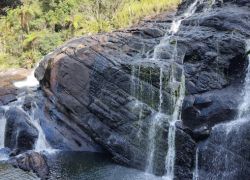
Pahanthudawa Waterfall is one of Sri Lanka’s hidden natural wonders, located in the tranquil region of Matale, Sri Lanka. This serene waterfall, though lesser-known compared to some of the island’s major waterfalls, offers a peaceful escape for nature enthusiasts, adventure seekers, and those looking for a serene place to relax. The waterfall is surrounded by lush greenery, and its crystal-clear waters cascading down from a height make it an enchanting sight. Pahanthudawa Waterfall provides an ideal environment for visitors to immerse themselves in the beauty of Sri Lanka's rich natural landscapes. How to Reach Pahanthudawa Waterfall, Matale, Sri Lanka Reaching Pahanthudawa Waterfall is relatively straightforward, but visitors should be prepared for a bit of a journey through rural roads and some trekking to reach the waterfall itself. Here's how to get there: By Car: From the city of Kandy, the waterfall is around 40 km away, which will take about 1.5 to 2 hours by car. The road from Kandy to Matale is well-paved, and you can use Google Maps or a GPS device for directions. From Matale, you need to take a small rural road to reach the base of the waterfall. A private vehicle or taxi is the most convenient option. By Bus: There are buses running from Kandy to Matale. Once in Matale, you can take a tuk-tuk or a local bus to the waterfall. Public transport can be less frequent, so it's recommended to check bus schedules in advance. By Tuk-Tuk: From Matale, tuk-tuks are the most common and practical mode of transport to reach the base of the waterfall. It’s a short ride from the town and will drop you off at a walking trail leading to the waterfall. Weather at Pahanthudawa Waterfall, Matale The climate in Matale, where Pahanthudawa Waterfall is located, is tropical and varies slightly depending on the altitude. Here’s what you can expect: Monsoon Season: Like many parts of Sri Lanka, Matale experiences a monsoon season, typically from May to October. Rain showers can be heavy during these months, so it’s advisable to bring an umbrella or raincoat if you're visiting during this period. Best Time to Visit: The best time to visit Pahanthudawa Waterfall is during the dry season, from December to April. The weather is pleasant and ideal for hiking and enjoying the outdoors. The waterfall is especially beautiful during the dry season, with clear water and lush green surroundings. Timing and Entry Details for Pahanthudawa Waterfall Pahanthudawa Waterfall is open to visitors every day, and there are no specific timings or restrictions. However, it’s advisable to visit the waterfall during daylight hours to enjoy the full beauty of the surroundings. The waterfall is free to visit, and no formal entry fee is required. While there are no formal visitor facilities, the area is maintained by locals and the occasional trekkers who frequent the site. Why Pahanthudawa Waterfall is Famous Pahanthudawa Waterfall is renowned for its natural beauty and serene environment. Here are some reasons why it is famous: Scenic Beauty: The waterfall is surrounded by lush green forests, tea plantations, and hills, making it an ideal spot for nature photography and enjoying the tranquility of Sri Lanka’s natural environment. The sound of the water cascading down rocks creates a soothing atmosphere, perfect for relaxation. Seclusion and Peace: Unlike some of the more popular waterfalls in Sri Lanka, Pahanthudawa remains relatively undiscovered by mass tourism. This gives it a more peaceful and undisturbed atmosphere, ideal for visitors looking for a quiet retreat. Natural Pool: At the base of the waterfall, there is a natural pool that is safe for visitors to take a dip in. The water is fresh, and the surrounding environment makes it an inviting spot for a quick swim. History of Pahanthudawa Waterfall The history of Pahanthudawa Waterfall is largely tied to the natural environment and the development of the surrounding region. While not much is documented about the specific history of the waterfall itself, it is believed that the area around the waterfall has been known to locals for centuries. The waterfall is a natural wonder, formed as a result of the cascading waters from the surrounding mountains, which have over time carved out the current shape of the waterfall. Over the years, the waterfall has become a symbol of Sri Lanka's rich natural heritage, attracting visitors seeking to explore the country’s less commercialized, tranquil spots. While not as widely known as other waterfalls like Ramboda or Nuwara Eliya, Pahanthudawa’s charm lies in its peacefulness and accessibility. Architecture and Features of Pahanthudawa Waterfall As a natural formation, Pahanthudawa Waterfall does not have traditional architectural features but is rather celebrated for its unspoiled natural beauty. Here are some key features of the site: The Waterfall: The waterfall itself cascades down from a moderate height, with water flowing over rocks and boulders, creating a picturesque scene. The water flows into a natural pool at the base, which is a perfect spot to enjoy the cool waters. The Surrounding Environment: The waterfall is surrounded by a dense forest and tea plantations, which add to the picturesque setting. You’ll also find various trails leading to the waterfall, offering different views and experiences along the way. Natural Pools: At the base of the waterfall, there are natural rock pools that visitors can swim in. The clear water and beautiful surroundings make this a peaceful retreat for a quick dip and relaxation. Things to Do at Pahanthudawa Waterfall Visiting Pahanthudawa Waterfall offers visitors a range of activities to enjoy, from nature walks to swimming. Here are some things to do when you visit: Swimming: The natural pool at the base of the waterfall is perfect for a swim. The cool, refreshing water provides an excellent way to relax and cool off after a short trek to the waterfall. Photography: The stunning views of the waterfall, surrounded by lush greenery, make it a fantastic location for nature photography. Capture the beauty of the cascading water and the natural landscape. Trekking: There are several walking trails around the waterfall, where you can explore the surrounding forests and tea plantations. It’s a great way to enjoy the natural beauty of the area and spot local wildlife. Picnicking: If you are visiting with family or friends, you can bring a picnic and relax near the waterfall. The peaceful surroundings make it a wonderful place for a quiet meal outdoors. Interesting Facts About Pahanthudawa Waterfall Pahanthudawa Waterfall is one of the lesser-known waterfalls in Sri Lanka, which means it’s less crowded and offers a more peaceful experience. The waterfall is located near a tea plantation area, making it an excellent spot for visitors interested in exploring Sri Lanka’s tea industry. The water from the waterfall flows down into a small pool that has become a favorite spot for visitors to cool off during the hot months. Because of its seclusion and natural beauty, the waterfall is a popular spot for photography and nature lovers. Tips for Visiting Pahanthudawa Waterfall Wear Comfortable Footwear: The trek to the waterfall involves some walking on uneven terrain, so wear sturdy, comfortable shoes suitable for walking on trails. Bring Snacks and Water: There are no restaurants or shops near the waterfall, so it’s a good idea to bring some snacks and water for the journey. Respect the Environment: Keep the area clean by not littering. The waterfall is in a natural setting, so it’s important to preserve its beauty. Best Time to Visit: The best time to visit is during the dry season, from December to April, when the weather is ideal for outdoor activities and the waterfall is at its most stunning.
Explore More7 Night - 8 Days Sri Lanka Tour Package
8 Days/ 7 Night
Colombo - Kandy - Nuwara Eliya - Bentota
Sri Lanka - Wonder Of Asia 04 Nights - 05 Days Tour
5 Days/ 4 Night
Kandy - Nuwara Eliya - Bentota
7 Night - 8 Days Trip To Sri Lanka
8 Days/ 7 Night
Colombo - Kandy - Nuwara Eliya - Bentota - Galle
Sri Lanka 7N - 8D Tour
8 Days/ 7 Night
Colombo - Kandy - Nuwara Eliya - Bentota
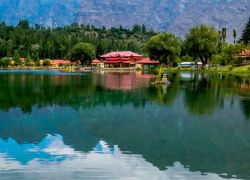
Lower Kachura Lake, located near Skardu in the beautiful region of Gilgit-Baltistan, Pakistan, is one of the most picturesque lakes in the country. Also known as Shangrila Lake, it gained international fame for its dramatic landscape, peaceful surroundings, and the luxurious Shangrila Resort built along its banks. Surrounded by gigantic mountains, lush greenery, and crystal-clear turquoise water, Lower Kachura Lake is a popular tourist destination that attracts thousands of visitors each year. The serene lake sits at an elevation of around 2,500 meters above sea level and offers breathtaking views that resemble a paradise on earth. It is one of the most photographed and most visited destinations in Skardu. History and Background The history of Lower Kachura Lake is deeply connected with the establishment of Shangrila Resort in 1983 by Brigadier Muhammad Aslam Khan, a veteran of the Pakistan Army. The area was earlier inhabited by local communities who depended on agriculture and livestock. Brigadier Aslam envisioned creating a peaceful holiday resort surrounded by nature, and over the years, Shangrila transformed into one of the top tourism landmarks of Gilgit-Baltistan. The resort was named “Shangrila” after the mythical paradise described in the famous novel Lost Horizon by James Hilton. The idea was to bring to life the same magical beauty described in the story, and the surroundings of the lake truly live up to that image. Today, Lower Kachura Lake remains a major attraction for both domestic and international travelers and is considered one of the signature symbols of tourism in northern Pakistan. Architecture and Surroundings In terms of architecture, Lower Kachura Lake is most famous for Shangrila Resort’s unique design. The resort buildings are made with traditional wood and stone, blending perfectly with the natural environment. One of the most iconic features is the airplane restaurant, built using the remains of an old aircraft that crashed nearby. This innovative structure has become a symbolic landmark of the lake and draws tourists for photography and dining. The resort also features beautifully landscaped gardens, pathways, and cottages that complement the scenic beauty of the lake. The surrounding mountains and forests add a dramatic backdrop, making this location a perfect blend of natural beauty and cultural aesthetics. How to Reach Lower Kachura Lake Lower Kachura Lake is located approximately 20 kilometers from Skardu city, making it easily accessible for travelers. Visitors first need to reach Skardu, and then continue towards the lake. By Air: The fastest and easiest way is to fly from Islamabad to Skardu Airport. Direct flights take about one hour. However, flights are dependent on weather conditions due to the mountainous surroundings. From the airport, visitors can hire taxis, local transport, or private vehicles to reach the lake. By Road: Road access from Islamabad to Skardu takes around 15 to 18 hours via the legendary Karakoram Highway. The journey is long but scenic, with views of the Indus River, rocky cliffs, and high mountain peaks. From Skardu city, the road to Kachura is smooth and well-connected. Most visitors reach the lake by car, local jeep, or rental transport. A short walk may be required to reach the lakeside after arriving at the parking area. Weather at Lower Kachura Lake Lower Kachura Lake experiences a cool mountain climate. Summers are pleasant, with temperatures ranging from 15°C to 25°C, making it the peak tourist season. In spring, the surrounding gardens bloom with colorful flowers, creating a mesmerizing environment. Autumn transforms the landscape into striking shades of red, gold, and orange. Winters are extremely cold, and temperatures can fall below freezing. Snowfall is common, and the lake surroundings may become icy and difficult to access. Each season offers a unique experience, but most tourists prefer visiting between April and October for favorable weather. Timings Lower Kachura Lake is open throughout the year, and there are no strict opening or closing times. However, Shangrila Resort, which provides access to much of the lakeside area, generally welcomes visitors during daylight hours, usually from 9:00 AM to 6:00 PM. These timings may vary slightly based on season and visitor load. Evening visits are also common for resort guests who stay overnight. Entry and Visit Details Lower Kachura Lake is accessible to the public, but visitors who want to enter Shangrila Resort grounds may need to pay an entry fee. The charges vary for domestic and international tourists. Facilities available include restaurants, parking, gardens, boat rentals, and cottage accommodations. Many tourists choose to stay at hotels in Skardu city and visit the lake as a day trip, while others prefer staying inside the resort for a more peaceful experience. Basic services are available nearby, but it is recommended to carry essentials if traveling in winter or early spring. Why Famous Lower Kachura Lake is famous for its outstanding natural beauty and peaceful setting. Some of the main highlights include: Beautiful turquoise lake surrounded by high mountains Shangrila Resort and its iconic airplane restaurant Perfect location for relaxation, photography, and nature appreciation Peaceful environment away from traffic and city noise One of the first and most popular luxury resorts in Gilgit-Baltistan Things to Do at Lower Kachura Lake Visitors can enjoy many activities at and around the lake, including: Boating: Calm waters offer the perfect opportunity for relaxing paddle or rowing boat rides. Photography: The lake and resort provide numerous photogenic angles ideal for landscape and travel photography. Nature Walks: Scenic trails around the lake allow peaceful walks among gardens, trees, and mountain views. Dining: Enjoy meals at the famous airplane restaurant or lakeside cafes within the resort. Staying Overnight: Many travelers choose to spend the night at Shangrila Resort for a complete experience. Visiting Upper Kachura Lake: Located just a short distance away and often visited in the same trip. Facts About Lower Kachura Lake The lake is located at an elevation of around 2,500 meters above sea level. It is also known as Shangrila Lake, named after the mythical Himalayan paradise. The famous airplane restaurant is built from the remains of a crashed aircraft. The lake is surrounded by fruit orchards, including apples, cherries, apricots, and peaches. It is one of the most visited tourist spots in Skardu. Lower Kachura Lake and Upper Kachura Lake are located close to each other and are often explored on the same day. Tips for Visiting Lower Kachura Lake The best time to visit is from April to October for pleasant weather and clear views. Wear comfortable shoes, as some walking paths may be uneven. Carry warm clothing, even in summer, due to chilly evenings. Book resort rooms in advance during peak tourist seasons. Respect the natural environment and avoid littering. Photography enthusiasts should visit early morning or sunset for the best lighting. If visiting in winter, check road and weather conditions beforehand. Lower Kachura Lake, with its magical scenery, peaceful resort atmosphere, and natural beauty, remains one of the most memorable places to visit in Skardu. Whether for a family vacation, a romantic escape, or an adventure tour, a visit to this enchanting lake provides unforgettable memories of northern Pakistan’s majestic landscapes.
Explore More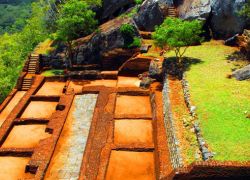
The Royal Gardens of Sigiriya, located in the ancient city of Sigiriya in central Sri Lanka, are among the most impressive and well-preserved examples of ancient landscape architecture in the world. These gardens, which surround the famous Sigiriya Rock Fortress, were created in the 5th century AD during the reign of King Kashyapa. The gardens are a testament to the genius of ancient Sri Lankan architects and engineers, showcasing an advanced understanding of water management, garden design, and aesthetic beauty. The Royal Gardens are considered an integral part of the Sigiriya complex, which is a UNESCO World Heritage Site. The gardens are divided into several sections, each with its own unique features, and they provide insight into the cultural and royal life of ancient Sri Lanka. Visitors to Sigiriya can experience not only the grandeur of the rock fortress but also the magnificence of the gardens that were once a central feature of royal life. History of The Royal Gardens of Sigiriya The history of the Royal Gardens of Sigiriya dates back to the 5th century AD when King Kashyapa decided to move the capital from Anuradhapura to Sigiriya. The King, who sought to create a symbol of his power and grandeur, commissioned the construction of the Sigiriya Rock Fortress and the surrounding gardens. The gardens were designed to reflect the splendor and beauty of the royal palace, and they were intended to provide both aesthetic pleasure and practical benefits, such as water management and agricultural production. Sigiriya was not only a royal residence but also a strategic military stronghold. The gardens were laid out in a series of terraces, with water features such as ponds, pools, and fountains. The gardens served as both pleasure grounds for the royal family and a place of spiritual significance, as they were meticulously planned to integrate with the natural surroundings and enhance the beauty of the Sigiriya Rock. Architecture of The Royal Gardens of Sigiriya The Royal Gardens are a masterpiece of ancient Sri Lankan architecture and engineering. The layout of the gardens is divided into three main sections: the Lower Gardens, the Water Gardens, and the Upper Gardens. Each of these sections showcases different aspects of garden design, from geometric symmetry to naturalistic elements. The Lower Gardens: The Lower Gardens are the first area visitors encounter as they approach Sigiriya Rock. These gardens are characterized by symmetrical layouts, carefully designed walkways, and water features such as ponds and fountains. The lower gardens were once used for royal leisure and ceremonial purposes, offering visitors a peaceful environment to relax and enjoy the surroundings. The Water Gardens: The Water Gardens are one of the most impressive features of Sigiriya. The gardens are built around a series of interconnected ponds and fountains, with intricate stone channels that carry water throughout the site. The Water Gardens are notable for their sophisticated water management system, which was likely powered by a combination of rainfall, natural springs, and human-engineered systems. The use of water in the gardens symbolizes life and fertility and adds a tranquil atmosphere to the site. The Upper Gardens: The Upper Gardens are situated closer to the base of Sigiriya Rock and were once used for private royal ceremonies and events. These gardens are characterized by more naturalistic designs, with flower beds, trees, and shaded pathways offering a peaceful retreat for the royal family. Why The Royal Gardens of Sigiriya are Famous? The Royal Gardens of Sigiriya are famous for their combination of beauty, historical significance, and advanced engineering. These gardens are renowned for their innovative use of water, stunning landscaping, and detailed architectural design. They are a symbol of ancient Sri Lanka’s ability to harmonize human creations with nature. Some of the key reasons the gardens are famous include: Advanced Water Management: The complex water features, including ponds, fountains, and channels, demonstrate an advanced understanding of hydraulic engineering. Historical Significance: The gardens are closely tied to the history of King Kashyapa and the rise and fall of the Sigiriya Rock Fortress. Beauty and Design: The symmetrical layouts, lush greenery, and artistic elements make the gardens one of the finest examples of ancient landscape architecture. UNESCO World Heritage Site: Sigiriya, including the Royal Gardens, has been designated a UNESCO World Heritage Site for its cultural, historical, and architectural importance. How to Reach The Royal Gardens of Sigiriya The Royal Gardens are located near the Sigiriya Rock Fortress, and the easiest way to reach them is by traveling to Sigiriya Town, which is well-connected by road to other major cities in Sri Lanka. The site is easily accessible by car, bus, or taxi from nearby towns like Dambulla and Kandy. By Air: The nearest international airport is Bandaranaike International Airport in Colombo, located approximately 150 kilometers from Sigiriya. From the airport, you can hire a taxi or rent a car for the 3-4 hour drive to Sigiriya. By Road: Sigiriya can be reached by bus or private vehicle from other major cities in Sri Lanka. The most common routes are from Dambulla (30 minutes by car), Kandy (2 hours), and Colombo (3-4 hours). By Train: The nearest railway station is in Habarana, about 15 kilometers from Sigiriya. From the station, visitors can take a taxi or local bus to the Royal Gardens and Sigiriya Rock. Weather at The Royal Gardens of Sigiriya Sigiriya experiences a tropical climate, with warm temperatures year-round. The best time to visit the Royal Gardens is during the dry season, which lasts from December to April. During this period, the weather is generally sunny and pleasant, ideal for sightseeing and exploring the gardens. Temperature Range: 26°C to 32°C (79°F to 89°F). It’s recommended to visit early in the morning or late in the afternoon to avoid the midday heat. Timing of The Royal Gardens of Sigiriya The Royal Gardens are open every day for visitors, and the general visiting hours are: Opening Time: 7:00 AM Closing Time: 5:30 PM Last entry is allowed at around 4:30 PM, so it’s best to arrive early in the day for a full exploration of the gardens and the nearby Sigiriya Rock Fortress. Entry and Visit Details Entry to the Royal Gardens of Sigiriya is included in the ticket for Sigiriya Rock Fortress. Visitors can purchase their tickets at the entrance of the Sigiriya complex, and the entry fee allows access to the gardens, the rock fortress, and other nearby attractions. The ticket provides a comprehensive experience of the site, including both the historical and natural elements. It takes about 1-2 hours to explore the Royal Gardens at a relaxed pace, and visitors can also combine their visit with the Sigiriya Rock climb, which offers sweeping views of the surrounding area. Things to Do at The Royal Gardens of Sigiriya Explore the Water Gardens: Take a leisurely stroll around the ponds and fountains, admiring the complex water features that demonstrate ancient engineering ingenuity. Visit the Upper Gardens: Enjoy the serene environment of the Upper Gardens, which offer stunning views of Sigiriya Rock and its surroundings. Photography: The Royal Gardens provide ample opportunities for photography, especially with the lush greenery and picturesque water features. Learn About the History: Take the time to read the historical inscriptions and signs throughout the gardens to learn more about King Kashyapa’s reign and the architectural history of Sigiriya. Facts About The Royal Gardens of Sigiriya The Royal Gardens were designed with an advanced water management system that still functions today. The gardens are one of the most complete examples of ancient landscape design in Sri Lanka. Sigiriya is often referred to as the “Eighth Wonder of the World” due to its impressive combination of natural and man-made features. The gardens include both symmetrical designs and more naturalistic features, creating a harmonious balance between geometry and nature. Travel Tips for Visiting The Royal Gardens of Sigiriya Start your visit early to avoid the midday heat and enjoy the peaceful atmosphere. Wear comfortable shoes, as you will be walking on uneven paths and climbing some stairs. Bring water, sunscreen, and a hat to protect yourself from the sun. Consider hiring a guide to learn more about the history and significance of the gardens. Respect the historical site—avoid climbing on the ruins or touching the ancient structures. The Royal Gardens of Sigiriya are a must-visit destination for anyone traveling to Sri Lanka. With their beauty, historical significance, and fascinating architecture, they provide a glimpse into the grandeur of ancient Sri Lankan royalty and the sophisticated design of the country’s heritage sites.
Explore More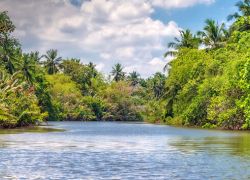
The Maha Oya River is a serene and picturesque watercourse that flows through the lush landscapes of Sri Lanka, providing both natural beauty and a vital water source for the region. Originating from the central highlands, the river travels through the village of Pinnawala and is well known for its role in the local ecosystem as well as its scenic surroundings. The river is particularly popular among nature lovers, photographers, and tourists looking to explore the less commercialized side of Sri Lanka. It also offers opportunities for various recreational activities, such as river bathing and photography. History of Maha Oya River The Maha Oya River is historically significant in Sri Lanka for its importance to the agricultural and ecological life of the surrounding regions. Flowing through the central province, the river has long been a vital resource for the local communities, providing water for farming, fishing, and daily life. The river's route is closely tied to the local villages, including Pinnawala, where it is an important feature of the landscape. In addition to its importance to local livelihoods, the Maha Oya River also plays a crucial role in the ecosystem of the area. It supports a wide variety of flora and fauna, with the riverbanks providing habitats for birds, fish, and other wildlife. The river is also a key water source for the Pinnawala Elephant Orphanage, where the elephants enjoy daily baths in its waters. Why Maha Oya River is Famous? The Maha Oya River is famous primarily for its natural beauty and its connection to the Pinnawala Elephant Orphanage. Here are a few reasons why it stands out: Elephant Bathing Spot: The Maha Oya River is most famous for being the river where the elephants from the Pinnawala Elephant Orphanage take their daily baths. Visitors to Pinnawala can witness these magnificent creatures bathing and playing in the river, creating one of Sri Lanka’s most iconic wildlife experiences. Scenic Beauty: The river flows through lush forests, terraced fields, and rural landscapes, making it an excellent location for photography and nature walks. The surrounding environment is tranquil and unspoiled, providing visitors with an opportunity to experience the natural beauty of Sri Lanka. Eco-tourism: The river is a prime example of eco-tourism, where visitors can enjoy the beauty of the natural environment while contributing to local conservation efforts. Fishing and River Activities: The river also offers opportunities for recreational activities like fishing, swimming, and river baths. These activities make the Maha Oya a popular spot for those looking to connect with nature. How to Reach Maha Oya River The Maha Oya River is located near Pinnawala, a small village in the Sabaragamuwa province of Sri Lanka. It is easily accessible from major towns and cities, making it a convenient destination for travelers. Here’s how you can reach the river: By Air: The nearest international airport is Bandaranaike International Airport in Colombo, approximately 90 kilometers (56 miles) from Pinnawala. From the airport, you can take a taxi or hire a private vehicle to reach the river in about two hours. By Road: Pinnawala is well-connected by road to other major cities, including Colombo, Kandy, and Negombo. You can hire a private vehicle, take a taxi, or use public transportation such as buses to get to the river. The drive from Kandy to Pinnawala is about 30 kilometers (18 miles), and from Colombo to Pinnawala, it’s around 90 kilometers (56 miles). By Train: The nearest railway station is in Kandy, which is about 30 kilometers (18 miles) away. From Kandy, you can hire a taxi or take a bus to reach Pinnawala and the river. Weather at Maha Oya River The weather around the Maha Oya River, like much of Sri Lanka, is tropical, with distinct wet and dry seasons. The region experiences warm temperatures year-round, with average temperatures ranging from 25°C to 30°C (77°F to 86°F). The best time to visit is during the dry season from December to April when the weather is sunny and pleasant, perfect for outdoor activities like river baths and photography. During the monsoon season (May to October), the area experiences frequent rainfall, which can make some river activities challenging. However, the lush greenery during this time is ideal for nature lovers and photographers looking for vibrant landscapes. Timing of Maha Oya River The river is accessible at all times, and there is no set visiting time for the river itself. However, the Pinnawala Elephant Orphanage, which is located nearby, has specific visiting hours for the elephant bathing sessions, which are some of the main attractions associated with the river. These bathing sessions occur twice a day: Morning Bathing Session: 10:00 AM Afternoon Bathing Session: 2:00 PM Visitors can plan their visit around these times to witness the elephants bathing in the river. It’s recommended to arrive early to secure a good spot for viewing the elephants, as the area can get crowded, especially during peak tourist seasons. Entry and Visit Details Entry to the Maha Oya River itself is free, as it is a natural watercourse, but most visitors come to the area for the Pinnawala Elephant Orphanage, which charges an entry fee. The entry fee to the orphanage includes access to the riverbanks where you can watch the elephants bathe. If you're planning to visit the Pinnawala Elephant Orphanage, the general entry fees are as follows (subject to change): International Visitors: $15–20 USD Local Visitors: 100–200 Sri Lankan Rupees The orphanage is open every day, from 8:30 AM to 6:00 PM, with the elephants bathing twice daily at 10:00 AM and 2:00 PM. It is recommended to spend at least 2 to 3 hours exploring the orphanage, watching the elephants, and enjoying the nearby river. Things to Do at Maha Oya River Watch Elephant Bathing: One of the main attractions of the Maha Oya River is watching the elephants take their daily baths in the river. This is a great opportunity to observe the elephants in a natural setting and capture some amazing photographs. Photography and Nature Walks: The area around the river is lush with tropical plants and trees, making it perfect for nature walks and photography. Whether you’re interested in capturing wildlife or scenic landscapes, the river and its surroundings provide a peaceful and photogenic setting. Swimming and River Bathing: If you're comfortable with it, you can enjoy swimming or bathing in the river during certain times. However, it's important to be cautious and follow safety guidelines. Explore the Surrounding Area: The village of Pinnawala is rich in natural beauty, and visitors can explore the surrounding rice fields, forests, and other scenic areas nearby. Facts About Maha Oya River The Maha Oya River is located in the central part of Sri Lanka and flows through the village of Pinnawala. The river is famous for its role in the daily bathing ritual of the elephants from the Pinnawala Elephant Orphanage. It is an essential water source for the local ecosystem, supporting a variety of flora and fauna along its banks. The river is also popular among tourists for its scenic beauty and peaceful surroundings. Travel Tips for Visiting Maha Oya River Plan to visit during the dry season (December to April) for the best weather and river activities. Arrive early to catch the elephant bathing sessions, which are a major highlight of the visit. Bring sunscreen, a hat, and water, as the area can get hot, especially during midday. Wear comfortable shoes for walking and exploring the surrounding natural areas. Respect the local wildlife and follow the instructions given by the orphanage staff when interacting with the elephants. Visiting the Maha Oya River in Pinnawala is an experience that combines nature, wildlife, and local culture. Whether you’re an animal lover, nature enthusiast, or photography aficionado, the river and the nearby Pinnawala Elephant Orphanage offer an unforgettable experience that highlights the beauty of Sri Lanka’s natural and cultural heritage.
Explore More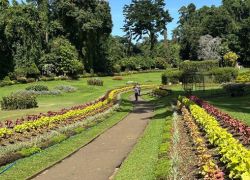
The Royal Botanical Gardens of Pinnawala, located in the heart of Sri Lanka’s Central Province, is a magnificent and serene garden that showcases the island's rich biodiversity and stunning landscape. Known for its lush greenery, diverse plant species, and historical significance, the Royal Botanical Gardens attract visitors from around the world, making it a popular destination for nature lovers, botanical enthusiasts, and tourists seeking peace and tranquility. The gardens, covering over 147 acres, are home to a vast collection of tropical plants, trees, and flowers, as well as a haven for birdwatching and relaxation. History of the Royal Botanical Gardens The Royal Botanical Gardens, located in the town of Pinnawala, have a long and storied history dating back to the 19th century. The gardens were initially established during the British colonial period, specifically in 1821, by the British Governor of Sri Lanka, Sir Henry Ward. Initially created as a botanical garden for the cultivation of coffee, tea, and rubber plants, the gardens were later expanded and transformed into a space that showcased a variety of plant species. Today, the Royal Botanical Gardens are one of the oldest and largest botanical gardens in Sri Lanka. Throughout the years, the gardens have been meticulously maintained and developed, making them a prime example of colonial-era landscaping and horticultural planning. They have also played an important role in research and conservation of native plant species, as well as a center for education in the fields of botany and horticulture. Why Royal Botanical Gardens is Famous? The Royal Botanical Gardens in Pinnawala are famous for their stunning variety of plants and trees, along with their historical significance and serene beauty. Here are some key reasons why the gardens are so well-loved: Vast Plant Collection: The gardens boast over 4,000 species of plants, including orchids, palms, medicinal plants, and tropical trees. It’s a botanical paradise for plant enthusiasts. Historical Significance: As one of the oldest botanical gardens in Sri Lanka, the Royal Botanical Gardens hold an important place in the country's colonial history and botanical development. Scenic Beauty: The gardens are beautifully landscaped with wide open spaces, manicured lawns, and towering trees, making them perfect for leisurely walks, picnics, or simply enjoying the natural surroundings. Orchid House: One of the main highlights of the gardens is the Orchid House, where over 100 varieties of orchids are displayed, making it a must-see for visitors. Birdwatching: The gardens are home to a wide variety of birds, including migratory species, making it a great spot for birdwatching. Research and Conservation: The gardens are not only a tourist destination but also an important center for the conservation of Sri Lanka’s native plant species and research in horticulture. How to Reach the Royal Botanical Gardens The Royal Botanical Gardens are located in Peradeniya, near the town of Pinnawala, and are easily accessible from various parts of Sri Lanka. By Air: The nearest international airport is Bandaranaike International Airport in Colombo, approximately 100 kilometers (62 miles) from the Royal Botanical Gardens. From the airport, visitors can hire a taxi or use a private vehicle to reach the gardens in about 3 hours. By Road: The gardens are well-connected by road to major cities like Colombo, Kandy, and Pinnawala. From Kandy, the journey to the gardens takes around 20 minutes by car, while from Pinnawala, it takes about an hour to reach the gardens by taxi or bus. By Train: The nearest railway station is in Kandy, about 5 kilometers (3 miles) away from the gardens. From the Kandy station, visitors can take a tuk-tuk or taxi to reach the gardens. The scenic train ride to Kandy from Colombo is a popular experience for tourists. Weather at the Royal Botanical Gardens The Royal Botanical Gardens, located in the central highlands of Sri Lanka, enjoy a moderate tropical climate with temperatures ranging from 15°C to 30°C (59°F to 86°F). The climate is typically cooler than in the lowland areas, making it a pleasant destination throughout the year. Best Time to Visit: The best time to visit is during the dry season, from December to April, when the weather is sunny and clear, perfect for exploring the gardens. The monsoon season, from May to November, brings occasional rainfall, so visitors should be prepared for wet weather during this period. Timing of the Royal Botanical Gardens The Royal Botanical Gardens are open every day of the year. The general visiting hours are: Opening Time: 7:30 AM Closing Time: 5:30 PM These hours provide ample time to explore the gardens, participate in guided tours, or simply enjoy the peaceful atmosphere. The best time to visit is early in the morning or late in the afternoon to avoid the midday heat and crowds. Entry and Visit Details Entry to the Royal Botanical Gardens is ticketed, with different rates for locals and international visitors. Tickets can be purchased at the entrance gate, and the fee grants access to the entire garden, including the Orchid House and other notable features of the park. Entry Fees: • International Visitors: $10 USD • Sri Lankan Locals: 50–200 Sri Lankan Rupees Visitors are encouraged to wear comfortable walking shoes and carry sun protection, such as a hat and sunscreen, as the gardens are extensive and involve a fair amount of walking. Things to Do at the Royal Botanical Gardens Explore the Orchid House: One of the highlights of the garden, featuring over 100 varieties of orchids. It’s a must-see for visitors, especially those with an interest in flowers and horticulture. Walk through the Palm Avenue: This picturesque avenue lined with tall palms is one of the most iconic spots in the gardens and provides great photo opportunities. Visit the Giant Javan Fig Tree: The enormous tree is over a century old and provides a stunning view of nature’s grandeur. Birdwatching: The gardens are home to over 100 species of birds, making it a great spot for bird enthusiasts. Take a Leisurely Walk: Wander through the extensive grounds and enjoy the peaceful atmosphere, lush greenery, and cool climate. Relax by the Lake: The beautiful man-made lake within the gardens offers a calm, serene environment for relaxation and leisurely strolls. Facts About the Royal Botanical Gardens The gardens cover an area of 147 acres and feature over 4,000 species of plants, including orchids, palms, medicinal plants, and tropical trees. The Orchid House is one of the main attractions, with over 100 varieties of orchids on display. The Royal Botanical Gardens were initially established as a plantation for coffee and rubber but have evolved into a center for botanical research and conservation. The gardens are also home to various species of birds, making it an excellent destination for birdwatching. The gardens are open to the public every day from 7:30 AM to 5:30 PM. Travel Tips for Visiting the Royal Botanical Gardens Wear comfortable shoes and bring water, as the gardens cover a large area and walking is involved. Bring sun protection (hat, sunscreen, sunglasses) as the tropical climate can get warm, especially during midday. If you’re a nature lover or photographer, bring a camera to capture the beauty of the gardens and their plant species. Take a guided tour to learn more about the plants, history, and significance of the garden. Visit early in the morning or late in the afternoon to avoid peak crowds and enjoy a quieter experience. The Royal Botanical Gardens in Pinnawala offer a perfect escape into nature, where visitors can enjoy stunning plant life, historical significance, and serene surroundings. Whether you’re a plant enthusiast, birdwatcher, or simply someone seeking tranquility, the gardens provide an ideal destination for relaxation and exploration.
Explore More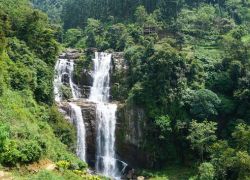
Ramboda Falls is one of Sri Lanka's most beautiful and scenic waterfalls, located in the heart of the island’s central highlands near the town of Pinnawala. Situated at an altitude of 2,000 feet above sea level, this stunning waterfall is known for its impressive 109-meter height, making it the 11th tallest waterfall in Sri Lanka. It is a popular destination for nature lovers, photographers, and travelers looking to experience the serenity of the island's natural beauty. The falls are surrounded by lush greenery, tea plantations, and misty hills, adding to the peaceful atmosphere of the area. History of Ramboda Falls The history of Ramboda Falls is intertwined with the rich natural history of Sri Lanka's central region. The falls are part of the Puna Oya River, which is a tributary of the larger Mahaweli River, the longest river in Sri Lanka. The waterfall is located in the town of Ramboda, which is renowned for its picturesque scenery and tea plantations. While the waterfall itself is not associated with a specific historical event, its natural beauty and location make it an important landmark in Sri Lanka's highland region. Ramboda Falls is also close to other significant attractions in the area, such as the famous tea factories and the Pidurutalagala Mountain, the highest point in Sri Lanka. The falls have become a popular stop for travelers exploring the central highlands and are an essential part of Sri Lanka's eco-tourism and natural heritage. Why Ramboda Falls is Famous? Ramboda Falls is famous for its breathtaking beauty and its position in one of Sri Lanka's most scenic areas. The waterfall is a popular tourist destination, and here are a few reasons why: Impressive Height: At 109 meters, Ramboda Falls is one of the tallest waterfalls in Sri Lanka. Its vertical drop makes it an impressive sight to behold. Stunning Surroundings: The falls are surrounded by lush forests, tea plantations, and mist-covered mountains, offering a serene and picturesque environment for visitors. Accessibility: The falls are easily accessible by road, making it a convenient stop for travelers exploring Sri Lanka's central highlands. Photo Opportunities: Ramboda Falls offers ample opportunities for photography, especially with its cascading waters and scenic backdrop. Tea Plantations: The area around the falls is dotted with tea plantations, giving visitors the chance to experience Sri Lanka's world-renowned tea culture. How to Reach Ramboda Falls Ramboda Falls is located about 30 kilometers from the town of Kandy, Sri Lanka’s cultural capital, and is easily accessible by road. The waterfall is situated along the A5 highway, which connects Kandy with Nuwara Eliya, a popular hill station in the central highlands. By Air: The nearest international airport is Bandaranaike International Airport in Colombo, approximately 100 kilometers away. From the airport, visitors can take a taxi or a private vehicle to reach Ramboda Falls in around 3–4 hours. By Road: From Kandy, travelers can hire a taxi or take a local bus to Ramboda Falls. The journey takes about 1.5 to 2 hours, depending on traffic and road conditions. From Nuwara Eliya, it’s a 1-hour drive to the falls. By Train: The nearest train station is in Nuwara Eliya, which is a popular base for tourists exploring the hill country. From Nuwara Eliya, a short taxi ride or tuk-tuk will take you to the waterfall. Weather at Ramboda Falls The weather at Ramboda Falls is typically cool and temperate, as the falls are located in the central highlands at an altitude of 2,000 feet above sea level. The temperature ranges from 15°C to 25°C throughout the year, making it an ideal destination for those seeking a break from the heat of Sri Lanka's lowlands. Best Time to Visit: The best time to visit Ramboda Falls is during the dry season, which runs from December to April. During this period, the weather is pleasant, and the waterfall is at its fullest and most impressive. The monsoon season (May to October) can bring heavy rainfall, so visitors should be prepared for potential wet conditions during this time. Timing of Ramboda Falls Ramboda Falls is a natural attraction, and as such, it is open to visitors at all times. However, the best time to visit is during daylight hours when the views are clear and the weather is pleasant. The waterfall is visible from the roadside, and visitors can stop to enjoy the views or take a walk to get a closer look at the cascading water. Best Visiting Hours: 8:00 AM to 5:00 PM During these hours, you’ll be able to enjoy the falls and its surroundings in the best possible light. Early mornings or late afternoons are particularly favorable for photography, as the sun creates beautiful lighting conditions over the waterfall. Entry and Visit Details Entry to Ramboda Falls is free, making it an affordable destination for travelers. However, visitors may be required to pay a small fee for parking or for services such as guided tours or photography permits. The waterfall is easily visible from the main road, and there is a small viewing area where visitors can stop and take photographs. For those who wish to get a closer view, there is a short walk that leads to the base of the waterfall. The walk is scenic and offers beautiful views of the surrounding landscape, including the nearby tea plantations and hills. Facilities: The site has limited amenities, so visitors are advised to bring their own food and drinks. There are a few small shops nearby where you can buy snacks and refreshments. Things to Do at Ramboda Falls Photography: The waterfall offers stunning photo opportunities from the roadside, and visitors can capture the cascading water against the backdrop of lush green hills and mist. Nature Walks: A short walk to the base of the falls allows visitors to experience the natural surroundings up close, including the verdant forests and tea plantations. Visit Tea Plantations: The area around Ramboda Falls is dotted with tea plantations. Visitors can take a tour of the nearby tea estates to learn about the tea-making process and sample some of the world-famous Sri Lankan tea. Picnicking: The tranquil surroundings make Ramboda Falls a great spot for a picnic. Pack a meal and enjoy the serenity of the area. Relax and Enjoy the View: Ramboda Falls is the perfect place to relax and enjoy the natural beauty of Sri Lanka’s hill country. The cool climate and peaceful atmosphere offer a calming experience. Facts About Ramboda Falls Ramboda Falls is 109 meters tall, making it one of the highest waterfalls in Sri Lanka. The waterfall is part of the Puna Oya River, which is a tributary of the Mahaweli River. Ramboda Falls is located near the famous Ramboda Pass, which connects Nuwara Eliya with Kandy. The waterfall is easily accessible from the main road, making it a popular stop for travelers on their way to Nuwara Eliya or Kandy. Ramboda Falls is situated in a region known for its tea plantations, which adds to the natural beauty of the area. Travel Tips for Visiting Ramboda Falls Wear comfortable shoes, as you may need to walk along uneven paths to get closer to the falls. Bring a camera to capture the stunning scenery around the waterfall. During the rainy season, be prepared for slippery conditions, especially near the waterfall’s base. Carry your own food and water, as there are limited facilities near the falls. Respect the environment and keep the area clean by disposing of trash responsibly. Ramboda Falls in Pinnawala is a beautiful natural attraction that offers a peaceful escape from the bustle of Sri Lanka’s cities. With its stunning height, lush surroundings, and serene atmosphere, it is a must-visit destination for nature lovers and anyone seeking to experience the island's breathtaking natural beauty.
Explore More
Victoria Park, located in the charming town of Pinnawala, Sri Lanka, is one of the country's most beautiful and well-maintained parks. Nestled amidst the picturesque hill country, the park offers a tranquil retreat for nature lovers, families, and tourists seeking a peaceful escape from the hustle and bustle. Known for its lush greenery, vibrant flower beds, and well-kept walking paths, Victoria Park is a place of natural beauty and a testament to Sri Lanka's dedication to preserving its natural landscapes. It is also home to various species of birds and wildlife, making it a favorite for bird watchers and nature enthusiasts. History of Victoria Park Victoria Park was established in the early 19th century during the British colonial era and was initially created as a botanical garden for the enjoyment of the British settlers and expatriates. The park was named after Queen Victoria, the British monarch at the time. Over the years, the park was expanded and developed into a public space, open for the enjoyment of all. Today, Victoria Park stands as a beautifully landscaped green space, offering visitors a glimpse into Sri Lanka's colonial past while blending seamlessly with the natural beauty of the region. While much of its original colonial-era design has been preserved, the park has been modernized over time to ensure that it remains an attractive destination for both locals and tourists. The park's history is intertwined with the development of Pinnawala itself, which was once an important center for trade and culture in the region. Why Victoria Park is Famous? Victoria Park is famous for several reasons, making it a must-see attraction for anyone visiting Pinnawala: Scenic Beauty: The park's lush greenery, vibrant flower beds, and well-maintained walking paths provide visitors with an opportunity to enjoy the natural beauty of the region. It is a perfect spot for a relaxing stroll or a peaceful afternoon picnic. Bird Watching: Victoria Park is a haven for bird enthusiasts, as it is home to a wide variety of local and migratory birds. The park’s diverse plant life and water features attract numerous bird species, making it a popular spot for bird watching. Historical Significance: The park's colonial-era design and its connection to British history give it cultural and historical significance. Visitors can explore the remnants of colonial landscaping while appreciating the serene atmosphere. Recreational Activities: The park is equipped with benches, walking paths, and shaded areas, making it an ideal place for leisurely walks, photography, and enjoying nature. The park also serves as a community space for locals to gather and relax. How to Reach Victoria Park Victoria Park is located in the heart of Pinnawala, and it is easily accessible from various parts of Sri Lanka. By Road: The park can be reached by car or taxi from nearby towns like Kandy, Colombo, and Dambulla. It is approximately 10 kilometers from the famous Pinnawala Elephant Orphanage, making it an easy detour for visitors exploring the orphanage. The park is well-signposted, and the roads leading to it are well-maintained. By Public Transport: Local buses and tuk-tuks are available to reach the park from nearby towns. The Pinnawala bus station is located close to the park, and visitors can take a short walk to the entrance. By Train: The nearest railway station to Victoria Park is in Kandy, about 25 kilometers away. From Kandy, you can take a bus or a taxi to Pinnawala and then walk to the park. The train journey to Kandy offers scenic views of Sri Lanka's beautiful landscapes. Weather at Victoria Park Victoria Park enjoys a pleasant, mild climate, typical of Sri Lanka’s hill country. The region has a temperate climate, which is cooler than the coastal areas. The average temperature in Pinnawala ranges from 15°C to 25°C (59°F to 77°F), making it comfortable for outdoor activities throughout the year. Best Time to Visit: The best time to visit Victoria Park is during the dry season, from December to April, when the weather is clear and pleasant. During this time, the park is at its most beautiful, with blooming flowers and lush greenery. The monsoon season, from May to November, brings occasional rain, which can make the park more humid and damp, but it also enhances the lushness of the landscape. Timing of Victoria Park Victoria Park is open daily, allowing visitors to enjoy its peaceful surroundings at any time of the day. Opening Hours: 6:00 AM – 6:00 PM It is recommended to visit in the morning or late afternoon when the weather is cooler and the park is less crowded. Early visits offer the opportunity to witness the park’s wildlife at its most active, especially the birds. Entry and Visit Details Entry to Victoria Park is free for all visitors, making it an affordable and accessible destination for everyone. While the park does not charge an entrance fee, donations are welcomed to help with maintenance and conservation efforts. Facilities: The park is equipped with several benches, shaded areas, and walking paths, allowing visitors to relax and enjoy the surroundings. There are no major food outlets inside the park, but you can find small vendors selling snacks and refreshments nearby. Accessibility: The park is wheelchair accessible, with smooth paths and rest areas designed for the comfort of all visitors. It is suitable for families with young children, as the park offers a safe and open space for children to play and explore. Things to Do at Victoria Park Stroll Through the Gardens: Take a leisurely walk along the park’s well-maintained paths, surrounded by lush greenery, tropical plants, and vibrant flowers. The park's gardens offer a perfect escape into nature. Bird Watching: Bring a pair of binoculars and enjoy bird watching. Victoria Park is home to various local and migratory bird species, making it a popular spot for bird enthusiasts. Photography: The park’s beauty makes it an ideal place for photography. Capture stunning photos of the vibrant flowers, towering trees, and the serene landscape surrounding the park. Relax and Enjoy Nature: Victoria Park is an ideal place to relax, meditate, or have a picnic in the peaceful environment. Take a moment to enjoy the calm atmosphere and breathe in the fresh air. Educational Visits: Visitors interested in learning more about the park’s flora and fauna can take an educational tour with a local guide, who can provide insights into the park's history and biodiversity. Facts About Victoria Park The park was established in the early 19th century during the British colonial era. It was named after Queen Victoria, the British monarch at the time. Victoria Park is known for its lush greenery, vibrant flowers, and birdwatching opportunities. The park is home to various species of birds, including both local and migratory species. It is a popular spot for both locals and tourists, offering a peaceful retreat for nature lovers and families. Travel Tips for Visiting Victoria Park Wear comfortable shoes for walking, as the park has many walking paths and trails. Bring a camera to capture the park’s natural beauty, especially the flowers and wildlife. Bring a hat, sunscreen, and water, especially if visiting during the day. If you're visiting during the peak tourist season (December to April), try to arrive early to avoid crowds. Respect the park’s natural environment by not disturbing the wildlife or picking plants. Victoria Park in Pinnawala is a tranquil and scenic destination that offers visitors the chance to relax, enjoy nature, and explore Sri Lanka’s rich biodiversity. Whether you are a nature lover, a birdwatching enthusiast, or simply seeking a peaceful place to unwind, Victoria Park is a perfect spot to spend a few hours in the heart of Sri Lanka's hill country.
Explore More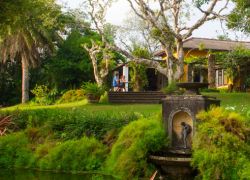
Bawa Gardens, located in the picturesque Kalutara district of Sri Lanka, is an architectural gem that blends nature with creativity. Designed by the renowned Sri Lankan architect Geoffrey Bawa, it is a testament to his genius in integrating gardens with the natural landscape. The garden is not only a place of tranquility but also a living example of Bawa’s vision of outdoor spaces. This serene spot is perfect for nature lovers, architecture enthusiasts, and anyone looking to experience the beauty of Sri Lanka’s coastal region. How to Reach Bawa Gardens, Kalutara Reaching Bawa Gardens is relatively easy, whether you are traveling by public transport or private vehicle. If you are coming from Colombo, the capital city of Sri Lanka, the distance to Kalutara is approximately 40 kilometers, which translates to about a 1-hour drive. By car, you can take the Southern Expressway (E01) and follow signs leading to Kalutara. Alternatively, buses and trains run regularly between Colombo and Kalutara, providing a budget-friendly option for visitors. Weather and Best Time to Visit The weather in Kalutara is tropical, with warm temperatures year-round. The best time to visit Bawa Gardens is during the dry season, which typically lasts from December to March. During this period, the gardens are lush, and the skies are clear, offering the best experience for sightseeing and photography. However, the garden remains open year-round and has a beautiful, serene atmosphere even during the monsoon season. Entry and Visit Details Visitors to Bawa Gardens can enter the premises with a small entry fee. The garden is open daily from 9:00 AM to 5:00 PM, giving visitors ample time to explore its various sections. Guided tours are available for those who want to learn more about the history and design of the garden, though visitors can also choose to wander and discover its beauty at their own pace. Why Famous for Bawa Gardens? Bawa Gardens is famous for being a reflection of Geoffrey Bawa’s unique architectural style, which focuses on integrating buildings with their natural surroundings. The garden features a variety of tropical plants, water features, and sculptures that enhance its beauty. It’s also known for the architectural elements that reflect Bawa’s innovative approach to design, creating a seamless connection between the indoors and outdoors. Another reason for its fame is its proximity to other notable sites in the area, such as the Kalutara Temple and the nearby beaches. Bawa Gardens provides a peaceful retreat from the hustle and bustle of urban life. History and Architecture of Bawa Gardens The Bawa Gardens is a product of Geoffrey Bawa’s architectural vision, created during the 1960s. It was designed as a private estate for his family but later opened to the public as a place for people to appreciate the combination of modern architecture and natural beauty. The architecture is a blend of local Sri Lankan traditions and modernism. The pathways, pavilions, and terraces in the garden are laid out in a way that allows visitors to move from one space to another, each offering a different view of the surrounding nature. Bawa’s use of water elements, such as fountains and ponds, also creates a tranquil atmosphere that enhances the beauty of the gardens. Things to Do at Bawa Gardens There are plenty of things to do at Bawa Gardens. Visitors can: Explore the various garden sections, each with its own unique charm. Take a leisurely walk along the well-maintained paths and enjoy the diverse plant life. Marvel at the architectural features such as pavilions, water bodies, and open-air living spaces. Take photographs of the landscape, including the lush greenery, water features, and distant views of the sea. Learn about the history and design of the gardens through guided tours available on-site. Facts and Tips about Bawa Gardens, Kalutara The garden is often referred to as a “living museum” of Geoffrey Bawa’s architecture. Don’t forget to wear comfortable shoes, as the gardens have many walking paths. It’s a great spot for nature photography, so be sure to bring your camera. While visiting, make sure to respect the garden’s tranquility by keeping noise levels low. If you are traveling with children, there are plenty of open spaces for them to explore and enjoy. Combine your visit to Bawa Gardens with a trip to the nearby Kalutara Temple or one of the nearby beaches. Conclusion Bawa Gardens in Kalutara is a perfect destination for those seeking a peaceful retreat in Sri Lanka. The blend of nature and architecture, along with the tranquil atmosphere, makes it a must-visit for anyone interested in the genius of Geoffrey Bawa and the beauty of Sri Lanka’s coastal landscapes. Whether you’re a history buff, an architecture enthusiast, or simply looking to relax in a beautiful setting, Bawa Gardens offers something for everyone.
Explore More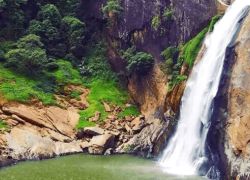
Dunhinda Falls, located near the town of Badulla in Sri Lanka, is one of the most beautiful and iconic waterfalls in the country. This 64-meter-high cascade is known for its breathtaking beauty and the mist that rises from the base of the fall, creating a picturesque "smoke" effect, which is how the falls got their name "Dunhinda," meaning "smoke" in Sinhala. Surrounded by lush greenery and the misty atmosphere, Dunhinda Falls is a popular destination for nature lovers, photographers, and tourists looking to experience Sri Lanka’s natural beauty. How to Reach Dunhinda Falls Located approximately 5 kilometers from Badulla town, Dunhinda Falls is easily accessible by road. To reach the falls, you can hire a tuk-tuk, taxi, or rent a vehicle from Badulla. The journey takes about 15-20 minutes. From the main road, visitors will need to walk for about 1.5 kilometers to reach the falls, passing through a well-maintained trail surrounded by dense forest and scenic views of the surrounding hills. If you're traveling from Colombo, you can take a train to Badulla from the Colombo Fort Railway Station (approximately a 6-8 hour journey), or opt for a bus that takes around 6 hours to reach Badulla. Once in Badulla, local transport options like tuk-tuks or taxis can take you to the falls. Weather and Best Time to Visit Badulla, where Dunhinda Falls is located, enjoys a mild tropical climate. The weather around the falls is typically cool and pleasant due to the elevation, with temperatures ranging from 20°C to 28°C (68°F to 82°F). However, like the rest of Sri Lanka, it experiences two monsoon seasons: the southwest monsoon (from May to September) and the northeast monsoon (from November to February). The best time to visit Dunhinda Falls is during the dry season, which is from March to April and again from September to November. During this time, the weather is most favorable for hiking and photography. The rainy season brings heavier rainfall, which can make the trails slippery and sometimes difficult to access the falls. If you want to capture the falls at their most magnificent, visit during the rainy season, as the falls are more powerful, though be cautious when trekking to the base. Entry and Visit Details There is no formal entry fee to visit Dunhinda Falls, making it an affordable destination for tourists. The falls are accessible year-round, though it is recommended to visit during daylight hours, as the trail can be tricky to navigate in the dark. The walking path to the falls is well-maintained, but the last part of the walk involves some uphill climbing and a few uneven surfaces, so be prepared for a moderate level of physical activity. For visitors planning to explore the area thoroughly, it’s a good idea to bring comfortable footwear, drinking water, and a camera to capture the stunning views. The walk to the falls typically takes about 30 to 40 minutes, depending on your pace and stops along the way to enjoy the scenery. It is also advisable to visit the falls early in the morning or late in the afternoon to avoid the heat and enjoy the quiet atmosphere of the area. Why Famous for Dunhinda Falls? Dunhinda Falls is famous for its sheer natural beauty, with the cascading water creating a stunning visual spectacle. What makes the falls even more unique is the "smoke" effect created by the mist that rises from the base of the waterfall, especially during the early morning hours. The mist, combined with the surrounding greenery, creates a mystical atmosphere, making it a photographer’s paradise. In addition to its beauty, the waterfall is significant because of its cultural and environmental importance. It is a popular site for locals, and the surrounding forest area is home to a variety of wildlife, making it a great spot for nature enthusiasts. The falls also play an essential role in the water system of the region, feeding the surrounding rivers and sustaining local ecosystems. History and Architecture of Dunhinda Falls Unlike historical monuments or man-made structures, Dunhinda Falls is primarily a natural wonder. However, its significance lies in its connection to Sri Lanka’s rich natural heritage. The falls have been a well-known feature of Badulla for centuries, and its name, "Dunhinda," is derived from the Sinhala word for smoke, which refers to the mist that rises from the waterfall’s base. The architecture surrounding the falls is minimal, as the focus is on preserving the natural environment. The path leading to the falls is designed to provide easy access to visitors while ensuring minimal disturbance to the surrounding flora and fauna. The small viewing platforms along the way allow visitors to enjoy various perspectives of the falls, but the emphasis remains on the natural landscape itself. Things to Do at Dunhinda Falls While Dunhinda Falls is primarily known for its breathtaking views and natural beauty, there are several activities that visitors can enjoy during their visit: Hiking: The 1.5 km trail to Dunhinda Falls is an enjoyable and moderate hike through lush forested landscapes. It’s an opportunity to immerse yourself in Sri Lanka's natural surroundings and enjoy the peaceful environment. Photography: With its stunning vistas and dramatic waterfall, Dunhinda Falls is a popular spot for photography. Early mornings and late afternoons provide the best lighting for capturing the mist and the waterfall’s beauty. Nature Walks: The area surrounding Dunhinda Falls is rich in biodiversity, making it a great place for nature walks. Keep an eye out for various species of birds, plants, and wildlife that call this region home. Picnicking: There are several spots along the walking trail where visitors can relax and enjoy a picnic. The fresh air and peaceful surroundings make it an ideal location for a leisurely lunch. Wildlife Spotting: The surrounding forest and streams are home to a variety of wildlife. Look for butterflies, birds, and even small mammals as you explore the area around the falls. Facts and Tips about Dunhinda Falls The falls are 64 meters (210 feet) in height, making it one of the tallest waterfalls in Sri Lanka. Wear comfortable, sturdy shoes, as the walk to the falls can be challenging in certain areas. During the rainy season, the water flow at the falls is stronger, creating a more dramatic effect, but be cautious as the trail can become slippery. Bring your own water and snacks, as there are no shops along the trail to the falls. It’s always a good idea to stay hydrated during the hike. If you are planning to visit during the rainy season, be aware of possible flooding and check the weather conditions beforehand. It’s a good idea to bring a camera with a protective cover as the mist from the falls can sometimes cause moisture to build up on your lens. The falls are less crowded on weekdays, so if you prefer a more peaceful experience, try to visit during the middle of the week. Conclusion Dunhinda Falls is a must-see natural wonder for anyone visiting the Badulla area. Its stunning beauty, serene surroundings, and the misty "smoke" effect make it a perfect spot for nature lovers, photographers, and those seeking a peaceful escape. Whether you are hiking through the lush jungle, enjoying a picnic by the falls, or simply marveling at the power of the cascading water, Dunhinda Falls offers an unforgettable experience. With its accessibility, breathtaking views, and tranquil atmosphere, Dunhinda Falls is undoubtedly one of Sri Lanka's hidden gems that should not be missed.
Explore More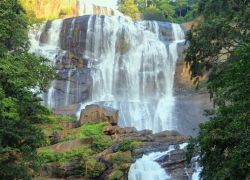
Rathna Ella Falls, located in the picturesque Badulla district of Sri Lanka, is a stunning waterfall known for its beauty and tranquility. This 20-meter-high waterfall is located in the Uva Province, making it an ideal spot for nature lovers, hikers, and those looking to explore Sri Lanka's lush, unspoiled landscapes. Nestled in the heart of the island's hill country, Rathna Ella Falls is one of the lesser-known yet equally captivating falls in Sri Lanka. The waterfall is surrounded by rich greenery and provides a peaceful escape for visitors, offering a unique and serene experience. How to Reach Rathna Ella Falls Rathna Ella Falls is located about 7 kilometers from Badulla town. To reach the falls, visitors can hire a tuk-tuk or a taxi from Badulla, which will take approximately 15 to 20 minutes to reach the base of the waterfall. The road leading to the falls is quite scenic, offering beautiful views of tea plantations, forests, and distant mountains. Once you reach the parking area, there is a short walk of about 1 kilometer through a well-maintained trail, leading you to the waterfall. If you are traveling from Colombo, you can take a train to Badulla, which is a beautiful journey through the hills. The train ride from Colombo takes about 6 to 8 hours, offering a scenic view of the Sri Lankan countryside. Alternatively, buses from Colombo to Badulla take around 7 to 8 hours. Upon arriving at Badulla, you can use local transportation options like tuk-tuks or hire a taxi to get to Rathna Ella Falls. Weather and Best Time to Visit Badulla, where Rathna Ella Falls is located, experiences a tropical climate, with temperatures ranging between 20°C to 28°C (68°F to 82°F). The weather is relatively cooler in the hill country compared to other regions of Sri Lanka, making it an ideal destination for outdoor activities and nature walks. The best time to visit Rathna Ella Falls is during the dry season, which lasts from December to April. During this period, the weather is dry and pleasant, making it perfect for hiking and exploring the waterfall. However, it is also possible to visit during the wet season (May to November), though the trails may be slippery, and the falls can be more powerful. The rainy season adds a dramatic effect to the waterfall, as the water flow increases significantly, but visitors should take caution during this time. Entry and Visit Details Rathna Ella Falls does not have an official entry fee, as it is a natural attraction accessible to the public. The falls are open year-round, but it is advisable to visit during daylight hours for safety reasons, as the trails can be challenging to navigate after dark. The short walk to the falls takes about 15 to 20 minutes, and the path is relatively easy to follow, although it can get muddy during the rainy season. Visitors should wear comfortable footwear suitable for walking on uneven surfaces. The area around the falls is peaceful and serene, providing a great spot for nature lovers to relax and enjoy the surroundings. There are no major commercial establishments near the falls, so it’s a good idea to bring your own snacks and water for the visit. The falls are less crowded compared to other more popular waterfalls in Sri Lanka, making it a peaceful retreat for visitors seeking some quiet time in nature. Why Famous for Rathna Ella Falls? Rathna Ella Falls is famous for its stunning beauty and the peaceful environment that surrounds it. While not as well-known as some of Sri Lanka's larger waterfalls, Rathna Ella Falls is celebrated for its natural charm, tranquil atmosphere, and pristine setting. The fall is surrounded by lush greenery, tea plantations, and a serene river, creating a picturesque scene that attracts photographers, nature enthusiasts, and trekkers alike. The falls are also known for their refreshing, cool waters that flow from the mountain streams. Unlike the more tourist-heavy waterfalls, Rathna Ella Falls remains relatively undisturbed by commercialization, which makes it a perfect spot for those looking to enjoy Sri Lanka's natural beauty without the crowds. History and Architecture of Rathna Ella Falls Rathna Ella Falls, like many of Sri Lanka’s natural landmarks, has been part of the island’s rich heritage for centuries. However, it does not have a specific historical background or architectural significance, as it is a natural waterfall. The falls are primarily known for their serene and peaceful setting, with no major constructions around the site. The surrounding area remains largely untouched, which allows visitors to appreciate the falls in their natural state. The waterfall is situated in a region rich in biodiversity, and the forest around the falls is home to a variety of plant species, birds, and wildlife. While there is no man-made structure or ancient monument at the site, the beauty of Rathna Ella Falls lies in its untouched nature and the peaceful ambiance of the surrounding landscape. Things to Do at Rathna Ella Falls While Rathna Ella Falls is not a commercialized tourist attraction, it offers several activities for nature lovers and outdoor enthusiasts: Hiking: The short but scenic hike to the falls is one of the main attractions. The path takes you through lush greenery and tea plantations, offering a tranquil experience as you make your way to the waterfall. Photography: Rathna Ella Falls is a photographer's paradise. The waterfall, surrounded by nature, provides excellent photo opportunities, especially during the early morning or late afternoon when the lighting is perfect. Nature Walks: Explore the natural surroundings around the waterfall. The area is rich in biodiversity, making it a great spot for birdwatching and enjoying the flora and fauna of the region. Picnicking: The peaceful setting near the falls makes it a wonderful location for a picnic. You can relax by the waterfall and enjoy the cool atmosphere while taking in the natural beauty. Swimming: While not as powerful as some of Sri Lanka's other waterfalls, Rathna Ella Falls offers a refreshing dip in its clear waters. The natural pool at the base of the falls provides a cool and relaxing spot to swim. Facts and Tips about Rathna Ella Falls The falls are 20 meters (66 feet) high, making them a relatively small but beautiful waterfall in Sri Lanka. Wear sturdy shoes with good grip, as the trail leading to the falls can be muddy and slippery, especially during the rainy season. While there are no shops near the falls, it’s a good idea to bring your own snacks, water, and a first-aid kit for a safe and enjoyable visit. The waterfall is relatively uncrowded, making it an ideal spot for those looking to escape the more tourist-heavy areas of Sri Lanka. Visit early in the morning or later in the afternoon to avoid the midday heat and to capture the best photos of the waterfall in the soft, golden light. During the rainy season, the water flow at the falls can increase significantly, creating a more dramatic effect, but visitors should be cautious as the trails can be slippery. Conclusion Rathna Ella Falls is a hidden gem in Badulla, Sri Lanka, offering a peaceful and scenic escape into nature. With its serene environment, beautiful surroundings, and the refreshing waterfall, it is a perfect destination for nature enthusiasts, hikers, and anyone seeking tranquility in Sri Lanka’s hill country. Whether you are exploring the lush trails, capturing the stunning views with your camera, or simply relaxing by the falls, Rathna Ella Falls provides an unforgettable experience that should not be missed.
Explore More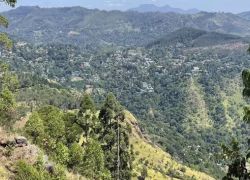
Ella Rock is one of the most popular trekking destinations in Sri Lanka, located in the hill country of Badulla, Uva Province. Known for its breathtaking views of the surrounding landscapes, Ella Rock offers visitors a chance to experience the natural beauty and serenity of Sri Lanka’s central highlands. The hike to the summit of Ella Rock rewards adventurers with panoramic views of lush green valleys, tea plantations, and distant mountain ranges. Not only is it a favorite spot for nature lovers, but Ella Rock is also a fantastic destination for trekkers and photographers. The trek to the top is moderately challenging and offers a perfect opportunity to connect with nature while exploring the highlands of Sri Lanka. How to Reach Ella Rock Ella Rock is located about 6 kilometers from the town of Ella, making it easily accessible from the town center. To reach the start of the hike, you can take a tuk-tuk or a taxi from Ella, which will take around 10-15 minutes depending on traffic and road conditions. The hike begins from the Ella town area and takes you through dense forests, tea plantations, and small villages. The trail is well-marked, but it can be a bit tricky in some places, so it’s best to go with a guide if you are unfamiliar with the area. Most visitors prefer to do the hike in the early morning to avoid the midday heat and to enjoy the cooler temperatures. If you are traveling from Colombo to Ella, you can take a scenic train ride to Ella station. The journey takes around 6 to 8 hours and offers stunning views of the surrounding landscapes. Once you reach Ella, local transport options like tuk-tuks or taxis can take you to the trailhead for the hike to Ella Rock. Weather and Best Time to Visit The weather in Ella is typically cool and pleasant, with temperatures ranging between 15°C and 25°C (59°F to 77°F). Due to its elevation, Ella experiences a mild climate throughout the year. However, the weather can change rapidly, so it’s important to be prepared for varying conditions. The best time to visit Ella Rock is during the dry season, from December to April. During this period, the weather is generally sunny, and the trails are less slippery. The rainy season, from May to November, can make the trails muddy and challenging, though the rain brings out the lush greenery, making the scenery even more vibrant. If you don’t mind the rain and are prepared for it, this can also be a beautiful time to visit, with the added benefit of fewer tourists. Entry and Visit Details There is no formal entry fee for visiting Ella Rock, but it is advisable to take a guide along if you are unfamiliar with the trail, as the path can be confusing in certain areas. Many local guides are available for hire in the town of Ella, and their services are quite affordable. The hike to the summit takes around 2 to 3 hours, depending on your pace and fitness level. The trail is a mix of easy paths, steep inclines, and rocky stretches. Once you reach the summit, you’ll be rewarded with panoramic views of the surrounding mountains, valleys, and tea plantations. Be sure to carry plenty of water, as there are limited sources of refreshment along the way. It's also important to wear comfortable clothing and sturdy footwear for the trek. Why Famous for Ella Rock? Ella Rock is famous for its stunning panoramic views and natural beauty. The summit provides an unobstructed view of the surrounding hills, valleys, and tea plantations. On a clear day, you can see all the way to the distant peaks of the Southern Mountains. The hike itself is also popular for the diverse ecosystems it passes through, ranging from forested areas to open fields of tea plantations. In addition to its natural beauty, Ella Rock is closely associated with Sri Lanka's history and culture. The area around Ella is rich in colonial history, with tea plantations established by the British in the 19th century. These plantations, along with the natural surroundings, offer visitors a glimpse into the country's colonial past. History and Architecture of Ella Rock While Ella Rock itself is not home to any significant historical structures or architecture, the region’s historical significance lies in its tea plantations, which date back to the British colonial era. The British established tea estates in the hills of Sri Lanka, and these estates are still active today, producing some of the world’s finest tea. The surrounding area also holds historical value in terms of its strategic location during the colonial period, as it served as an important route for the transportation of tea and other goods. Though there are no large monuments or ancient buildings at Ella Rock, the natural beauty and the remnants of the colonial tea estates provide a unique cultural backdrop for visitors. Things to Do at Ella Rock In addition to hiking and enjoying the stunning views, there are several things you can do when visiting Ella Rock: Hiking: The main activity at Ella Rock is, of course, hiking. The trek is moderately challenging and offers stunning views at every turn. Photography: Ella Rock is a fantastic spot for photographers. Whether you’re capturing the sweeping landscapes or the vibrant tea plantations, you’ll find plenty of opportunities to take beautiful pictures. Tea Estate Visits: The hike to Ella Rock takes you through scenic tea plantations. You can visit some of these estates and learn about Sri Lanka’s famous tea industry, from cultivation to processing. Relax and Enjoy the Views: Once at the summit, take some time to relax and soak in the beautiful surroundings. The cool breeze, panoramic views, and peaceful atmosphere make it an ideal spot for reflection and relaxation. Explore Ella Town: After your hike, spend some time exploring the charming town of Ella. There are several cafes, restaurants, and shops where you can relax and enjoy local food and beverages. Facts and Tips about Ella Rock The hike to Ella Rock typically takes 2 to 3 hours one way, depending on your pace. Wear sturdy footwear and comfortable clothing, as the trail can be steep and uneven in parts. Carry plenty of water and snacks, as there are no food or drink facilities along the trail. Hire a local guide if you're unfamiliar with the area or want to learn more about the history and ecology of the region. The best time to hike is early in the morning, as the weather is cooler and the skies are clearer. If you plan to visit during the rainy season, be prepared for slippery trails and potentially muddy conditions. Don’t forget to bring a camera to capture the stunning views from the summit. Conclusion Ella Rock is one of the most rewarding and scenic hikes in Sri Lanka. Offering spectacular views, diverse ecosystems, and a challenging but manageable trail, it’s a must-visit for nature lovers, photographers, and trekkers. Whether you’re seeking an adventure or simply want to enjoy the beauty of Sri Lanka’s hill country, Ella Rock provides a fantastic experience. With its combination of natural beauty, history, and cultural significance, Ella Rock is an essential stop on any trip to the Badulla region.
Explore More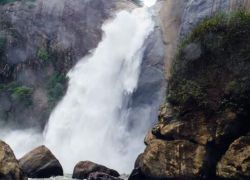
Wewatta Waterfall is a hidden gem in the Badulla District of Sri Lanka, known for its serene beauty and tranquil surroundings. Located near the town of Badulla, this charming waterfall is often overshadowed by other more famous waterfalls in the region, making it a peaceful escape for nature lovers and adventurers alike. The waterfall is situated in a lush green environment, surrounded by dense forests and hills, making it an ideal destination for a relaxing day out or a short trek through Sri Lanka's picturesque landscapes. The Wewatta Waterfall is not just a stunning natural feature, but it also holds cultural and historical significance. As part of the Badulla region’s vast network of waterfalls, it contributes to the natural beauty that attracts tourists to the area. Whether you are an avid photographer, a nature enthusiast, or simply looking for a peaceful spot to unwind, Wewatta Waterfall offers an unforgettable experience. How to Reach Wewatta Waterfall Wewatta Waterfall is located approximately 10 kilometers from Badulla town, making it easily accessible by both private transport and public transport. To reach the waterfall, you can hire a taxi, tuk-tuk, or take a local bus from the town of Badulla. If you prefer to drive yourself, the route is well-marked, and the drive takes about 15 to 20 minutes depending on traffic and road conditions. Once you reach the general area, you will need to follow a short, well-maintained trail to the waterfall itself. The walk is easy and takes around 10-15 minutes, passing through lush vegetation and offering scenic views along the way. For those who enjoy a little adventure, hiking to the waterfall can be a great way to immerse yourself in the natural beauty of the region. Weather and Best Time to Visit The climate around Wewatta Waterfall is typical of Sri Lanka’s hill country, with cool temperatures and high humidity. The average temperature ranges from 18°C to 25°C (64°F to 77°F), making it comfortable to visit year-round. However, it is essential to note that Sri Lanka experiences two monsoon seasons: the Southwest Monsoon from May to September and the Northeast Monsoon from December to February. These rainy periods can make the trails slippery and the waterfall more forceful but may also provide a more dramatic experience for those willing to brave the rain. The best time to visit Wewatta Waterfall is during the dry season, which typically runs from December to April. During these months, the weather is dry, and the trails leading to the waterfall are less slippery, making it easier and more enjoyable to hike. The waterfall’s beauty is also best appreciated during the dry season when the water flow is steady but not overwhelming. Entry and Visit Details Wewatta Waterfall does not have an official entrance fee, making it a budget-friendly destination for travelers. The area surrounding the waterfall is accessible to the public, and visitors can enjoy the sight and sounds of the waterfall free of charge. However, if you are visiting with a guide or a local, there may be a small fee for their services. Many visitors choose to explore the waterfall on their own, as the trail is easy to follow. When visiting the waterfall, it is essential to take proper safety precautions. The rocks near the waterfall can be slippery, so wearing sturdy footwear with good grip is recommended. Although the waterfall is relatively small compared to others in the region, it is still powerful enough to create a beautiful mist and spray, so be prepared to get a little wet when standing near it. Be sure to take your time and enjoy the peaceful ambiance that this natural site offers. Why Famous for Wewatta Waterfall? Wewatta Waterfall is famous for its unspoiled beauty and its peaceful, serene atmosphere. Unlike some of the more crowded and commercialized waterfalls in Sri Lanka, Wewatta remains relatively untouched by mass tourism, offering visitors a chance to experience the raw beauty of the island’s natural environment. The waterfall is particularly popular with locals who come to relax and enjoy the peaceful surroundings, and it is becoming more known to international tourists seeking off-the-beaten-path destinations. Another reason why Wewatta Waterfall is famous is due to its location within the picturesque Badulla district. The region is known for its lush green hills, tea plantations, and other scenic natural landmarks. As part of this stunning landscape, Wewatta Waterfall contributes to the area’s appeal and adds another highlight for nature lovers and photography enthusiasts. History and Architecture of Wewatta Waterfall While Wewatta Waterfall does not have the same historical significance as some of Sri Lanka’s ancient temples or monuments, it holds cultural importance in the local community. The waterfall is part of the Uva region’s natural heritage, which has been cherished by local people for generations. Like many waterfalls in the area, Wewatta is believed to have played a role in the daily life of the communities living in its vicinity, providing water for agriculture and serving as a natural landmark in the region. Architecturally, the waterfall’s charm lies in its natural beauty. The water cascades down a rocky slope, creating a series of smaller pools and rapids before flowing into the nearby river. The surrounding landscape features lush vegetation, with trees and plants providing a cool, shaded environment. There is no man-made structure near the waterfall, making it an entirely natural wonder that showcases the beauty of Sri Lanka’s hill country. Things to Do at Wewatta Waterfall While the primary attraction at Wewatta Waterfall is the waterfall itself, there are several activities you can enjoy while visiting the area: Photography: The waterfall and its surrounding natural beauty make it a perfect spot for photography. Whether you’re capturing the cascading water or the verdant backdrop, there are plenty of photo opportunities. Hiking: The short hike to the waterfall is a great way to experience the local flora and fauna. You can explore the surrounding trails and enjoy the serenity of the area. Relax and Unwind: The peaceful atmosphere near the waterfall makes it an excellent spot for relaxation. Take a moment to sit by the water, listen to the sound of the falls, and enjoy the natural surroundings. Picnicking: The area around the waterfall is an ideal location for a picnic. You can bring snacks, enjoy the cool breeze, and make a day of it with friends or family. Explore the Surrounding Areas: If you have more time, you can visit other nearby attractions in the Badulla district, such as the famous Ravana Falls, Ella Rock, and the Nine Arches Bridge. Facts and Tips about Wewatta Waterfall The waterfall is located about 10 kilometers from Badulla town, making it an easy half-day trip from the town center. Wear sturdy, non-slip shoes, as the rocks around the waterfall can be slippery. Bring a waterproof jacket if you plan to get close to the waterfall, as the mist can wet you. There are no formal facilities near the waterfall, so bring your own water, snacks, and any necessary supplies. The best time to visit is in the morning or late afternoon, when the weather is cooler and the light is perfect for photography. Be mindful of the environment; avoid littering and respect the natural surroundings to keep the area pristine for future visitors. Conclusion Wewatta Waterfall is a hidden treasure in the heart of Sri Lanka’s Badulla District. Its beauty, tranquility, and accessibility make it a must-visit for anyone traveling to the region. Whether you're seeking adventure, relaxation, or simply a place to connect with nature, Wewatta Waterfall offers a peaceful escape that is sure to leave a lasting impression. Don’t miss out on the opportunity to explore this stunning natural wonder on your next visit to Sri Lanka.
Explore More
Bopath Ella Falls is one of the most beautiful and iconic waterfalls in the Ratnapura district of Sri Lanka. Its name, “Bopath Ella,” translates to “Bo Leaf Falls,” because the waterfall resembles the shape of a sacred Bo tree leaf as it cascades down the rocks. Located in the scenic village of Agalawatte near Ratnapura town, this waterfall is surrounded by lush green forests, tea plantations, and charming rural scenery. It is one of the most visited natural attractions in the region, known for its beauty, accessibility, and legendary folklore. The waterfall is fed by the Kuruganga River, which flows calmly through the forests before suddenly plunging into the narrow rock channel, creating a stunning vertical water curtain. The cool environment, refreshing sound of flowing water, scenic hiking paths, and natural pools make Bopath Ella a popular location for families, photographers, couples, and nature lovers. In addition to its natural charm, the site is rich with local myths and folk stories, adding an element of mystery and historical interest to the experience. History and Legends of Bopath Ella Falls While Bopath Ella does not have a built architectural history like a temple or palace, it carries a long-standing place in local folklore and regional traditions. One of the most famous legends tells the story of a young woman who fell in love with a man above her social status. Unable to bear the pain of rejection and separation, she is said to have taken her life by jumping into the waterfall. Local people believe that her spirit still lingers around the falls, and many claim to have seen a mysterious figure or heard sounds on full moon nights. There are also other folk beliefs linking the waterfall to treasure guardians and good fortune. Because of such stories, Bopath Ella has been a place of spiritual belief and cultural storytelling for generations. Over time, the waterfall has transformed into a tourist attraction while maintaining its natural beauty and connection to local heritage. How to Reach Bopath Ella Falls Bopath Ella Falls is conveniently located around 3 km from the main town of Ratnapura, making it very easy to reach. Travelers can arrive by: By Road: Visitors coming from Colombo can take the A4 highway towards Ratnapura, which generally takes around 2.5 to 3 hours depending on traffic. Once in Ratnapura, signboards and local transport services guide travelers to the waterfall. By Bus: Many intercity and regional buses operate from Colombo, Kandy, Galle, and other towns to Ratnapura. From Ratnapura town, local buses and tuk-tuks are available to the falls. By Tuk-Tuk or Car: Hiring a tuk-tuk or taxi is a convenient option, especially for visitors who want a hassle-free journey or are carrying photography or trekking equipment. The road leading to Bopath Ella is well-maintained, and the walk from the parking area to the waterfall is short and scenic, passing small shops and greenery along the way. Weather at Bopath Ella Falls Bopath Ella lies in a wet zone region of Sri Lanka, which experiences warm weather and heavy rainfall throughout the year. The average temperature ranges between 24°C and 32°C. Rain is most frequent during the southwest monsoon season, from May to September, when the waterfall becomes fuller and more dramatic. The best months to visit are from December to March, when the weather is relatively dry and pleasant. However, even during rainy months, the misty atmosphere and high-water flow make the waterfall extremely picturesque. Visitors should carry umbrellas or raincoats, especially during monsoon season, as showers can arrive unexpectedly. Timings of Bopath Ella Falls The waterfall area is open to visitors throughout the day, generally from early morning until evening. Most tourists prefer visiting between 8:00 AM and 5:00 PM when natural light is ideal for viewing and photography. Visiting early in the morning or later in the day can provide a more peaceful experience with fewer crowds. Why Bopath Ella Falls is Famous Bopath Ella Falls is famous for its unique shape, natural beauty, and cultural legends. There are several reasons why it stands out among other waterfalls in Sri Lanka: 1. Bo Leaf Shape: The waterfall’s unique formation resembles the leaf of the sacred Bo tree, a major symbol in Sri Lankan Buddhism. 2. Easy Accessibility: Unlike many waterfalls hidden deep in forests, Bopath Ella is easy to reach, making it ideal for families and casual visitors. 3. Local Folklore: The mysterious stories connected to the waterfall give it cultural depth, attracting travelers who enjoy history, myths, and legends. 4. Natural Surroundings: The waterfall is surrounded by green forests, rural houses, and wildlife, creating a peaceful escape from city life. Entry and Visit Details Visitors must purchase an entry ticket at the entrance gate. The fee is modest and supports maintenance and environmental management of the area. Small tea stalls, souvenir shops, and snack vendors line the pathway, providing refreshments and local products. Basic facilities such as parking and rest areas are available. Swimming is allowed in some natural pools, but visitors should be cautious during heavy water flow and slippery surfaces. Local guides and safety personnel may be available during busy tourist seasons to help ensure a secure experience. Waste bins are placed along the trail, and tourists are encouraged to maintain cleanliness and respect nature. Things to Do at Bopath Ella Falls Bopath Ella offers a variety of experiences suitable for different types of travelers: 1. Enjoy the Scenic Views: The main viewing platform provides stunning visuals of the waterfall and surrounding greenery, perfect for photography and relaxation. 2. Nature Walks: A walk from the entrance to the falls offers a pleasant and scenic trail filled with fresh air and forest sights. 3. Photography: The waterfall’s striking shape, misty spray, and lush background make it a fantastic subject for nature photography. 4. Family Picnics: Families often enjoy spending time near the waterfall, taking in the fresh atmosphere and enjoying snacks from nearby shops. 5. Explore Local Culture: Visitors can interact with local vendors and villagers to understand daily life and traditional products such as gemstone crafts, tea, and spices. Interesting Facts About Bopath Ella Falls - The name “Bopath Ella” is derived from the waterfall’s resemblance to a Bo tree leaf. - Raw and polished gemstones are sometimes sold near the site, reflecting Ratnapura’s gem mining culture. - During rainy seasons, the waterfall can become extremely powerful, creating loud echoes across the valley. - Local legends claim that supernatural sightings occur around the waterfall on full moon nights. - It is one of the few waterfalls in Sri Lanka easily reached without long mountain hikes. Travel Tips for Visiting Bopath Ella Falls - Wear comfortable shoes, as the path to the falls may be wet or slippery. - Visit early in the morning or on weekdays to avoid heavy crowds. - Carry rain protection during monsoon months, as sudden showers are common. - Do not swim during periods of strong water flow for safety reasons. - Support the local economy by purchasing souvenirs or snacks from nearby vendors. - Respect nature by not littering and keeping the area clean. - Combine your waterfall visit with a tour of Ratnapura city to explore museums, gem mines, and cultural attractions. With its stunning natural charm, cultural legends, and peaceful surroundings, Bopath Ella Falls promises a memorable experience for travelers exploring Ratnapura. Whether you are a nature lover, photographer, history seeker, or casual visitor, this beautiful waterfall is a must-see destination in Sri Lanka.
Explore MoreSri Lanka Tour Packages From Mumbai
4 Days/ 3 Night
Colombo - Kandy - Bentota
7 Nights 8 Days Sri Lanka Tour Packages
8 Days/ 7 Night
Negombo - Trincomalee - Kandy - Nuwara Eliya - Colombo
04 nights and 05 days Sri lanka
5 Days/ 4 Night
Nuwara Eliya - Kandy - Colombo
Beautiful Sri Lanka 4 Nights - 5 Days Tour
5 Days/ 4 Night
Kandy - Nuwara Eliya - Bentota - Galle

Kempagala Waterfall is one of the hidden natural treasures in the Ratnapura district of Sri Lanka. Located in a serene and rural environment surrounded by lush rainforests and traditional village landscapes, this waterfall is a peaceful destination for travelers who want to explore nature away from crowded tourist spots. Ratnapura, known as the “City of Gems,” offers many natural attractions, and Kempagala Waterfall stands out for its untouched beauty, refreshing streams, and tranquil surroundings. The waterfall flows gracefully down rocky slopes, creating a scenic and calming atmosphere, perfect for photography, trekking, and relaxing in nature. Kempagala Waterfall is not heavily commercialized, which gives it a raw and authentic charm. Local villagers often use the area for community activities, bathing, and picnicking, and the waterfall remains an important natural resource for the region. Tourists visiting this destination can enjoy a blend of local culture, natural beauty, and peaceful outdoor experiences. History and Significance of Kempagala Waterfall Although Kempagala Waterfall does not have a documented architectural history like ancient temples or colonial monuments, it holds cultural importance among local communities. The waterfall and the surrounding forest have long served as a natural gathering spot for people living in the area. For generations, villagers have relied on the streams for water supply and agriculture, and the location has been woven into local folklore and daily life. The region around Kempagala also displays natural geological history. The rocks and surrounding landscapes have formed over millions of years through the movement of rivers and rainfall. Ratnapura district is rich in minerals and gemstones, and although Kempagala Waterfall itself is not a significant gem mining site, the region’s geology reflects the natural richness that made Ratnapura famous. The waterfall area does not have built architecture, but its natural formation is impressive. Water flows over dark stone surfaces into small natural pools, surrounded by thick trees, creepers, and plant life. The sound of flowing water and birds enhances the calming natural environment. How to Reach Kempagala Waterfall Kempagala Waterfall is located in the Ratnapura district and is reachable by road from major parts of Sri Lanka. The most convenient way to reach the waterfall is: From Ratnapura: The journey generally takes between 30 minutes to an hour depending on the route and road conditions. Visitors can travel by bus, private vehicle, or tuk-tuk. Local drivers are familiar with the route and can guide tourists to the nearest access point. From Colombo: Visitors can travel via the A4 highway toward Ratnapura for approximately 2.5 to 3 hours. From Ratnapura town, follow signboards or take local transportation toward the village area near the waterfall. The final stretch of the journey may involve a short walk through footpaths or forest trails. This adds to the adventure and allows visitors to enjoy the natural scenery before reaching the waterfall. Weather at Kempagala Waterfall Kempagala Waterfall lies within a wet zone region and experiences warm and humid weather year-round. Average temperatures range from 24°C to 32°C, with significant rainfall during the southwest monsoon from May to September. The waterfall is fullest and most dramatic during rainy months, but the trails may become slippery, requiring caution. The best time to visit for comfortable trekking and photography is between December and March, when the weather is relatively dry. However, the waterfall remains scenic and refreshing throughout the year. Visitors should carry rain jackets, umbrellas, and waterproof bags, especially if visiting during monsoon season. Timings of Kempagala Waterfall Kempagala Waterfall is open for visitors throughout the day, but the ideal time to visit is between 8:00 AM and 5:00 PM. Visiting earlier in the day ensures good lighting for photography and makes the experience more pleasant. Because the area is natural and lightly regulated, it is advisable not to stay late in the evening, especially if unfamiliar with the terrain. Why Kempagala Waterfall is Famous Kempagala Waterfall is famous for several reasons: 1. Raw Natural Beauty: Unlike commercial waterfalls, Kempagala maintains a peaceful and unspoiled environment that appeals to nature lovers. 2. Secluded Environment: The location is calm and free from large crowds, providing a private and relaxing experience. 3. Scenic Forest Trails: The journey to the waterfall includes natural footpaths filled with beautiful vegetation and wildlife. 4. Local Cultural Experience: Visitors can observe the simple rural lifestyle surrounding Ratnapura, giving the place cultural depth. Entry and Visit Details Entrance to Kempagala Waterfall may be free, but in some cases, local authorities or nearby residents may request a small fee to help maintain cleanliness and facilities. The area does not have highly developed tourism infrastructure, but basic amenities such as small shops or seating areas may be available depending on the season and visitor traffic. Visitors should be prepared to walk a short distance from the parking area. The natural environment is well-preserved, and guests are encouraged to follow eco-friendly practices such as avoiding littering, not disturbing wildlife, and keeping the area clean for others. Things to Do at Kempagala Waterfall Kempagala Waterfall offers a range of activities for different types of travelers: 1. Sightseeing and Relaxing: The peaceful atmosphere, lush surroundings, and beautiful waterfall views make this a perfect spot to unwind. 2. Photography: Nature photographers can capture wonderful shots of flowing water, rocks, forest textures, and wildlife. 3. Nature Walks: Walking along the trail to the waterfall provides an opportunity to observe local plants, birds, insects, and village activities. 4. Picnicking: Families and groups often bring snacks and enjoy a quiet picnic near the waterfall. 5. Swimming (With Caution): Some natural pools may be safe for bathing, but visitors should always check water depth and current strength before entering. Interesting Facts About Kempagala Waterfall - The waterfall is one of the less commercialized and lesser-known attractions in Ratnapura, making it ideal for peaceful visits. - The surrounding area is rich in vegetation and biodiversity, supporting birds, insects, and small wildlife species. - The waterfall forms pools in some areas that villagers use for recreation and daily water needs. - Because of its natural beauty, the site is gaining popularity among local travelers and eco-tourists. - The route to the waterfall offers a glimpse into traditional rural life and farming patterns in Sri Lanka. Travel Tips for Visiting Kempagala Waterfall - Wear sturdy and comfortable footwear, as the path may be uneven or slippery after rain. - Visit during daylight hours to avoid navigation difficulties in remote areas. - Carry drinking water, snacks, and a small first-aid kit, as facilities may be limited. - Respect the natural environment by not littering and avoiding damage to plants or wildlife. - Follow local advice on safe areas for swimming and avoid slippery rock surfaces. - Bring a camera or phone to capture the scenic views and natural beauty. - Combine your visit with a tour of other Ratnapura attractions like gem mines, museums, or nearby waterfalls. Kempagala Waterfall is a perfect destination for travelers seeking peace, natural beauty, and an authentic Sri Lankan village experience. With its unspoiled surroundings, relaxed environment, and scenic landscapes, it offers a memorable escape into nature and a deeper understanding of the charm of Ratnapura.
Explore More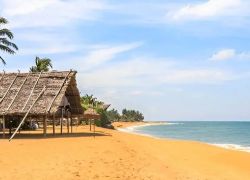
Weras Ganga Park is a beautiful riverside recreational park located near Mount Lavinia in the Colombo district of Sri Lanka. Known for its clean surroundings, serene natural setting, and well-maintained walkways, it has become one of the most popular urban relaxation spots for both locals and tourists. Situated along the scenic Weras Ganga (Weras River), the park offers stunning views of the water, lush green areas, and peaceful corners ideal for spending quality time with family, friends, or alone. Unlike many historical attractions in the region, Weras Ganga Park stands out as a modern public development project that focuses on environmental restoration, leisure, and eco-friendly tourism. The park is especially popular among joggers, fitness enthusiasts, bird watchers, and families looking for a quiet escape from the busy urban environment. With its charming bridges, landscaped gardens, cycling paths, and seating areas, it has become a model of sustainable urban design. Today, Weras Ganga Park remains a well-loved destination in the Mount Lavinia area and a perfect place to unwind, enjoy nature, and take peaceful riverside strolls. History of Weras Ganga Park Weras Ganga Park is part of the larger Weras Ganga Development Project initiated by the Sri Lankan government to improve drainage, reduce flood risk, and create environmentally friendly public recreational spaces. Before its development, the area surrounding the Weras River experienced seasonal flooding, poor drainage, and unmanaged growth. The project transformed this neglected zone into a scenic, accessible, and clean urban park. Construction and landscaping work included riverbank reinforcement, the creation of pedestrian paths, cycling tracks, seating layouts, and preservation of wetland habitats. Modern landscaping techniques, eco-friendly planning, and thoughtful space utilization helped establish the park as a symbol of urban renewal. Today, Weras Ganga Park not only contributes to flood control but also provides a green, peaceful outdoor space that enhances the quality of life for residents of Mount Lavinia and nearby communities. Architecture and Design The design of Weras Ganga Park balances natural beauty with modern recreational facilities. The park features wide paved walkways and cycle lanes running parallel to the river, allowing visitors to walk, jog, or ride bicycles while enjoying scenic water views. Stylish pedestrian bridges connect different sections of the park, enhancing visual appeal and accessibility. Landscaping includes manicured lawns, flower beds, shaded seating areas, and preserved wetland zones that support local wildlife such as birds and small aquatic species. Modern lighting ensures safety and beauty during nighttime visits. The park’s architecture focuses on functionality, easy access, and environmental preservation, making it a perfect example of contemporary urban park development in Sri Lanka. Why is Weras Ganga Park Famous? Weras Ganga Park is famous for several reasons: - Its peaceful waterfront atmosphere makes it one of the best places around Mount Lavinia to relax and unwind. - The park is an example of successful urban environmental management and flood control development. - It is popular among joggers, cyclists, and fitness enthusiasts due to its smooth and long pathways. - Families and couples visit the park to enjoy outdoor space, scenic views, picnics, and evening walks. - Bird watchers frequent the area to observe wetland birds and other wildlife that inhabit the riverbank ecosystem. How to Reach Weras Ganga Park Weras Ganga Park is conveniently located in the suburban region of Boralesgamuwa, close to Mount Lavinia and Colombo. Visitors can reach the park using multiple transportation methods: By Road: Travelers can reach the park by taxi, private vehicle, or Tuk-Tuk from Mount Lavinia in around 15–20 minutes. The route passes through suburban neighborhoods and main district roads. By Bus: Several local buses operate along the roads connecting Mount Lavinia, Dehiwala, Boralesgamuwa, and Colombo. Visitors can get down at Boralesgamuwa junction and walk a short distance to the park. By Train: There is no direct railway access to the park. The closest major station is Mount Lavinia or Dehiwala, from where travelers can take a road vehicle. Weather at Weras Ganga Park Mount Lavinia and the surrounding region experience a tropical coastal climate with warm temperatures year-round. Average temperatures range between 27°C and 32°C. The area receives two monsoon seasons: - Southwest monsoon (May to September) - Northeast monsoon (November to December) During monsoon seasons, occasional heavy rains may occur. The best time to visit is from December to April when weather conditions are drier and more suitable for outdoor walks, jogging, and sightseeing. Early mornings and late afternoons offer the most comfortable outdoor temperatures. Timings Weras Ganga Park is open throughout the day, but most visitors prefer to come early in the morning or in the evening when temperatures are cooler. Night-time illumination allows safe and pleasant evening strolls. Peak visiting hours are from 5:00 AM to 8:00 AM and 4:00 PM to 9:00 PM. Entry and Visit Details Entry to Weras Ganga Park is completely free for all visitors. The park is open to the public every day of the week, and no special permits or tickets are required. Visitors must follow general public space rules, avoid littering, and respect natural flora and fauna within the park area. Things to Do at Weras Ganga Park Weras Ganga Park offers a variety of enjoyable activities suitable for families, solo travelers, fitness lovers, and nature enthusiasts: 1. Walking & Jogging: The smooth pathways make the park ideal for long walks and morning exercise. 2. Cycling: Dedicated bike lanes allow visitors to enjoy a peaceful riverside ride. 3. Bird Watching: The wetland environment supports species such as herons, kingfishers, eagles, water hens, and other native birds. 4. Photography: The river views, bridges, landscaped gardens, and sunsets provide beautiful photography opportunities. 5. Relaxation & Picnics: Shaded benches and open spaces allow families and couples to enjoy quiet outdoor time. 6. Kids’ Outdoor Play: The safe environment is suitable for children to run, play, and spend time in nature. 7. Meditation & Yoga: Calm zones along the riverside make it a suitable location for relaxation and personal reflection. Interesting Facts About Weras Ganga Park - The park is part of a major development project aimed at reducing flood risk in the Colombo region. - It is one of the few urban parks in Sri Lanka that successfully combines wetland preservation with public recreation. - The riverbank area supports an ecosystem that attracts bird species, making it a hotspot for nature lovers. - Weras Ganga Park has become a popular filming and photography location for local media due to its scenic environment. Tips for Visiting Weras Ganga Park - Early morning or evening visits provide the most pleasant weather and beautiful natural lighting. - Carry drinking water, especially if planning long walks or cycling. - Wear comfortable shoes suitable for walking or jogging. - Respect wildlife and avoid feeding birds or disturbing animals. - Keep the park clean by disposing of waste responsibly. - If visiting at night, stick to well-lit and populated areas for safety. Weras Ganga Park stands as a refreshing green attraction close to Mount Lavinia, offering a peaceful escape from the busy city environment. Whether you are looking for exercise, nature appreciation, relaxation, or simple family time outdoors, the park provides a pleasant and memorable experience that reflects modern urban development in Sri Lanka while preserving the beauty of its natural riverside landscape.
Explore More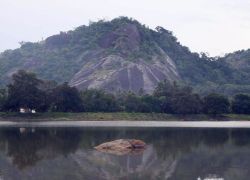
Kurunegala Lake, also known as Kurunegala Tank, is one of the most scenic and peaceful attractions in Kurunegala town, Sri Lanka. Located at the foot of the famous Athugala Rock (Elephant Rock), the lake serves as both a historical water reservoir and a relaxing public space for residents and tourists. The lake is surrounded by beautiful landscapes, green hills, walking paths, and recreational facilities, making it a popular destination for nature lovers, families, photographers, and fitness enthusiasts. Its peaceful environment and historical importance make it an iconic feature of Kurunegala. History and Architecture of Kurunegala Lake Kurunegala Lake has a long history dating back to ancient times when tanks and reservoirs were constructed across Sri Lanka to support agriculture and settlement growth. The Kurunegala region, once a royal capital during the Kandyan and Dambadeniya periods, relied on the lake to sustain farming and daily needs. Although the exact date of the original construction is not recorded, it is believed that the lake was part of the traditional irrigation system that Sri Lankan kings were known for. In recent decades, the lake and its surroundings have been developed into a public leisure zone. Modern additions include clean walking paths, landscaping, benches, lighting, and recreational areas that add beauty without disturbing the natural charm. The scenic setting offers panoramic views of the waterfront with Athugala Rock in the background, creating a picture-perfect environment for relaxation and photography. The architectural enhancement has been carefully done to maintain a blend of nature and urban convenience. How to Reach Kurunegala Lake Kurunegala Lake is located at the heart of Kurunegala town and is easily accessible from all major transportation routes. By Road: Kurunegala is well connected by bus services from Colombo, Kandy, Dambulla, Anuradhapura, and other major cities. Once in Kurunegala town, the lake is just a few minutes away by foot, tuk-tuk, or taxi. By Train: Kurunegala Railway Station is on major rail routes, and from the station, visitors can hire a three-wheeler or taxi to reach the lake within 5–10 minutes. By Air: The nearest international airport is Bandaranaike International Airport in Katunayake. Visitors can travel by road or train from the airport to Kurunegala, which takes approximately 2 to 3 hours depending on traffic. Weather at Kurunegala Lake Kurunegala has a warm tropical climate throughout the year. Daytime temperatures usually range from 24°C to 32°C. The months from November to April offer pleasant weather and are considered the best time to explore the lake comfortably. The monsoon period, especially from May to September, can bring short but heavy rains and higher humidity. Early mornings and late afternoons provide the most enjoyable temperatures for walking and outdoor activities near the lake. Timing and Visiting Hours Kurunegala Lake is open to visitors throughout the day and night. Morning and evening are especially busy with joggers, locals, and tourists who prefer cooler weather and beautiful outdoor views. Lighting around the lake at night allows for safe evening walks and makes the area pleasant to visit even after sunset. Why Kurunegala Lake is Famous Kurunegala Lake is famous for its scenic beauty, peaceful environment, and proximity to Athugala Rock. It is a favorite leisure spot for both residents and travelers because it offers an escape from the busy town while being easily accessible. The lake provides stunning reflections of the rock formations and surrounding greenery, making it a perfect location for photography. The well-developed walking paths, fresh air, and clean surroundings also make it ideal for fitness walks, cycling, and family outings. Entry and Visit Details There is no entrance fee to visit Kurunegala Lake, and the area is open to the public all day. Parking spaces are available nearby for cars, motorbikes, and bicycles. Visitors are encouraged to maintain cleanliness and respect the environment since the lake is not only a tourist attraction but also an important natural resource. Things to Do at Kurunegala Lake Enjoy a Lakeside Walk: The walking paths around the lake make it a perfect place for morning and evening strolls. Jogging and Exercise: Many locals use the lake area for jogging, cycling, and daily fitness routines due to its fresh air and pleasant views. Photography: The lake offers stunning photographic opportunities, especially during sunrise and sunset, with Athugala Rock and greenery forming a beautiful backdrop. Relax on the Lakeside Benches: Visitors can sit and relax while enjoying the cool breeze and peaceful environment. Boating (Seasonal): In some periods, small boats are available, offering scenic rides on the peaceful water. Picnics: Families can enjoy picnics along the banks of the lake, making it a refreshing break from city life. Interesting Facts About Kurunegala Lake - The lake is located right beneath the famous Athugala Rock, one of the symbols of Kurunegala. - Kurunegala was once a royal capital during Sri Lankan medieval history. - The tank is part of a traditional ancient irrigation system used to support agriculture. - Many locals visit the lake daily for fitness and relaxation, making it a lively social space. - The lake area has been modernized while maintaining the natural beauty and heritage of the surroundings. Travel Tips for Kurunegala Lake - Visit early morning or late evening to enjoy comfortable temperatures and the best views. - Carry a bottle of water and sunscreen if walking during the daytime. - Keep the lake surroundings clean; avoid littering. - For photography, sunset is one of the best times to capture the reflections of Athugala Rock. - Wear comfortable footwear if you plan to walk or jog around the lake. - Be aware of sudden rain during the monsoon season and carry an umbrella if necessary. Kurunegala Lake is a perfect blend of natural beauty, peaceful atmosphere, and historical value. Whether you are looking for a relaxing place to unwind, a beautiful location to photograph, or a scenic walking route, the lake offers something for everyone. Its stunning views, easy access, and connection to the city’s heritage make it one of the must-visit attractions in Kurunegala, Sri Lanka.
Explore More