"Ancient beauty amidst Sri Lanka's majestic ruins."
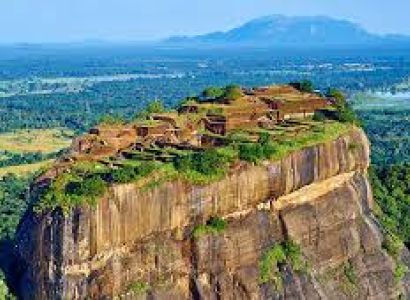
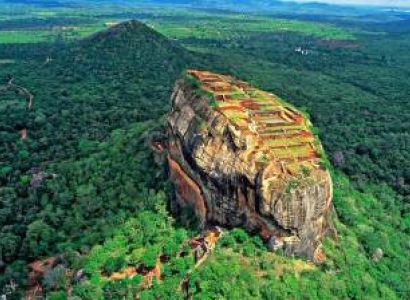
The Royal Gardens of Sigiriya, located in the ancient city of Sigiriya in central Sri Lanka, are among the most impressive and well-preserved examples of ancient landscape architecture in the world. These gardens, which surround the famous Sigiriya Rock Fortress, were created in the 5th century AD during the reign of King Kashyapa. The gardens are a testament to the genius of ancient Sri Lankan architects and engineers, showcasing an advanced understanding of water management, garden design, and aesthetic beauty.
The Royal Gardens are considered an integral part of the Sigiriya complex, which is a UNESCO World Heritage Site. The gardens are divided into several sections, each with its own unique features, and they provide insight into the cultural and royal life of ancient Sri Lanka. Visitors to Sigiriya can experience not only the grandeur of the rock fortress but also the magnificence of the gardens that were once a central feature of royal life.
History of The Royal Gardens of Sigiriya
The history of the Royal Gardens of Sigiriya dates back to the 5th century AD when King Kashyapa decided to move the capital from Anuradhapura to Sigiriya. The King, who sought to create a symbol of his power and grandeur, commissioned the construction of the Sigiriya Rock Fortress and the surrounding gardens. The gardens were designed to reflect the splendor and beauty of the royal palace, and they were intended to provide both aesthetic pleasure and practical benefits, such as water management and agricultural production.
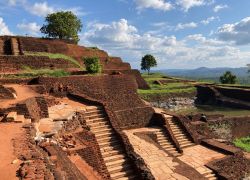
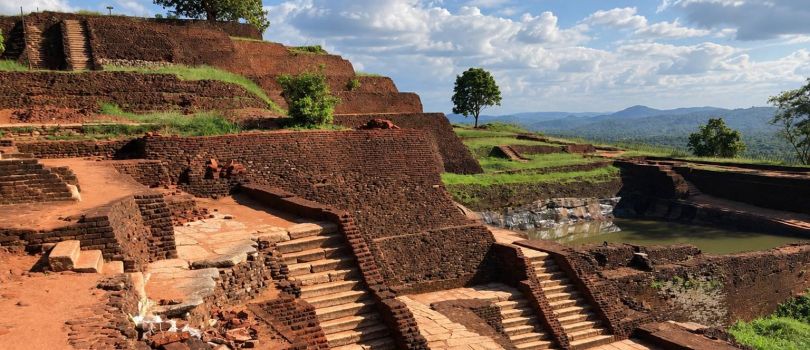
Sigiriya was not only a royal residence but also a strategic military stronghold. The gardens were laid out in a series of terraces, with water features such as ponds, pools, and fountains. The gardens served as both pleasure grounds for the royal family and a place of spiritual significance, as they were meticulously planned to integrate with the natural surroundings and enhance the beauty of the Sigiriya Rock.
Architecture of The Royal Gardens of Sigiriya
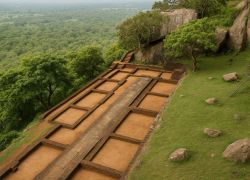
The Royal Gardens are a masterpiece of ancient Sri Lankan architecture and engineering. The layout of the gardens is divided into three main sections: the Lower Gardens, the Water Gardens, and the Upper Gardens. Each of these sections showcases different aspects of garden design, from geometric symmetry to naturalistic elements.
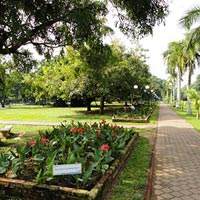
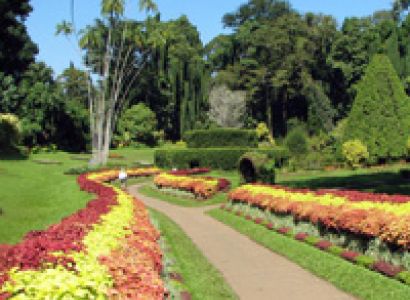
The Lower Gardens: The Lower Gardens are the first area visitors encounter as they approach Sigiriya Rock. These gardens are characterized by symmetrical layouts, carefully designed walkways, and water features such as ponds and fountains. The lower gardens were once used for royal leisure and ceremonial purposes, offering visitors a peaceful environment to relax and enjoy the surroundings.
The Water Gardens: The Water Gardens are one of the most impressive features of Sigiriya. The gardens are built around a series of interconnected ponds and fountains, with intricate stone channels that carry water throughout the site. The Water Gardens are notable for their sophisticated water management system, which was likely powered by a combination of rainfall, natural springs, and human-engineered systems. The use of water in the gardens symbolizes life and fertility and adds a tranquil atmosphere to the site.
The Upper Gardens: The Upper Gardens are situated closer to the base of Sigiriya Rock and were once used for private royal ceremonies and events. These gardens are characterized by more naturalistic designs, with flower beds, trees, and shaded pathways offering a peaceful retreat for the royal family.
Why The Royal Gardens of Sigiriya are Famous?
The Royal Gardens of Sigiriya are famous for their combination of beauty, historical significance, and advanced engineering. These gardens are renowned for their innovative use of water, stunning landscaping, and detailed architectural design. They are a symbol of ancient Sri Lanka’s ability to harmonize human creations with nature.
Some of the key reasons the gardens are famous include:
How to Reach The Royal Gardens of Sigiriya
The Royal Gardens are located near the Sigiriya Rock Fortress, and the easiest way to reach them is by traveling to Sigiriya Town, which is well-connected by road to other major cities in Sri Lanka. The site is easily accessible by car, bus, or taxi from nearby towns like Dambulla and Kandy.
By Air: The nearest international airport is Bandaranaike International Airport in Colombo, located approximately 150 kilometers from Sigiriya. From the airport, you can hire a taxi or rent a car for the 3-4 hour drive to Sigiriya.
By Road: Sigiriya can be reached by bus or private vehicle from other major cities in Sri Lanka. The most common routes are from Dambulla (30 minutes by car), Kandy (2 hours), and Colombo (3-4 hours).
By Train: The nearest railway station is in Habarana, about 15 kilometers from Sigiriya. From the station, visitors can take a taxi or local bus to the Royal Gardens and Sigiriya Rock.
Weather at The Royal Gardens of Sigiriya
Sigiriya experiences a tropical climate, with warm temperatures year-round. The best time to visit the Royal Gardens is during the dry season, which lasts from December to April. During this period, the weather is generally sunny and pleasant, ideal for sightseeing and exploring the gardens.
Temperature Range: 26°C to 32°C (79°F to 89°F). It’s recommended to visit early in the morning or late in the afternoon to avoid the midday heat.
Timing of The Royal Gardens of Sigiriya
The Royal Gardens are open every day for visitors, and the general visiting hours are:
Opening Time: 7:00 AM
Closing Time: 5:30 PM
Last entry is allowed at around 4:30 PM, so it’s best to arrive early in the day for a full exploration of the gardens and the nearby Sigiriya Rock Fortress.
Entry and Visit Details
Entry to the Royal Gardens of Sigiriya is included in the ticket for Sigiriya Rock Fortress. Visitors can purchase their tickets at the entrance of the Sigiriya complex, and the entry fee allows access to the gardens, the rock fortress, and other nearby attractions. The ticket provides a comprehensive experience of the site, including both the historical and natural elements.
It takes about 1-2 hours to explore the Royal Gardens at a relaxed pace, and visitors can also combine their visit with the Sigiriya Rock climb, which offers sweeping views of the surrounding area.
Things to Do at The Royal Gardens of Sigiriya
Facts About The Royal Gardens of Sigiriya
Travel Tips for Visiting The Royal Gardens of Sigiriya
The Royal Gardens of Sigiriya are a must-visit destination for anyone traveling to Sri Lanka. With their beauty, historical significance, and fascinating architecture, they provide a glimpse into the grandeur of ancient Sri Lankan royalty and the sophisticated design of the country’s heritage sites.




















Sigiriya
Sigiriya