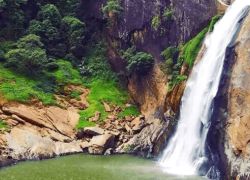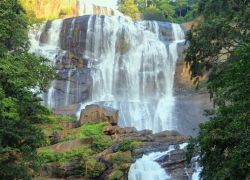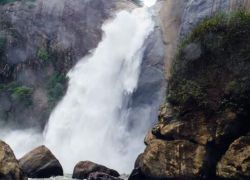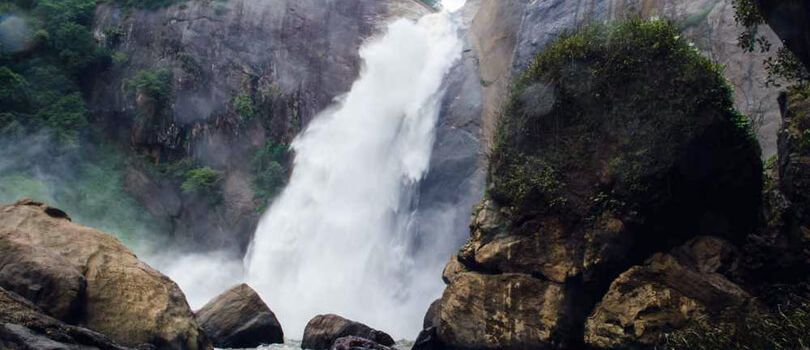
"Stunning cascade nestled in lush greenery."
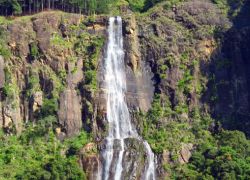
Wewatta Waterfall is a hidden gem in the Badulla District of Sri Lanka, known for its serene beauty and tranquil surroundings. Located near the town of Badulla, this charming waterfall is often overshadowed by other more famous waterfalls in the region, making it a peaceful escape for nature lovers and adventurers alike. The waterfall is situated in a lush green environment, surrounded by dense forests and hills, making it an ideal destination for a relaxing day out or a short trek through Sri Lanka's picturesque landscapes.
The Wewatta Waterfall is not just a stunning natural feature, but it also holds cultural and historical significance. As part of the Badulla region’s vast network of waterfalls, it contributes to the natural beauty that attracts tourists to the area. Whether you are an avid photographer, a nature enthusiast, or simply looking for a peaceful spot to unwind, Wewatta Waterfall offers an unforgettable experience.
How to Reach Wewatta Waterfall
Wewatta Waterfall is located approximately 10 kilometers from Badulla town, making it easily accessible by both private transport and public transport. To reach the waterfall, you can hire a taxi, tuk-tuk, or take a local bus from the town of Badulla. If you prefer to drive yourself, the route is well-marked, and the drive takes about 15 to 20 minutes depending on traffic and road conditions.
Once you reach the general area, you will need to follow a short, well-maintained trail to the waterfall itself. The walk is easy and takes around 10-15 minutes, passing through lush vegetation and offering scenic views along the way. For those who enjoy a little adventure, hiking to the waterfall can be a great way to immerse yourself in the natural beauty of the region.
Weather and Best Time to Visit
The climate around Wewatta Waterfall is typical of Sri Lanka’s hill country, with cool temperatures and high humidity. The average temperature ranges from 18°C to 25°C (64°F to 77°F), making it comfortable to visit year-round. However, it is essential to note that Sri Lanka experiences two monsoon seasons: the Southwest Monsoon from May to September and the Northeast Monsoon from December to February. These rainy periods can make the trails slippery and the waterfall more forceful but may also provide a more dramatic experience for those willing to brave the rain.
The best time to visit Wewatta Waterfall is during the dry season, which typically runs from December to April. During these months, the weather is dry, and the trails leading to the waterfall are less slippery, making it easier and more enjoyable to hike. The waterfall’s beauty is also best appreciated during the dry season when the water flow is steady but not overwhelming.
Entry and Visit Details
Wewatta Waterfall does not have an official entrance fee, making it a budget-friendly destination for travelers. The area surrounding the waterfall is accessible to the public, and visitors can enjoy the sight and sounds of the waterfall free of charge. However, if you are visiting with a guide or a local, there may be a small fee for their services. Many visitors choose to explore the waterfall on their own, as the trail is easy to follow.
When visiting the waterfall, it is essential to take proper safety precautions. The rocks near the waterfall can be slippery, so wearing sturdy footwear with good grip is recommended. Although the waterfall is relatively small compared to others in the region, it is still powerful enough to create a beautiful mist and spray, so be prepared to get a little wet when standing near it. Be sure to take your time and enjoy the peaceful ambiance that this natural site offers.
Why Famous for Wewatta Waterfall?
Wewatta Waterfall is famous for its unspoiled beauty and its peaceful, serene atmosphere. Unlike some of the more crowded and commercialized waterfalls in Sri Lanka, Wewatta remains relatively untouched by mass tourism, offering visitors a chance to experience the raw beauty of the island’s natural environment. The waterfall is particularly popular with locals who come to relax and enjoy the peaceful surroundings, and it is becoming more known to international tourists seeking off-the-beaten-path destinations.
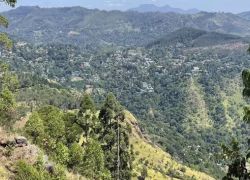
Another reason why Wewatta Waterfall is famous is due to its location within the picturesque Badulla district. The region is known for its lush green hills, tea plantations, and other scenic natural landmarks. As part of this stunning landscape, Wewatta Waterfall contributes to the area’s appeal and adds another highlight for nature lovers and photography enthusiasts.
History and Architecture of Wewatta Waterfall
While Wewatta Waterfall does not have the same historical significance as some of Sri Lanka’s ancient temples or monuments, it holds cultural importance in the local community. The waterfall is part of the Uva region’s natural heritage, which has been cherished by local people for generations. Like many waterfalls in the area, Wewatta is believed to have played a role in the daily life of the communities living in its vicinity, providing water for agriculture and serving as a natural landmark in the region.
Architecturally, the waterfall’s charm lies in its natural beauty. The water cascades down a rocky slope, creating a series of smaller pools and rapids before flowing into the nearby river. The surrounding landscape features lush vegetation, with trees and plants providing a cool, shaded environment. There is no man-made structure near the waterfall, making it an entirely natural wonder that showcases the beauty of Sri Lanka’s hill country.
Things to Do at Wewatta Waterfall
While the primary attraction at Wewatta Waterfall is the waterfall itself, there are several activities you can enjoy while visiting the area:
Facts and Tips about Wewatta Waterfall
Conclusion
Wewatta Waterfall is a hidden treasure in the heart of Sri Lanka’s Badulla District. Its beauty, tranquility, and accessibility make it a must-visit for anyone traveling to the region. Whether you're seeking adventure, relaxation, or simply a place to connect with nature, Wewatta Waterfall offers a peaceful escape that is sure to leave a lasting impression. Don’t miss out on the opportunity to explore this stunning natural wonder on your next visit to Sri Lanka.