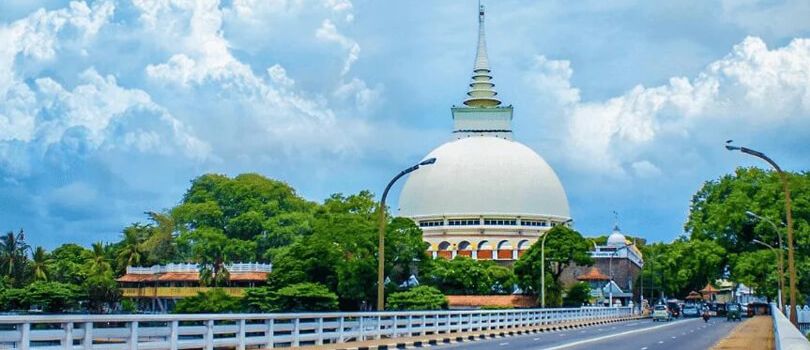
"Visit a sacred site of Buddhist heritage."
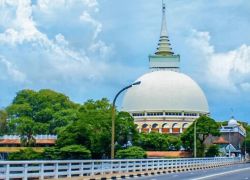
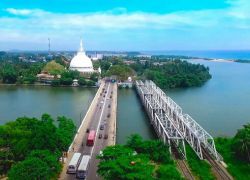
Kalutara Bodhiya is one of Sri Lanka’s most important Buddhist sites, located in the town of Kalutara on the western coastline. The temple is renowned for housing a sacred Bo tree, believed to be a descendant of the sacred Sri Maha Bodhi tree in Anuradhapura under which Lord Buddha attained enlightenment. With its historical significance and tranquil surroundings, Kalutara Bodhiya is a key pilgrimage site and an intriguing destination for travelers seeking spiritual solace and cultural exploration.
How to Reach Kalutara Bodhiya
Kalutara Bodhiya is located approximately 40 km south of Colombo, making it easily accessible from the capital city. The most convenient way to reach Kalutara Bodhiya is by car or taxi, which takes around 1.5 to 2 hours, depending on traffic. If you prefer public transport, buses and trains are available from Colombo to Kalutara, with the journey taking about 2 to 2.5 hours by bus, and around 1.5 hours by train.
For those traveling from Colombo, the Southern Expressway (E01) is the quickest route. Once in Kalutara, the temple is a short distance from the town center. You can easily reach Kalutara Bodhiya by tuk-tuk or a local taxi, with a ride taking about 5-10 minutes from Kalutara Railway Station or the main bus stand.
Weather at Kalutara Bodhiya
Kalutara experiences a tropical climate, with temperatures ranging from 25°C to 30°C throughout the year. The best time to visit Kalutara Bodhiya is during the dry season, from December to April. During these months, the weather is sunny and dry, making it ideal for sightseeing and outdoor activities.
The monsoon season in Kalutara lasts from May to September, during which the area experiences occasional rainfall and higher humidity. While the rain doesn’t typically last all day, it’s advisable to check the weather forecast if you plan to visit during this time. Despite the occasional showers, Kalutara Bodhiya remains open to visitors year-round, and the rain adds a peaceful ambiance to the surroundings.
Timing of Kalutara Bodhiya
Kalutara Bodhiya is open every day from 6:00 AM to 6:00 PM, allowing visitors to explore the site at their convenience. The best time to visit is early in the morning or late in the afternoon when the weather is cooler and the temple grounds are quieter. The early morning hours provide a peaceful atmosphere for meditation and reflection, while the evenings often feature local devotees participating in prayers and rituals.
During full moon days, known as **Poya Days**, the temple attracts many visitors and pilgrims. These are considered particularly auspicious days in the Buddhist calendar, and special ceremonies and prayers are held. Visitors wishing to experience the temple’s spiritual significance might choose to visit on one of these days.
Why Famous for Kalutara Bodhiya, Kalutara, Sri Lanka?
Kalutara Bodhiya is famous primarily for the sacred Bo tree, which is believed to be a direct descendant of the original Sri Maha Bodhi tree in Anuradhapura. According to Buddhist tradition, the Bo tree is one of the most revered trees, as it is said to be where Lord Buddha attained enlightenment. The tree at Kalutara Bodhiya has become a major pilgrimage site for Buddhists who come to pay homage and seek blessings.
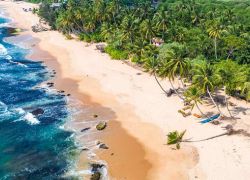
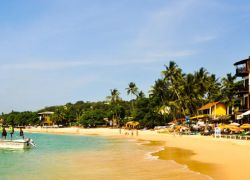
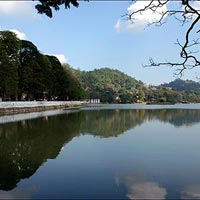
The temple is also famous for its tranquil environment and beautiful setting by the Kalu River. This combination of spirituality and nature makes Kalutara Bodhiya a unique and peaceful destination for both locals and tourists. The temple’s serene ambiance, rich history, and religious significance contribute to its popularity, not just as a place of worship but also as a symbol of Sri Lanka’s cultural and religious heritage.
Entry and Visit Details
There is no entry fee to visit Kalutara Bodhiya, as it is a place of religious worship that is open to all. However, visitors are expected to dress modestly as a sign of respect. Both men and women should cover their shoulders and knees, and it is customary to remove shoes before entering the temple grounds.
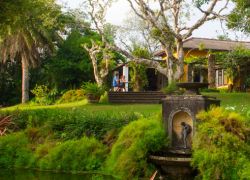
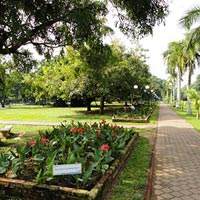
The temple is surrounded by lush greenery, and there are small shops nearby where you can purchase offerings such as flowers, incense, and candles. These offerings can be presented at the Bo tree, as part of the Buddhist ritual. Visitors can also purchase small souvenirs or religious items to take home as a memento of their visit.
The temple is a peaceful spot for reflection, and visitors can take time to meditate or simply enjoy the natural surroundings. While the temple itself is open throughout the day, the best time to visit is during the morning or evening when it’s cooler and less crowded. Full moon days, or **Poya Days**, are especially important for pilgrims, so expect a larger crowd on these days.
History of Kalutara Bodhiya
Kalutara Bodhiya has a long and rich history, dating back several centuries. The Bo tree at the temple is believed to be a descendant of the original Sri Maha Bodhi tree in Anuradhapura, which was planted over 2,000 years ago. According to Buddhist tradition, the Bo tree was brought to Kalutara during the 18th century by King Kirthi Sri Rajasinghe.
Kalutara Bodhiya became an important religious site during the colonial period, when the Bo tree gained recognition as a symbol of Sri Lankan Buddhism. Over the years, the temple has become a center for worship and devotion, attracting both local and international pilgrims. The temple has also undergone several renovations, with its most recent construction completed in the 20th century. Despite this, the sacred Bo tree remains the focal point of the temple and continues to attract devotees from all over Sri Lanka.
Architecture of Kalutara Bodhiya
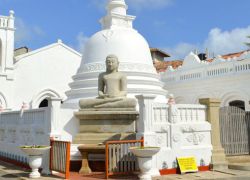
The architecture of Kalutara Bodhiya is traditional, with a simple yet elegant design. The temple complex is built around the sacred Bo tree, and the central focus of the temple is the tree itself. The shrine hall, where offerings and prayers take place, is modest yet beautifully decorated with Buddhist statues and murals depicting the life of Lord Buddha.
The temple grounds are spacious, with pathways for visitors to walk around the Bo tree in a spiritual practice known as "circumambulation." This act of walking around the tree is believed to bring blessings and is a common practice among devotees. The temple’s architecture is complemented by its natural surroundings, with the Kalu River providing a peaceful backdrop.
Additionally, the temple features beautiful carvings and statues that depict various aspects of Buddhist teachings, and there are shrines dedicated to other important figures in the Buddhist pantheon. The architecture blends both local and traditional elements, with influences from the colonial period visible in the design of the main shrine hall and other structures within the temple grounds.
Things to Do at Kalutara Bodhiya
While visiting Kalutara Bodhiya, there are several activities and experiences you can enjoy:
Facts and Tips About Kalutara Bodhiya
Conclusion
Kalutara Bodhiya is a serene and historically significant Buddhist site, offering a peaceful escape and a chance to connect with Sri Lanka’s rich spiritual heritage. Whether you’re visiting for religious purposes, cultural exploration, or simply to enjoy the tranquil environment, this sacred site is sure to leave a lasting impression on all who visit.



Kalutara
Kalutara
Kalutara
Kalutara
Kalutara
Kalutara