"Iconic structure connecting culture and scenic beauty."
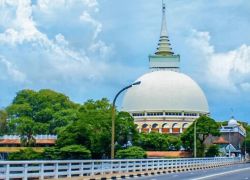
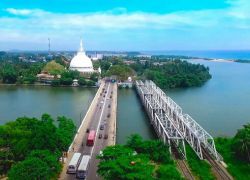
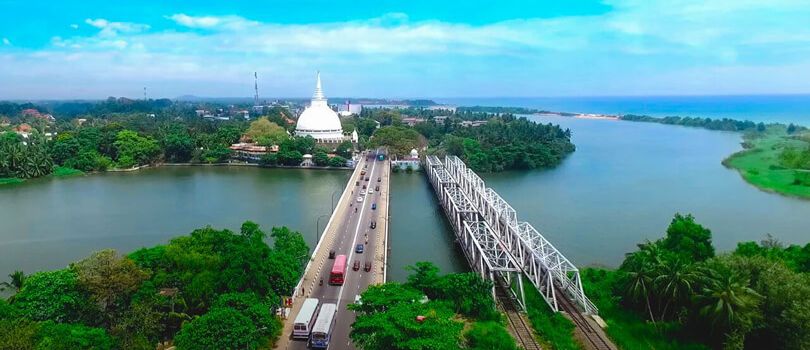
Kalutara Bridge is a significant landmark in Kalutara, located on the southwestern coast of Sri Lanka. Known for its historical importance and architectural design, it connects the northern and southern parts of Kalutara, spanning the Kalu River. The bridge offers breathtaking views of the river and surrounding landscapes, making it a must-visit spot for both locals and tourists. Whether you're interested in its historical significance, architectural beauty, or scenic surroundings, Kalutara Bridge is an iconic structure that holds cultural and historical value for Sri Lanka.
How to Reach Kalutara Bridge
Kalutara Bridge is located in the heart of Kalutara town, making it easily accessible from various parts of Sri Lanka. If you're traveling from Colombo, the capital city, the bridge is approximately 40 kilometers to the south, which takes about 1.5 to 2 hours by car or taxi, depending on traffic. You can drive along the Southern Expressway (E01) to reach Kalutara, which provides a fast and direct route from Colombo.
If you're using public transportation, you can take a bus or train from Colombo to Kalutara. The train ride takes around 1.5 hours, while buses take about 2 hours. Once you arrive at Kalutara station or bus stand, the Kalutara Bridge is just a short walk or tuk-tuk ride from there. The bridge is well-known and easy to locate in the town center.
Weather at Kalutara Bridge
Kalutara, like the rest of Sri Lanka's southwestern coast, experiences a tropical climate with warm temperatures throughout the year. The average temperature ranges between 25°C and 30°C, making it a great destination to visit at any time. The best time to visit Kalutara Bridge is during the dry season, from December to April, when the weather is sunny, and there is minimal rainfall. This period provides ideal conditions for exploring the bridge and taking in the surrounding views.
The monsoon season lasts from May to September, bringing occasional rain and higher humidity. While the rain tends to be brief, it can make outdoor activities less comfortable. Nonetheless, Kalutara Bridge can still be visited during this time, though it’s best to check the weather forecast before planning your visit.
Timing of Kalutara Bridge
Kalutara Bridge is a public structure, so there are no set opening or closing hours for visitors. It is open to the public throughout the day, allowing tourists and locals alike to enjoy its views and historical significance. However, the best times to visit the bridge are during the early morning or late afternoon. Early mornings offer cooler temperatures and a quieter atmosphere, while the late afternoon provides beautiful light for photography and a chance to see the sunset over the Kalu River.
As the bridge is part of the main route connecting the northern and southern parts of Kalutara, it is used regularly by commuters. Therefore, it is less crowded in the early mornings or late evenings, making these times ideal for photography and enjoying the surroundings without too much hustle.
Why Famous for Kalutara Bridge, Kalutara, Sri Lanka?
Kalutara Bridge is famous for several reasons, primarily due to its strategic location and historical significance. Completed in 1940 during British colonial rule, the bridge is one of the oldest and most iconic structures in Kalutara. It serves as a vital connection between the northern and southern parts of the town, providing access to the area’s historical landmarks, local markets, and other attractions.
The bridge is also famous for its picturesque views. Spanning across the Kalu River, it offers a scenic vantage point for visitors to enjoy the natural beauty of the river, the lush greenery surrounding the area, and the coastal landscape beyond. The bridge has become a popular spot for photographers and nature enthusiasts who wish to capture the stunning views of the river and the countryside.
Moreover, the Kalutara Bridge holds cultural significance as a symbol of Sri Lanka's engineering prowess during the colonial era. Its design and construction reflect the architectural style and techniques of the period, making it an important historical and cultural landmark in the region.
Entry and Visit Details
There is no entry fee to visit Kalutara Bridge, as it is a public structure. The bridge can be accessed freely at any time of the day, and visitors can walk across it, admire the views, and take photographs. The bridge itself is open to vehicles, as it serves as a crucial traffic route in Kalutara. However, there are no restrictions on pedestrian access, and it is a great spot for a leisurely walk to enjoy the surroundings.
Visitors should exercise caution while walking on the bridge, as it is also used by vehicles, including buses, motorcycles, and cars. It’s best to stay on the pedestrian walkways and avoid walking in the vehicle lanes for safety reasons.
For those interested in exploring the area further, there are local cafes and shops nearby where you can relax and enjoy the views of the bridge and the Kalu River. The surrounding area also has several small parks and gardens where visitors can take a break and appreciate the natural beauty of Kalutara.
History of Kalutara Bridge
The Kalutara Bridge was built during the British colonial era, and it is an important part of Sri Lanka's transportation history. The bridge was constructed to connect the northern and southern parts of Kalutara, facilitating trade, travel, and communication between these regions. At the time of its construction, the Kalutara Bridge was a modern engineering feat and played a vital role in the development of the area’s infrastructure.
Over the years, the bridge has undergone several repairs and maintenance work to ensure its structural integrity, but much of its original design and charm have been preserved. The Kalutara Bridge remains a symbol of the engineering and architectural achievements of Sri Lanka during the colonial period. It is a reminder of the country's rich history and the colonial influence on its infrastructure.
Architecture of Kalutara Bridge
Kalutara Bridge is an impressive piece of architecture, blending functional design with aesthetic appeal. The bridge is built using concrete and steel, with a distinctive arch shape that spans the Kalu River. The bridge’s design reflects the British colonial engineering style of the early 20th century, with its strong, durable structure built to withstand heavy traffic and the forces of nature.
The archway of the bridge provides an elegant curve that complements the natural landscape, offering a smooth transition between the river and the land. The bridge is supported by sturdy piers and spans across the Kalu River, allowing boats and vessels to pass underneath. The surrounding landscape of lush greenery adds to the beauty of the structure, making it a picturesque landmark in Kalutara.
Things to Do at Kalutara Bridge
Kalutara Bridge offers several activities for visitors to enjoy:
Facts and Tips About Kalutara Bridge
Conclusion
Kalutara Bridge is a historical and architectural marvel in Kalutara, offering stunning views of the Kalu River and the surrounding landscape. Whether you're interested in history, photography, or simply enjoying the natural beauty of Sri Lanka, the bridge provides an unforgettable experience. As an iconic landmark, Kalutara Bridge remains an important part of the town's heritage and a must-visit destination for anyone exploring the region.










Kalutara
Kalutara
Kalutara
Kalutara
Kalutara
Kalutara