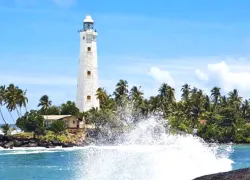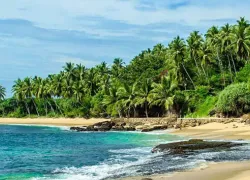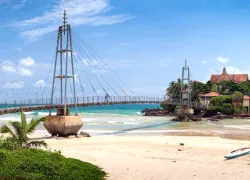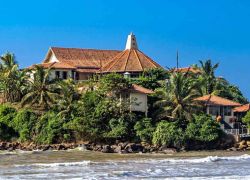
"Step back in time at a historic stronghold."
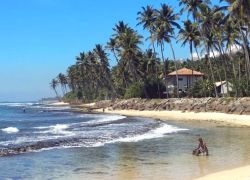
Matara Fort, located in the coastal city of Matara in southern Sri Lanka, is one of the best-preserved colonial-era forts in the country. Built by the Portuguese in the 16th century and later expanded by the Dutch, Matara Fort stands as a historical and architectural landmark in Sri Lanka. It offers visitors a glimpse into the country’s colonial past while providing a unique blend of natural beauty with the stunning views of the Indian Ocean. Whether you're an history enthusiast, a photographer, or a casual tourist, Matara Fort is a must-visit attraction.
How to Reach Matara Fort
Matara is easily accessible by both road and rail from Colombo, which is about 160 kilometers away. If you are traveling by car, you can take the Southern Expressway (E01) and follow signs to Matara, a journey that typically takes around 2.5 to 3 hours. Alternatively, you can take a bus from the Colombo Fort bus station to Matara. For those preferring train travel, Matara is well-connected by rail from Colombo, with regular services that take around 3 to 4 hours to reach the city.
Weather and Best Time to Visit
Matara has a tropical climate with warm temperatures year-round. The best time to visit Matara Fort is during the dry season, which runs from November to April. During this time, the weather is relatively cooler, and you can enjoy the fort and its surroundings without the heavy rain typical of the monsoon season. However, Matara remains a popular destination throughout the year due to its coastal charm and historical significance.
Entry and Visit Details
Matara Fort is open to the public throughout the year, and there is no entry fee to visit the fort. The fort is accessible at any time of the day, although it’s best to visit in the morning or late afternoon to avoid the midday heat. The fort is relatively small, and it can be explored within an hour or two. The peaceful ambiance and scenic views make it a perfect spot for a relaxed visit. For those interested in the history and details of the fort, local guides are available at the entrance to provide tours for a nominal fee.
Why Famous for Matara Fort?
Matara Fort is famous for its strategic location and historical importance. It was initially constructed by the Portuguese in 1560 to protect the southern coast of Sri Lanka from invaders. Later, the Dutch expanded and reinforced the fort during their occupation of Sri Lanka. Today, the fort is a blend of Portuguese and Dutch colonial architecture, which makes it unique compared to other forts in Sri Lanka. Additionally, Matara Fort is well known for its panoramic views of the Indian Ocean, offering a stunning backdrop for visitors to enjoy.
History and Architecture of Matara Fort
The history of Matara Fort dates back to 1560 when the Portuguese built it to control the southern region of Sri Lanka. The fort was strategically positioned on the banks of the Nilwala River, offering a clear view of the sea and easy access to the water. After the Dutch took control of Sri Lanka in the 17th century, they reinforced and expanded the fort, adding strong defensive walls, bastions, and gates. The Dutch influence is evident in the architecture, with traditional Dutch-style warehouses, thick walls, and a well-designed interior.
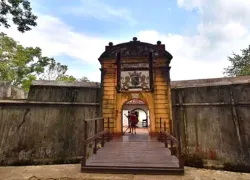
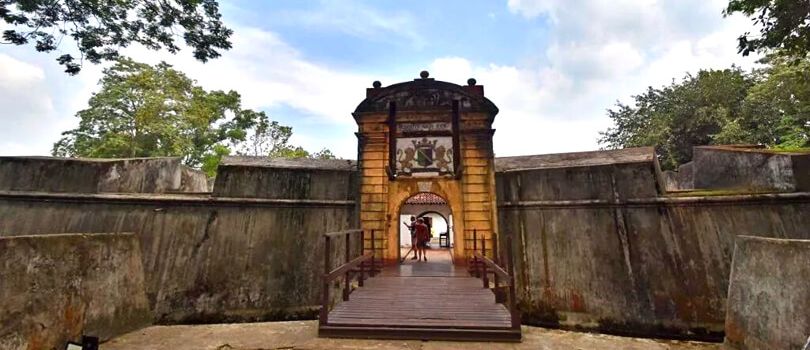
The fort is surrounded by a high, strong wall with four main entrances, and its layout reflects the military architecture of the period. The structure is a fusion of European and local design elements, and visitors can still see traces of the original Portuguese designs alongside Dutch modifications. The entrance to the fort is guarded by a large archway, with the fort’s name prominently displayed above it. Some parts of the fort, such as the old Dutch warehouse, have been preserved as cultural sites.
Things to Do at Matara Fort
There are several things to do and places to explore while visiting Matara Fort:
Facts and Tips about Matara Fort
Conclusion
Matara Fort stands as a proud reminder of Sri Lanka’s colonial history, offering a beautiful combination of historical architecture and stunning coastal views. Whether you're interested in history, architecture, or just a peaceful day by the sea, Matara Fort offers something for everyone. Its well-preserved structure, strategic location, and the surrounding scenic beauty make it one of the must-visit historical sites in Sri Lanka.