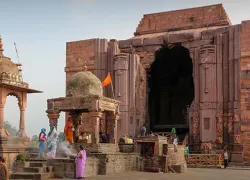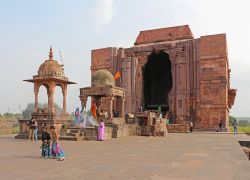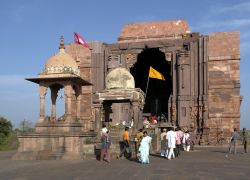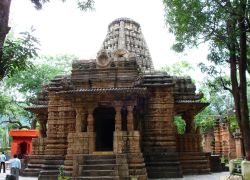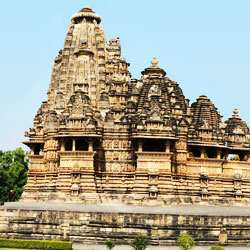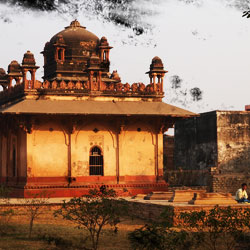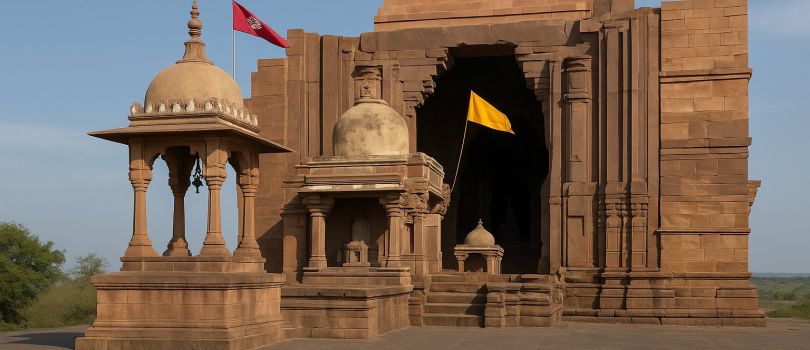
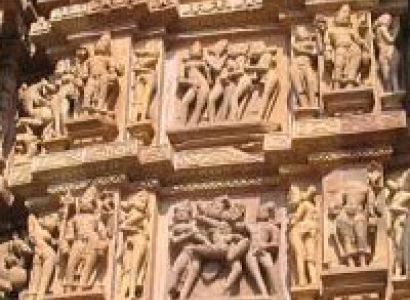
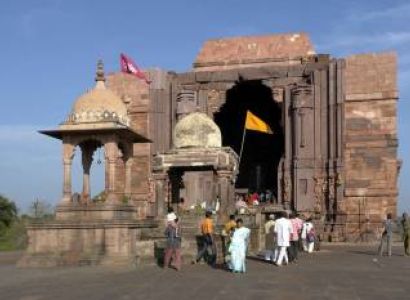
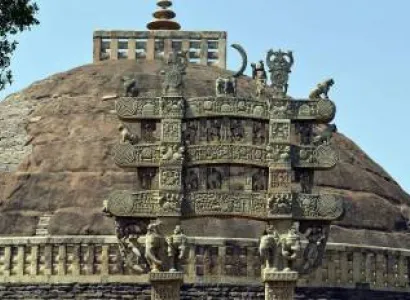
"An ancient shrine with intricate carvings."
The Kansua Temple is a sacred and historically rich Hindu temple dedicated to Lord Shiva. It is known for its spiritual atmosphere, ancient architectural style, and deep cultural importance. While it is often associated with central Indian temple circuits, it is most famously located in the Kota region of Rajasthan. However, many travel references and heritage discussions connect it with broader temple traditions seen in nearby regions such as :contentReference[oaicite:0]{index=0} due to similarities in ancient Shiva temple architecture across central India.
The temple is widely known as :contentReference[oaicite:1]{index=1} and is one of the most visited religious sites in the region. It is especially popular among devotees of Lord Shiva and travelers interested in ancient Indian temple design and spiritual tourism.
History of Kansua Temple
The Kansua Temple has a long and respected history that reflects the evolution of Hindu temple culture in India. It is believed to date back several centuries, with its origins linked to early Rajput-era architecture. The temple has been a significant place of worship for Shaivites (devotees of Lord Shiva) for generations.
According to local legends, the temple was established at a site where Lord Shiva was worshipped in the form of a naturally formed Shivling. Over time, rulers and devotees contributed to the construction and renovation of the temple, shaping it into its present form. Despite natural wear and historical changes, the temple continues to retain its spiritual essence.
The temple has survived multiple phases of restoration, reflecting the dedication of local communities who preserved its religious importance through centuries.
Architecture of Kansua Temple
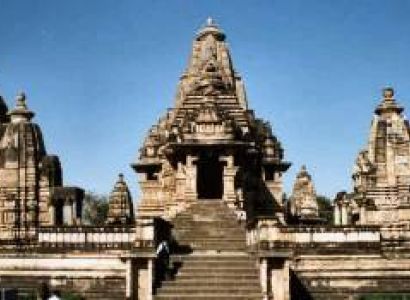
The architecture of Kansua Temple reflects traditional North Indian temple design. It features a simple yet powerful structure that focuses on spiritual experience rather than excessive decoration. Built primarily with stone, the temple showcases the Nagara style of architecture, characterized by a curvilinear tower (shikhara).
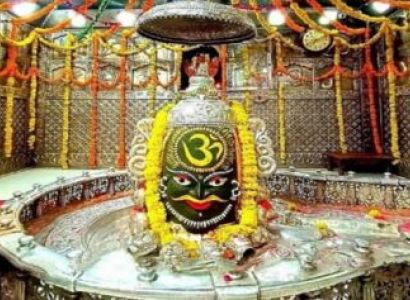
The sanctum houses the main Shivling, which is the central point of worship. The temple walls and pillars reflect minimalistic carvings compared to other grand temples, yet they carry strong symbolic meaning. The structure is designed to maintain a calm and meditative environment for devotees.
The temple complex also includes surrounding courtyards and smaller shrines dedicated to other Hindu deities. The simplicity of design enhances its spiritual aura, making it a peaceful retreat for worshippers.
Why Kansua Temple is Famous
Kansua Temple is famous primarily for its spiritual significance as a dedicated Shiva temple. Devotees believe that prayers offered here bring peace, prosperity, and spiritual fulfillment. The naturally formed Shivling adds to its religious importance.
The temple is also known for its calm surroundings and devotional atmosphere, making it a popular destination for meditation and religious rituals. During festivals like Maha Shivratri, the temple becomes a major center of celebration with thousands of devotees visiting to offer prayers.
Its historical legacy and connection with ancient temple traditions make it an important cultural landmark in the region.
How to Reach Kansua Temple
Reaching Kansua Temple is convenient due to its connectivity with Kota and nearby cities.
By Air: The nearest airport is Jaipur International Airport, located approximately 250 km away. From there, taxis and buses are available to reach Kota.
By Train: Kota Junction is the nearest major railway station and is well connected to cities like Delhi, Mumbai, Jaipur, and Indore. From the station, local transport such as autos and taxis can easily take visitors to the temple.
By Road: Kota has excellent road connectivity with major cities in Rajasthan and Madhya Pradesh. Regular buses, private taxis, and self-drive options are available.
Weather at Kansua Temple
The region experiences a semi-arid climate. Summers (March to June) are hot with temperatures often reaching 40°C. Monsoon season (July to September) brings moderate rainfall, offering a refreshing environment. Winters (October to February) are the most pleasant time to visit, with temperatures ranging between 8°C to 25°C.
Winter months are highly recommended for tourists due to comfortable weather and better travel conditions.
Timing and Entry Details
The Kansua Temple is generally open from 5:30 AM to 8:30 PM every day. Devotees can visit during morning and evening prayer sessions for a more spiritual experience.
There is usually no entry fee for visiting the temple. However, donations are accepted for temple maintenance and religious activities.
Things to Do at Kansua Temple
Visitors can engage in several meaningful activities during their visit:
You can participate in daily prayers and rituals, meditate in the peaceful surroundings, and explore the historical significance of the temple. Photography is allowed in outer areas, and visitors can also interact with local priests to learn about temple traditions.
During festivals, especially Maha Shivratri, the temple hosts special ceremonies, cultural events, and night-long prayers that offer a deep spiritual experience.
Interesting Facts About Kansua Temple
The temple is believed to house one of the naturally formed Shivlings in the region. It is also said that the temple has remained an active place of worship for centuries without interruption.
Another interesting fact is that the temple is surrounded by water bodies and greenery, which enhances its calm and meditative environment. Despite its simplicity, it holds deep religious importance for Shiva devotees.
Travel Tips for Visitors
Visitors should wear modest and comfortable clothing suitable for religious places. Early morning visits are ideal for peaceful darshan and fewer crowds. Carry water, especially during summer months.
It is recommended to respect temple customs, avoid loud behavior, and follow instructions given by temple authorities. Hiring a local guide can help you understand the historical and spiritual significance better.
Conclusion
Kansua Temple is a beautiful blend of spirituality, history, and simplicity. It may not be as grand as some famous temple complexes, but its peaceful atmosphere and deep religious importance make it a meaningful destination for devotees and travelers alike.
Whether you are visiting for spiritual reasons or cultural exploration, the temple offers a calm and enriching experience that reflects India’s timeless devotion to Lord Shiva.


















Bhojpur
Bhojpur
Bhojpur
Bhojpur
Bhojpur
Bhojpur
Bhojpur