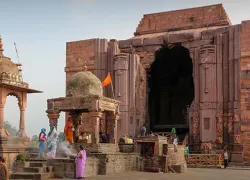
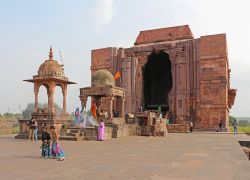
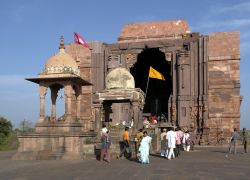
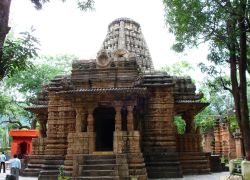
"A marvel of medieval temple architecture."
The Bhoramdeo Temple is one of the most fascinating and architecturally rich ancient temples in India. It is widely admired for its intricate stone carvings, spiritual significance, and historical legacy. Often referred to as the “Khajuraho of Chhattisgarh,” this temple is dedicated to Lord Shiva and reflects the deep cultural roots of central India. :contentReference[oaicite:0]{index=0} is a magnificent heritage site that attracts historians, devotees, photographers, and travelers from across the country.
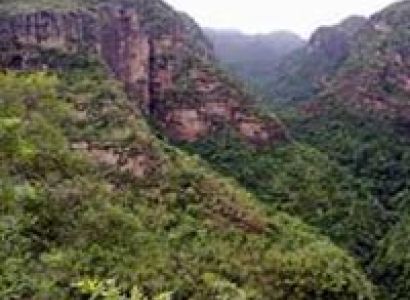
Although sometimes associated with nearby regions such as :contentReference[oaicite:1]{index=1} due to similar temple architecture styles in central India, Bhoramdeo Temple is actually located in the Kawardha region of Chhattisgarh, near the Maikal hills. Surrounded by lush forests and scenic landscapes, the temple offers a peaceful and spiritual environment for visitors.
History of Bhoramdeo Temple
The history of Bhoramdeo Temple dates back to between the 7th and 11th centuries. It was built during the rule of the Nagavanshi dynasty, who were great patrons of art, culture, and religion. The temple is believed to have been constructed in multiple phases, with early structures dating back to the 7th century and later expansions completed in the 11th century.
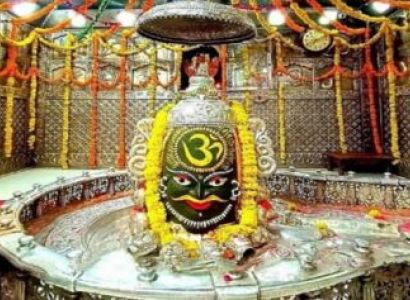
According to historical accounts, King Ramachandra Deo played a significant role in the temple’s development. The temple was dedicated to Lord Shiva, also known as Bhoramdeo, who is worshipped as the “God of the Black Hills.” Over centuries, the temple became an important spiritual center for Shaivism in central India.
Despite natural weathering and partial damage over time, the temple still stands strong, showcasing the engineering brilliance and devotion of ancient Indian craftsmen.
Architecture of Bhoramdeo Temple
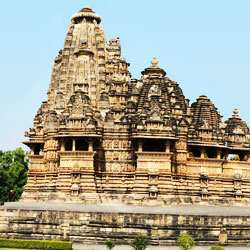
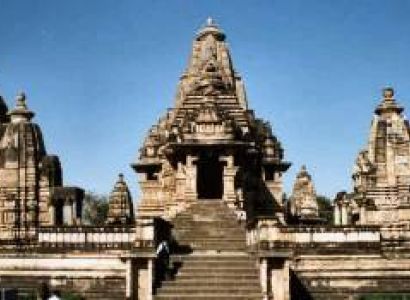
The architecture of Bhoramdeo Temple is its most striking feature. Built using sandstone, the temple follows the Nagara style of temple architecture, which is known for its tall shikhara (spire) and detailed carvings.
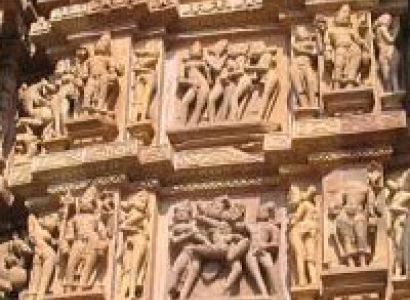
The walls of the temple are richly decorated with sculptures depicting Hindu gods, goddesses, dancers, animals, and scenes from daily life. One of the most unique aspects is the erotic sculptures, which resemble those found in Khajuraho temples, representing human emotions and spiritual symbolism.
The temple complex consists of multiple structures including the main sanctum (garbhagriha), mandapa (hall), and outer courtyards. The precision in stone carving and symmetry reflects advanced craftsmanship of ancient Indian artisans.
Why Bhoramdeo Temple is Famous
The temple is famous for several reasons. First, its architectural resemblance to Khajuraho makes it an important heritage site in central India. Second, its spiritual importance as a Shiva temple attracts thousands of devotees every year.
It is also known for its peaceful natural surroundings, making it a perfect blend of history, spirituality, and nature. The annual Maha Shivratri festival is celebrated with great devotion here, drawing large crowds from nearby regions.
How to Reach Bhoramdeo Temple
Reaching Bhoramdeo Temple is quite convenient through road and nearby transport hubs.
By Air: The nearest airport is Swami Vivekananda Airport in Raipur, located around 120 km away. From there, taxis and buses are available to reach the temple.
By Train: The nearest railway station is Rajnandgaon, which is well connected to major cities like Raipur, Nagpur, and Bilaspur.
By Road: The temple is well connected by road from Kawardha and Raipur. Regular buses and private taxis are available for visitors.
Weather at Bhoramdeo Temple
The region experiences a tropical climate. Summers (March to June) can be hot with temperatures reaching up to 40°C. Monsoon season (July to September) brings heavy rainfall, making the surroundings lush green and beautiful. Winters (October to February) are the best time to visit, with pleasant temperatures ranging from 10°C to 25°C.
Timings and Entry Details
The temple is generally open from 6:00 AM to 6:00 PM every day. Entry is usually free for visitors, although donations for temple maintenance are welcome.
Early morning visits are recommended for a peaceful experience and better photography opportunities.
Things to Do at Bhoramdeo Temple
Visitors can engage in several activities at the temple site:
You can explore the detailed carvings and ancient architecture, meditate in the peaceful surroundings, and learn about the history of the Nagavanshi dynasty. Photography enthusiasts can capture the artistic stone sculptures and natural beauty of the surroundings.
Nearby forests and tribal villages also offer cultural exploration opportunities for travelers interested in local traditions.
Interesting Facts About Bhoramdeo Temple
The temple is often compared to Khajuraho due to its erotic sculptures. It is also believed that the temple was once a major center for tantric practices. The entire structure is built without modern machinery, showcasing ancient engineering skills.
The temple is located close to the Bhoramdeo Wildlife Sanctuary, adding ecological importance to the region.
Travel Tips for Visitors
Visitors should wear comfortable clothing and footwear suitable for walking on stone surfaces. Carry water bottles, especially during summer. Respect the religious significance of the site and avoid touching delicate carvings.
It is also advisable to hire a local guide for better understanding of the temple’s history and hidden architectural details.
Conclusion
Bhoramdeo Temple is not just a religious site but a symbol of India’s rich cultural and artistic heritage. Its blend of spirituality, history, and natural beauty makes it a must-visit destination for travelers exploring central India. Whether you are a history lover, devotee, or tourist, this temple offers a deeply enriching experience that stays with you forever.
















Bhojpur
Bhojpur
Bhojpur
Bhojpur
Bhojpur
Bhojpur
Bhojpur