"Discover ancient Buddhist heritage in Sikkim."
About Pemayangtse Monastery
History, Architecture, and Design
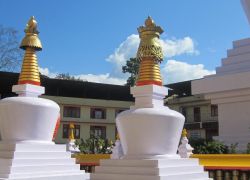
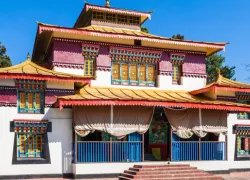
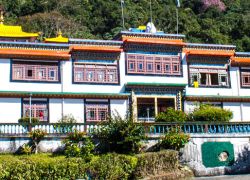
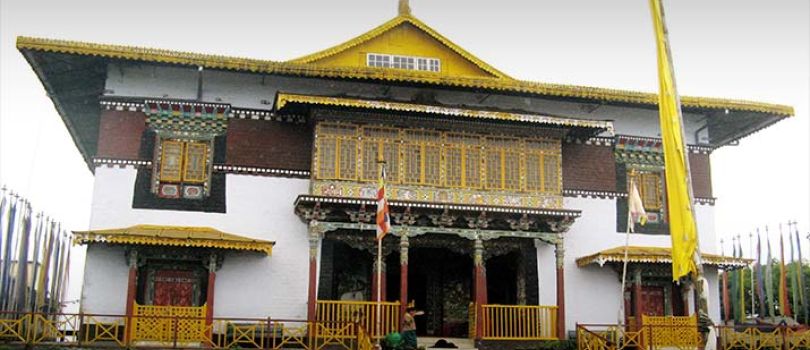
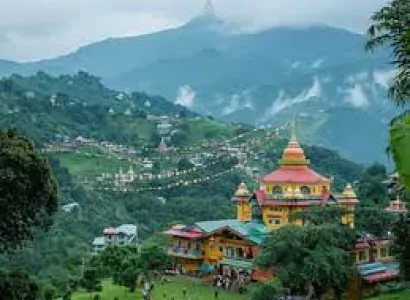
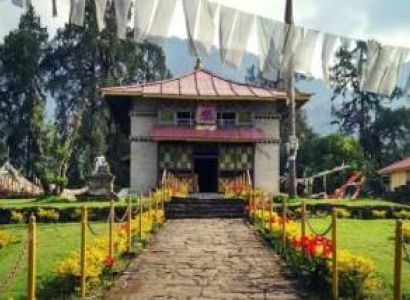
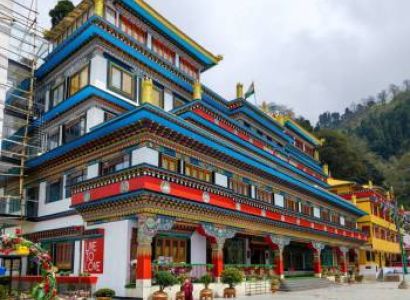
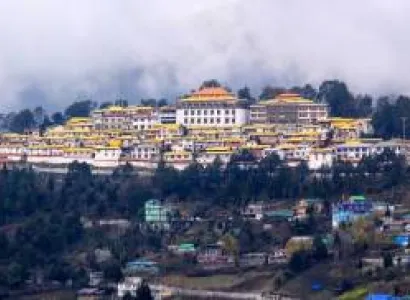
The Pemayangtse Monastery, located in Gangtok, Sikkim, is one of the oldest and most prestigious monasteries in the region. It was founded in the 17th century by Lhatsun Chempo, a revered lama of the Nyingma sect of Tibetan Buddhism. The monastery's architecture is a fine example of traditional Sikkimese craftsmanship, with intricate wood carvings, murals, and statues adorning its halls. The design of the monastery reflects the rich cultural heritage and religious significance of the region.
Best Time to Visit
The best time to visit Pemayangtse Monastery is during the months of March to May and September to November when the weather is pleasant and the monastery is adorned with colorful prayer flags and decorations.
Cultural Significance
Pemayangtse Monastery holds immense cultural significance for the people of Sikkim and the followers of Tibetan Buddhism. It is a spiritual hub where monks come to study, meditate, and perform religious rituals. The monastery also serves as a center for various cultural events and festivals that celebrate the local traditions and customs.
Pilgrimage Practices
Pilgrims from far and wide visit Pemayangtse Monastery to seek blessings, offer prayers, and participate in religious ceremonies. The monastery's serene ambiance and spiritual aura make it a popular destination for those seeking inner peace and enlightenment.
Dress Code and Etiquette
Visitors to Pemayangtse Monastery are required to dress modestly and respectfully. It is advisable to wear clothing that covers the shoulders and knees out of respect for the monks and the sacredness of the place. Visitors are also expected to maintain silence and refrain from taking photographs inside the monastery.
Activities and Experiences
Visitors to Pemayangtse Monastery can participate in meditation sessions, attend religious ceremonies, and explore the beautiful surroundings of the monastery. The tranquil setting of the monastery provides the perfect environment for contemplation and spiritual renewal.
Art and Religious Symbols
The walls of Pemayangtse Monastery are adorned with intricate paintings and sculptures depicting the life of Buddha and various religious symbols. The art inside the monastery serves as a visual representation of the teachings of Tibetan Buddhism and offers insights into the rich cultural heritage of the region.
Local Insights
Local guides and monks at Pemayangtse Monastery provide valuable insights into the history, traditions, and practices of Tibetan Buddhism. They share stories and anecdotes that offer a deeper understanding of the spiritual and cultural significance of the monastery.
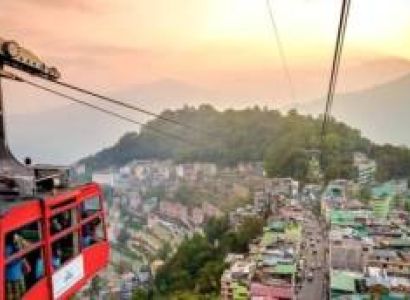




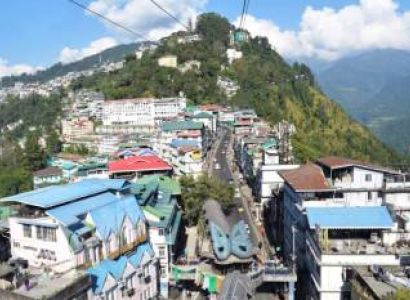
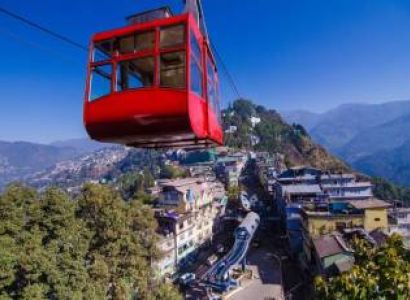



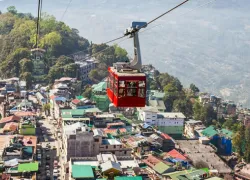
Gangtok
Gangtok