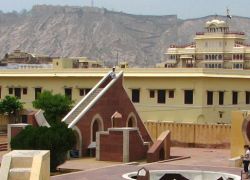
Largest of the five remarkable observatories made by Jai Singh in five different cities, this is the best-preserved one. It shows the Maharaja passion for astronomy. Translated into 'Instruments of Measuring the Harmony of the Heavens', Jantar Mantar was built between 1728 and 1734. It is a grand celebration of astronomical science. It appears to be a collection of sculptures with each sculpture serving a specific purpose of measuring attitudes, azimuths, calculating eclipses or counting of stars. This is the only observatory out of five built in running condition. Situated within the City Palace Complex, it is cut off from the main buildings.
Explore More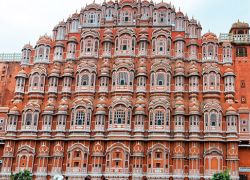
About The Hawa Mahal The Hawa Mahal, also known as the Palace of Winds, is a stunning architectural marvel located in the Pink City of Jaipur, Rajasthan. Built in 1799 by Maharaja Sawai Pratap Singh, this five-story palace is made of red and pink sandstone. The unique facade of the Hawa Mahal has 953 small windows, or jharokhas, which were designed to allow royal ladies to observe everyday life and festivals in the street below without being seen. Timings Of Hawa Mahal The Hawa Mahal is open to visitors every day from 9:00 am to 4:30 pm. Entry Fee The entry fee for Indian nationals is Rs. 50, while for foreign tourists, it is Rs. 200. There is an additional camera fee of Rs. 50 for still photography and Rs. 200 for videography. Required Time And Restricted Items Visitors typically spend about 1-2 hours exploring the Hawa Mahal. Some of the restricted items include weapons, sharp objects, food, and alcohol. Architecture Of Hawa Mahal The Hawa Mahal's unique architecture is a blend of Rajput and Mughal styles. The five-story structure is pyramid-shaped and has a honeycomb-like exterior with small windows, lattice work, and intricate detailing. The palace was designed by Lal Chand Ustad, a renowned architect of his time. Best Time To Visit The best time to visit the Hawa Mahal is during the winter months of October to March when the weather is pleasant and cool. How To Reach The Hawa Mahal is located in the heart of Jaipur and is easily accessible by road. Visitors can hire a taxi, auto-rickshaw, or take a local bus to reach the palace. Jaipur International Airport is the closest airport, located about 10 km away from the Hawa Mahal. History Of Hawa Mahal The Hawa Mahal was built in 1799 by Maharaja Sawai Pratap Singh, the grandson of Maharaja Sawai Jai Singh II. It was designed as an extension of the City Palace to allow royal ladies to watch processions and everyday life on the streets below while maintaining purdah. Inside Hawa Mahal Inside the Hawa Mahal, visitors can explore the various floors and chambers that offer stunning views of the city. The palace also houses a small museum that showcases artifacts, paintings, and sculptures from the royal era. Traveling Tips It is advisable to wear comfortable footwear as there are steep stairs and narrow corridors inside the palace. Visitors should also carry water and sunscreen, especially during the summer months. Hotels Near Hawa Mahal with names Some of the hotels near the Hawa Mahal include: 1. The Raj Palace 2. Alsisar Haveli 3. Umaid Bhawan Heritage House Hotel 4. Pearl Palace Heritage - The Boutique Guesthouse 5. Radisson Jaipur City Center Nearby Tourist Spots Of Hawa Mahal There are several tourist attractions near the Hawa Mahal that visitors can explore, including: 1. City Palace 2. Jantar Mantar 3. Amer Fort 4. Jal Mahal 5. Nahargarh Fort 6. Albert Hall Museum
Explore More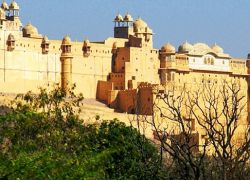
About The Amer Fort The Amer Fort, also known as Amber Fort, is a majestic fort located in Amer, a town situated near Jaipur, Rajasthan, India. This fort is one of the most popular tourist attractions in Jaipur and is recognized for its stunning architecture, rich history, and breathtaking views. The Amer Fort was built in 1592 by Raja Man Singh I and is a blend of Hindu and Mughal architectural styles. Timings Of Amer Fort The Amer Fort is open to visitors from 9:00 am to 5:00 pm every day of the week. Entry Fee The entry fee to Amer Fort is INR 100 for Indian nationals and INR 500 for foreign tourists. There is also a small fee for carrying a camera inside the fort. Required Time And Restricted Items It is recommended to spend at least 2-3 hours exploring the Amer Fort to fully appreciate its beauty and history. Some of the restricted items inside the fort include cigarettes, lighters, and plastic bags. Architecture Of Amer Fort The Amer Fort showcases a captivating blend of Rajput and Mughal architectural styles. The fort is made of red sandstone and marble, with intricate carvings, beautiful courtyards, and stunning palaces like Sheesh Mahal (Hall of Mirrors) and Sukh Niwas (Hall of Pleasure). Best Time To Visit The best time to visit the Amer Fort is during the winter months from October to March when the weather is pleasant and ideal for exploring the fort and enjoying the stunning views from its ramparts. How To Reach The Amer Fort is located approximately 11 kilometers from Jaipur city and can be easily reached by hiring a taxi or auto rickshaw. Visitors can also opt for public transport like buses to reach the fort. History Of Amer Fort The Amer Fort was originally built by Raja Man Singh I and later expanded by his descendants. The fort served as the residence of the Rajput Maharajas and played a crucial role in the defense of the region against various invasions. Inside Amer Fort Inside the Amer Fort, visitors can explore the various palaces, temples, gardens, and courtyards that offer a glimpse into the royal lifestyle of the Rajput rulers. The intricate artwork, mirror work, and paintings inside the fort are truly mesmerizing. Traveling Tips Some tips for visiting the Amer Fort include wearing comfortable footwear as there is a fair amount of walking involved, carrying a water bottle to stay hydrated, and hiring a guide to learn more about the history and significance of the fort. Hotels Near Amer Fort Some hotels near Amer Fort include: 1. Hotel Amer View 2. Trident Jaipur 3. Hotel Amer City 4. Hotel Amer Palace 5. Hotel Amer City Heritage Nearby Tourist Spots Of Amer Fort Some nearby tourist spots of Amer Fort include: 1. Jaigarh Fort 2. Nahargarh Fort 3. Jal Mahal 4. Hawa Mahal 5. Jantar Mantar 6. City Palace Jaipur
Explore More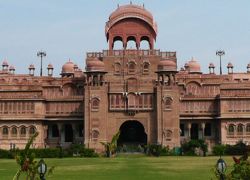
About The Lalgarh Palace The Lalgarh Palace is a magnificent architectural marvel located in Bikaner, Rajasthan. Built in the early 20th century, this stunning palace is a perfect blend of Rajputana, Mughal, and European architectural styles. The palace was commissioned by Maharaja Ganga Singh of Bikaner in memory of his father, Maharaja Lall Singh. Timings Of Lalgarh Palace The Lalgarh Palace is open to visitors every day from 10:00 AM to 5:00 PM. Entry Fee The entry fee for the Lalgarh Palace is INR 50 for Indian tourists and INR 300 for foreign tourists. Required Time And Restricted Items It is recommended to spend at least 1-2 hours exploring the Lalgarh Palace. Visitors are not allowed to carry any food items, drinks, or pets inside the palace premises. Architecture Of Lalgarh Palace The Lalgarh Palace features intricate latticework, filigree work, ornate balconies, and grand courtyards. The red sandstone facade of the palace is adorned with exquisite carvings and sculptures. The interior of the palace is equally impressive with beautifully decorated rooms and halls. Best Time To Visit The best time to visit the Lalgarh Palace is during the winter months from October to March when the weather is pleasant and ideal for sightseeing. How To Reach The Lalgarh Palace is located in Bikaner, Rajasthan, and is easily accessible by road, rail, and air. The nearest airport is the Jodhpur Airport, approximately 250 km away. Bikaner Junction is the nearest railway station, which is well-connected to major cities in India. History Of Lalgarh Palace The Lalgarh Palace was built between 1902 and 1926 by Sir Swinton Jacob, a British architect. The palace was named after Maharaja Lall Singh of Bikaner and served as the residence of the royal family. Today, it has been converted into a heritage hotel and museum. Inside Lalgarh Palace Inside the Lalgarh Palace, visitors can explore the grand Durbar Hall, which is adorned with intricate murals, stained glass windows, and antique furniture. The palace also houses a museum that showcases a collection of royal artifacts, weapons, paintings, and photographs. Traveling Tips It is advisable to wear comfortable clothing and footwear while exploring the Lalgarh Palace. It is also recommended to carry a camera to capture the stunning architecture and interiors of the palace. Visitors are advised to maintain the decorum and respect the heritage property. Hotels Near Lalgarh Palace There are several hotels near the Lalgarh Palace that offer comfortable accommodation options. Some of the popular hotels in the vicinity include Hotel Raj Vilas Palace, Hotel Bhairon Vilas, and Hotel Sagar. Nearby Tourist Spots Of Lalgarh Palace There are several tourist spots near the Lalgarh Palace that are worth visiting. Some of the must-visit attractions include Junagarh Fort, Karni Mata Temple, Gajner Palace, and Rampuria Havelis. These places offer a glimpse into the rich history and culture of Bikaner.
Explore More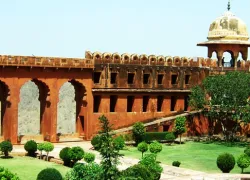
About The Jaigarh Fort Jaigarh Fort is a magnificent fort located in Jaipur, Rajasthan. It is situated on the Aravalli Hills, overlooking the Amer Fort. Built by Maharaja Sawai Jai Singh II in the early 18th century, the fort is known for its impressive architecture and historical significance. Timings Of Jaigarh Fort The Jaigarh Fort is open to visitors from 9:00 am to 4:30 pm every day of the week. Entry Fee The entry fee for Jaigarh Fort is INR 35 for Indian tourists and INR 85 for foreign tourists. Required Time And Restricted Items It is recommended to spend at least 2-3 hours exploring the fort. Visitors are not allowed to carry weapons, alcohol, or any illegal substances inside the fort. Architecture Of Jaigarh Fort The architecture of Jaigarh Fort is a fine example of Rajput military style. The fort is well-preserved and features massive walls, watchtowers, and bastions. The fort also houses a museum displaying weapons, armory, and artifacts from the past. Best Time To Visit The best time to visit Jaigarh Fort is during the winter months from October to March when the weather is pleasant and ideal for exploring the fort. How To Reach Jaigarh Fort is easily accessible by road from Jaipur city. Visitors can hire a taxi or take a bus to reach the fort. The fort is located around 15 km from Jaipur city center. History Of Jaigarh Fort Jaigarh Fort was built by Maharaja Sawai Jai Singh II in 1726 to protect the Amer Fort and the city of Jaipur. The fort served as a stronghold for the Rajput kings and played a significant role in the history of Rajasthan. Inside Jaigarh Fort Inside Jaigarh Fort, visitors can explore the various sections of the fort including the armory, granaries, temples, and palaces. The fort offers panoramic views of the surrounding hills and the Amer Fort. Traveling Tips It is advisable to wear comfortable footwear while exploring the fort as there are many stairs and uneven paths. Carry water and snacks as there are limited facilities inside the fort. Also, don't forget to carry a camera to capture the stunning views from the fort. Hotels Near Jaigarh Fort Some of the hotels near Jaigarh Fort are: 1. Trident Jaipur 2. Clarks Amer 3. Fairmont Jaipur 4. Rajasthali Resort and Spa 5. Lebua Resort Nearby Tourist Spots Of Jaigarh Fort Some of the nearby tourist spots of Jaigarh Fort include: 1. Amer Fort 2. Nahargarh Fort 3. Jantar Mantar 4. City Palace 5. Hawa Mahal
Explore More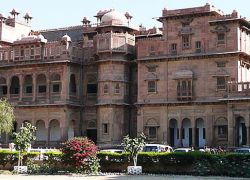
About The Junagarh Fort The Junagarh Fort, located in the city of Bikaner, Rajasthan, is a magnificent fort that stands as a symbol of the rich history and culture of the region. Built in the 16th century by Raja Rai Singh, the fort is a stunning example of Rajput and Mughal architecture. Timings Of Junagarh Fort The Junagarh Fort is open to visitors every day from 10:00 AM to 4:30 PM. It is advisable to check the timings before planning your visit as they may vary. Entry Fee The entry fee for the Junagarh Fort is INR 50 for Indian nationals and INR 300 for foreign nationals. There may be additional charges for cameras and video cameras. Required Time And Restricted Items It is recommended to allocate at least 2-3 hours to explore the Junagarh Fort thoroughly. Some of the restricted items inside the fort include sharp objects, firearms, and alcohol. Architecture Of Junagarh Fort The architecture of Junagarh Fort is a stunning blend of Rajput and Mughal styles, featuring intricate carvings, beautiful balconies, and ornate doorways. The fort also houses several palaces, temples, and pavilions that showcase the opulence of the royal era. Best Time To Visit The best time to visit the Junagarh Fort is during the winter months from October to March when the weather is pleasant and perfect for exploring the fort. How To Reach The Junagarh Fort is easily accessible by road, rail, and air. The nearest airport is in Jodhpur, around 251 km away, and the Bikaner Railway Station is well-connected to major cities in India. Local transport options like taxis and auto-rickshaws are also available. History Of Junagarh Fort The Junagarh Fort was built by Raja Rai Singh in 1589 AD and was later expanded by subsequent rulers. The fort has never been conquered and has stood as a symbol of strength and valor. Inside Junagarh Fort Inside the Junagarh Fort, visitors can explore various palaces, courtyards, and gardens that offer a glimpse into the royal lifestyle. Some of the must-visit attractions inside the fort include Anup Mahal, Chandra Mahal, Phool Mahal, and Karan Mahal. Traveling Tips It is advisable to wear comfortable clothing and shoes while visiting the fort as there is a lot of walking involved. Carry water and sunscreen to stay hydrated and protected from the sun. It is also recommended to hire a guide for a better understanding of the history and architecture of the fort. Hotels Near Junagarh Fort Some of the hotels near Junagarh Fort in Bikaner include Hotel Sagar, Hotel Bhairon Vilas, Hotel Harasar Haveli, and Vesta Bikaner Palace. These hotels offer comfortable accommodation and excellent hospitality to visitors. Nearby Tourist Spots Of Junagarh Fort Some of the nearby tourist spots of Junagarh Fort include Lalgarh Palace, Karni Mata Temple, Gajner Palace, and Rampuria Haveli. These attractions offer a deeper insight into the rich cultural heritage of Bikaner.
Explore More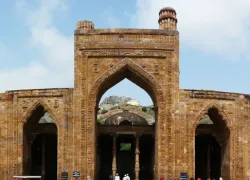
Adhai Din Ka Jhonpra is a remarkable structure of Indo-Islamic architecture said to have been built in two and a half days flat. This mosque was a Sanskrit college in the 12th century but in 1193 AD Mohammad Ghori destroyed the college and built a mosque in its place. It is built on pillars and surprisingly no two pillars are alike. The distinct pillars-and arched 'Screen' with its ruined minarets make it a splendid architectural masterpiece. The monument has seven arched walls with Islamic calligraphy, though most of it now remains in ruins. 'Adhai Din Ka Jhonpra' literally means 'shed of two-and-a-half days'. As mentioned earlier, a legend states that a part of the mosque was built in two-and-a-half days. Some Sufis claim that the name signifies a human's temporary life on the earth. According to the ASI, the name probably comes from a two-and-a-half-day-long fair that used to be held at the site. Har Bilas Sarda points out that the name 'Adhai-Din-ka-Jhonpra' is not mentioned in any historical source. Before the 18th century, the mosque was simply known as a 'Masjid' ("mosque"), since it had been the only mosque in Ajmer for centuries.
Explore More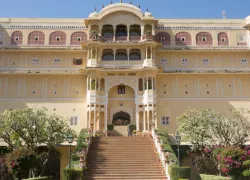
About The Samode Located in the royal state of Rajasthan, Samode is a quaint village just 40 kilometers away from the bustling city of Jaipur. Samode is famous for its stunning Samode Palace, which is now a luxurious heritage hotel offering a glimpse into the opulent lifestyle of the Rajput rulers. The village itself is a charming destination with its narrow lanes, traditional havelis, and vibrant markets. Timings Of Samode The Samode Palace is open to visitors from 10:00 AM to 5:00 PM every day. It is recommended to check the timings before planning your visit as they may be subject to change. Entry Fee The entry fee to visit the Samode Palace is INR 1,000 per person for Indian citizens and INR 1,500 per person for foreign nationals. Additional charges may apply for guided tours or special events. Required Time And Restricted Items It is recommended to allocate at least 2-3 hours to explore the Samode Palace and its surroundings. Visitors are advised not to carry any food items or drinks inside the palace premises. Smoking is also prohibited in the palace. Architecture Of Samode The Samode Palace is an architectural masterpiece that combines Rajput and Mughal styles. The palace boasts intricately carved doorways, frescoed walls, marble pillars, and stunning courtyards. The Sheesh Mahal (Hall of Mirrors) is a must-visit attraction within the palace, showcasing exquisite mirror work and glass mosaic. Best Time To Visit The best time to visit Samode is during the winter months of October to March when the weather is pleasant and ideal for sightseeing. Avoid visiting during the summer months as the temperatures can soar to uncomfortable levels. How To Reach Samode is easily accessible from Jaipur by road. Visitors can hire a taxi or take a bus from Jaipur to reach Samode. The nearest railway station is in Jaipur, and the nearest airport is Jaipur International Airport, which is well-connected to major cities in India. History Of Samode Samode has a rich history dating back to the 16th century when it was founded by the nobleman Rajput warrior, Gopal Singhji. The Samode Palace was built as a residence for the royal family of Samode and has since been converted into a heritage hotel. Inside Samode Inside the Samode Palace, visitors can explore the various rooms, courtyards, and gardens that offer a glimpse into the regal lifestyle of the past. The palace is adorned with antique furniture, ornate chandeliers, and intricate wall paintings that reflect the grandeur of the Rajput era. Traveling Tips Wear comfortable footwear as you will be walking around the palace premises. Carry a water bottle to stay hydrated during your visit. Respect the heritage property by not touching any artifacts or climbing on structures. Hire a guide to learn more about the history and architecture of the Samode Palace. Hotels Near Samode There are several luxury hotels near Samode that offer a comfortable stay for visitors. Some of the popular hotels in the vicinity include: Samode Palace Samode Bagh Samode Haveli Nearby Tourist Spots Of Samode While in Samode, visitors can explore nearby tourist spots such as: Jaipur: Explore the Pink City of India, known for its forts, palaces, and vibrant bazaars. Amber Fort: Visit this majestic fort located on a hill, offering panoramic views of the surrounding landscape. Jantar Mantar: Marvel at the astronomical instruments at this UNESCO World Heritage Site in Jaipur.
Explore More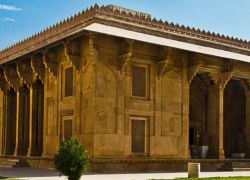
About The Akbar Fort The Akbar Fort, also known as the Ajmer Fort, is a historic fort located in the city of Ajmer, Rajasthan, India. It was constructed by Akbar, the Mughal emperor, in the 16th century. The fort is known for its impressive architecture and historical significance, making it a popular tourist attraction. Timings Of Akbar Fort The Akbar Fort is open to visitors from 10:00 AM to 5:00 PM every day of the week. Entry Fee The entry fee for visiting the Akbar Fort is INR 150 for adults and INR 50 for children. There may be additional charges for photography and videography. Required Time And Restricted Items It is recommended to allocate at least 2-3 hours to explore the Akbar Fort thoroughly. Visitors are not allowed to carry weapons, sharp objects, or any items that can be considered a security threat inside the fort. Architecture Of Akbar Fort The Akbar Fort showcases a blend of Mughal and Rajput architectural styles. The fort features intricately designed gates, pavilions, courtyards, and marble structures that reflect the grandeur of the Mughal era. Best Time To Visit The best time to visit the Akbar Fort is during the winter months from October to March when the weather is pleasant and ideal for sightseeing. How To Reach The Akbar Fort is located in the heart of Ajmer city, making it easily accessible by road. Visitors can reach the fort by hiring a taxi, auto-rickshaw, or opting for local transportation. History Of Akbar Fort The Akbar Fort was built by Emperor Akbar in 1570 AD to establish Mughal control over the region. It served as a strategic stronghold and a royal residence for the Mughal rulers during their visits to Ajmer. Inside Akbar Fort Inside the Akbar Fort, visitors can explore the Diwan-e-Khas (Hall of Private Audience), Diwan-e-Aam (Hall of Public Audience), Sheesh Mahal (Palace of Mirrors), and various courtyards and gardens that offer a glimpse into the royal lifestyle of the Mughal era. Traveling Tips It is advisable to wear comfortable footwear and carry water bottles while visiting the Akbar Fort, as there is a fair amount of walking involved. It is also recommended to hire a guide to learn about the historical significance of the fort. Hotels Near Akbar Fort There are several hotels near the Akbar Fort that offer comfortable accommodation options for tourists. Some of the popular hotels in the vicinity include Hotel Gulab Palace, Hotel Royal Palace, and Hotel Embassy. Nearby Tourist Spots of Akbar Fort There are several other tourist attractions near the Akbar Fort that visitors can explore, such as the Ajmer Sharif Dargah, Ana Sagar Lake, Adhai Din Ka Jhopra, and the Mayo College. These attractions offer a diverse range of experiences for travelers visiting Ajmer.
Explore More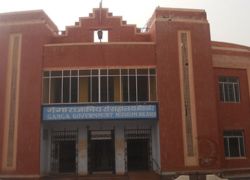
Ganga Golden Jubilee Museum also has some collectibles which more than somewhat saying historical like old photographs, trophies, shikar objects early cameras and movie projectors and weapons. This museum is said to be the best in Rajasthan and is now run by the Government of Rajasthan. It has a superb collection of terra-cotta ware, paintings, coins, sculptures and arms. Inauguration Bikaner Museum was founded by his Majesty Ganga Singh, on the occasion of his golden jubilee in 1937, when he completed fifty years of his reign. A big celebration was held and dignitaries from overseas graced the festivity. Lord Linlithgow the then Viceroy of British India did inauguration of this museum.At first the museum was housed in a sand stone building near the Lalgarh palace, but it was rather a small building. So a mew building was constructed and his majesty Karni Singh declared it open to visitors on September 4/1954. In the first six years of its inauguration it remained in charge of the state government of Bikaner. Then in 1950 it was handed over to the state government of Rajasthan. Most fascinating Twelve Months Paintings of this series reflect the mental agony of a young girl who is in love with a noble man of warrior community, who has gone out to a war. In these paintings the mood of this girl, is depicted. She is shown pining, as many months have been spent without the caresses and embraces of her lover. Further she is shown in other paintings revealing the cruel time, that is eating up her youth and charming perfection of her anatomy. She is shown in her agony through the various seasons and natural phenomenon. Witnessing the moon she says, 'O Moon you know my condition, that when the whole world sleeps during night, I keep awake and you give me company, therefore you are my true companion. Now please do me a favour that since you may see the whole world, while you keep shining in the sky so find it out where my lover is and give him my message of love and good wishes and tell him to come immediately to me". Visiting hours 10.00 A.M. to 4.30 P.M. Weekly holiday Every Friday.
Explore More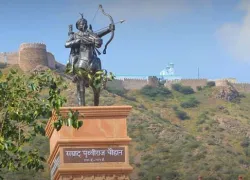
Prithviraj Chauhan was a great emperor in the history of Ajmer. His valor is glorified everywhere as he never gave up and fought till the end before getting martyred. Being the last ruler from the Chauhan lineage, he will always be remembered. To commemorate his bravery and reign in Ajmer, a memorial has been erected. This memorial is visited by the people on a huge scale. It Is Known For:-1) Prithviraj Smarak is a well-known memorial in Ajmer. It has the backdrop of the Aravalli Hills2) The statue of the king is carved out of the black marble. It is depicted as seated on a horse and aiming his weapon at the enemy 3) Visitors often visit this memorial on a daily basis but, the footfall increases on the birth and death anniversary of Prithviraj Chauhan. Many folk musical concerts are also held at this place. Best Time To Visit:-There's no special season or day for paying a casual visit at Prithviraj Smarak. This memorial stands in a bustling area and is visited by millions of people on a daily basis. Whether it is summer or winter, day or night, any time is suitable for visiting Prithviraj Smarak and paying homage to a great warrior king. Reaching There:-Prithviraj Smarak stands in a lively area. Hundreds of vehicles cross past it and thus, there's no hassle in reaching this place. It can be easily reached via any means of transport. Nearest Railway Station- Ajmer JunctionNearest Airport- Sanganer Airport
Explore MoreRajasthan Grand Tour 12 Days - 11 Nights
12 Days/ 11 Night
Bikaner - Jaisalmer - Jodhpur - Mandawa - Udaipur - Agra
Wildlife - Nature Tour 5 Nights - 6 Days
6 Days/ 5 Night
Bharatpur - Jaipur - Ranthambore - Sariska - Sawai Madhopur
Spiritual - Culture Tour 4 Nights - 5 Days
5 Days/ 4 Night
Ajmer - Bikaner - Jaipur - Pushkar - Deshnoke
4-Day Golden Triangle Budget Bonanza Ex-Gwalior
4 Days/ 3 Night
Jaipur - Agra - Fatehpur Sikri
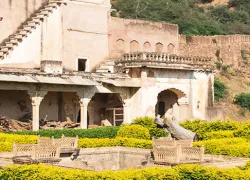
About The Taragarh Fort The Taragarh Fort, also known as the Star Fort, is a magnificent hilltop fort located in the city of Ajmer, Rajasthan, India. It was built in the 14th century by King Ajaypal Chauhan and stands as a symbol of the rich history and heritage of the region. The fort offers stunning panoramic views of the surrounding landscape, making it a popular tourist destination. Timings of Taragarh Fort The Taragarh Fort is open to visitors from 9:00 AM to 5:00 PM every day of the week. Entry Fee The entry fee for the Taragarh Fort is INR 25 for Indian nationals and INR 150 for foreign tourists. Required time and Restricted Items It is recommended to allocate at least 2-3 hours to explore the Taragarh Fort thoroughly. Visitors are not allowed to bring food, alcohol, or plastic bags inside the fort premises. Architecture of Taragarh Fort The Taragarh Fort is known for its impressive architecture, with massive stone walls, intricately designed gateways, and well-preserved ruins. The fort complex includes several reservoirs, temples, and pavilions, showcasing the skill and craftsmanship of the builders. Best Time to Visit The best time to visit the Taragarh Fort is during the winter months from October to March when the weather is pleasant and ideal for exploring the fort and its surroundings. How to Reach The Taragarh Fort is located in Ajmer, which is well-connected by road, rail, and air. The nearest airport is in Jaipur, approximately 135 kilometers away. Visitors can also reach Ajmer by train or bus from major cities in Rajasthan. History of Taragarh Fort The Taragarh Fort was built in the 14th century by King Ajaypal Chauhan of the Chauhan dynasty. It served as a strategic stronghold to protect the kingdom from external invasions. Over the centuries, the fort witnessed several battles and changes in ownership before falling into ruins. Inside Taragarh Fort Inside the Taragarh Fort, visitors can explore the imposing gates, reservoirs, temples, and cannons that offer a glimpse into its past glory. The fort also houses a museum with artifacts and exhibits related to its history and significance. Traveling Tips It is advisable to wear comfortable footwear and carry water bottles while visiting the Taragarh Fort, as there are steep pathways and stairs to navigate. It is also recommended to hire a local guide to learn more about the fort's history and legends. Hotels Near Taragarh Fort There are several hotels and resorts near the Taragarh Fort that offer comfortable accommodation and modern amenities for tourists. Some of the popular options include Hotel Chitvan, Hotel Mansingh Palace, and Hotel Ambassador. Nearby Tourist Spots of Taragarh Fort There are many other tourist attractions in Ajmer that visitors can explore after visiting the Taragarh Fort, including the Ajmer Sharif Dargah, Ana Sagar Lake, Adhai Din Ka Jhonpra, and the Nareli Jain Temple.
Explore More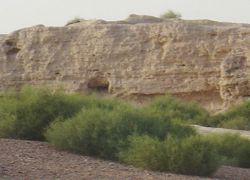
The extensive remains of the pre-Harappan and Harappan civilizations, found at this place in the Hanumangarh district, are of immense interest. This place houses immense treasure of our past and is of particular interest to archaeology enthusiasts.
Explore More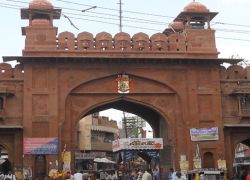
Bikaner is a golden city established in the year 1488 AD by a Rajput prince, Rao Bika Ji. The city has every bit of Rajput territory and houses various havelis, places, museums, temples, and many other places of interest that bring to one mind the magnificence of pastime. Offering a brief look of the stunning architectural work in Bikaner, Kote Gate is the main entrance gate of the city. This structure is an excellent example of intricate artistry of the workers of the olden days. Made of bricks and red sand stones, Kote Gate is standing tall in the middle of the road and separates the old town, and the new town of Bikaner. While one side of the gate is the modern city, the other side has beautiful old havelis or mansions that are the finest architectural pieces. Many visitors from all across the country and even from other parts of the world visit this place to experience and admire the old world charm. This place is most frequented by history buffs, photo fanatics and shopaholics. Things To Do Here: One of the most popular activities to do near Kote Gate is to go for shopping in the local market (bazaar) that is situated around it. The noisy street beside the Kote Gate is filled with plenty of shops and you can shop for some stunning stuff in this market. Attractive options are abundantly offered here. Things you must purchase from here include beautiful accessories made from camel hide, and open-toed shoes that are worn traditionally by the men. Other interesting things that you can fetch here are utensils, miniature paintings, handicrafts, colorful attires, beautiful khadi items like kurtas, wooden carvings or artifacts, Kundan jewelry, fragrant spices, and much more. You can find a number of big hand-loom showrooms and high-end shops in the market, but some of the finest wares can be found and bought from the smaller shops and street stalls. This popular street market in Bikaner has something for everyone. You should use your bargaining skills to a great extent when you enter this market. You never know you might end up purchasing the most exclusive souvenir at never-before prices in this market. And when you get tired of from shopping, you can enjoy some local delicacies here. You also find some eating joint selling specialties like Bikaneri bhujiya, Bikaneri sweets, tea made from camel’s milk, etc. in this street market. The Best Time To Visit Here: Bikaner is a place which experiences extreme climate throughout the year. While the summers of Bikaner are hot and humid, winter days are chilly. So, the best time to visit Kote Gate and the other places of interest in Bikaner is from month of October to March when the climate remains cool and pleasant. Nearby Places To Visit Here: As Bikaner houses many forts, havelis, temples and many more, visitors can explore many interesting places while visiting Kote Gate. Some places of interest near Kote Gate are Ganesh Mandir, Matyasadarshini, Karni Mata Mandir, Ratan Behari Temple, Narsingh Bhagwan mandir, Junagarh Fort, Lallgarh Palace, kharnada Hanuman Mandir, Jagdish Mandir, Bhandsar Jain Temple, Shiv Bari Temple, Kodamdeshwar Temple, Shri Laxminath Temple, Bhandeshwari Jain Temple, Karan Mahal, Phool Mahal, Anup Mahal, Chandra Mahal, Gajner Palace, National Research Center on Camel, Imperial Art Gallery, Visakha Museum, Ganga Golden Jubilee Museum, Prachina Museum, Sadul Singh Museum, Gajner Wildlife Sanctuary, Ramakrishna Beach,etc. How To Reach Here: Bikaner is well-connected with all the major cities of the country like Mumbai, Delhi, Jaipur, Ahmedabad and Chennai. Once you reach Bikaner, you can easily reach Kote Gate as public transport is abundantly available at all parts of the city for easy commutation. • By Air- The nearest airport to reach Bikaner is the Jodhpur International Airport that is at a distance of about 251 km from the place. You can hire private taxi or cab from the airport to reach Bikaner and Kote Gate. • By Train- Bikaner Junction (BKN) and Lalgarh Junction (LGH) are the two railway junctions in the town. As Kote Gate is situated at a walking distance from Bikaner Junction (BKN), you can take public transport like buses, taxi, cab, auto rickshaw to reach the place from this railway station. Visiting Time For Kote Gate: The timings for shopping at Kote Gate market in Bikaner is from morning 10:30 am to evening 8:30 pm. The suggested duration for shopping in the market is around 1 to 2 hours.
Explore More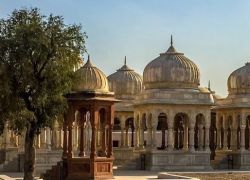
About The Royal Cenotaphs The Royal Cenotaphs, also known as Chhatries of Bikaner, are a group of royal tombs located in the city of Bikaner, Rajasthan. These cenotaphs are a remarkable example of Rajput architecture and are dedicated to the royals of the Bikaner dynasty. Each cenotaph is a beautifully crafted marble structure that showcases the rich history and heritage of the region. Timings Of The Royal Cenotaphs The Royal Cenotaphs are open to visitors from morning until evening, usually between 8:00 AM to 6:00 PM. It is advisable to check the timings before planning your visit to avoid any inconvenience. Entry Fee There is a nominal entry fee to visit The Royal Cenotaphs. The entry fee may vary for Indian and foreign tourists, so it is recommended to inquire about the current rates before visiting. Required Time And Restricted Items It takes approximately 1-2 hours to explore The Royal Cenotaphs thoroughly. Visitors are advised to carry their essentials like water bottles, hats, and sunscreen. However, smoking, littering, and photography inside the cenotaphs are strictly prohibited. Architecture Of The Royal Cenotaphs The Royal Cenotaphs exhibit a blend of Mughal and Rajput architectural styles. The intricate carvings, domes, and pillars of the cenotaphs reflect the grandeur and opulence of the Rajput rulers. The white marble structures stand majestically amidst beautifully landscaped gardens, making them a delight for architecture enthusiasts. Best Time To Visit The best time to visit The Royal Cenotaphs is during the winter months (October to March) when the weather is pleasant and ideal for sightseeing. It is recommended to avoid visiting during the scorching summer months to enjoy the cenotaphs comfortably. How To Reach The Royal Cenotaphs are easily accessible by road from Bikaner city. Visitors can hire a taxi or take a local bus to reach the cenotaphs. The nearest railway station is Bikaner Junction, which is well-connected to major cities in India. The nearest airport is Jodhpur Airport, located approximately 250 km away from Bikaner. History Of The Royal Cenotaphs The Royal Cenotaphs were built in memory of the Bikaner rulers and their families. Each cenotaph is dedicated to a specific royal family member and serves as a tribute to their legacy. The construction of these cenotaphs dates back to the 16th and 17th centuries, showcasing the rich cultural heritage of the Bikaner region. Inside The Royal Cenotaphs The interiors of The Royal Cenotaphs are adorned with intricate carvings, frescoes, and paintings that depict scenes from Hindu mythology and the royal lineage. The cenotaphs house beautifully sculpted statues and memorabilia of the royal families, giving visitors a glimpse into the bygone era of the Bikaner dynasty. Traveling Tips It is advisable to wear comfortable footwear and clothing while visiting The Royal Cenotaphs as there is a fair amount of walking involved. Carry a camera to capture the stunning architecture and surroundings, but remember to abide by the photography rules set by the authorities. Lastly, respect the sanctity of the cenotaphs and maintain a peaceful environment during your visit. Hotels Near The Royal Cenotaphs Some of the hotels near The Royal Cenotaphs in Bikaner include: 1. Laxmi Niwas Palace 2. Narendra Bhawan 3. Hotel Maharaja Ganga Mahal 4. The Lallgarh Palace - A Heritage Hotel 5. Hotel Bhairon Vilas Nearby Tourist Spots Of The Royal Cenotaphs While visiting The Royal Cenotaphs, tourists can explore other nearby attractions such as Junagarh Fort, Lalgarh Palace, Karni Mata Temple, and Gajner Palace. These tourist spots offer a deeper insight into the history and culture of Bikaner, making it a memorable travel experience for visitors.
Explore More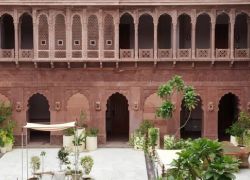
Rajasthan has become one of the leading destinations in India and every year lakhs of tourists from all corners of the world throng the exquisite place. The place has an extremely rich history and offers tourists several attractions. The state has gained huge popularity for its majestic forts and unique palaces that go a long way in adding charm to its beauty. The exquisiteness of Rajasthan is such that the place receives a significantly higher number of tourists from many foreign destinations. The diverse and colorful culture of Rajasthan has left scores of foreigners in awe of the place. Among the various stunning places, Sadul Singh Museum has emerged as one of the major sightseeing attractions of Bikaner. Sadul Singh Museum is located with the Lalgarh Palace. According to experts, the art museum has been devoted to succeeding rulers of Bikaner that may include Maharaja Ganga Singh, Sadul Singh, and Karni Singh. When you visit the temple, you will come across a huge collection of Georgian Paintings, stunning photographs, several trophies of hunting, unique artifacts at the gallery of the museum. The museum has segregated the sections in order to devote them to each king highlighting his achievements and heroic activities. Sadul Singh has gained massive fame for its warrior heritage and the place has remained true to that ancestry. Sadul Singh Museum also depicts the images of the royal families and several other items that the royal family used in their day to day life. The different images of many different generations of the royal family have been put together in an attractive style. When you begin to see these pictures and read about them, you will find yourself completely lost in history. The several items available in the museum may include Royal carriage, the train that Maharaja Ganga Singh had purchased from Bikaner, and projectors among others. If you love to explore the history, the place is ideal for you. Visitor Information: Sadul Singh Museum is located on the second floor of the Lalgarh Palace. The museum remains open from 10 in the morning to 5 in the evening. The museum remains closed on Sunday. Traveler Tips: Travellers must be aware of the basic things before venturing into Rajasthan. The temperature of Rajasthan may turn highly humid and hot during the day time. When you step out for sight-seeing, make sure you carry plenty of water in your bags. Due to the high temperature, you may feel thirsty every now and then. When it comes to clothing, make sure you wear light and comfortable clothes. You can capture pictures of the magnificent articles kept inside the museum. You also need to brush up your knowledge about the history of the palace. Things to Do: You can indulge in some fun shopping when you happen to visit Sadal Singh Museum. You can explore the local markets that are full of artistic items. Make sure you do not pollute the place and don’t throw the litter everywhere on the roads. A large number of tourists thronging the Museum do not forget to take the camel ride that will be full of entertainment. Availability: Guides are also available for your convenience. You can hire the guide as per your spoken language. English-speaking guides and regional language speaking guides can be hired to make your trip memorable. Sometimes, the travel and tour operator offers a guide in your package. History: If you want to take a sneak peek into history, you must visit Sadul Singh Museum that offers a rich history to travel buffs. You will get to know the powerful past of royalty in vast details. You will also witness Georgian culture in close detail. You may also capture the beautiful pictures that will become your treasure trove. Best Time to Visit: You need to plan your trip during the colder months. Ideally, you should visit Rajasthan from October to March. Rajasthan remains extremely hot during the summer months and you may not be able to tolerate the extreme heat during these months. However, Mt Abu is comparatively cooler in comparison to the other parts of Rajasthan. You should also avoid touring the place during monsoon season as the rain may impact your sightseeing. Winter has emerged as the best period to make your trip to Sadal Singh Museum. How to Reach? Jodhpur is the nearest airport where you can get domestic flights. And, the nearest railway station is Bikaner Junction or Lalgarh Railway station. You can also get buses that have been plying between major cities. When you get down at the airport and railway station, you can hire autos, taxis, or buses to reach Lalgarh Palace and from thereon you will find the museum on the second floor. Interesting Facts and Trivia About: You will witness clothes and armor at the museum. The museum has a magnificent dome and corridor style architecture. It is in white construction material. You will also get to see the transportation vehicles that kings used for visiting various places. The vehicles include Baggi and train. You will also find detailed pictures of royal families. Nearby Attractions: When you are in Sadul Singh Museum, you will witness various nearby attractions to explore. It may include Junagarh Fort, Kota Gate, Lalgarh Palace, Jain temple, Gajner temple, Karni Mata Temple. You can anytime visit these popular places and boost your fun. Therefore, we can conclude here that Sadul Singh Museum, Bikaner has emerged as one of the best destinations in Rajasthan and you will definitely fall in love with the place.
Explore More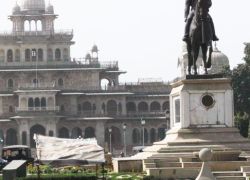
This museum is the oldest museum present in the state. Colonel Sir Swinton Jacob designed the building of the museum and it is situated in the midst of Ram Niwas Bagh. The museum was constructed in the year 1876, during the period when King Edward VII, the Prince of Wales visited India. The period was opened for public in the year 1886.
Explore More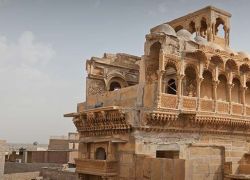
About The Salim Singh's Haveli Salim Singh's Haveli is a magnificent mansion located in the heart of Jaisalmer, Rajasthan. This historical building was built in the early 18th century by Salim Singh, the then prime minister of Jaisalmer. The haveli is renowned for its stunning architecture and intricate carvings that showcase the rich cultural heritage of Rajasthan. Timings Of Salim Singh's Haveli The Salim Singh's Haveli is open to visitors every day from 9:00 AM to 6:00 PM. Entry Fee The entry fee for visiting Salim Singh's Haveli is INR 20 for Indian nationals and INR 100 for foreign tourists. Required Time And Restricted Items It takes about 1-2 hours to explore the beauty of Salim Singh's Haveli. Visitors are not allowed to carry items such as cameras, bags, and food inside the haveli. Architecture Of Salim Singh's Haveli The architecture of Salim Singh's Haveli is a fine example of Rajasthani craftsmanship. The haveli features ornate balconies, intricately carved walls, and exquisite archways that reflect the opulence of the bygone era. Best Time To Visit The best time to visit Salim Singh's Haveli is during the winter months of October to March when the weather is pleasant and ideal for exploring the historical sites of Jaisalmer. How To Reach Salim Singh's Haveli is located in the heart of Jaisalmer city and can be easily reached by various modes of transportation. The nearest airport is Jodhpur Airport, which is around 300 kilometers away. Jaisalmer Railway Station is well-connected to major cities like Delhi, Jaipur, and Jodhpur. History Of Salim Singh's Haveli Salim Singh's Haveli was built in 1815 by Salim Singh, the powerful prime minister of Jaisalmer. The haveli was constructed using yellow sandstone and served as the residence of the Singh family for many years. Inside Salim Singh's Haveli Inside Salim Singh's Haveli, visitors can admire the exquisite mirror work, vibrant frescoes, and beautifully carved pillars that adorn the interiors. The haveli also houses a museum that displays artifacts and antiques from the bygone era. Traveling Tips It is advisable to hire a tour guide to learn about the rich history and architecture of Salim Singh's Haveli. Visitors should wear comfortable footwear as there are narrow stairs and uneven pathways inside the haveli. Hotels Near Salim Singh's Haveli There are several hotels and guesthouses located near Salim Singh's Haveli that offer comfortable accommodation options for tourists. Some of the popular hotels near the haveli include Hotel Pleasant Haveli, Suryagarh Jaisalmer, and Fort Rajwada. Nearby Tourist Spots Of Salim Singh's Haveli Some of the nearby tourist spots of Salim Singh's Haveli include Jaisalmer Fort, Patwon Ki Haveli, Nathmal Ki Haveli, and Gadisar Lake. Visitors can explore these attractions to get a glimpse of the rich cultural heritage of Jaisalmer.
Explore More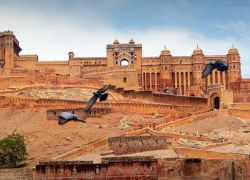
Jaisalmer War Museum is a well-known tourist attraction in Jaisalmer. It is a museum that narrates the tales of the different wars fought by the Indian army and glorifies the bravery of all Indian soldiers. It is a huge and spacious building that was chosen for the celebration of the Golden Jubilee of the Indo-Pak War of 1971. Presently, it is a must-see attraction in Jaisalmer and is visited by numerous people on a huge scale. It Is Known For:- Jaisalmer War Museum is an amazing museum and one of its own kinds in the city of Jaisalmer It was commemorated to glorify the sacrifice and heroic acts of the Indian army during the Indo-Pak war of 1971 It has different galleries that display the models of the weaponry that was used for fighting the war The museum has a hall named 'Laungewala Battle Hall' that is dedicated to the battle of Laungewala. The prime highlight of this hall is the 106 mm RCL gun that played a vital role in fighting with the army of Pakistan Another prominent hall known by the name of 'Indian Army Hall' should be visited. It displays the information related to the awards, posts, ammo, and other things that are related to the Indian Army Best Time To Visit:- Jaisalmer War Museum is a remarkable attraction in Jaisalmer that evokes a spark of patriotism in every individual. This place welcomes the visitors across the year including the national holidays and festivals. No entry fee is charged from the visitors and the same applies to the car parking area as well. The museum premises have a cafeteria that serves delicious food and snacks. Reaching There:- Jaisalmer War Museum is well-connected via all major roads of the city. Numerous buses and taxis ply to its route frequently. Nearest Railway Station:- Jaisalmer Railway Station Nearest Airport:- Jodhpur Airport
Explore More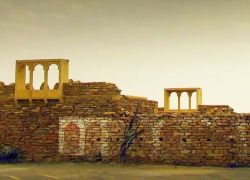
About The Khaba Fort The Khaba Fort, located in Jaisalmer, Rajasthan, is a historic structure that dates back to the 13th century. It is a magnificent example of Rajputana architecture and offers visitors a glimpse into the region's rich cultural heritage. Timings Of Khaba Fort The Khaba Fort is open to visitors from 10:00 AM to 5:00 PM every day of the week. Entry Fee The entry fee for the Khaba Fort is INR 100 for Indian nationals and INR 300 for foreign tourists. There is an additional camera fee of INR 50 for those looking to capture the beauty of the fort. Required Time And Restricted Items Visitors typically spend around 1-2 hours exploring the Khaba Fort. It is important to note that outside food, weapons, and pets are not allowed inside the fort premises. Architecture Of Khaba Fort The Khaba Fort is a stunning example of Rajput architecture, characterized by its majestic sandstone walls and intricate carvings. The fort offers panoramic views of the surrounding desert landscape and is a must-visit for history and architecture enthusiasts. Best Time To Visit The best time to visit the Khaba Fort is during the winter months of October to March when the weather is pleasant and ideal for exploring the fort and its surroundings. How To Reach The Khaba Fort is located around 85 km from the city of Jaisalmer and can be easily reached by road. Visitors can hire a taxi or take a bus to reach the fort from Jaisalmer. History Of Khaba Fort The Khaba Fort was built by the Rajput rulers of Jaisalmer in the 13th century. It served as a stronghold for the local community and provided protection against invasions. The fort has seen many battles and is a symbol of the region's rich history. Inside Khaba Fort Inside the Khaba Fort, visitors can explore the various rooms, courtyards, and balconies that offer insight into the daily life of the fort's residents. The fort also houses a small museum that displays artifacts and exhibits related to the fort's history. Traveling Tips It is recommended to wear comfortable footwear and carry sufficient water while visiting the Khaba Fort, as the terrain can be rough and the weather hot. Visitors should also be respectful of the fort's historical significance and refrain from littering. Hotels Near Khaba Fort There are several hotels near the Khaba Fort that offer comfortable accommodation options for visitors. Some of the popular hotels in the vicinity include Hotel Pleasant Haveli, Hotel Fifu, and Hotel Moonlight. Nearby Tourist Spots Of Khaba Fort Visitors to the Khaba Fort can also explore nearby tourist spots such as the Kuldhara Ghost Village, Bada Bagh, and the Desert National Park. These attractions offer a deeper insight into the region's history and natural beauty.
Explore More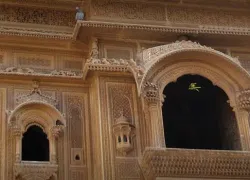
Nathmal Ki Haveli is a famous heritage monument in the city of Jaisalmer. It was built as a residence for the Prime Minister of Jaisalmer, Diwan Mohata Nathmal. It is a unique grandeur that never fails to catch the attention of visitors on a huge scale. This building is known for its architecture. The onlookers usually get astonished on seeing such a mansion in Jaisalmer. It Is Known For:- Nathmal Ki Haveli is known for its unique architecture. Although it is built in the traditional Rajasthani style of architecture, it has a structure that is different in terms of style on both sides. It was designed by the architect brothers named Lulu and Hathi. Since the right instruments didn’t exist in the previous times for measuring the apt size, the Haveli was built without the blueprint and finally came up with an irregular design. Nathmal Ki Haveli holds beautiful carvings on the exterior as well as the interior walls. It has the sculptures of the lions and elephants at the entrance gates. Interestingly, this mansion is one among those monuments all over Jaisalmer that do not have an Islamic touch in their architecture. Best Time To Visit:- Nathmal Ki Haveli is a must-see attraction in Jaisalmer. Due to its unique but, eye-catchy architecture, it never fails to attract the visitors from different cities and states. It can be visited throughout the year without any hassle. A visitor should be careful and should carry the sunscreen and water, especially when he/she is planning to visit this Haveli during summers Reaching There:- Nathmal Ki Haveli is located in a well-known area of Jaisalmer that has a wider connectivity of the roadways. Thus, an individual can reach this amazing site either by bus or by a taxi. Nearest Railway Station:- Jaisalmer Railway Station Nearest Airport:- Jodhpur Airport
Explore More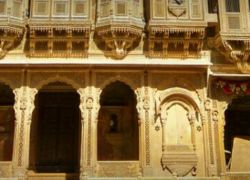
Patwon Ki Haveliyan stands among the heritage monuments in Jaisalmer. Standing adjacent to each other, Patwon Ki Haveliyan is a cluster of 5 mansions that were built by a wealthy banker named Guman Chand Patwa. He built each Haveli for each of his 5 sons. These mansions are an amazing example of the Rajasthani style of architecture. People who visit Jaisalmer do not miss taking a glance at these beautiful Havelis. It Is Known For:- Patwon Ki Haveliyan are monuments of interest and are protected by the Archaeological of India as they have beautiful and unique carvings done on the interior as well as exterior walls. These Havelis are also known by the name of 'Mansion of Brocade Merchants' because the Patwa and his sons used to deal in the threads of gold and silver for stitching the dress. Presently, Patwon Ki Haveliyan are frequented by the locals and visitors alike. The largest Haveli incorporates the Department of Art & Craft in its premises. Best Time To Visit:- Patwon Ki Haveliyan are simply enchanting and leave no chance to impress the visitors. Across the year, thousands of visitors arrive at Jaisalmer and admire the beauty of these mansions. Without visiting Patwon Ki Haveliyan, a trip to Jaisalmer remains incomplete. The entry to this tourist attraction is paid for all. No foreign tourist is charged with the special amount for entering Patwon Ki Haveliyan. Reaching There:- Patwon Ki Haveliyan are located near a residential area in Jaisalmer. Thus, any mode of transport can be chosen for visiting the place. Since the cabs and jeeps cannot enter the narrow lanes, taking a rickshaw or walking is the righteous choice for all. Nearest Railway Station:- Jaisalmer Railway Station Nearest Airport:- Jodhpur Airport
Explore More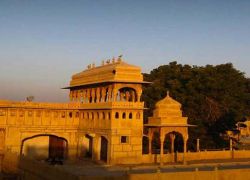
Tazia Tower is a beautiful and a frequently visited travel attraction in Jaisalmer. It lies in the vicinity of Badal Palace that used to be the residence of the royal family in the bygone times. It was built as a gift to the king of Jaisalmer by the Muslim architects and their workers. This tower is located near the roof of the palace and is visible from a distance. It Is Known For:- Tazia Tower is an example of the amalgam of the Rajasthani and Islamic styles of architecture. It was constructed in 1886 AD. The royal guards used to keep an eye on the fort vicinity and nearby village from this place. The tower has five storeys and each storey boasts the serpentine carvings different from each other. Its intricate carvings tell about the skillful craftsmanship of the bygone era. Presently, Tazia Tower is a great attraction where people get themselves clicked. It is a favorite point for a pre-wedding photoshoot. Best Time To Visit:- People visit Jaisalmer on a huge scale. Tazia Tower is one among those places that are not missed by the visitors and thus, it witnesses a vast crowd of visitors on a daily basis. The locals and tourists are attracted to this place alike throughout the year. Reaching There:- Due to a wider connectivity of the roadways, Tazia Tower can be reached without any chaos. The local transit is the perfect option for visiting this place and admiring the beauty. Nearest Railway Station:- Jaisalmer Railway Station Nearest Airport:- Jodhpur Airport
Explore MoreRajasthan Royal Heritage - Desert Tour 10 Nights - 11 Days
11 Days/ 10 Night
Ajmer - Jaipur - Jaisalmer - Jodhpur - Pushkar - Ranthambore - Udaipur - Sawai Madhopur
Desert - Camping Tour 4 Nights - 5 Days
5 Days/ 4 Night
Jaisalmer - Jodhpur
Best-Selling 5-Day Rajasthan Tour Package For Couples
5 Days/ 4 Night
Jaipur - Udaipur
7 Days Delhi Agra Jaipur Tour Package - Golden Triangle Odyssey
7 Days/ 6 Night
New Delhi - Jaipur - Agra
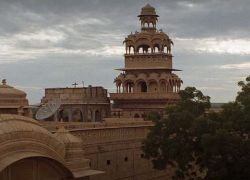
Thar Heritage Museum is a haven for the history lovers. It is a not-so-big but, worth visiting museum in Jaisalmer. It is a place that showcases the early history of Jaisalmer. Tourists, especially foreigners are impressed when they learn about the rich culture of Jaisalmer. This museum never disappoints any of its visitors. It Is Known For:- Thar Heritage Museum is famous for housing the artifacts that were discovered during the excavations. A sizable artifacts like the coins, utensils, paintings, toys etc. date back to the ancient period. Also, this museum showcases the rare photographs of the royal families of Jaisalmer. The photos include the entire royal clan, their foreign visits, their cars, and much more that is jaw-dropping. The collection is not limited till the royals. One can also witness the previous photographs of the buildings and forts located in Jaisalmer. Comparing the previous photos with the present-day ones is intriguing in true words. Best Time To Visit:- Thar Heritage Museum is an apt place for gaining the knowledge about the history of Jaisalmer. An individual doesn’t need to wait for a specific season of the year to pay a flying/planned visit to this place. It welcomes the tourists throughout the year. The entry to this museum is paid and that depends on the visitors’ nationality. Photography is allowed for an extra charge but videography is strictly prohibited. Reaching There:- Thar Heritage Museum stands in a bustling area that is well-connected with the major roads of the city. Any local transit can be chosen for reaching this place conveniently. Nearest Railway Station:- Jaisalmer Railway Station Nearest Airport:- Jodhpur Airport
Explore More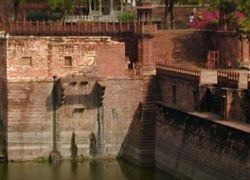
Arna Jharna is a well-known tourist spot in Jodhpur. It is a desert museum that never fails to attract numerous people. It was conceptualized by Komal Kothari along with her son Kuldeep Kothari. This museum spans over an entire area of 10 acres of land and exhibits various attractions. It is an ideal place to gain the knowledge about the rural communities and their lifestyle. It Is Known For:- 1) Arna Jharna is a famous museum that allows the visitors to peek into the lives of the rural communities all over Jodhpur. 2) This museum houses the real huts made up of mud, hay, and bamboo. 3) The prime highlight of this museum is the vast collection of the brooms that were utilized by the rural communities. It has some galleries where different artifacts like the utensils and other toys are displayed. 4) Arna Jharna Museum also provides the information on the traditional dances of the rural communities of Jodhpur as well. 5) The folk music and dance performances are held at this museum every evening. Best Time To Visit:- Arna Jharna Museum never fails to attract the history lovers and tourists. It is a place that offers the knowledge that people hardly find in the textbooks or on the internet. Excluding the national holidays and festivals, any time of the year is seen as the best for paying a visit to this museum. Entry to Arna Jharna Museum is paid for all visitors. Reaching There:- Due to its location on the outer circle of Jodhpur, it is well-connected via the highway that connects it with the main city of Jodhpur. Numerous buses are available for commuting to & from Arna Jharna Museum. Nearest Railway Station:- Jodhpur Junction Nearest Airport:- Jodhpur Airport
Explore More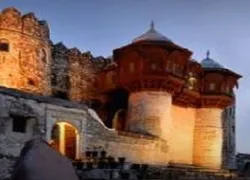
About The Khejarla Fort The Khejarla Fort, located in Jodhpur, Rajasthan, is a magnificent heritage fort that dates back to the 17th century. This majestic fort has now been converted into a luxurious heritage hotel, offering guests a glimpse into the royal Rajput lifestyle. Timings Of Khejarla Fort The Khejarla Fort is open to visitors from 9:00 AM to 5:00 PM on all days of the week. Entry Fee The entry fee for adults is INR 200 per person, while children under the age of 10 can enter for free. Required Time And Restricted Items Visitors typically spend around 2-3 hours exploring the fort. Smoking and carrying outside food are not allowed within the premises. Architecture Of Khejarla Fort The Khejarla Fort boasts stunning Rajput-Mughal architecture with intricate carvings, ornate jharokhas, and grand courtyards. The fort's towering walls and majestic gates reflect the grandeur of the bygone era. Best Time To Visit The best time to visit the Khejarla Fort is from October to March when the weather is pleasant, making it ideal for exploring the fort and its surroundings. How To Reach The Khejarla Fort is located approximately 85 kilometers from Jodhpur city. Visitors can hire a taxi or take a private car to reach the fort. The nearest airport is Jodhpur Airport, which is well-connected to major cities in India. History Of Khejarla Fort The Khejarla Fort was built in the 17th century by the Rathore clan of Rajputs. It served as a stronghold for the rulers of the region and played a significant role in the history of Rajasthan. The fort has witnessed several battles and has stood the test of time, showcasing the valor and grandeur of its rulers. Inside Khejarla Fort Inside the Khejarla Fort, visitors can explore the grand courtyards, intricately decorated rooms, beautiful frescoes, and a well-preserved collection of artifacts. The fort also offers stunning views of the surrounding countryside from its ramparts. Traveling Tips It is advisable to wear comfortable footwear and carry drinking water while exploring the fort. Visitors should also listen to the guides to learn about the rich history and architectural significance of the fort. Hotels Near Khejarla Fort 1. Khejarla Fort Hotel 2. WelcomHeritage Khejarla Fort 3. Fort Khejarla - The Royal Castle Nearby Tourist Spots Of Khejarla Fort 1. Mehrangarh Fort 2. Jaswant Thada 3. Umaid Bhawan Palace 4. Mandore Gardens 5. Bishnoi Village
Explore More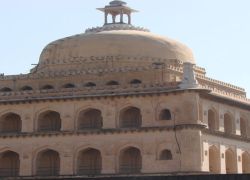
Being one of the most historic states of India, Rajasthan houses a number of monuments, palaces, and forts as a symbol of the heritage of the country. The unique appeal of this place and the amalgamation of innumerable attractions make it such a famous tourist destination. Alwar is a famous place in Rajasthan that has numerous attractions for history lovers. Tomb of Fateh Jang is one such monument located in Alwar that is entrenched with both architectural excellence as well as historical significance. This marvelous structure is one of the finest specimens of Indo-Islamic architecture in Alwar. It is a big delight for architecture lovers to visit this stunning monument in lesser-known areas of Alwar. The Tomb of Fateh Jung is a famous mausoleum built in the honor of Fateh Jang (a very important official in the court of Mughal Emperor Shah Jahan), who was known for his greatness and kindness. Being one of the most historic states of India, Rajasthan houses a number of monuments, palaces, and forts as a symbol of the heritage of the country. The unique appeal of this place and the amalgamation of innumerable attractions make it such a famous tourist destination. Alwar is a famous place in Rajasthan that has numerous attractions for history lovers. Tomb of Fateh Jang is one such monument located in Alwar that is entrenched with both architectural excellence as well as historical significance. This marvelous structure is one of the finest specimens of Indo-Islamic architecture in Alwar. It is a big delight for architecture lovers to visit this stunning monument in lesser-known areas of Alwar. The Tomb of Fateh Jung is a famous mausoleum built in the honor of Fateh Jang (a very important official in the court of Mughal Emperor Shah Jahan), who was known for his greatness and kindness. Architecture Of Tomb Of Fateh Jang: The architectural grandeur of the Tomb of Fateh Jang is also a great attraction for the tourists. This five-storied structure boasts a perfect blend of Mughal and Indo Islamic architecture in India. Shah Jahan had a very keen interest in the Mughal architecture. So, during his reign, several monuments and forts were built in Rajasthan and Delhi illustrating the influence of Mughal architecture. The Tomb of Fateh Jang is one of these amazing structures and hence comprised of features of the exclusive architectural styles. Some of the features of this magnificent tomb that will undoubtedly grab the visitor’s attention are round domes, high minarets, and superior quality sandstone. The ceiling and walls of the tomb have raised plaster reliefs and fine calligraphic engravings on the first floor definitely a treat to the eyes. The exterior of the tomb that consists of a huge dome-shaped structure and the unique miniature design of the monument manifest the excellent skills and talents of the artisans and the architectural style of that time. The structure is surrounded by beautiful lush green gardens adding to the charm of the monument. This famous historical monument is now maintained by the Archaeological Survey of India. Best Time To Visit Here: The favorable time to visit the Tomb of Fateh Jang is between the months of September and March. Summer days in Alwar could get slightly warm and not comfortable for sightseeing although the nights in Alwar are cooler even during summers. Nearby Attractions Here: Alwar is located on the fringe end of the Aravali range in Rajasthan and is one of the most frequented destinations in the princely state of Rajasthan. This historic city is replete with a number of tombs, forts, temples, palaces and many other attractions that bear shreds of evidence to its glorious past. While on a visit to Tomb of Fateh Jang, visitors can explore some of its major nearby attractions including Bhangarh Fort, Bala Quila Fort, Rani Moosi Ki Chhatri, Kesroli, Purjan Vihar, Siliserh Lake Palace, Moti Dungri, Neelkanth Mahadeo Temple, City Palace, Company Bagh, Vijay Mandir Palace, Sariska National Park and many more. How To Reach Here: As Tomb of Fateh Jang is situated at a very convenient location in Alwar, it can be easily reached by taxi, cab, and auto-rickshaw. Visiting Time Of Tomb Of Fateh Jang: The tomb is open to the public on all days from 9.00 am till the evening. The architectural grandeur of the Tomb of Fateh Jang is also a great attraction for the tourists. This five-storied structure boasts a perfect blend of Mughal and Indo Islamic architecture in India. Shah Jahan had a very keen interest in the Mughal architecture. So, during his reign, several monuments and forts were built in Rajasthan and Delhi illustrating the influence of Mughal architecture. The Tomb of Fateh Jang is one of these amazing structures and hence comprised of features of the exclusive architectural styles. Some of the features of this magnificent tomb that will undoubtedly grab the visitor’s attention are round domes, high minarets, and superior quality sandstone. The ceiling and walls of the tomb have raised plaster reliefs and fine calligraphic engravings on the first floor definitely a treat to the eyes. The exterior of the tomb that consists of a huge dome-shaped structure and the unique miniature design of the monument manifest the excellent skills and talents of the artisans and the architectural style of that time. The structure is surrounded by beautiful lush green gardens adding to the charm of the monument. This famous historical monument is now maintained by the Archaeological Survey of India. Best Time To Visit Here: The favorable time to visit the Tomb of Fateh Jang is between the months of September and March. Summer days in Alwar could get slightly warm and not comfortable for sightseeing although the nights in Alwar are cooler even during summers. Nearby Attractions Here: Alwar is located on the fringe end of the Aravali range in Rajasthan and is one of the most frequented destinations in the princely state of Rajasthan. This historic city is replete with a number of tombs, forts, temples, palaces and many other attractions that bear shreds of evidence to its glorious past. While on a visit to Tomb of Fateh Jang, visitors can explore some of its major nearby attractions including Bhangarh Fort, Bala Quila Fort, Rani Moosi Ki Chhatri, Kesroli, Purjan Vihar, Siliserh Lake Palace, Moti Dungri, Neelkanth Mahadeo Temple, City Palace, Company Bagh, Vijay Mandir Palace, Sariska National Park and many more. How To Reach Here: As Tomb of Fateh Jang is situated at a very convenient location in Alwar, it can be easily reached by taxi, cab, and auto-rickshaw. Visiting Time Of Tomb Of Fateh Jang: The tomb is open to the public on all days from 9.00 am till the evening.
Explore More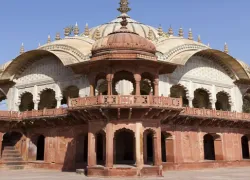
One of the most popular and magnificent royal tomb (cenotaph) located in Alwar, Moosi Rani Ki Chhatri is built in the memory of one of the Alwar’s Ruler Maharaja Bakhtawar Singh and his queen Rani Moosi. The dual attraction of the Moosi Rani ki Chhatri with numerous historical significance and a remarkable architecture manages to attract a large number of tourists. This wonderful structure showcases typical Rajputana architecture where chhatris are considered as the essential aspect of honor and pride. These chhatris are the dome-shaped pavilions which are elevated above the ground and look like an umbrella. History Of Moosi Rani Ki Chhatri: Moosi Rani Ki Chhatri is a double-storied cenotaph, constructed by Vinay Singh in the year 1815 in the memory of his father Maharaja Bakhtawar Singh and his mistress Moosi Rani. This structure was named Moosi Rani Ki Chhatri after Moosi Rani performed sati here when the Maharaja died. After the Rani Moosi performed sati, she came to be accepted as Maharaja’s wife. Architecture Of Moosi Rani Ki Chhatri: The architectural grandeur of the monument gives it a spectacular view. This elegant monument is shaped like a flower and is built with a blend of brown or red sandstone and white marbles. It is a two-storey building built with red sandstone and based on many small white marble pillars. The domed pavilions or chhatris on the ground floor of the structure are the major attractions here. The elephant structural design based on red sandstone pillars is also an important attraction in the monument. The upper storey of the building is built with marble stones housing unique rounded roofs, beautiful bends and arches. The insides of the structure are highly decorated with intricate carvings, eye-popping mythological wall paintings, and frescoes on its ceiling. There is also a colossal water tank with beautiful carvings built near the chhatri. Things To Do Here: • Visitors can enjoy the architecture and intricate designs of the fort that shines brilliantly under sunlight. • The complex provides a visual treat to its visitors with hundreds of peacocks and colorful birds moving around the place. • Visitors can enjoy the picturesque location of the Aravallis, the lush greenery and colorful flowers that add to the charm of the place. Best Time To Visit Here: One should avoid visiting Moosi Rani Ki Chhatri in summers, as summers of Alwar are extremely hot and exhausting. The sporadic rainfalls during the rainy season make Alwar look very beautiful, so you can visit Moosi Rani Ki Chhatri between the months of July to September. The best season to visit Alwar and Moosi Rani Ki Chhatri is the winter season. The temperature during this period remains comfortable and is suitable for visiting this monument and other places of interest in Alwar. The best months to visit here are October, November, December, February, and March. Nearby Attractions Here: As Alwar houses many forts, places, national parks and many more, visitors can explore many places while visiting Moosi Rani Ki Chhatri. Some of the major nearby attractions are Bhangarh Fort, Bala Quila, Kesroli, Tomb of Fateh Jang, Sariska National Park, Siliserh Lake Palace, Moti Dungri, Neelkanth Mahadeo Temple, City Palace, Vijay Mandir Palace, Company Bagh, and many more. How To Reach Here: Alwar is well connected to several major cities like Udaipur, Kolkata, Mumbai, Jodhpur, and Delhi. You can take trains, buses, and flights from major cities including Jaipur, Delhi, Bangalore, and other major cities. Once you reach Alwar, you can hire a taxi or cab or auto-rickshaw to reach Moosi Rani Ki Chhatri. Visiting Time Of Moosi Rani Ki Chhatri: The visiting time for Moosi Rani Ki Chhatri is from 9:00 am till 4:30 pm. It is opened on every day except Fridays.
Explore More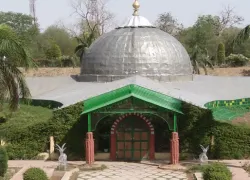
Purjan vihar, Alwar is a beautiful and aesthetic garden well-known in Rajasthan. The verdant greenery and brilliant architecture of this garden is something that you must visit on your trip to Alwar. Built-in 1868 by Maharaja Shiv Dan Singh this picturesque destination with splendid lawns and the trimmed garden is located in the heart of the city and draws many visitors from different parts of the nation. This was once a royal heritage property but is now open for the common public owing to its beauty and old-world charm. Tips For Visiting This place is open from 9 am to 5 pm for tourists and visitors. There is no entry fee to get into the garden. The minimum time required to explore this place is about 1-2 hours. Things to do Purjan Vihar, Alwar is an ideal picnic spot to enjoy your day with family and friends. You can explore this stunning garden and enjoy its architecture. Along with this, you can enjoy other activities like visiting tiger reserve and going fishing in Lake Siliserh or if you are a devotee of Karni Mata you can visit Karni Mata temple on your tour to the city of Alwar. There are tons of other activities like visiting forts, museums, palaces, etc which you can plan and enjoy with all your loved ones on your trip. How to reach? This tourist destination is well connected by rail, road, and air. The nearest railway station is the Alwar railway station, which is connected with major cities railway stations like Mumbai, Agra, etc while Jaipur airport is the nearest airport which is also welled with regular domestic flights. PurjanVihar, Alwar being in the center of the city, can easily be reached by taking a rickshaw, taxi or local bus. History The garden was created in the 19th century by Maharaja Shiv Dan Singh in the year 1868. Huge structures with dome known as ‘Shimla’ were built all around the garden to prevent the blazing sun from entering this stunning garden. This was built as a summer house to escape the soaring temperature of the desert. Originally the garden was known as ‘company garden’ but the park was later renamed by Maharaja Jai Singh as Purjan Vihar. The outstanding formation of structure and innate aesthetic beauty of the garden of Purjan Vihar, Alwar is what draws tourist from all over the world Best Time to Visit The best time to visit this picturesque Purjan Vihar, Alwar is during sunrise so that you can appreciate its natural beauty to the fullest. The period from September to February is an ideal time to take your family and friends on this trip. The weather is very moderate in Alwar with hot summer, rainy monsoon, and pleasant winters. Nearby Attractions Siliserh Lake- The Lake was built in 1845 AD by Maharaj Vinay Singh who has several domed cenotaphs. It is spread over 7 sqkm and forms the backdrop of Siliserh palace. The major activity on the lake is fishing and it is 13km away from the city of Alwar. You can see a lot of migratory birds on your trip to Siliserh Lake, too as it is located within Aravalli hills. Bala Quila - The fort was built before Mughal rule in India and is also known as Alwar fort. It is located 595m away from the city center. The fort is large and consists of 15 large towers and 51 small towers. There are 6 gates and 446 holes for firing guns. The gates are named after famous personalities which adds to its attraction and has much history associated with it. Government Museum - This is a must-visit place with lots of Persian and Sanskrit manuscripts, musical instruments, stuffed animals, miniature paintings, pottery, and brass work, etc which can be seen in government museums. Formed post-independence it houses several items from the palace. Moosi Maharani Ki Chhatri– It is a tomb of Maharaja Bhaktawar Singh and his queen Rani Moosi. The tomb was built by Maharaja Vinay Singh and is on pillared walls. This elephant structured design is a key element of the attraction along with gold leaf painting and sculptures in the ceiling. The cenotaph is made from indo- Islamic architectural design like floral tracery, domed arches, etc. The Chhatri is located in the banks of Lake Sagar, surrounded by a garden. Karni Mata Temple- This popular pilgrim temple is situated on the way to Bala Qila in Alwar. The temple is dedicated to Karni Mata, who is a guardian deity of royal families. It is built in sandstone and has an exemplary design that blends Indian and Mughal styles. It has pillared galleries topped with carved domes and pergolas while the inner walls depict stories of Karni Mata. The temple is known for rats and draws devotees from different parts of the world. PurjanVihar, Alwar has become a landmark Alwar attraction with its luxuriant lawns and natural beauty under the patronage of maharaja Shiv Dan Singh. This is among the most beautiful tourist destination in Alwar and attracts visitors from in and around the world. With easy connectivity and tons of places to visit and activities to do, Alwar makes for an ideal getaway for a family vacation. So next time you want to plan a trip to Rajasthan, make sure to stop at Alwar to enjoy its rich culture and breath-taking beautiful tourist destinations to enjoy your vacation to the fullest.
Explore More