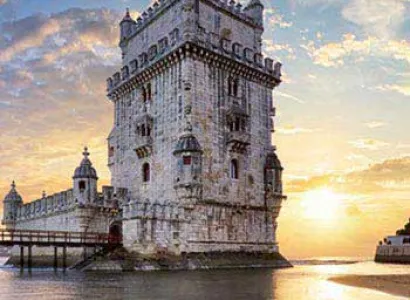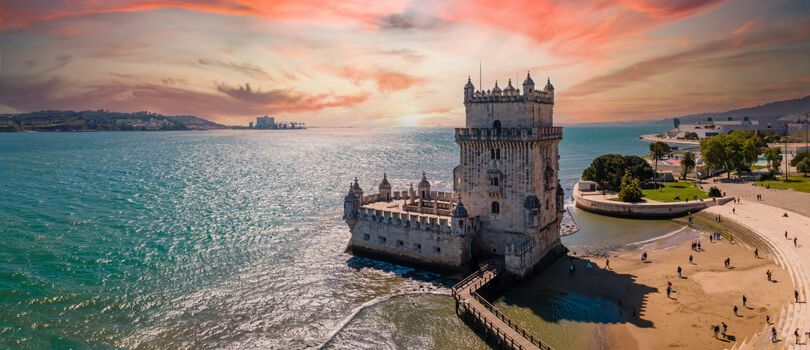
"Admire a historic fortress overlooking the river."
One of Lisbon’s most iconic landmarks, Belem Tower (Torre de Belém) is a stunning fortress situated on the banks of the Tagus River. It is a symbol of Portugal’s rich maritime history and its Age of Exploration. With its unique architectural design and historical significance, Belem Tower attracts thousands of visitors every year. Whether you’re a history enthusiast or just someone who appreciates beautiful architecture, Belem Tower is a must-visit attraction in Lisbon.
How to Reach Belem Tower, Lisbon
Belem Tower is located in the Belem district of Lisbon, around 6 km west of the city center. The area is easily accessible through various forms of public transport, as well as walking. Here are the best ways to reach Belem Tower:
Weather at Belem Tower, Lisbon
Lisbon has a Mediterranean climate, which makes Belem Tower an ideal destination year-round. However, the best time to visit is during the spring (March to May) and autumn (September to October) when temperatures are mild and pleasant. Here’s an overview of the typical weather in the Belem district:
Why Belem Tower is Famous
Belem Tower is famous for its historical significance and unique architectural design. Here are a few reasons why it’s so well-known:
Entry and Visit Details about Belem Tower
Belem Tower is open to visitors every day, except on Mondays and public holidays. It is a popular tourist attraction, so it’s best to visit early in the morning or later in the afternoon to avoid large crowds.
Opening Hours: The tower is typically open from 10:00 AM to 5:30 PM, but these hours may vary, especially during holidays. It’s always a good idea to check the official website for any updates or changes to the opening times before your visit.
Entry Fees: As of now, the entry fee for Belem Tower is €6 for adults. There are discounts for students, seniors, and children (under 12), who can enter for free. A ticket also grants access to the tower’s upper levels, where you can enjoy panoramic views of the surrounding area.
To make the most of your visit, it’s recommended to spend at least 45 minutes to 1 hour exploring the tower and its surroundings.
History of Belem Tower
Belem Tower was originally constructed between 1514 and 1520 during the reign of King Manuel I. It was designed by the architect Francisco de Arruda and was part of a defense system to protect the entrance to the Tagus River. The tower is a mix of military and ceremonial functions, originally serving as both a fortress and a gateway for ships arriving in Lisbon.
During the Age of Exploration, the tower became a symbol of Portugal’s maritime prowess and played a key role in welcoming sailors returning from long voyages. The tower underwent several modifications over the years, including adding a modern fortification in the 17th century. It remained an important military site until the 19th century.
In the 20th century, Belem Tower was declared a national monument and has since become one of Lisbon’s most famous landmarks, attracting visitors from around the world who come to learn about Portugal’s rich maritime history.
Architecture of Belem Tower
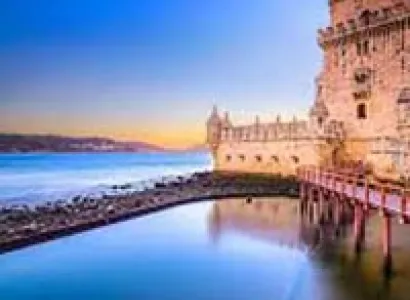
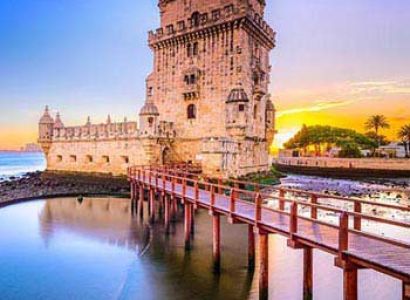
Belem Tower is one of the finest examples of Manueline architecture, a Portuguese variant of late Gothic architecture. Its ornate design is a blend of Moorish, Byzantine, and early Renaissance styles. The tower is built on a small island in the Tagus River, giving it a distinctive appearance when viewed from afar.
The tower features a cylindrical bastion with a four-story structure, complete with a terrace at the top offering panoramic views of the river and the surrounding Belem area. Its most notable architectural elements include its intricate stone carvings, battlements, and turrets, as well as its iconic rope motif and nautical elements, reflecting Portugal’s seafaring history.
The main part of the tower consists of a square base with a circular structure on top. The exterior is adorned with symbolic carvings, such as the national coat of arms, and decorative motifs like knots and crosses. The tower is also equipped with several defensive features, including a drawbridge and cannons, highlighting its military function during its original purpose.
Things to Do at Belem Tower
There are many things to see and do at Belem Tower that will enrich your visit:
Facts and Tips about Belem Tower