"Marvel at engineering amidst breathtaking hill views."
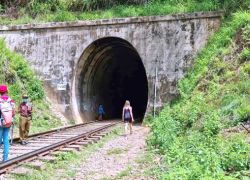
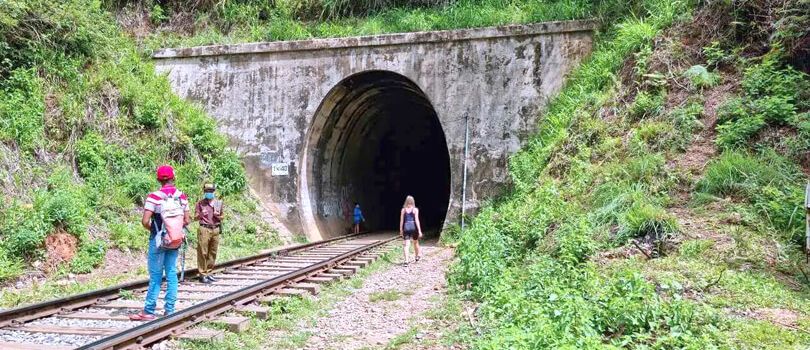
The Haputale Tunnel is an iconic landmark located in the Badulla District of Sri Lanka, famous for its historical and architectural significance. It is part of the picturesque hill-country railway line that runs through the lush tea plantations of Uva Province. The tunnel was originally constructed during the British colonial era as part of the railway expansion in the 19th century and remains an important feature of Sri Lanka’s railway heritage.
Located near the town of Haputale, the tunnel has become a popular attraction for both tourists and railway enthusiasts due to its unique design and the scenic beauty of the surrounding region. The Haputale Tunnel offers visitors a glimpse into Sri Lanka’s colonial past while providing an excellent opportunity to experience the natural beauty of the hill country. With its combination of history, engineering, and natural surroundings, the Haputale Tunnel is a must-visit for anyone exploring this region of Sri Lanka.
How to Reach Haputale Tunnel
The Haputale Tunnel is located along the railway line that runs between the town of Haputale and the nearby town of Beragala. To reach the tunnel, the most common option is to take a train ride along this scenic route. The Haputale Railway Station is located around 3 km from the tunnel, and visitors can take a tuk-tuk or walk to the tunnel from the station. The walk from the station to the tunnel is an easy and enjoyable one, offering picturesque views of the surrounding landscapes.
If you're not traveling by train, you can also reach Haputale by road. Haputale is well connected by bus and car to major towns like Badulla and Colombo. From the town, you can hire a taxi or tuk-tuk to the tunnel, which is approximately 15 minutes away by road. Keep in mind that roads in this hilly area can be winding, so a private vehicle or tuk-tuk is recommended for the most comfortable and convenient journey.
Weather and Best Time to Visit
The climate around Haputale is typically cool and temperate, making it a great destination year-round. The temperature usually ranges from 15°C to 25°C (59°F to 77°F), making it ideal for outdoor activities. The weather is particularly pleasant during the dry season, from December to April, when rainfall is minimal, and the skies are clear.
However, if you prefer misty landscapes and a cooler atmosphere, the rainy season (May to November) may be the time to visit. During this period, the area can experience heavy rainfall, which creates dramatic mist and fog around the tunnel, enhancing the experience for photography enthusiasts. That said, it's important to check the weather forecast before visiting during the monsoon season, as the trail to the tunnel can become slippery.
Entry and Visit Details
There is no formal entrance fee to visit the Haputale Tunnel. It is open to the public, and visitors can freely explore the area around the tunnel. As the tunnel is located on an active railway line, it is essential to exercise caution when visiting, particularly when trains are passing through. It is advised to stand at a safe distance from the tracks and not to venture inside the tunnel itself for safety reasons.
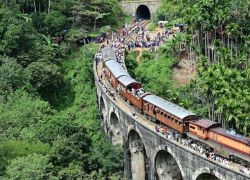
The best times to visit the Haputale Tunnel are in the early morning or late afternoon when the light is ideal for photography. The train journeys passing through the tunnel are a major highlight, and watching the trains cross the bridge while taking in the surrounding beauty is a popular activity among visitors.
Why Famous for Haputale Tunnel?
The Haputale Tunnel is famous for several reasons. Firstly, it is an engineering marvel from the British colonial era, built to help expand Sri Lanka's railway network during the 19th century. The tunnel stands as a testament to the ingenuity of colonial engineers, who managed to carve this structure through the challenging terrain of Sri Lanka’s hill country.
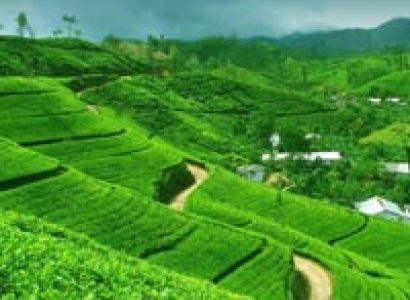
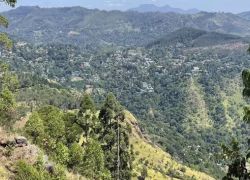
Secondly, the Haputale Tunnel is located in one of the most beautiful regions of Sri Lanka. The surrounding landscape of lush tea plantations, rolling hills, and mist-covered valleys provides an incredible backdrop for the tunnel. The views from the area are breathtaking, and the combination of history, architecture, and natural beauty makes it a top attraction for tourists visiting the hill country.
Lastly, the Haputale Tunnel is popular among railway enthusiasts, who come from around the world to witness trains passing through this picturesque tunnel. The sight of a train emerging from the tunnel against the backdrop of green hills and fog is an iconic image of Sri Lanka’s colonial railway system, making it a significant spot for photography.
History and Architecture of Haputale Tunnel
The Haputale Tunnel was constructed in the late 19th century as part of the expansion of the railway network in Sri Lanka under British colonial rule. The railway line was built to connect Colombo with the southern parts of the island and facilitate the transportation of goods, especially tea, which was a major export of the time. The tunnel was one of the significant engineering challenges faced by the British colonial engineers, as it had to pass through the dense and rugged hill country.
Spanning a length of 200 meters, the tunnel was built using traditional brick and mortar techniques. The tunnel’s unique structure and location in the middle of a steep hill highlight the skills of the engineers who worked on the project. The tunnel was designed to allow trains to pass through the challenging terrain, providing a vital connection between the south and central regions of Sri Lanka.
Today, the tunnel still functions as part of the active railway line, with trains passing through it daily. It stands as a significant relic of Sri Lanka’s colonial past and serves as a symbol of the island’s rich railway heritage.
Things to Do at Haputale Tunnel
While the main attraction at Haputale Tunnel is the tunnel itself, there are several other activities and experiences you can enjoy while visiting the area:
Facts and Tips about Haputale Tunnel
Conclusion
The Haputale Tunnel is a fascinating and beautiful destination in Sri Lanka, offering visitors a chance to explore both the country’s colonial history and its stunning natural beauty. Whether you are a railway enthusiast, a photography lover, or simply looking to experience the peaceful atmosphere of Sri Lanka’s hill country, the Haputale Tunnel is a must-visit destination. Its historical significance, combined with the breathtaking views of the surrounding landscape, makes it one of the most unique and picturesque spots in Sri Lanka.