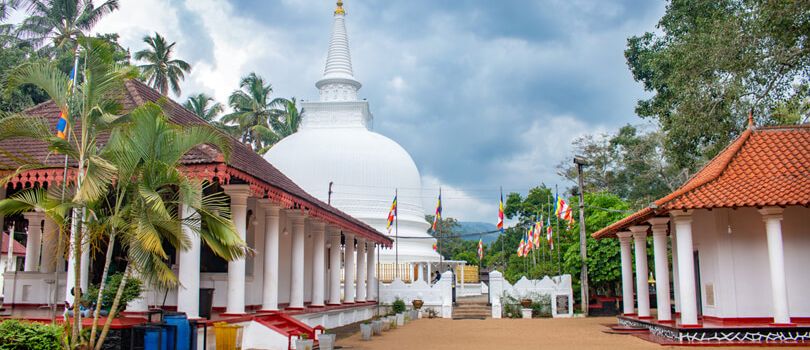
"Visit a sacred site steeped in Buddhist history."
Muthiyangana Raja Maha Vihara is one of Sri Lanka's most significant Buddhist temples, located in the Badulla district of Uva Province. This ancient temple holds great religious and historical importance for Sri Lankan Buddhists. It is believed to be the site where the Buddha visited during his third and final visit to Sri Lanka, making it one of the 16 "Solosmasthana" (sacred sites). The temple's peaceful ambiance, rich history, and beautiful surroundings make it a popular destination for both pilgrims and tourists alike.
How to Reach Muthiyangana Raja Maha Vihara
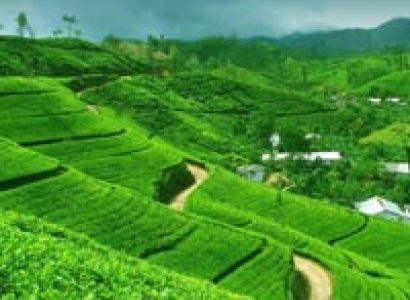
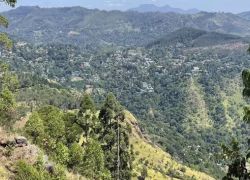
Muthiyangana Raja Maha Vihara is situated in the town of Badulla, about 5 kilometers from the town center. To reach the temple, you can take a tuk-tuk, taxi, or private vehicle from Badulla. The road leading to the temple is well-paved and offers a scenic view of the surrounding hills and tea plantations. The journey takes approximately 10-15 minutes from the town center.
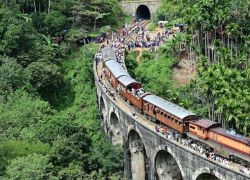
If you're traveling from Colombo, you can take a train to Badulla from Colombo Fort Railway Station, which takes around 6 to 8 hours. Alternatively, buses from Colombo to Badulla take about 7 to 8 hours. Once in Badulla, local transport options like tuk-tuks or taxis can take you directly to the temple.
Weather and Best Time to Visit
The climate in Badulla is mild and pleasant due to its elevation in the hill country. The temperature typically ranges from 20°C to 28°C (68°F to 82°F), making it a comfortable place to visit year-round. However, Badulla experiences a tropical monsoon climate, with rainfall occurring mainly during the southwest monsoon (May to September) and northeast monsoon (November to February).
The best time to visit Muthiyangana Raja Maha Vihara is during the dry season, which is from December to April. This period offers clear skies and cooler weather, ideal for exploring the temple and the surrounding areas. During the rainy season, the area becomes lush and green, but heavy rains may make outdoor activities challenging, so it’s important to plan accordingly.
Entry and Visit Details
The Muthiyangana Raja Maha Vihara is open to the public, and there is no formal entry fee to visit the temple. However, visitors are encouraged to make donations to help with the temple’s maintenance and the welfare of the Buddhist monks residing there. The temple is open daily, and it is best to visit in the morning or early afternoon when the temple is less crowded.
Visitors should dress modestly when visiting the temple, as it is a sacred site. Both men and women are expected to cover their shoulders and knees. Footwear must be removed before entering the temple premises, so visitors should wear comfortable sandals or socks for walking around.
Why Famous for Muthiyangana Raja Maha Vihara?
Muthiyangana Raja Maha Vihara is famous for its rich history and religious significance. It is one of the 16 Solosmasthana, the sacred places visited by the Buddha during his third visit to Sri Lanka. According to legend, the Buddha left a footprint on the rock at the temple site, which is now enshrined in the temple as a sacred relic. Pilgrims visit the temple to pay homage to this sacred site and to seek blessings from the Buddha.
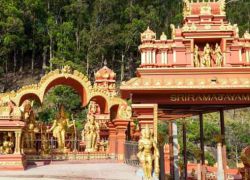
The temple is also renowned for its beautiful setting amidst the lush greenery of Badulla’s hill country. It offers a peaceful and tranquil environment, perfect for meditation and spiritual reflection. The temple’s architecture, with its grand entrance, intricate carvings, and ornate design, adds to its allure and importance. Visitors to the temple are often struck by the beauty and serenity of the place, making it a must-visit destination for those interested in Sri Lanka's Buddhist heritage.
History and Architecture of Muthiyangana Raja Maha Vihara
The history of Muthiyangana Raja Maha Vihara dates back over 2,000 years, and it has been an important center of Buddhist worship throughout Sri Lanka's history. It is believed to have been established during the reign of King Devanampiya Tissa (250-210 BCE), who invited the Buddha to visit Sri Lanka. According to tradition, the Buddha visited Badulla during his third visit to the island, and it was here that he gave a sermon to a group of monks.
The temple has undergone numerous renovations and reconstructions over the centuries, with the most significant developments taking place during the Kandyan period (16th-18th centuries). The temple’s architecture is a combination of traditional Sri Lankan Buddhist design and Kandyan influences, with intricate woodwork, statues, and carvings depicting scenes from the Buddha’s life and teachings.
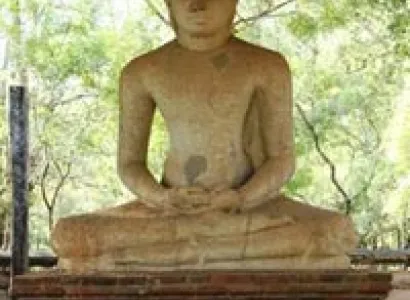
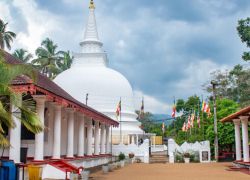
The main building of the temple is the dagoba (stupa), which houses the relics of the Buddha. Surrounding the stupa are various smaller shrines and statues of the Buddha, as well as beautifully carved stone pillars. The temple’s entrance is marked by a large stone gateway (Torana) adorned with intricate designs. The temple complex is also surrounded by a peaceful garden, making it an ideal place for meditation and reflection.
Things to Do at Muthiyangana Raja Maha Vihara
Visitors to Muthiyangana Raja Maha Vihara can enjoy several activities that will enhance their spiritual experience:
Facts and Tips about Muthiyangana Raja Maha Vihara
Conclusion
Muthiyangana Raja Maha Vihara is a sacred and peaceful Buddhist temple that holds great religious and historical significance in Sri Lanka. Whether you are visiting to worship, meditate, or simply explore the rich cultural heritage of Sri Lanka, the temple offers a serene and inspiring experience. With its beautiful architecture, tranquil setting, and deep spiritual importance, Muthiyangana Raja Maha Vihara is a must-visit destination for anyone traveling to the Badulla region. Its religious significance, combined with the stunning views and peaceful ambiance, makes it an unforgettable experience for all who visit.