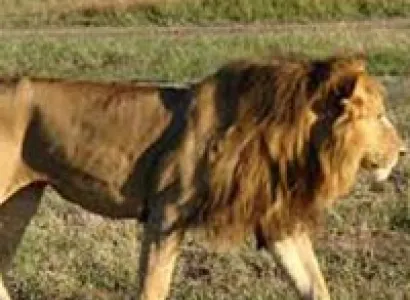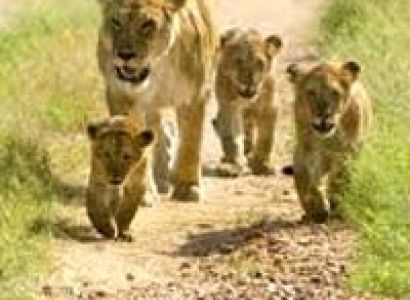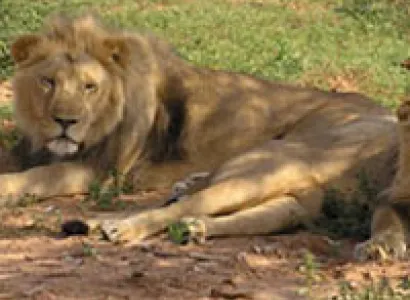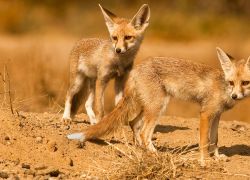
"Unique ecosystem home to diverse wildlife"
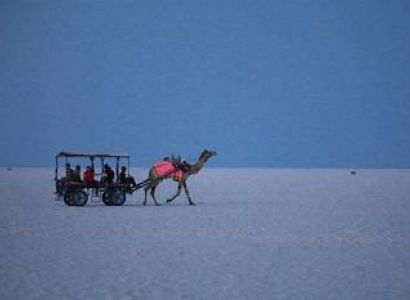
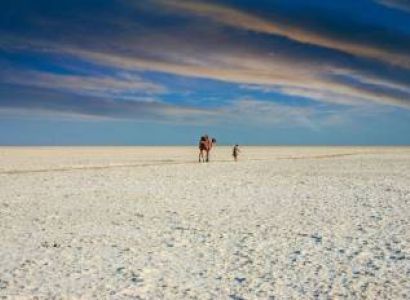
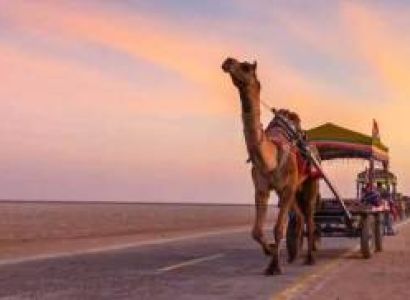
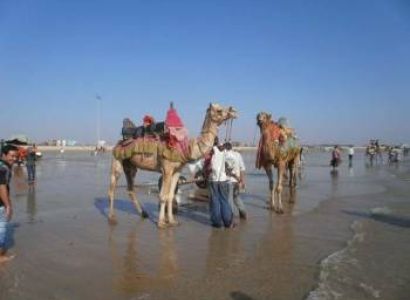
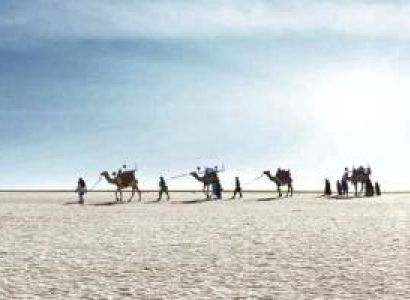
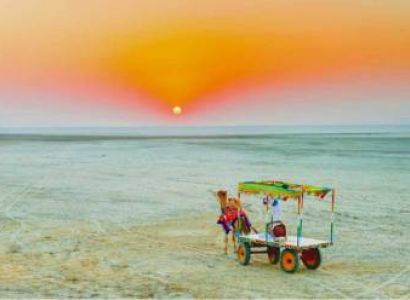
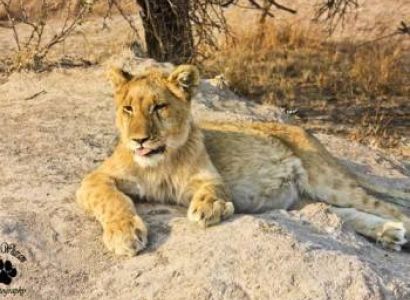
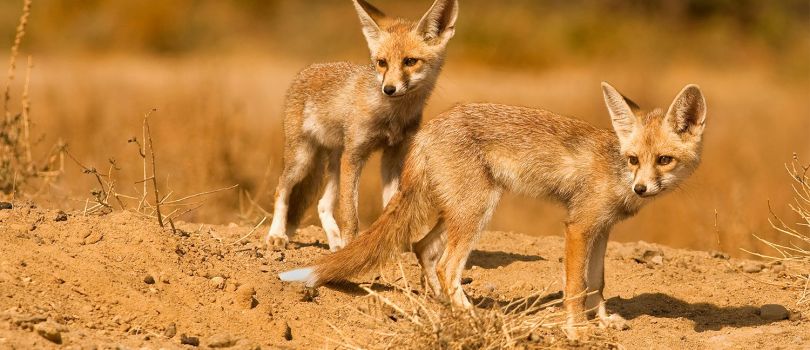
The Kutch Desert Wildlife Sanctuary, located near the city of Bhuj in Gujarat, is one of the largest wildlife sanctuaries in India, covering an area of about 7500 square kilometers. This unique sanctuary is set in the arid landscapes of the Kutch Desert and is home to a variety of wildlife species, including endangered animals, migratory birds, and unique desert flora. It offers a rare opportunity to experience the beauty of the desert ecosystem and its diverse wildlife.
How to Reach Kutch Desert Wildlife Sanctuary, Bhuj
The Kutch Desert Wildlife Sanctuary is well-connected to Bhuj and other major cities in Gujarat, making it easily accessible for travelers.
Weather
The Kutch Desert Wildlife Sanctuary experiences an arid desert climate, with hot summers, moderate winters, and little rainfall.
Timings
The sanctuary is open to visitors from 6:00 AM to 6:00 PM, but it is advisable to visit during the cooler months, especially early in the morning or late in the afternoon. The best time for wildlife spotting is at dawn or dusk, when animals are most active.
Why Famous for Kutch Desert Wildlife Sanctuary, Bhuj?
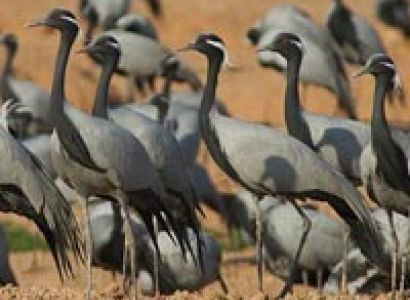
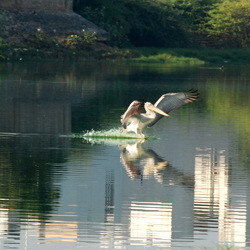
The Kutch Desert Wildlife Sanctuary is famous for its rich biodiversity, including several endangered species, migratory birds, and unique desert ecosystems. The sanctuary is home to the Indian Wild Ass (Khur), which is one of the main attractions of the sanctuary. It is also a critical habitat for migratory birds, including flamingos, that visit the sanctuary during the winter season. The sanctuary's vast, open desert terrain provides a beautiful backdrop for observing wildlife in its natural environment.
Entry and Visit Details
Entry Fee: The entry fee for the Kutch Desert Wildlife Sanctuary is ₹100 for Indian visitors and ₹500 for foreign nationals. There may be additional charges for photography and other activities.
Duration of Visit: A typical visit to the sanctuary lasts between 3 to 4 hours. It is best to plan a half-day trip to explore the main areas, although visitors can extend their stay if they wish to go on longer wildlife safaris or nature walks.
History and Architecture
The Kutch Desert Wildlife Sanctuary was established to conserve the unique wildlife of the Kutch region, especially the endangered Indian Wild Ass. The sanctuary was created in 1986 and has since been a critical area for wildlife conservation and research. The sanctuary does not have specific architectural structures like other historical sites, as it is primarily focused on protecting wildlife and preserving the natural desert environment.
Things to Do at Kutch Desert Wildlife Sanctuary
Visitors to the Kutch Desert Wildlife Sanctuary can enjoy a variety of activities:
Facts and Tips About Kutch Desert Wildlife Sanctuary
Conclusion
The Kutch Desert Wildlife Sanctuary offers a unique and memorable experience for nature lovers and wildlife enthusiasts. With its vast desert landscape, diverse wildlife, and bird species, it is a place that showcases the raw beauty of the Kutch region. Whether you are interested in wildlife safaris, bird watching, or simply exploring the serene desert environment, the sanctuary promises an unforgettable experience. Plan your visit during the winter months for the best wildlife sightings and enjoy the tranquility of the desert.