"Explore the cultural heritage of Assamese traditions."
Bordowa Satra, also known as Bordowa Than, is one of the most sacred and historically important religious and cultural sites in Assam. Located in Nagaon district, this revered Satra is the birthplace of Srimanta Sankardev, the great saint, reformer, poet, playwright, and founder of the Neo-Vaishnavite movement in Assam. Bordowa Satra is not just a place of worship but a symbol of Assamese identity, spiritual philosophy, art, music, and social harmony.
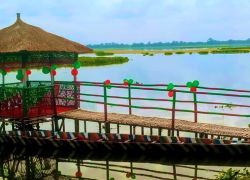
Surrounded by a serene rural landscape, Bordowa Satra attracts pilgrims, scholars, cultural enthusiasts, and tourists throughout the year. It stands as a living center of devotion where faith, tradition, and Assamese heritage come together.
Why Bordowa Satra Is Famous in Nagaon, Assam
Bordowa Satra is famous as the birthplace of Srimanta Sankardev, one of the greatest cultural icons of Assam. It is the spiritual heart of the Ekasarana Dharma, a monotheistic Vaishnavite faith that emphasizes devotion to Lord Krishna. The Satra is renowned for preserving Sankardev’s teachings, religious practices, and artistic traditions such as Borgeet (devotional songs), Sattriya dance, and Ankiya Naat (religious plays).
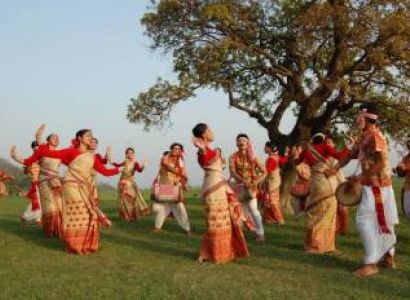
The site is also famous for its annual festivals, especially Doul Utsav (Holi), which is celebrated with great devotion and cultural performances. Devotees from across Assam and beyond visit Bordowa Satra to seek blessings and experience its spiritual atmosphere.
History of Bordowa Satra, Nagaon
Bordowa Satra holds immense historical importance as the birthplace of Srimanta Sankardev in 1449 AD. Sankardev spent his early years here and later established the Ekasarana Dharma, which transformed Assamese society by promoting equality, devotion, and cultural unity.
The original Satra was established by Sankardev himself, but over centuries it faced destruction due to invasions and natural calamities. The present structure of Bordowa Satra was reconstructed with the efforts of devotees and scholars to preserve its legacy. Today, it stands as a protected religious and cultural heritage site, reflecting the enduring influence of Sankardev’s philosophy.
Architecture of Bordowa Satra
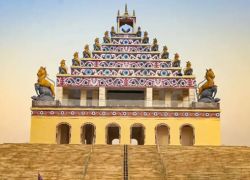
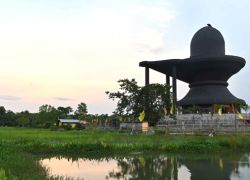
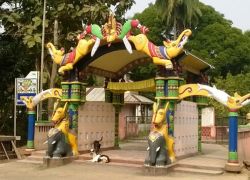
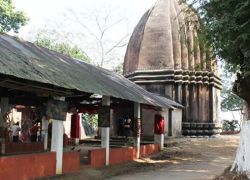
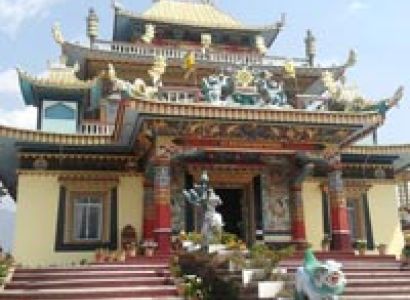
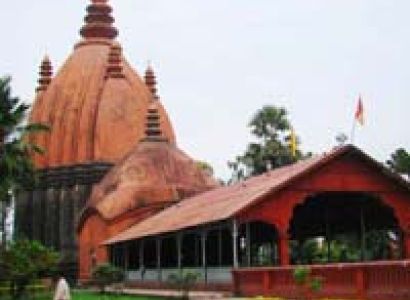
The architecture of Bordowa Satra reflects traditional Assamese style combined with Vaishnavite simplicity. The main prayer hall, known as the Namghar, is the spiritual center of the Satra where devotees gather for prayers and devotional singing. The design is simple yet elegant, focusing on spirituality rather than ornamentation.
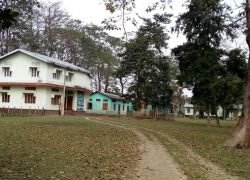
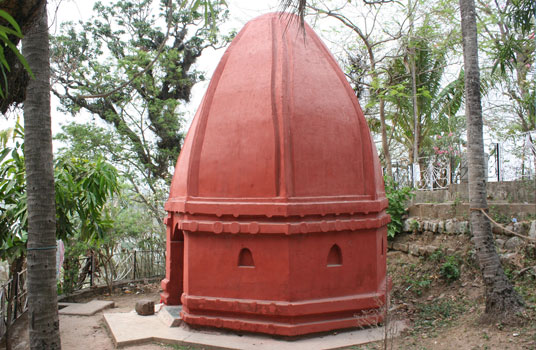
The Satra complex includes several structures such as the Manikut (sanctum), residential quarters for monks, open courtyards, and cultural spaces. The use of wooden pillars, sloping roofs, and natural materials highlights traditional Assamese architecture. The peaceful layout of the complex enhances its spiritual charm.
How to Reach Bordowa Satra, Nagaon, Assam
Bordowa Satra is well connected and easily accessible from major towns and cities of Assam.
By Road: Bordowa Satra is about 16 km from Nagaon town. Regular buses, taxis, and private vehicles are available from Nagaon and nearby towns. The roads are well maintained and suitable for all types of vehicles.
By Rail: The nearest railway station is Nagaon Railway Station. From the station, visitors can hire taxis or auto-rickshaws to reach Bordowa Satra.
By Air: The nearest airport is Lokpriya Gopinath Bordoloi International Airport in Guwahati, approximately 140 km away. From Guwahati, visitors can travel to Nagaon by road or train and then proceed to Bordowa Satra.
Weather and Best Time to Visit Bordowa Satra
Nagaon experiences a typical Assamese climate with warm summers and pleasant winters.
Summer (March to June): Summers are warm and humid, with temperatures between 25°C and 35°C. Morning or evening visits are more comfortable.
Monsoon (July to September): Heavy rainfall makes the surroundings lush and green, but travel may be slightly challenging.
Winter (October to February): Winter is the best time to visit Bordowa Satra, with cool and pleasant weather ideal for sightseeing and festivals.
Timings of Bordowa Satra
Bordowa Satra is generally open from early morning to evening. Typical visiting hours are from 6:00 AM to 8:00 PM. During festivals and special religious events, the Satra may remain open for extended hours.
Entry and Visit Details of Bordowa Satra
There is no entry fee to visit Bordowa Satra. Visitors are welcome to attend prayers, observe rituals, and explore the complex. Donations are voluntary and are used for maintenance, cultural programs, and religious activities.
Visitors are expected to follow the rules of the Satra, maintain silence during prayers, and respect local customs.
Things to Do at Bordowa Satra
Attend Nam-Prasanga: Participate in devotional prayers and chanting.
Explore Sankardev’s Legacy: Learn about the life and teachings of Srimanta Sankardev.
Enjoy Cultural Performances: Witness traditional Borgeet and Sattriya dance during festivals.
Meditation: Spend peaceful moments in the serene environment.
Photography: Capture the beauty of traditional Assamese architecture.
Interesting Facts about Bordowa Satra
Bordowa Satra is the birthplace of Srimanta Sankardev.
It is one of the most important centers of Ekasarana Dharma.
The Satra preserves classical Assamese art forms.
Doul Utsav is celebrated here with great devotion.
The site plays a key role in Assamese cultural identity.
Tips for Visiting Bordowa Satra, Nagaon
Dress modestly and respectfully.
Visit early morning for a peaceful experience.
Remove footwear before entering prayer areas.
Plan your visit during festivals for cultural experiences.
Maintain silence and respect religious practices.
Conclusion
Bordowa Satra in Nagaon, Assam, is a timeless spiritual and cultural landmark that reflects the soul of Assamese heritage. As the birthplace of Srimanta Sankardev, it continues to inspire devotion, equality, and artistic expression. A visit to Bordowa Satra is not just a journey to a religious site but an enriching experience that connects visitors with the history, faith, and cultural richness of Assam.









Nagaon
Nagaon
Nagaon
Nagaon
Nagaon
Nagaon
Nagaon
Nagaon
Nagaon
Nagaon