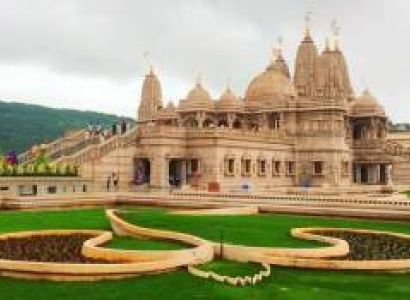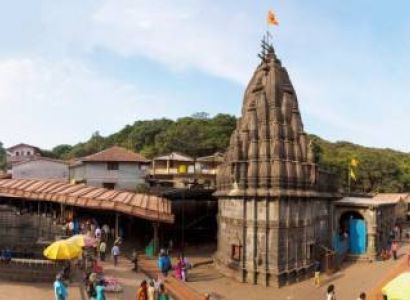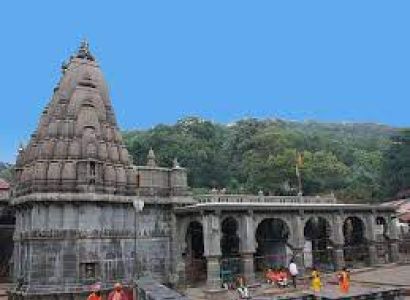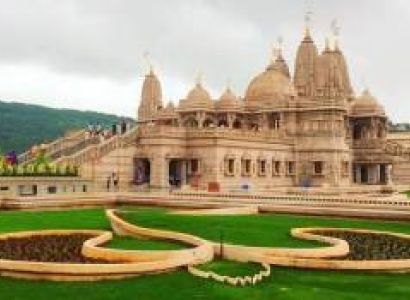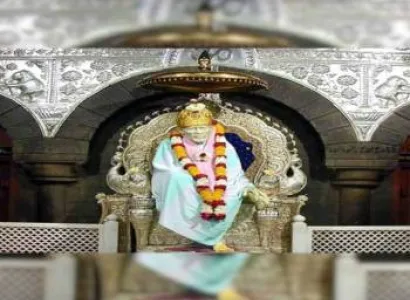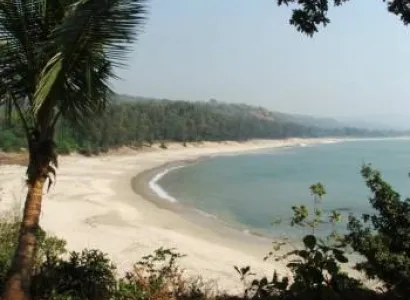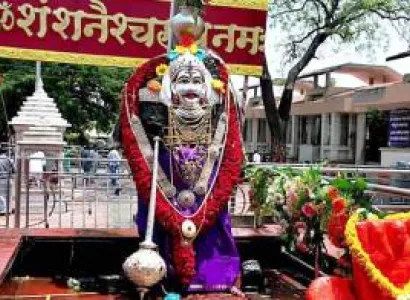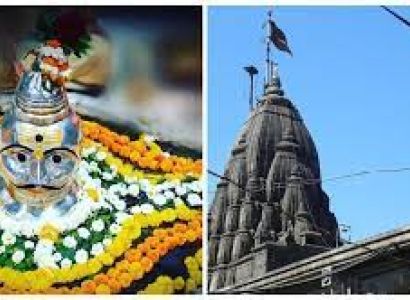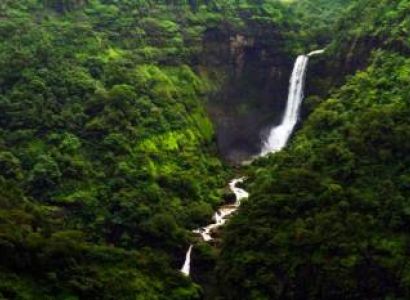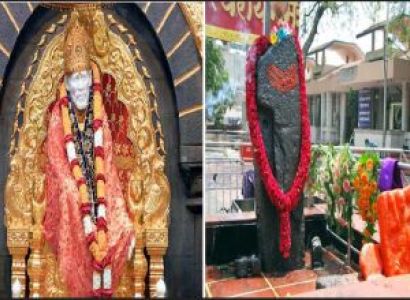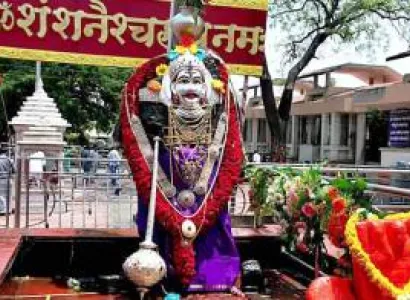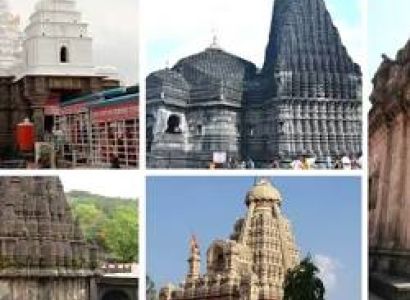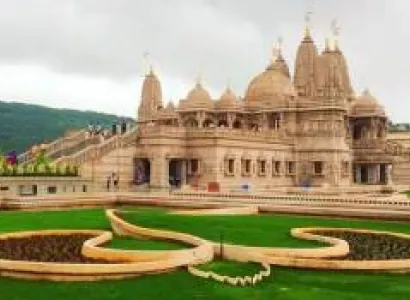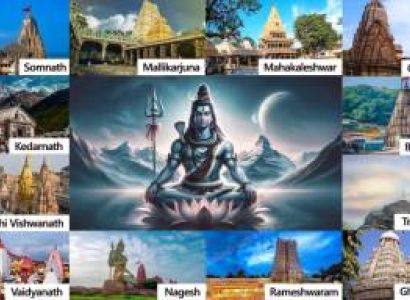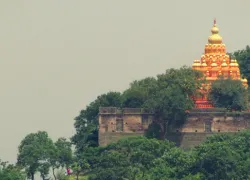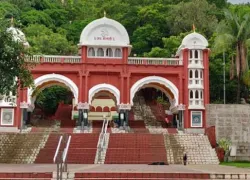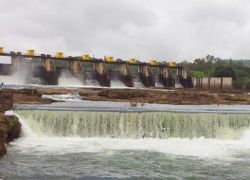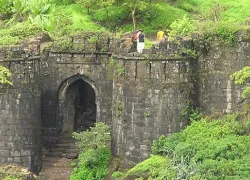
The Bhimashankar Temple is one of the most sacred and ancient Hindu pilgrimage sites located near Pune in the state of Maharashtra, India. Nestled in the Sahyadri hills of the Western Ghats, this temple is dedicated to Lord Shiva and is also one of the twelve Jyotirlingas in India. Surrounded by dense forests, rich biodiversity, and peaceful mountain views, Bhimashankar is not only a spiritual destination but also a nature lover’s paradise.
Why Bhimashankar Temple is Famous
The temple is famous for being one of the twelve Jyotirlingas, which are considered the most sacred abodes of Lord Shiva. Devotees believe that visiting all Jyotirlingas brings spiritual liberation. Bhimashankar is also associated with the legend of Lord Shiva defeating the demon Tripurasura, after which his sweat is believed to have formed the Bhima River.
Apart from religious importance, the region is also part of the Bhimashankar Wildlife Sanctuary, which is home to rare species like the Indian Giant Squirrel (Shekru), making it both a spiritual and ecological hotspot.
History of Bhimashankar Temple
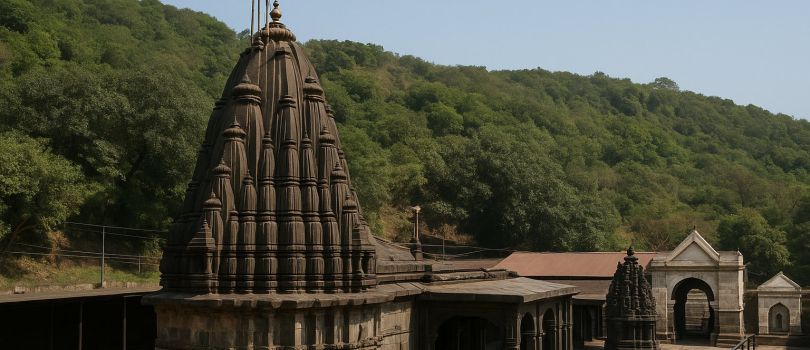
The origins of Bhimashankar Temple date back several centuries. It is believed that the original shrine was built in ancient times, while the current structure was developed in the 18th century by Nana Phadnavis, a minister in the Maratha empire. The temple reflects traditional Nagara-style architecture with strong Maratha influences.
According to Hindu mythology, the demon Bhima, son of Kumbhakarna, performed severe penance to gain immense powers and later terrorized the world. Lord Shiva appeared in Bhimashankar and destroyed him, restoring peace. This sacred event gave the place its name.
Architecture of Bhimashankar Temple
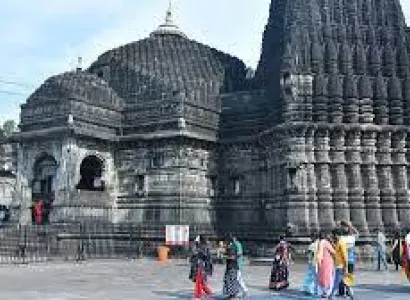
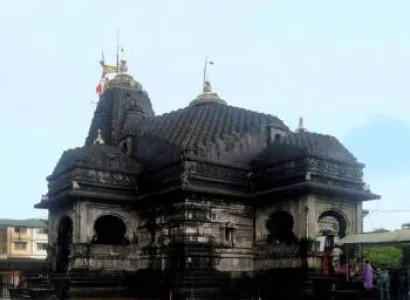
The temple showcases a beautiful blend of ancient and medieval Indian architecture. Built using black basalt stone, the structure is simple yet spiritually powerful. The sanctum (garbhagriha) houses the Jyotirlinga, which is the main deity of Lord Shiva.
The temple complex also features intricately carved pillars, a spacious courtyard, and a Nandi statue facing the shrine. Despite being located in a hilly and forested region, the temple stands strong and well-preserved, reflecting the craftsmanship of ancient Indian builders.
How to Reach Bhimashankar Temple, Pune, Maharashtra
Bhimashankar is located approximately 110 km from Pune and around 220 km from Mumbai, making it accessible by road.
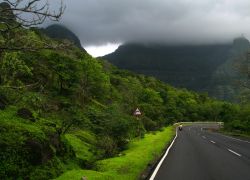
By Road: The most convenient way to reach Bhimashankar is by road. Regular taxis, private vehicles, and state transport buses operate from Pune, Khed, and nearby towns. The route passes through scenic ghats and dense forests.
By Train: The nearest railway station is Pune Railway Station. From there, visitors can hire taxis or take buses to reach the temple.
By Air: The nearest airport is Pune International Airport. From the airport, Bhimashankar is around 120 km away and can be reached by road.
Weather at Bhimashankar
The climate at Bhimashankar remains pleasant throughout most of the year due to its elevation in the Western Ghats.
Summer (March to June): Mild to warm with temperatures ranging between 20°C to 32°C. Monsoon (July to September): Heavy rainfall transforms the region into a lush green paradise, but travel can be slightly difficult due to slippery roads. Winter (October to February): Cool and pleasant, with temperatures dropping to 10°C, making it the best time to visit.
Timings and Entry Details
The Bhimashankar Temple is open for devotees every day.
Temple Timings: 4:30 AM to 9:30 PM (may vary during festivals) Aarti Timings: Early morning and evening aartis are performed with great devotion. Entry Fee: There is no entry fee for visiting the temple.
Special queues may be arranged during Shravan month and Maha Shivratri due to high visitor turnout.
Things to Do at Bhimashankar Temple
Visitors to Bhimashankar can enjoy both spiritual and natural experiences.
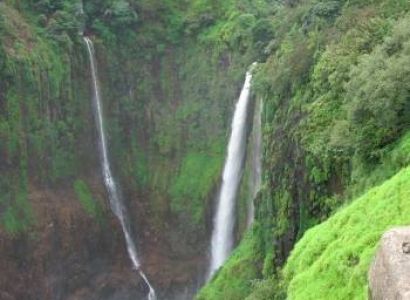
1. Darshan of Jyotirlinga: Seek blessings of Lord Shiva at the sacred shrine. 2. Trekking: The Bhimashankar trek through the Sahyadri hills is popular among adventure lovers. 3. Wildlife Exploration: Visit the Bhimashankar Wildlife Sanctuary to spot rare flora and fauna. 4. Photography: Capture the scenic landscapes, waterfalls, and dense forest views. 5. Meditation: The peaceful environment makes it ideal for meditation and relaxation.
Interesting Facts About Bhimashankar Temple
- It is one of the 12 Jyotirlingas of Lord Shiva in India. - The Bhima River is believed to originate from this region. - The temple is located inside a wildlife sanctuary, home to the Indian Giant Squirrel. - The structure reflects a mix of ancient Hindu and Maratha architecture. - The surrounding forests are part of the Western Ghats, a UNESCO World Heritage site.
Tips for Visitors
- Wear comfortable shoes if you plan to trek or walk around the forest area. - Carry light woolens during winter as mornings and evenings can be cold. - Avoid plastic and maintain cleanliness in the eco-sensitive zone. - During monsoon, check weather conditions before traveling due to heavy rainfall. - Book transport in advance during peak pilgrimage seasons like Shravan month.
Conclusion
The Bhimashankar Temple in Pune, Maharashtra is a perfect blend of spirituality, history, and natural beauty. Whether you are a devotee seeking blessings or a traveler exploring the Western Ghats, this sacred Jyotirlinga offers a deeply enriching experience. Its peaceful surroundings, mythological importance, and scenic landscapes make it one of the most significant destinations in India.