"Uncover the colonial past of this coastal stronghold."
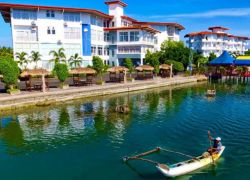
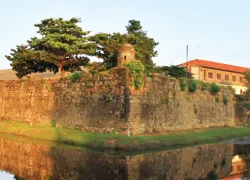
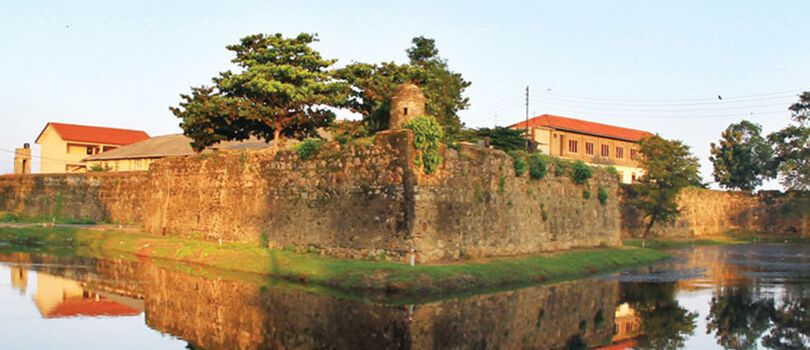
Batticaloa Fort, located in the heart of Batticaloa town in Eastern Sri Lanka, is one of the most historically important and visually stunning colonial structures in the region. Built in 1628 by the Portuguese and later expanded and reinforced by the Dutch and British, the fort stands as a strong reminder of centuries of colonial rule and maritime trade in Sri Lanka. Surrounded by the serene waters of the Batticaloa Lagoon on three sides, the fort offers panoramic views, lush greenery, stone ramparts, ancient administrative buildings, and a peaceful environment that connects history with nature.
Today, Batticaloa Fort is a popular attraction among tourists, historians, students, and photographers who want to explore Sri Lanka’s colonial past. The fort also houses some government offices, which keeps it actively in use while preserving its historical significance. The sense of calm, combined with the unique blend of Portuguese and Dutch architecture, makes Batticaloa Fort a must-visit destination when exploring the Eastern Province.
How to Reach Batticaloa Fort
Batticaloa Fort is centrally located and easily accessible by several modes of transportation.
By Road: Visitors from Colombo can reach Batticaloa via the Kandy–Polonnaruwa route or the Southern coastal highway. The journey by car or bus takes around 6–7 hours. There are also frequent private and public buses from Colombo, Kandy, Trincomalee, Polonnaruwa, and Ampara. Once in Batticaloa town, the fort is only a few minutes from the main bus stand and can be reached by tuk-tuk, taxi, or even on foot.
By Train: The Batticaloa Railway Station is well connected with the Colombo–Batticaloa line. Travelers can book a seat on daily trains from Colombo Fort or Maradana and enjoy a scenic ride through forests, plains, and rural landscapes. From the rail station, Batticaloa Fort is just a short drive away.
By Air: Domestic flights to Batticaloa Airport provide a quick travel option from Colombo. From the airport, taxis or local transport can take visitors to the fort within 10–15 minutes.
Weather at Batticaloa Fort
Batticaloa has a warm tropical climate throughout the year. Average temperatures range between 26°C and 32°C. The dry months from April to September are the most suitable for exploring the fort, with clear skies and pleasant breezes from the lagoon. The monsoon season between October and January brings moderate to heavy rainfall, creating a refreshing and lush atmosphere around the fort walls and lagoon.
Visitors who prefer cool weather should visit early in the morning or late afternoon to avoid midday heat, especially during the dry season. Evenings are particularly enjoyable due to gentle lagoon breezes and scenic lighting for photography.
Timing to Visit Batticaloa Fort
Batticaloa Fort is generally accessible throughout the day as it is an open historical site with some active administrative buildings inside. While it does not have formal opening and closing times, it is best visited between:
• 7:00 AM to 6:00 PM – ideal for sightseeing, photography, and exploring the fort grounds.
• Early morning – peaceful ambiance with softer sunlight and fewer crowds.
• Late afternoon – perfect for enjoying lagoon views and cooler weather.
Why Batticaloa Fort is Famous
Batticaloa Fort is famous for its rich colonial history and scenic location on the edge of the lagoon. It is one of the few forts in Sri Lanka that has been influenced by three major colonial powers – the Portuguese, Dutch, and British. The fort is also known for its beautiful surroundings, featuring stone walls, ancient cannons, and lush vegetation.
Additionally, the fort is located near the area where the legendary “singing fish of Batticaloa” were once heard – a mysterious natural phenomenon that attracted international attention when British officers recorded underwater musical sounds in the lagoon in the early 20th century.
Batticaloa Fort remains one of the best-preserved landmarks in the Eastern Province, drawing history lovers, architecture enthusiasts, students, and travelers seeking peaceful cultural experiences.
Entry and Visit Details
There is no entry fee to visit Batticaloa Fort. Visitors can walk in freely and explore most areas of the fort. However, certain buildings inside are used by local government departments and may not be accessible to tourists. No prior permits are required for general visits, and the fort remains open most of the day.
Visitors can explore:
• Outer ramparts
• Walkways and lookout points
• Old administrative buildings
• Tree-shaded courtyards
• Lagoon-facing viewpoints
Traditional guides are not always available on-site, but local tour operators can arrange guided historical tours of the fort and surrounding attractions if desired.
History and Architecture
The history of Batticaloa Fort is deeply connected to colonial struggles for control over trade routes and coastal territories in Sri Lanka. The Portuguese built the fort in 1628 to strengthen their influence in the East and protect their maritime interests. However, the Dutch soon expanded and reinforced the structure after capturing Batticaloa in the mid-17th century. Under their supervision, the fort gained additional defensive features such as wider ramparts, thicker walls, and administrative buildings suitable for governance.
Later, during British rule, the fort continued to serve as a local administrative center. Although colonial military activities eventually declined, the British maintained the fort’s structural integrity.
The architectural design of Batticaloa Fort includes:
• Solid granite ramparts surrounding the fort
• Moats and natural defenses provided by the lagoon
• Vaulted chambers and storerooms
• Dutch-style interior buildings with thick walls and sloping roofs
• Cannon mounts and vantage points for surveillance
The fort’s strategic placement over water made it easier to defend and visually linked it to the maritime activity that defined the region.
Things to Do at Batticaloa Fort
• Explore Colonial History: Learn about the fort’s Portuguese, Dutch, and British past through plaques, remains, and architectural designs.
• Photography: Capture dramatic shots of the lagoon, fort walls, colonial buildings, and surrounding greenery.
• Nature Walks: Stroll along shaded paths and ramparts that overlook the water and mangroves.
• Viewpoint Sightseeing: Enjoy panoramic views of Batticaloa town and the tranquil lagoon.
• Sketching and Art: The picturesque location provides excellent inspiration for artists.
• Cultural Exploration: Observe local life as people commute, work, and relax around the fort grounds.
Interesting Facts About Batticaloa Fort
• The fort was originally constructed by the Portuguese in 1628.
• The Dutch expanded and strengthened it after taking control of Batticaloa.
• The British later used it as a government administrative center.
• It is surrounded by the Batticaloa Lagoon on three sides, making it naturally defensible.
• The area near the fort is connected with the famous “singing fish” phenomenon.
Tips for Visiting Batticaloa Fort
• Visit during early morning or late afternoon for comfortable temperatures and beautiful lighting.
• Wear comfortable walking shoes as the fort grounds are large and uneven in places.
• Carry drinking water, sunscreen, and a hat during sunny days.
• Respect areas that are in active government use and avoid entering restricted offices.
• Bring a camera or binoculars to enjoy lagoon views and birdlife.
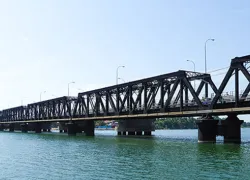
• Combine the visit with nearby attractions like Kallady Bridge and Batticaloa Lagoon for a complete experience.
Batticaloa