"Climb to ancient ruins with breathtaking views."
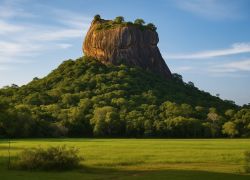
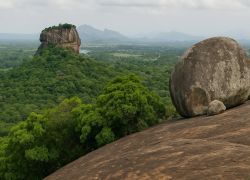
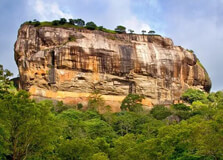
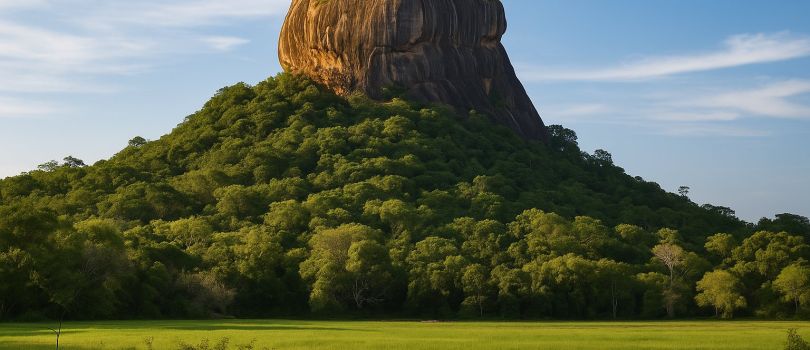
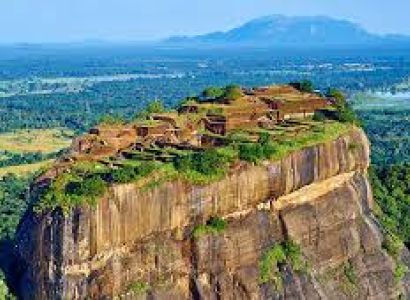
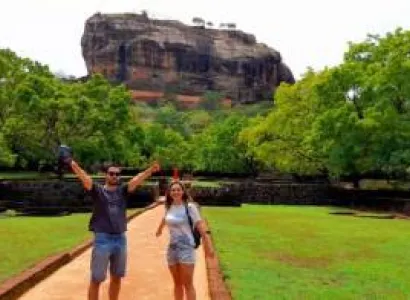
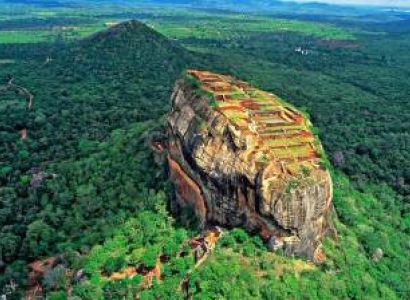
Sigiriya Rock Fortress, also known as Lion Rock, is one of the most iconic historical and archaeological sites in Sri Lanka. Located near the town of Dambulla in the Central Province, Sigiriya towers dramatically above the surrounding forests and plains at a height of almost 200 meters. The fortress, palace ruins, landscaped gardens, frescoes, and advanced ancient engineering make Sigiriya a UNESCO World Heritage Site and one of the most visited destinations in the country.
Sigiriya is a remarkable example of the blending of natural rock formations with royal design and construction. Visitors come from all over the world to climb the steep staircases, admire the ancient paintings, explore the gardens, and experience panoramic views from the summit. It is not only a monument of architecture but also a symbol of Sri Lanka’s cultural and historical heritage.
History of Sigiriya Rock Fortress
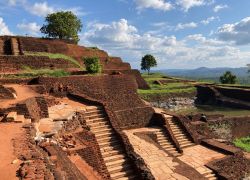
The history of Sigiriya dates back over 1,500 years. It was developed into a royal palace complex during the reign of King Kashyapa I, who ruled from 477 to 495 AD. After seizing the throne, Kashyapa moved his capital from Anuradhapura to Sigiriya, choosing the massive rock as a strategic defensive location. He oversaw the transformation of the rock and surrounding areas into an elaborate palace with royal chambers, landscaped water gardens, moats, fortifications, and a series of stairways and pathways carved into the stone.
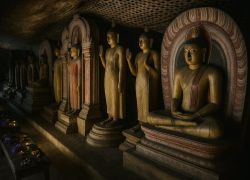
After King Kashyapa’s defeat and death, Sigiriya lost its importance as a royal capital and was used as a Buddhist monastery before eventually being abandoned. Rediscovered centuries later, Sigiriya became the subject of archaeological exploration and restoration. Today, it stands as one of the best-preserved examples of ancient urban planning in Asia and remains a window into Sri Lanka’s architectural and artistic accomplishments.
Architecture of Sigiriya
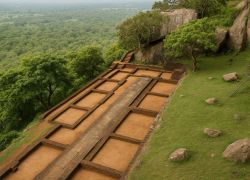
Sigiriya Rock Fortress is admired for its advanced and creative architectural features. The design uses the natural rock structure as the core of the palace, with terraces, platforms, and stairs built into the rock face. One of the most significant architectural highlights is the Lion Gate, which originally featured a giant carved lion. Visitors had to enter through the lion’s open mouth to access the summit. Today, only the enormous stone paws remain, but they still convey a sense of grandeur.
The Mirror Wall is another architectural marvel. Once polished so smoothly that visitors could see their reflections in it, this wall contains ancient writings, poems, and inscriptions left by visitors over the centuries. The Sigiriya frescoes are among the most admired aspects of the architecture as well. Painted on the rock’s western face, they portray beautiful figures believed to be celestial maidens or royal attendants, showcasing advanced artistic techniques.
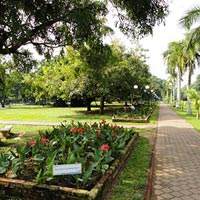
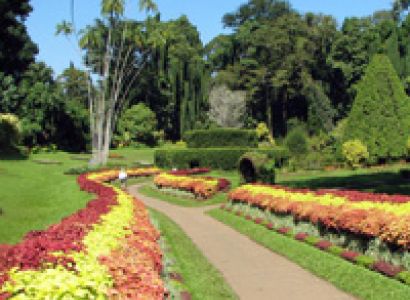
At the base of Sigiriya are complex water gardens with fountains, pools, and canals that highlight the advanced hydraulic engineering of the time. These systems continue to function during the rainy season, showing the precision and intelligence of the ancient builders.
How to Reach Sigiriya Rock Fortress
Sigiriya is easily accessible by road from major cities in Sri Lanka. It is around 180 kilometers from Colombo and can be reached in about four hours by private car, taxi, or organized tour. Many visitors also travel from Kandy, which is closer at approximately 90 kilometers and only a two-hour journey.
Public transportation options are also available. Travelers can take a bus to Dambulla and then transfer to a local taxi or tuk-tuk to reach Sigiriya. While trains do not travel directly to Sigiriya, Dambulla is the nearest major transportation hub and offers good access to the site.
Weather and Best Time to Visit
Sigiriya experiences a tropical climate throughout the year, with warm temperatures and varying levels of rainfall. The best time to visit is during the dry season, between November and April, when the skies are clear and the climbing conditions are comfortable. During the monsoon season, some pathways may become slippery, and rainfall can limit visibility during the climb.
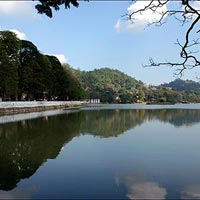
The best time of day to visit is early in the morning. Climbing the rock before the midday heat offers a more comfortable experience and less crowded pathways. Morning visits also give beautiful lighting conditions for photos and views of the surrounding forests and lakes.
Timings, Entry, and Visit Details
Sigiriya Rock Fortress is open daily, and most visitors spend between two and four hours touring the site. Tickets must be purchased at the main entrance, with different rates for local visitors and foreign tourists. Visitors should keep their tickets with them as they may be checked on the way to the summit.
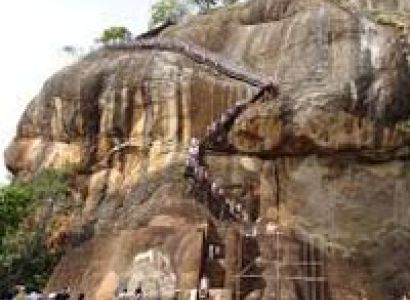
The climb to the top involves steep stone steps and metal staircases, but most travelers with reasonable fitness levels can complete it. There are resting points and viewing platforms along the way to break up the climb and enjoy the scenery.
Why Sigiriya is Famous
Sigiriya is famous for its fascinating combination of natural geography, artistic achievement, royal architecture, and ancient engineering. The site showcases advanced construction methods, including symmetrical gardens, functioning water systems, frescoes, polished stone walls, and the ruins of a palace at the summit. The dramatic appearance of the rock rising above the flat plains makes Sigiriya both historically significant and visually stunning.
Things to Do at Sigiriya
Visitors to Sigiriya Rock Fortress can enjoy a wide range of activities, including:
Interesting Facts About Sigiriya
Tips for Visiting Sigiriya Rock Fortress
Conclusion
Sigiriya Rock Fortress is one of Sri Lanka’s greatest cultural treasures. From its dramatic vertical rise and ancient frescoes to its sophisticated water gardens and spectacular summit views, Sigiriya offers a journey into the island’s majestic past. Whether exploring the archaeological features, learning about the history of King Kashyapa, or simply admiring the surrounding natural scenery, Sigiriya provides an unforgettable travel experience for visitors of all ages.










Sigiriya
Sigiriya