"Uncover colonial history and scenic coastal views."
Fort Frederick is a historic fort located in Trincomalee, on the northeastern coast of Sri Lanka. Built by the Portuguese in the 17th century and later expanded by the Dutch and the British, the fort stands as a testament to Sri Lanka’s colonial past. Today, it is an iconic landmark that offers visitors a glimpse into the island's turbulent history, with its well-preserved architecture, stunning views of the surrounding coastline, and historical significance. A visit to Fort Frederick is a must for history buffs and anyone interested in exploring Sri Lanka’s colonial heritage.
How to Reach Fort Frederick
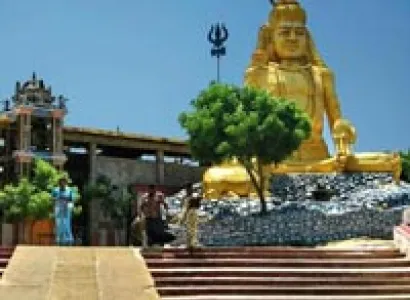
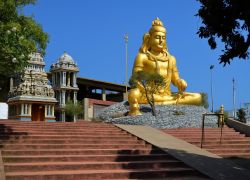
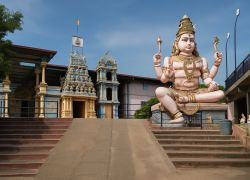
Fort Frederick is located in the heart of Trincomalee, making it easily accessible from the town center. It is situated near the famous Koneswaram Temple, perched on Swami Rock, offering panoramic views of the Indian Ocean.
The best way to reach Fort Frederick is by tuk-tuk or taxi, which are commonly available throughout Trincomalee. From the town center, it’s a short drive, and the fort is well signposted. Alternatively, if you're staying at a nearby hotel, many establishments offer guided tours to the fort.
If you are traveling from Colombo, you can take a bus or train to Trincomalee, which takes approximately 6-7 hours by road. Once in Trincomalee, local transportation like tuk-tuks or buses can take you directly to Fort Frederick.
Weather at Fort Frederick
Trincomalee has a tropical climate, characterized by hot and humid conditions throughout the year. The temperature typically ranges between 25°C and 32°C, with occasional rains during the monsoon season. The best time to visit Fort Frederick is during the dry season, which runs from May to September. This is when the weather is most pleasant for exploring the fort and surrounding attractions.
The monsoon season, from October to December, brings heavy rainfall, which may affect outdoor activities, so it’s advisable to plan your visit during the dry months for a more enjoyable experience.
Timing of Fort Frederick
Fort Frederick is open to visitors throughout the day, typically from 8:00 AM to 5:00 PM. Since the fort is an open-air historical site, it’s best to visit during the cooler parts of the day, such as in the early morning or late afternoon, to avoid the midday heat.
If you plan to visit the fort during peak tourist season, it’s advisable to arrive early to avoid the crowds. Guided tours are available during the day, which provide detailed information about the history and architecture of the fort.
Why Famous for Fort Frederick, Trincomalee, Sri Lanka?
Fort Frederick is famous for its rich colonial history and its strategic location overlooking the beautiful Trincomalee Harbor. Originally built by the Portuguese in 1623, the fort was later expanded by the Dutch in the 17th century and further developed by the British. Its historical significance lies in its role as a military stronghold during the colonial era, particularly during the conflicts between European powers in Sri Lanka.
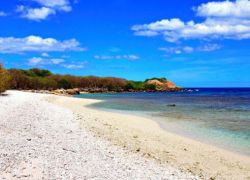
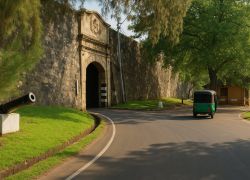
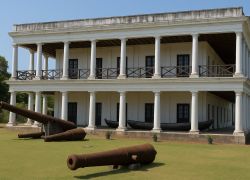
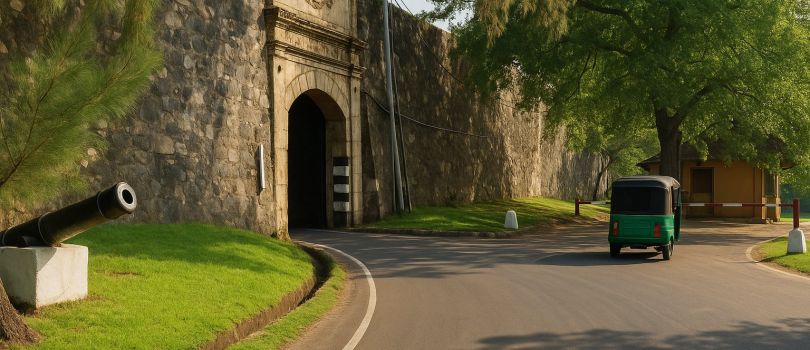
The fort is also renowned for its stunning views of the surrounding area, including the Indian Ocean and the Koneswaram Temple. Visitors can explore the fort’s well-preserved structures, including its thick stone walls, cannons, and gates, which are reminders of its past military use. Fort Frederick is a symbol of Sri Lanka’s colonial past and an important cultural heritage site for the country.
Entry and Visit Details
Fort Frederick is open to the public for a nominal fee. Entry fees are used for the preservation and maintenance of the fort. While there are no formal opening or closing hours, the best time to visit is between 8:00 AM and 5:00 PM when the site is fully accessible.
Visitors should keep in mind that the fort is an active military area, and while the historical structures are open for exploration, some sections may be restricted due to security reasons. It’s important to respect the rules and regulations of the site while visiting.
There are no facilities for food or drinks within the fort itself, so it’s a good idea to bring water and snacks. You can also explore the surrounding area, which has several restaurants and cafes serving local Sri Lankan dishes.
History of Fort Frederick
Fort Frederick was originally built by the Portuguese in 1623 as a military stronghold to protect their interests in Sri Lanka. The fort was strategically placed on Swami Rock, offering sweeping views of the Trincomalee Harbor, one of the best natural harbors in the world. The Portuguese used the fort as a base to defend against the Dutch and local kingdoms.
In 1658, the Dutch took control of the fort after defeating the Portuguese. They expanded and reinforced the fortifications, adding thick walls, gates, and other defensive structures. The British took over the fort in the late 18th century and used it for military purposes during their colonial rule in Sri Lanka.
Throughout its history, Fort Frederick has played an important role in Sri Lanka’s colonial struggles. Today, it stands as a symbol of the country’s colonial past and is a popular tourist attraction in Trincomalee.
Architecture of Fort Frederick
The architecture of Fort Frederick reflects its colonial past, with influences from Portuguese, Dutch, and British military designs. The fort is built with thick stone walls and features several structures, including gates, bastions, and a series of cannons that were used to defend the harbor. The fort’s architecture is simple yet sturdy, designed to withstand attacks and provide a commanding view of the surrounding coastline.
Inside the fort, visitors can explore the remnants of the old buildings, including barracks, a chapel, and a small museum. The fort’s ramparts offer panoramic views of Trincomalee and its famous harbor, making it an ideal spot for photography.
Things to Do at Fort Frederick
While visiting Fort Frederick, there are several activities you can enjoy:
Facts and Tips About Fort Frederick
Conclusion
Fort Frederick in Trincomalee is a fascinating historical site that offers visitors a glimpse into Sri Lanka’s colonial past. With its impressive architecture, rich history, and stunning views of the coastline, the fort is an essential stop for anyone visiting Trincomalee. Whether you’re a history enthusiast, a photographer, or simply looking to explore Sri Lanka’s cultural heritage, Fort Frederick provides an unforgettable experience that will deepen your understanding of the island’s complex history.