"Uncover the remnants of Kerala's coastal heritage"
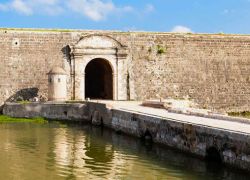
Arippu Fort, located in the northern part of Sri Lanka near the Jaffna Peninsula, is a historic fort built during the colonial era. Its strategic location near the coast made it a vital military outpost, serving various foreign powers throughout Sri Lanka’s history, including the Portuguese, Dutch, and British. Today, Arippu Fort is a popular tourist destination and an important landmark for those interested in Sri Lanka’s colonial history and military heritage. The fort offers breathtaking views of the surrounding landscapes, including the Palk Bay, and serves as a reminder of the island's turbulent colonial past.
How to Reach Arippu Fort
Arippu Fort is located approximately 20 kilometers southeast of Jaffna, making it easily accessible by car or tuk-tuk from the city. To reach Arippu Fort, you can drive south from Jaffna along the A9 highway, then take the road leading to the fort. The journey takes around 30 to 45 minutes, depending on traffic conditions.
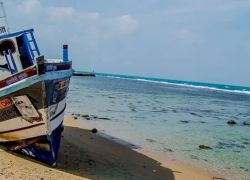
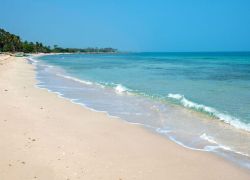
If you are traveling from Colombo to Jaffna, you can take a flight to Jaffna International Airport (about 1.5 hours) or travel by bus or train (approximately 6 to 8 hours). Once you arrive in Jaffna, the fort is easily accessible by tuk-tuk, taxi, or local transport. Visitors can also rent a vehicle to explore the surrounding areas, including the beaches and other historical sites near the fort.
Weather and Best Time to Visit
Jaffna, including the area around Arippu Fort, experiences a tropical climate, characterized by warm temperatures and high humidity throughout the year. The best time to visit Arippu Fort is during the dry season, which runs from November to April. During these months, the weather is sunny and pleasant, ideal for exploring the fort and surrounding area.
The wet season, from May to October, brings the southwest monsoon, which brings heavy rainfall and rough seas. Although the area is still accessible during the wet season, it’s advisable to check the weather before visiting to avoid any disruptions, especially if you plan to explore the outdoor areas of the fort or take a boat ride nearby. The dry season provides the most comfortable and enjoyable conditions for sightseeing.
Entry and Visit Details
Arippu Fort is open to the public year-round, and there is no official entry fee. However, visitors are encouraged to make voluntary donations to help with the maintenance of the fort and the surrounding area. The fort is typically open from early morning (around 7:00 AM) to late afternoon (around 6:00 PM), with the best time to visit being early in the morning or later in the afternoon to avoid the midday heat.
While there are no formal tourist facilities or guided tours available at the fort, visitors can explore the site at their own pace. It’s advisable to wear comfortable shoes, as there may be some uneven ground to navigate. The fort is surrounded by nature, and visitors are encouraged to respect the natural environment by avoiding littering and keeping the area clean.
Why Famous for Arippu Fort?
Arippu Fort is famous for its historical significance and strategic location. Originally built by the Portuguese in the 17th century, it was later taken over by the Dutch and used as a military outpost. The fort’s location along the coast was crucial during the colonial era, as it served as a stronghold for defending the Jaffna Peninsula and controlling sea routes. The fort’s strategic position allowed the occupying forces to monitor the movement of ships in the Palk Bay, which was important for trade and military operations.
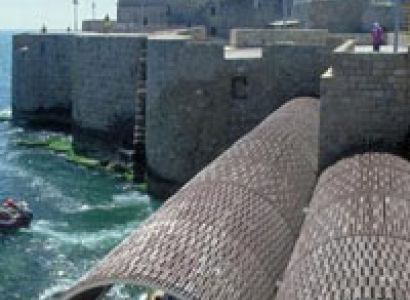
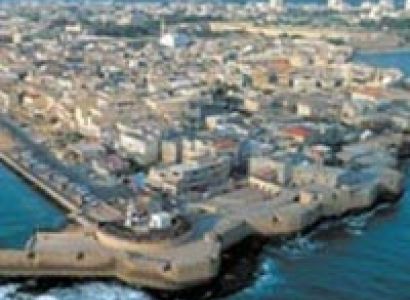
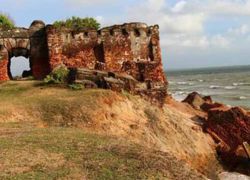
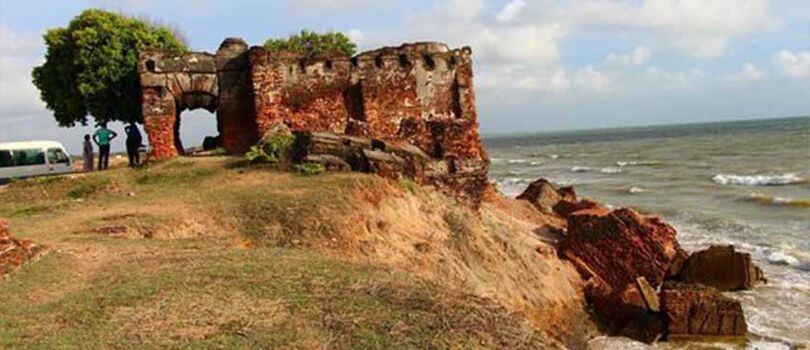
In addition to its military importance, Arippu Fort is also famous for its architectural features. The fort’s ruins, including its ramparts, watchtowers, and bastions, are a testament to the military engineering of the time. The fort is a popular spot for history enthusiasts, photographers, and those interested in Sri Lanka’s colonial past. The surrounding area also offers scenic views of the Palk Bay, adding to the fort’s appeal as a picturesque location for visitors.
History and Architecture of Arippu Fort
Arippu Fort was originally constructed by the Portuguese in 1621 as a strategic military base to control the northern coastline of Sri Lanka. The fort was built with thick stone walls and a series of defensive features, including bastions and a moat. It was strategically positioned near the mouth of the Jaffna Lagoon, allowing the Portuguese to monitor naval traffic and defend against potential attacks.
In the 17th century, the Dutch took control of the fort after defeating the Portuguese in the region. The Dutch made several modifications to the fort, reinforcing the defensive structures and expanding its facilities. During the British colonial period, the fort was further used as a military outpost, though its significance waned over time as the British expanded their control over Sri Lanka.
Today, the fort is in a semi-ruined state, but much of its original structure still stands. Visitors can explore the fort’s ramparts, which offer a panoramic view of the surrounding landscape, including the Palk Bay and the nearby islands. The remnants of the fort’s watchtowers and walls are still visible, and there are several well-preserved sections that offer insight into the fort’s former glory.
Things to Do at Arippu Fort
While Arippu Fort is primarily a historical site, visitors can enjoy several activities and experiences while exploring the fort and the surrounding area. Some of the top things to do include:
Facts and Tips about Arippu Fort
Conclusion
Arippu Fort is a fascinating historical site that offers visitors a unique glimpse into Sri Lanka’s colonial past. With its strategic location, rich history, and beautiful surroundings, the fort is an excellent destination for history enthusiasts, photographers, and nature lovers alike. Whether you're exploring the ruins, taking in the scenic views, or enjoying the nearby beaches, a visit to Arippu Fort is a rewarding experience that provides both cultural enrichment and natural beauty.