"Explore the historic stronghold of Sri Lanka's north."
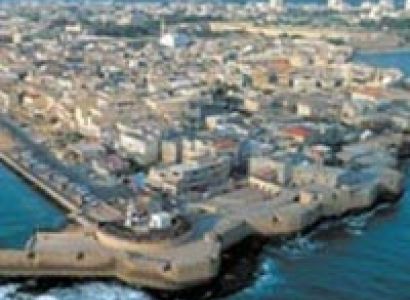
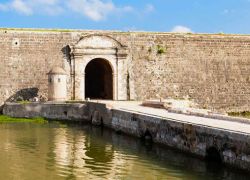
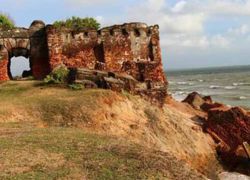
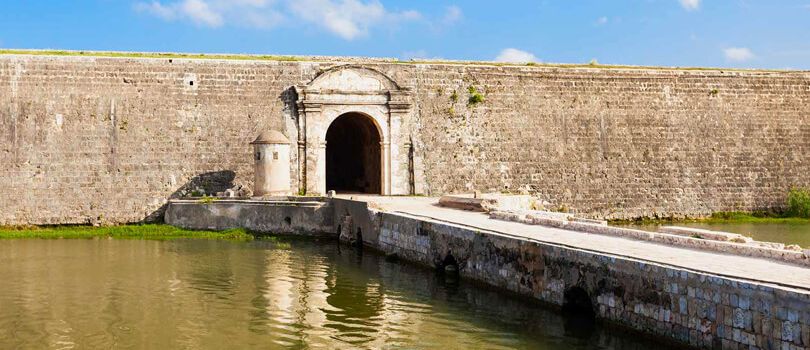
Jaffna Fort, located in the northern city of Jaffna, Sri Lanka, is one of the most prominent and historically significant landmarks on the island. Built in the 17th century by the Portuguese and later expanded by the Dutch, the fort stands as a testament to Sri Lanka's colonial history and the conflicts that shaped the region. The fort is not only a symbol of Sri Lanka's rich history but also offers visitors a glimpse into the country's colonial past, military architecture, and cultural heritage.
How to Reach Jaffna Fort
Jaffna Fort is located in the heart of the city of Jaffna, which is in the northernmost part of Sri Lanka. To reach Jaffna from Colombo, you can take a domestic flight to Jaffna International Airport, which is about 20 kilometers away from the fort. The flight takes approximately 1.5 hours. Alternatively, you can travel by bus or train from Colombo, with the journey taking around 6 to 8 hours depending on the mode of transport.
If you're already in Jaffna, the fort is easily accessible by tuk-tuk, taxi, or a short walk from the city center. The fort is located near the Jaffna Railway Station, making it convenient for travelers arriving by train. The site is well-marked, and local transportation can quickly take you there.
Weather and Best Time to Visit
Jaffna experiences a tropical climate with warm temperatures throughout the year. The best time to visit Jaffna Fort is during the dry season, which lasts from November to April. This period offers sunny and pleasant weather, making it ideal for sightseeing and exploring outdoor attractions like the fort.
During the rainy season, from May to October, the region experiences heavier rainfall, which may affect outdoor activities. However, the fort remains accessible throughout the year, and some visitors may prefer the lush, green surroundings during the rainy months. Be sure to check the weather forecast before visiting if you're planning to explore Jaffna Fort during the monsoon season.
Entry and Visit Details
Jaffna Fort is open to the public daily, and there is a nominal entry fee for visitors. The fort is open from 8:00 AM to 6:00 PM, allowing plenty of time for exploration. The entry fee is affordable, making it accessible to tourists of all budgets. Tickets can typically be purchased at the entrance or through local guides.
Guided tours are available for those interested in learning more about the history and significance of the fort. These tours are led by knowledgeable guides who provide in-depth information about the fort's architecture, historical events, and the cultural importance of the site. Alternatively, visitors can explore the fort on their own, taking in the scenic views and exploring the various sections of the fort.
Why Famous for Jaffna Fort?
Jaffna Fort is famous for its historical significance, architectural beauty, and strategic location. The fort was originally built by the Portuguese in 1618 and was later expanded by the Dutch during their colonial rule. The fort has stood the test of time and remains one of the most well-preserved colonial-era fortifications in Sri Lanka.
What makes Jaffna Fort particularly famous is its role during the Sri Lankan Civil War. The fort was used as a military stronghold during the conflict, and many of its structures were damaged or destroyed. However, it has since been restored, and its history is a reminder of the turbulent times the region has faced.
In addition to its historical significance, Jaffna Fort is also known for its scenic views of the surrounding coastline and the city of Jaffna. Visitors can walk along the fort's walls and enjoy the breeze from the Indian Ocean, making it a popular spot for photography and sightseeing.
History and Architecture of Jaffna Fort
The construction of Jaffna Fort began in 1618 by the Portuguese, who initially built a small fortification at the site. The fort was strategically positioned to control access to the Jaffna Peninsula, which was an important area for trade and military activity. In 1658, the Dutch seized control of the fort from the Portuguese and began expanding it into the much larger structure that stands today.
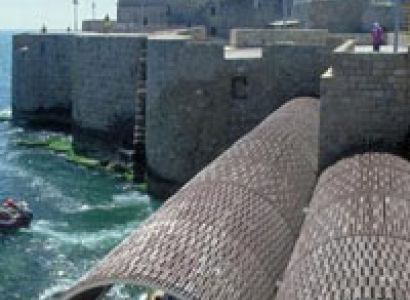
The Dutch made several improvements to the fort's design, adding a moat, thicker walls, and large bastions at the corners. The fort's architecture reflects the Dutch military style, with strong, sturdy walls designed to withstand attacks. The layout of the fort includes a central courtyard, where various buildings such as the governor's residence, storage rooms, and warehouses were located.
Throughout the centuries, the fort has seen various changes in ownership, including a period of British control during the colonial era. Despite its turbulent history, the fort has managed to maintain much of its original architecture, with many of its structures still intact or carefully restored. Today, visitors can explore the fort's walls, gates, and watchtowers, while enjoying panoramic views of the surrounding landscape.
Things to Do at Jaffna Fort
There are several activities to enjoy while visiting Jaffna Fort, including:
Facts and Tips about Jaffna Fort
Conclusion
Jaffna Fort is a must-visit destination for history enthusiasts, architecture lovers, and anyone looking to experience the rich cultural heritage of Sri Lanka's northern region. Its historical significance, combined with its stunning architecture and panoramic views, makes it an ideal location for exploring the past and enjoying the present. Whether you’re a history buff, a photographer, or just someone looking for a peaceful spot to relax, Jaffna Fort offers something for everyone. A visit to this remarkable fort is a unique opportunity to step back in time and gain insight into Sri Lanka's colonial history and its vibrant cultural landscape.