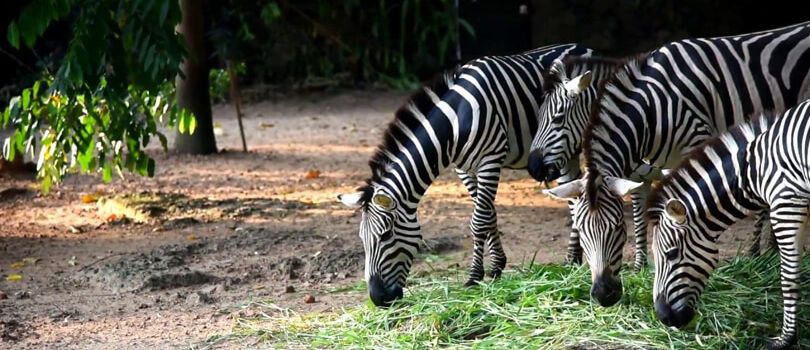
"Explore diverse wildlife in a lush setting."
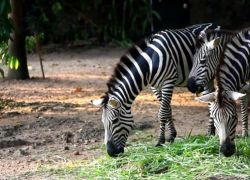
Dehiwala Zoo, officially known as the National Zoological Gardens of Sri Lanka, is one of the oldest and most popular zoos in Asia. Located near Mount Lavinia and just a short drive from Colombo, it is a major attraction for families, wildlife lovers, students, and travelers. The zoo is home to a large variety of animal species, including mammals, reptiles, amphibians, birds, and fish, making it a place where visitors can observe global wildlife in a well-maintained and educational environment. Spread across spacious, green grounds, the zoo provides an excellent opportunity to enjoy nature, learn about wildlife conservation, and spend a relaxing day outdoors.
History of Dehiwala Zoo
The history of Dehiwala Zoo dates back to the early 20th century. The zoo was originally a private exotic animal collection owned by John Hagenbeck, a member of the famous Hagenbeck family from Germany known for their contributions to modern zoo architecture and open enclosure methods. In 1936, the Government of Ceylon acquired the land and animal collection, officially establishing the National Zoological Gardens of Sri Lanka.
Over the years, the zoo has expanded its species collection and improved its animal enclosures to provide more natural and ethical habitats. Major developments include the introduction of educational programs, improved veterinary facilities, increased greenery, and the construction of specialized sections such as the aquarium, reptile house, and aviary. While retaining its historic charm, the zoo continues to play a significant role in wildlife conservation, animal welfare, and public education.
Architecture and Layout
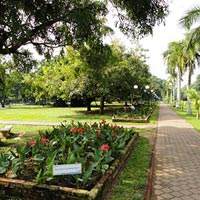
Dehiwala Zoo combines colonial-era design elements with modern zoological features. The zoo covers several hectares of landscaped grounds designed with pathways, shaded areas, rest spaces, ponds, and gardens. The architecture focuses on both visitor experience and the comfort of the animals.
Key sections of the zoo include:
The zoo’s pathways are easy to follow, with exhibit boards and signs providing information about each species. The layout encourages a complete walkthrough, ensuring visitors can see all exhibits without missing major attractions.
How to Reach Dehiwala Zoo
Dehiwala Zoo is conveniently located near Mount Lavinia and easily accessible from Colombo and surrounding regions.
By Road: The zoo is approximately 10 kilometers from Colombo city center. Visitors can reach by taxi, private car, tuk-tuk, or ride-hailing services along Galle Road. Standard travel time is 20–40 minutes depending on traffic.
By Train: The nearest major station is Dehiwala Railway Station. From the station, visitors can take a short tuk-tuk ride or walk to the zoo.
By Bus: Buses running between Colombo and Galle frequently stop at Dehiwala or along Galle Road, with bus stops located close to the zoo entrance.
From the Airport: Bandaranaike International Airport is around 45–60 minutes away by taxi, depending on traffic conditions.
Weather in Mount Lavinia
Mount Lavinia and Dehiwala experience a tropical climate with warm temperatures throughout the year. Average temperatures range from 26°C to 32°C. Weather conditions vary slightly by season:
Visitors should carry drinking water, sunscreen, and hats, especially if exploring during midday when the sun can be strong.
Timings for Visitors
Dehiwala Zoo generally operates throughout the week, opening in the morning and closing in the evening. While exact timings may vary slightly, standard visiting hours are usually:
Opening Time: Around 8:30 AM
Closing Time: Around 6:00 PM
Visiting earlier in the morning or late afternoon is recommended for a more comfortable experience, as animals tend to be more active and the weather is cooler.
Why Dehiwala Zoo is Famous
Dehiwala Zoo is famous for several reasons:
Entry and Visit Details
Dehiwala Zoo charges an entry fee, with separate ticket prices for:
Visitors can buy tickets at the entrance, and the zoo typically provides amenities such as:
Things to Do at Dehiwala Zoo
A trip to Dehiwala Zoo offers numerous enjoyable activities:
Interesting Facts About Dehiwala Zoo
Tips for Visiting Dehiwala Zoo
Dehiwala Zoo in Mount Lavinia remains one of Sri Lanka’s treasured attractions, offering a blend of education, wildlife experiences, nature walks, and family-friendly activities. Whether you are a traveler, student, researcher, or family looking for a day out, the zoo provides a meaningful experience that highlights the beauty and diversity of the natural world.
Mount Lavinia
Mount Lavinia