"Admire breathtaking coastal views and history."
Lavinia Lighthouse, located in the coastal town of Mount Lavinia near Colombo, is a charming historic landmark that reflects Sri Lanka’s colonial past and maritime heritage. Although the lighthouse is relatively small and not as widely known as other lighthouses in the country, it has an important place in the town’s history. Positioned close to the coastline overlooking the Indian Ocean, the lighthouse once played a key role in guiding ships travelling toward Colombo Port and other western coastal reaches of the island. Today, the lighthouse and its surroundings draw visitors who wish to experience the coastal charm, historical ambience, and scenic views of Mount Lavinia.
History of Lavinia Lighthouse
The history of Lavinia Lighthouse is linked closely to the British colonial era. During the early 19th and 20th centuries, the western coast of Sri Lanka saw increased maritime activity, and safe navigation became crucial for trade and shipping. As Colombo grew into a major administrative and commercial center, secondary navigation posts like Lavinia Lighthouse helped guide vessels, especially along the shallow and reef-filled coastal stretches near Mount Lavinia. Although not as tall or elaborate as major lighthouses in the country, it served as a helpful signal point and stood as a landmark for nearby coastal ships.
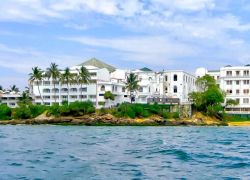
Its location near the famous Mount Lavinia Hotel also connects it with the broader colonial heritage of the region. The area around the lighthouse still echoes the architectural influences of the British era, and though the lighthouse no longer operates as a key navigation facility, it remains an important cultural and historical icon within the town.
Architecture and Structure
Lavinia Lighthouse is a modest structure compared to larger operational lighthouses in Sri Lanka. It features a cylindrical tower design with simple colonial architectural elements. The lighthouse stands on a raised foundation near the shoreline, offering clear visibility across the sea. Its light once served as a coastal navigation point for vessels approaching Colombo from the south-western waters.
The surroundings are characterized by serene coastal areas, walking paths, and a peaceful atmosphere. While the lighthouse is no longer operational in a major navigational capacity, its original structure has been preserved and continues to be appreciated as a heritage landmark. The lighthouse’s design reflects the functionality of British maritime architecture—practical, sturdy, and built to withstand the elements of the Indian Ocean coast.
How to Reach Lavinia Lighthouse
Lavinia Lighthouse is conveniently located in Mount Lavinia, around 12 kilometers south of Colombo. The area is well-connected by multiple modes of transportation, making it easy for travelers to visit.
By Road: Visitors can reach the lighthouse by taxi, tuk-tuk, rideshare, or private car. From Colombo, the drive usually takes 30 to 45 minutes depending on traffic conditions. The coastal route provides scenic views along the way.
By Train: The southern coastal railway line runs directly to Mount Lavinia Station, which is close to the lighthouse. This route is popular as it offers beautiful ocean views throughout the journey.
By Bus: Several buses operate between Colombo and Mount Lavinia, with the main road offering bus stops at convenient intervals.
From the Airport: Travelers arriving at Bandaranaike International Airport can reach Mount Lavinia by taxi or bus with a journey of approximately 1.5 hours depending on traffic.
Weather of Mount Lavinia
Mount Lavinia has warm coastal weather throughout the year, with daytime temperatures ranging between 26°C and 32°C. The best time to visit the lighthouse is from December to early April, when the weather is sunny, the sea is calm, and outdoor exploration is more enjoyable. The southwestern monsoon season from May to September brings rain and occasional rough coastal winds. However, even during rainy months, there are breaks of sunshine, and sightseeing remains possible with proper planning.
Timings for Visiting
Lavinia Lighthouse can be viewed throughout the day as the surrounding area is publicly accessible. Early mornings and late afternoons are ideal times to visit, especially for photography or peaceful walks. Sunset is particularly beautiful along the Mount Lavinia coast, with soft golden light offering scenic backgrounds for photographs. Night visits are also possible, but it is advisable to remain in well-lit public areas.
Why Lavinia Lighthouse is Famous
Lavinia Lighthouse is famous not only for its role in the maritime history of Sri Lanka but also for its strategic location in one of the most popular coastal towns near Colombo. While it may not function as a major navigation landmark today, it stands as a symbol of the British colonial era and the development of maritime activity on the western coast. Its proximity to the historic Mount Lavinia Hotel and the scenic beach makes it a popular stop for tourists exploring the area. The lighthouse is also known for being a peaceful location for photography, quiet walks, and heritage sightseeing.
Entry and Visit Details
There is no official entry fee to view Lavinia Lighthouse. Visitors can freely walk around the area and capture photographs from the surrounding space. However, access inside the lighthouse itself may not be available as it is not typically open for public interior visits. Travelers can combine their lighthouse visit with exploring Mount Lavinia Beach, local cafés, or the historic hotel nearby. The accessible nature of the site makes it a popular addition to travel itineraries without the need for prior planning or ticketing.
Things to Do Near Lavinia Lighthouse
There are several enjoyable activities visitors can engage in when visiting the lighthouse:
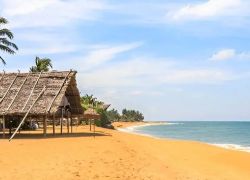
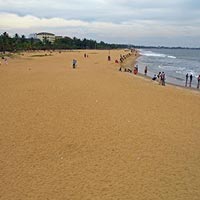
Beach Walks: Mount Lavinia Beach is only a short walk away, offering a long sandy coastline ideal for relaxing and scenic walks.
Photography: The lighthouse and surrounding coastline make beautiful subjects for heritage and coastal photography, especially during early morning or sunset.
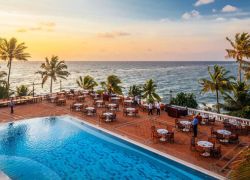
Dine by the Sea: Mount Lavinia is known for its beachfront cafés and seafood restaurants where visitors can enjoy meals with ocean views.
Explore Colonial Heritage: The nearby Mount Lavinia Hotel offers glimpses into Sri Lanka’s colonial past, with architecture and legends that attract history lovers.
Local Shopping: Visitors may explore small shops and vendors around the beach area for souvenirs, local sweets, and coastal crafts.
Interesting Facts About Lavinia Lighthouse
Tips for Visiting Lavinia Lighthouse
Lavinia Lighthouse remains a quiet yet meaningful heritage attraction in Mount Lavinia, offering travelers a glimpse into the region’s maritime and colonial past while providing peaceful views of Sri Lanka’s western coastline. Whether combined with a beachside visit, a coastal walk, or a dive into history, it serves as a memorable stop in any Mount Lavinia travel itinerary.
Mount Lavinia
Mount Lavinia