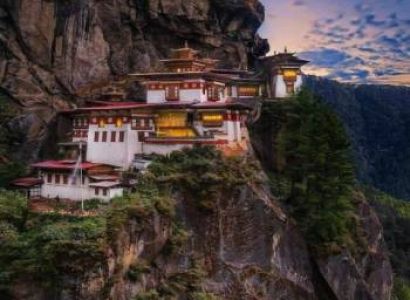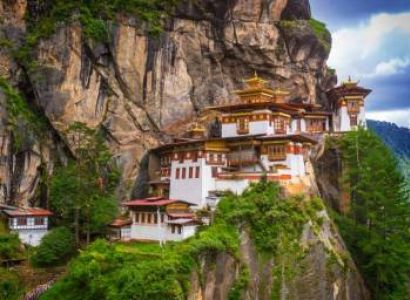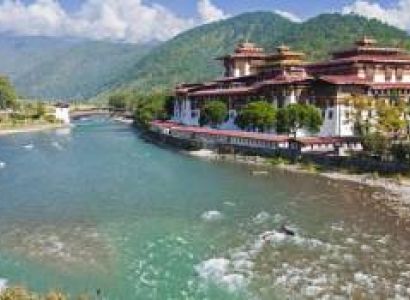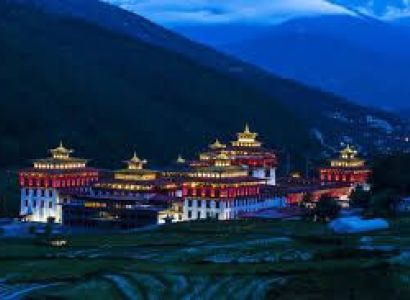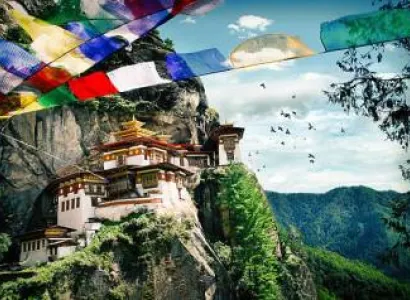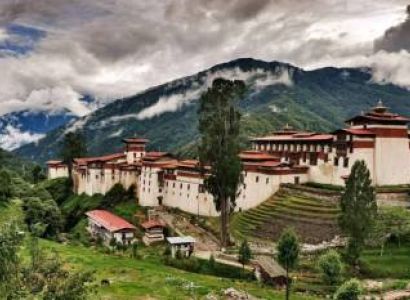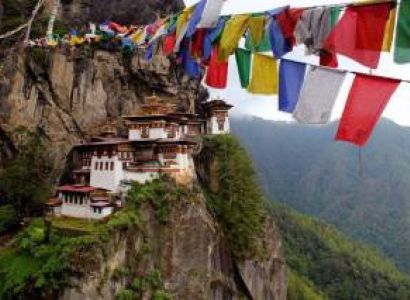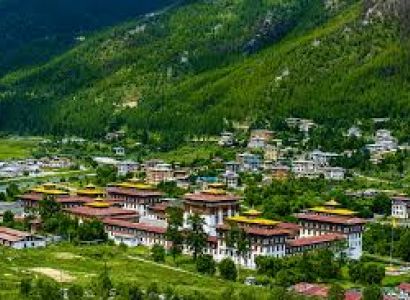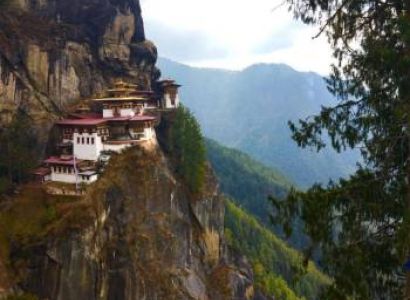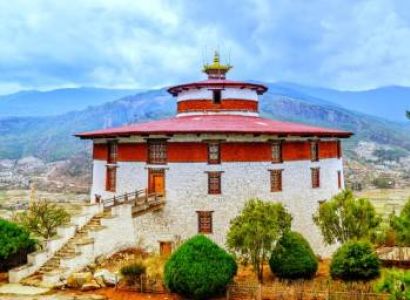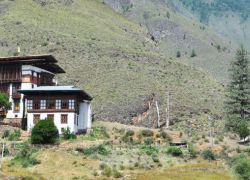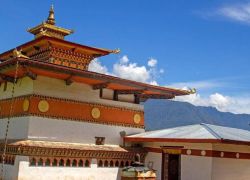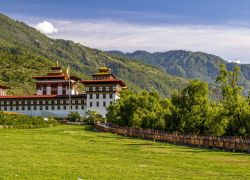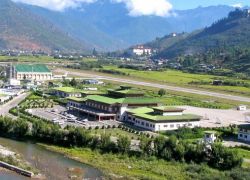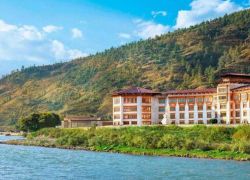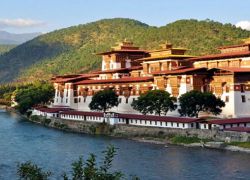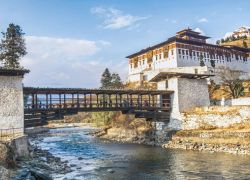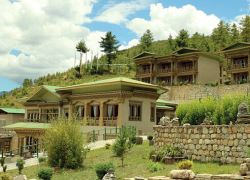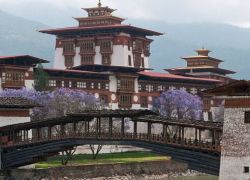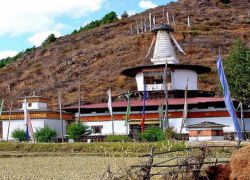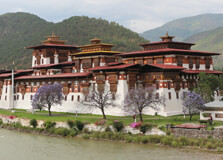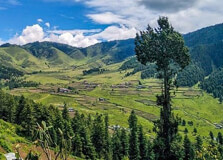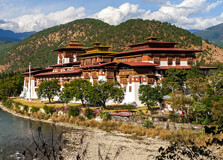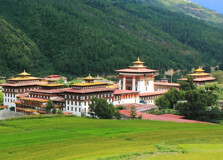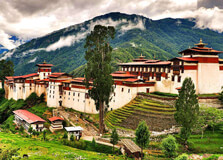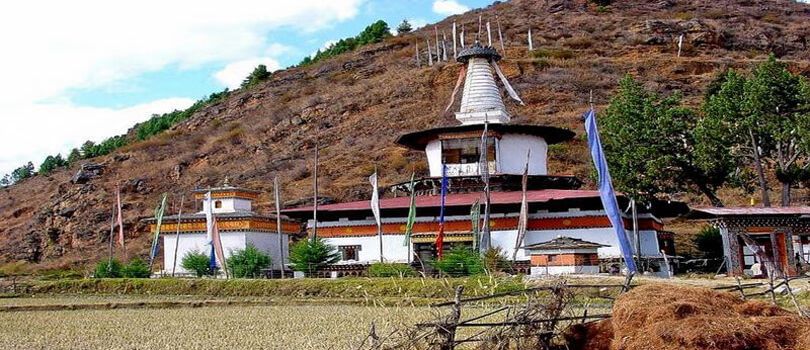
"Unique temple showcasing Bhutanese architecture."
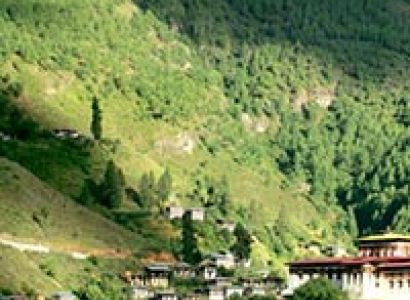
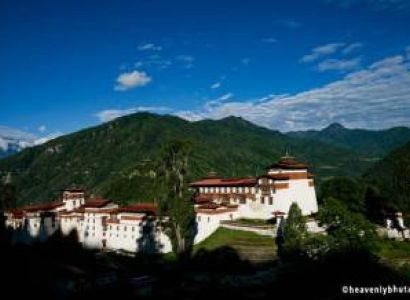
Jangtsa Dumtseg Lhakhang is one of the most striking and historical Buddhist temples located in the Paro Valley of Bhutan. Known for its unique architecture and rich spiritual significance, this temple stands as a testament to the deep religious roots of the Bhutanese people. Perched on a hill, it offers a stunning view of the surrounding valley, making it a popular spot for both tourists and pilgrims alike.
How to Reach Jangtsa Dumtseg Lhakhang, Paro
Getting to Jangtsa Dumtseg Lhakhang is relatively easy. Here’s how to reach this magnificent temple from Paro town:
Weather
Paro, being a temperate region, experiences a variety of weather conditions throughout the year. The weather around Jangtsa Dumtseg Lhakhang also follows this trend, offering different experiences depending on the season.
Timing
Jangtsa Dumtseg Lhakhang is open to visitors daily from 8:00 AM to 5:00 PM. However, visiting early in the morning or late in the afternoon is recommended to avoid crowds and to experience the serene ambiance of the monastery. The best time to visit is during the cooler months of spring and autumn when the weather is pleasant and the surroundings are at their most beautiful.
Why is Jangtsa Dumtseg Lhakhang Famous?
Jangtsa Dumtseg Lhakhang is famous for several reasons, primarily for its unique architectural design. The temple is modeled after the famous Chorten (stupa) in Bodhgaya, India, where Lord Buddha attained enlightenment. It is also known for its impressive location, sitting on a hill above Paro, providing visitors with panoramic views of the valley.
The temple is also closely associated with Lama Drukpa Kunley, a revered Bhutanese saint. The stories of his life and teachings are featured in murals inside the temple. This connection to one of Bhutan’s most iconic religious figures adds spiritual depth to the experience of visiting the temple.
Entry and Visit Details
There is no official entry fee to visit Jangtsa Dumtseg Lhakhang, but donations are encouraged. These donations go toward the preservation of the monastery and its upkeep. When visiting, it is important to follow the traditional Bhutanese customs and show respect for the local religious practices.
Inside the temple, visitors are expected to remove their shoes and walk quietly. Photography is allowed outside the temple, but permission must be obtained before taking photos inside, particularly if you are attending a religious ceremony.
History and Architecture
Jangtsa Dumtseg Lhakhang was built in the 15th century by the renowned lama, Ngawang Chogyal. He constructed this temple to subdue the demoness who, according to legend, was causing disturbances in the Paro Valley. The monastery was built with the intention of protecting the local population from the evil spirits in the area.
Architecturally, the temple stands out with its distinctive structure resembling a chorten. It has a circular, multi-story design with intricately decorated walls and a conical roof. The structure is adorned with vibrant paintings of Buddhist deities and historical figures, including Guru Rinpoche and other revered saints.
The temple also features elaborate murals and carvings, which tell the story of Bhutanese Buddhism. The vibrant colors and symbolic representations add a spiritual depth to the architecture, drawing visitors who are interested in both the artistic and religious aspects of Bhutanese culture.
Things to Do at Jangtsa Dumtseg Lhakhang
Interesting Facts about Jangtsa Dumtseg Lhakhang
Tips for Visitors