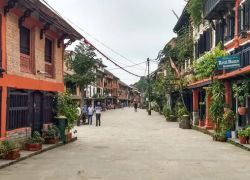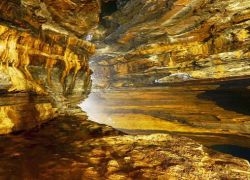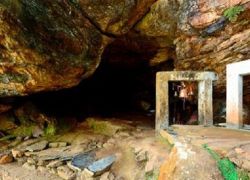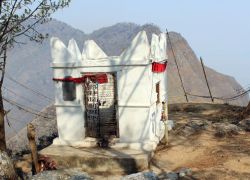
"Explore ancient limestone formations and stunning views."
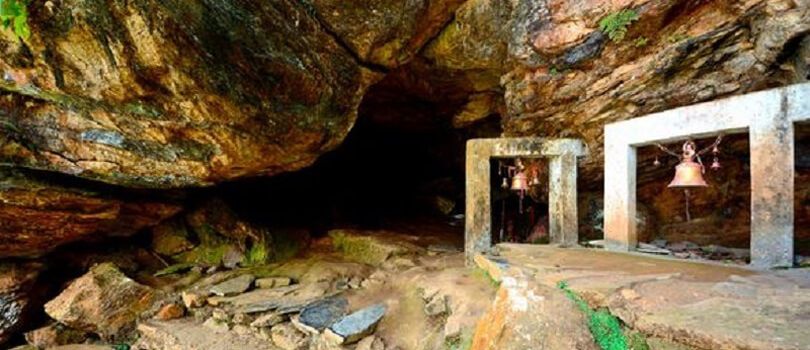
Mahendra Cave, located in the beautiful hilltop town of Bandipur in Nepal, is one of the most popular tourist attractions in the region. The cave, named after King Mahendra of Nepal, is known for its impressive limestone formations, stalactites, and stalagmites, which have formed over centuries. The cave is a natural wonder that offers a glimpse into the geological history of the area while also providing a serene and peaceful environment for visitors to explore.
The cave is situated about 2 kilometers from the main town of Bandipur and is accessible by a short walk. As you venture inside, the cool air and the darkness of the cave create a sense of mystery, and visitors are often left in awe of its size and beauty. Mahendra Cave is one of the few caves in Nepal that is open to the public, making it a must-visit destination for those exploring Bandipur.
How to Reach Mahendra Cave, Bandipur
Reaching Mahendra Cave is relatively easy, as it is located just outside the town of Bandipur. The cave is a popular attraction, so visitors can easily find their way there from the town center.
Weather of Mahendra Cave, Bandipur
Bandipur, including Mahendra Cave, experiences a moderate climate throughout the year, making it an attractive destination for visitors in all seasons. However, the weather conditions can vary depending on the time of year.
Timing to Visit Mahendra Cave, Bandipur
Mahendra Cave is open to visitors year-round, but the ideal time to visit is during the autumn (October to December) and spring (March to May) seasons. These months offer pleasant weather, clear skies, and mild temperatures, making it the best time to explore the cave and enjoy the natural beauty of the surroundings.
Avoid visiting the cave during the monsoon season (June to September), as heavy rain can make the paths slippery and unsafe. Winter (October to February) is another great time to visit as the weather is crisp and clear, perfect for exploring the cave and the surrounding areas.
Why Famous for Mahendra Cave, Bandipur?
Mahendra Cave is famous for being one of the largest caves in Nepal that is open to the public. The cave is a popular tourist destination due to its impressive size and the fascinating stalactites and stalagmites inside. It is an excellent example of the geological history of the region, with limestone formations that have been shaped over millions of years.
In addition to its natural beauty, Mahendra Cave is also a significant cultural landmark in Bandipur. The cave is named after King Mahendra of Nepal, and its historical and cultural significance adds to its allure. The cave also holds spiritual importance for the locals, who believe that it has been a sacred site for centuries.
Entry and Visit Details about Mahendra Cave, Bandipur
Visiting Mahendra Cave is relatively easy, and there are no strict entry restrictions. Visitors are encouraged to take a guided tour or explore the cave on their own. Here are some key details about visiting the cave:
History and Architecture of Mahendra Cave
Mahendra Cave has historical and cultural significance, with its name being derived from King Mahendra, the former king of Nepal. The cave is believed to have been formed over millions of years, and the limestone formations inside provide a glimpse into the geological history of the region. The cave is an example of the region’s karst topography, characterized by limestone formations such as stalactites and stalagmites.
Architecturally, the cave is a natural wonder, with its vast interior space and the intricate rock formations inside. The cave's stalactites and stalagmites are particularly impressive, with some formations resembling animals, human figures, and other natural shapes. The lighting inside the cave is dim, creating an atmospheric and mysterious environment that adds to its allure.
Things to Do at Mahendra Cave, Bandipur
Facts and Tips about Mahendra Cave, Bandipur