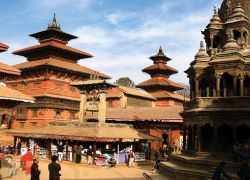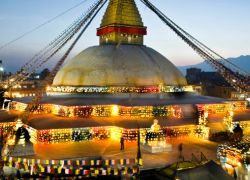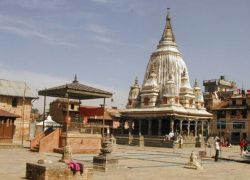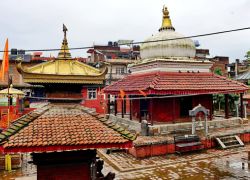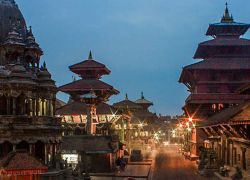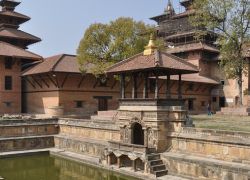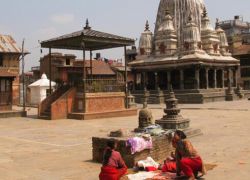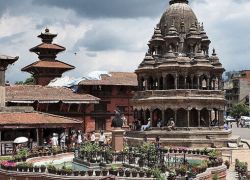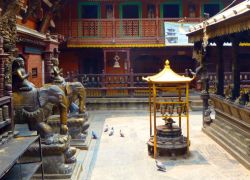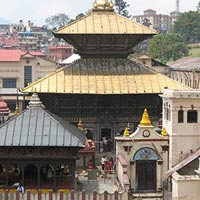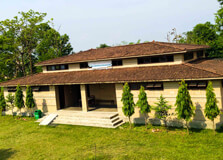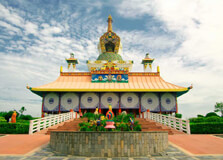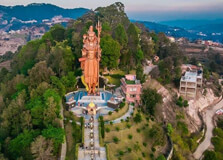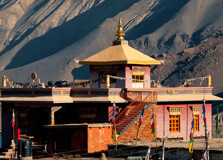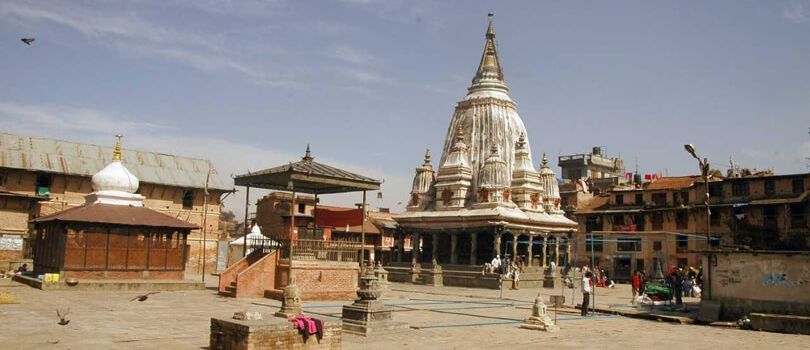
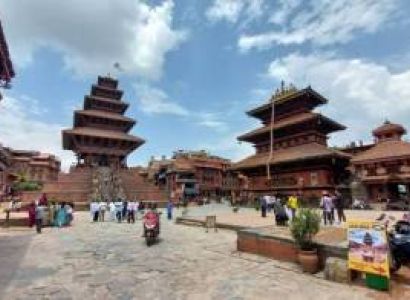
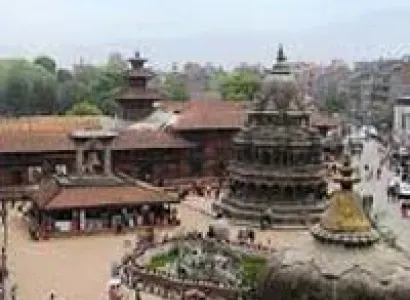
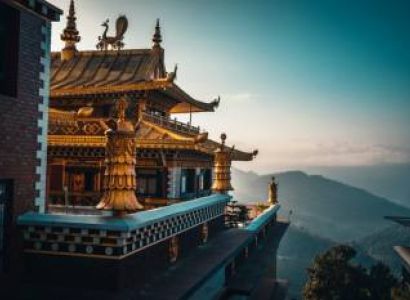
"Admire the intricate artistry of historical architecture."
Bunga Dyah Temple, also known as the temple of Rato Machindranath, is one of the most important and sacred religious sites located in Lalitpur, Nepal. This temple is dedicated to Bunga Dyah, the Newar name for the rain god Rato Machindranath, who is widely revered by both Hindus and Buddhists in the Kathmandu Valley. The temple not only holds religious significance but is also a cultural symbol representing centuries-old traditions and festivals of the Newar community. Bunga Dyah is especially associated with the annual Rato Machindranath Jatra, one of the oldest and longest chariot festivals in Nepal.
How to Reach Bunga Dyah Temple, Lalitpur
Bunga Dyah Temple is located in the heart of Lalitpur (Patan), making it easily accessible from anywhere in the Kathmandu Valley.
Weather
Lalitpur enjoys a moderate climate throughout the year, making Bunga Dyah Temple a year-round destination.
Timing
The temple is open daily for prayers and visitors. Mornings and evenings are popular for religious rituals and local worshippers.
Why Famous for Bunga Dyah Temple, Lalitpur?
Bunga Dyah Temple is famous not just for being a religious site, but also as the center of one of the most spectacular festivals in Nepal—the Rato Machindranath Jatra. This grand chariot festival, which can last over a month, symbolizes unity and cooperation among the Newar people and is observed with great devotion and festivity.
Entry and Visit Details about Bunga Dyah Temple, Lalitpur
History and Architecture
The origins of the Bunga Dyah Temple date back over a thousand years, with various legends surrounding its establishment. According to mythology, the rain god Machindranath was brought to the Kathmandu Valley to relieve it from drought. Over time, a temple was built in Lalitpur to enshrine the deity, symbolizing peace, rain, and prosperity.
The architecture of the temple reflects classic Newar craftsmanship. It is a multi-tiered pagoda-style structure adorned with intricately carved wooden struts, windows, and doors. The roof is gilded, and the temple courtyard often hosts smaller shrines and spaces for ritual activities. Despite being rebuilt and renovated over centuries, the temple retains its traditional heritage and spiritual essence.
Things to Do at Bunga Dyah Temple, Lalitpur
Facts and Tips about Bunga Dyah Temple, Lalitpur
Conclusion
Bunga Dyah Temple is more than just a place of worship—it's a living cultural monument that represents the deep spiritual roots of the Newar community and the harmonious co-existence of Hindu and Buddhist traditions in Nepal. Whether you're a spiritual seeker, a culture enthusiast, or a curious traveler, a visit to this sacred temple offers a unique glimpse into Nepal’s vibrant religious life and architectural beauty. With its captivating legends, ornate design, and powerful religious energy, Bunga Dyah Temple in Lalitpur remains an unmissable destination for anyone exploring the Kathmandu Valley.


Lalitpur
Lalitpur
Lalitpur
Lalitpur
Lalitpur
Lalitpur
Lalitpur