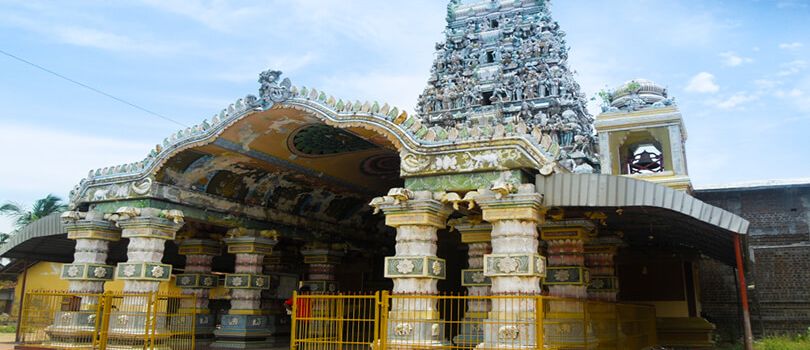
"A serene haven for spiritual seekers."
Piliyandala Temple in Batticaloa is a serene and culturally significant Buddhist shrine located in the Eastern Province of Sri Lanka. Known for its peaceful surroundings, ancient heritage, and religious importance, the temple attracts pilgrims and travelers seeking spiritual solace and insight into the Buddhist traditions of the region. The temple is situated in a quiet location, surrounded by lush greenery and local village settlements, offering visitors a chance to experience calmness and reflection away from the rush of the city. While not as widely known internationally, Piliyandala Temple holds historical value for the local community and remains an important center of worship, meditation, and cultural preservation in Batticaloa.
How to Reach Piliyandala Temple
Piliyandala Temple is located within the Batticaloa District and is accessible by road from the main city and nearby towns. Visitors can reach the temple through the following transportation options:
By Train: The nearest major railway station is Batticaloa Railway Station, which is well connected to major cities such as Colombo, Polonnaruwa, and Trincomalee. From the station, visitors can hire a tuk-tuk, private vehicle, or local bus to reach the temple.
By Bus: Regular long-distance and intercity buses operate between Colombo and Batticaloa, as well as other nearby towns. After arriving at the Batticaloa Bus Stand, travelers can take a local bus or taxi to the temple area.
By Road: Those traveling by private car or taxi can easily reach Piliyandala Temple via the well-maintained main roads connecting Batticaloa to surrounding areas. Signboards, Google Maps navigation, and guidance from locals make it simple to reach the location without difficulty.
Weather at Piliyandala Temple
Piliyandala Temple experiences the warm and tropical climate typical of Sri Lanka’s eastern coastal region. Average temperatures range from 26°C to 32°C throughout the year. The best period to visit is from April to October when the weather is generally dry and pleasant for outdoor visits and temple exploration. From November to February, occasional showers and monsoon winds may occur, though the temple still remains open and accessible. Early mornings and evenings are particularly comfortable and ideal for meditation, temple worship, and photography.
Timing
Piliyandala Temple is generally open daily from early morning until evening. The temple does not have strict entry hours, as it is mainly a religious site where pilgrims and devotees visit throughout the day. The best time to visit is during morning or evening prayer hours, when the temple atmosphere is most peaceful and spiritual. On full-moon Poya days, the temple often sees increased attendance from local worshippers participating in ceremonies and offerings.
Why Famous for Piliyandala Temple, Batticaloa?
Piliyandala Temple is famous for its religious significance, peaceful natural surroundings, and traditional Buddhist culture. It is a spiritual center for residents of the Batticaloa region and holds special importance during Buddhist festivals, prayer offerings, and cultural ceremonies. The temple is also known for its scenic location, with greenery, village landscapes, and a calm atmosphere that encourages meditation and reflection.
For travelers seeking an authentic cultural experience, the temple offers a genuine insight into local Buddhism, away from the more commercial religious sites found in popular tourist regions. The temple also preserves traditional rituals and ancient teachings, making it a valuable cultural landmark for spiritual travelers and heritage enthusiasts.
Entry and Visit Details
Entry to Piliyandala Temple is completely free of charge. Visitors are welcome to explore the temple grounds, participate in prayer rituals, and observe the religious environment peacefully. However, as with most Buddhist temples in Sri Lanka, visitors are expected to follow respectful guidelines:
• Remove shoes and hats before entering inner temple areas.
• Dress modestly, preferably covering shoulders and knees.
• Maintain silence and avoid disturbing worshippers.
• Photography may be limited in certain areas, especially where active worship or religious symbols are present.
Basic amenities may be available around the temple, though visitors are advised to carry drinking water and other essentials, as facilities may be modest depending on the season and number of visitors.
History of Piliyandala Temple
The history of Piliyandala Temple is closely tied to the spread of Buddhism in the Eastern Province of Sri Lanka. While the temple may not hold a widely documented recorded history in international archives, it is believed to have been established several decades ago, serving as a center of Buddhist learning, local worship, and spiritual guidance for villagers in the Batticaloa region.
Over time, the temple has played a significant role in the religious upbringing of the community, hosting festivals, Poya day ceremonies, traditional blessings, and educational programs for children and monks. The temple’s legacy is preserved through oral traditions, local belief systems, and decades of religious practice. As is common in Sri Lankan temple heritage, community donations and collective support have allowed Piliyandala Temple to develop and continue serving local devotees into the present day.
Architecture of Piliyandala Temple
The architecture of Piliyandala Temple reflects the simple yet meaningful design elements commonly found in Buddhist temples across rural Sri Lanka. The temple complex typically features:
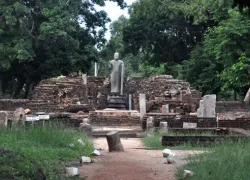
• A central shrine hall (image house) containing statues of Lord Buddha.
• Open spaces for meditation, prayer, and offerings.
• A Bodhi tree (Sacred Fig Tree), symbolizing enlightenment.
• Stone pathways, whitewashed walls, and traditional lanterns.
• Small stupas or dagobas associated with Buddhist worship.
Rather than large or elaborately decorated structures, Piliyandala Temple emphasizes simplicity, purity of design, and natural surroundings—focusing on spiritual practice rather than architectural display. The lush environment, gentle wind, and quiet village atmosphere enhance the temple’s charm and make it ideal for meditation and contemplation.
Things to Do at Piliyandala Temple
Visitors to the temple can enjoy a range of peaceful and meaningful activities, such as:
• Meditating under the Bodhi tree or in the courtyard
• Participating in prayer and traditional Buddhist rituals
• Observing temple architecture, statues, and cultural symbols
• Photographing the scenic and tranquil surroundings
• Learning about Buddhist teachings and local religious customs
• Attending special Poya day ceremonies or offerings
• Enjoying a relaxing walk around the temple grounds
Facts About Piliyandala Temple
• The temple remains an active place of Buddhist worship throughout the year.
• It is considered an important religious landmark for the rural communities of Batticaloa.
• Festivals and Poya days draw larger crowds of pilgrims and families.
• The temple reflects traditional Sri Lankan Buddhist architecture with minimal modern alterations.
• The temple surroundings are rich in natural beauty, making it perfect for quiet reflection.
Travel Tips for Visitors
• Dress respectfully, following general temple etiquette.
• Visit in the morning or late afternoon for the most comfortable weather.
• Carry hats, sunscreen, and water, as shade may be limited outdoors.
• Maintain silence and behave respectfully inside the temple grounds.
• Remove shoes before entering shrines or sacred areas.
• Ask permission before taking photographs, especially of religious activities.
• Combine your visit with nearby cultural attractions in Batticaloa for a fuller experience.
Piliyandala Temple in Batticaloa is a peaceful and spiritually enriching destination for travelers wishing to explore authentic Buddhist heritage in Sri Lanka’s Eastern Province. With its serene ambiance, traditional architecture, and deep cultural significance, the temple offers a meaningful and memorable experience for visitors seeking tranquility and cultural understanding.


Batticaloa