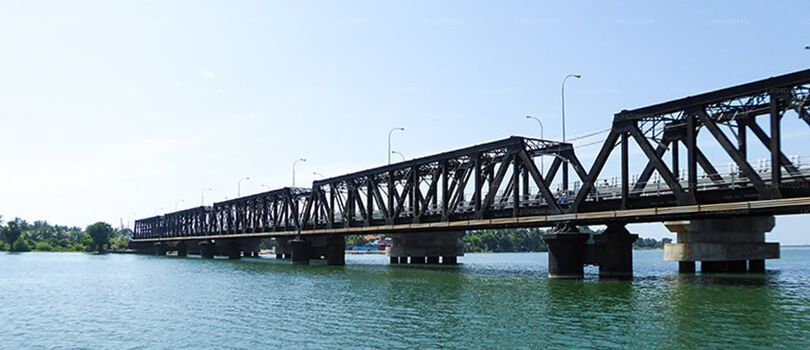
"Marvel at the historic bridge connecting cultures."
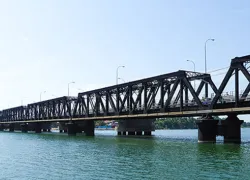
Kallady Bridge, located in the coastal city of Batticaloa in Eastern Sri Lanka, is one of the region’s most historically and culturally significant landmarks. Officially known as the Lady Manning Bridge during colonial times, it is one of the oldest and most iconic bridges in Sri Lanka. Stretching across the beautiful Batticaloa Lagoon, the bridge connects the mainland town of Batticaloa with the suburb of Kallady. This calm and scenic location offers visitors panoramic views of the lagoon, picturesque fishing boats, and tranquil mangrove surroundings. Kallady Bridge is not only a transportation link but also a site of mystery and charm, widely known for the famous “singing fish” – a rare natural phenomenon once recorded beneath the lagoon waters near the bridge.
The bridge area is a favorite spot among locals and travelers for evening walks, sunrise views, photography, cycling, and understanding the daily lives of fishing communities. Today, the bridge stands as a reminder of Batticaloa’s colonial legacy while serving as one of the most scenic and peaceful attractions in the city.
How to Reach Kallady Bridge
Kallady Bridge is centrally located and easily accessible from major transport routes in Batticaloa.
By Road: Visitors traveling from Colombo can reach Batticaloa via the Colombo–Kandy–Polonnaruwa highway or the Southern coastal route. The journey takes around 6–7 hours by private vehicle or bus. Once in Batticaloa, Kallady Bridge is only a short drive (1–3 km) from the city center and can easily be reached by tuk-tuk, taxi, rental vehicle, or even bicycle.
By Train: Direct trains operate from Colombo Fort and Maradana to Batticaloa Railway Station. From the station, the bridge is a quick 10–15 minute ride. Trains are a comfortable and scenic method of travel, especially for long journeys.
By Air: The nearest airport is Batticaloa Domestic Airport, which connects to Colombo and other major destinations through local flights. International travelers can arrive at Bandaranaike International Airport and proceed to Batticaloa by train, bus, or private transport.
Weather at Kallady Bridge
Kallady experiences warm tropical weather throughout the year. Average temperatures range between 26°C and 32°C. The dry season, from April to September, offers ideal weather for sightseeing, especially for those planning to enjoy lagoon views and photography. The monsoon season, usually between October and January, brings rainfall, cooler breezes, and cloud-filled skies that add a different charm to the lagoon scenery. Regardless of the season, early mornings and evenings are the most pleasant times to visit Kallady Bridge due to cooler temperatures and softer natural lighting.
Timing to Visit Kallady Bridge
Kallady Bridge is open to visitors 24 hours a day, as it is a public structure along the Batticaloa Lagoon. Though there are no official visiting times, certain hours offer a more enjoyable experience:
• Early Morning: Excellent for sunrise photography, peaceful nature walks, and watching fishing boats depart.
• Late Afternoon to Sunset: One of the most popular times to visit as the lagoon glows with golden light and a cool breeze flows across the water.
• Nighttime: On calm and quiet nights, visitors may listen for the legendary “singing fish.”
Why Kallady Bridge is Famous
Kallady Bridge is most famous for the mysterious and enchanting natural phenomenon known as the “singing fish.” This occurrence was first documented in the early 20th century when British naval officers recorded humming and musical vibrations from beneath the water near the bridge. Though still unexplained, many believe these sounds come from marine life producing natural underwater resonances. Audio recordings of the phenomenon were even broadcast by the BBC in the 1960s, making Kallady internationally known.
Additionally, the bridge is historically significant as one of the oldest colonial bridges in the region and offers some of the best scenic views in Batticaloa. Travelers visit to experience quiet nature, traditional lagoon fishing culture, historic architecture, and peaceful evening strolls.
Entry and Visit Details
There is no entry fee to visit Kallady Bridge. The bridge and its surrounding lagoon viewpoints are open to the public at all hours. Visitors can walk, drive, or cycle across the bridge, capturing scenic views of the lagoon. No permits are required for sightseeing. However, travelers who want to enjoy boat rides or guided lagoon tours can arrange them with local fishermen or private tour operators for a fee.
History and Architecture
The original Kallady Bridge was constructed during the British colonial era and was named after Lady Manning, wife of Governor William Manning. The colonial administration recognized the strategic importance of Batticaloa Lagoon and built the bridge to improve transport and communication across the region. The original structure featured steel and concrete architecture typical of early 20th-century British engineering. It served as a vital transportation link for decades and became a recognizable landmark shaped by colonial influence.
In recent years, a new and modern bridge was constructed alongside the historic one to handle increased traffic and ensure safety. The newer bridge maintains the importance of Kallady’s infrastructure, while the old one remains a nostalgic monument linking the present to the past. Together, they reflect the transformation of Batticaloa from a sleepy colonial trading post into a growing urban destination.
Things to Do at Kallady Bridge
• Sunset and Sunrise Viewing: Kallady Bridge is one of the best places in Batticaloa to experience peaceful sunrises and breathtaking sunset views over the lagoon.
• Photography: The location offers stunning shots of colorful fishing boats, rippling waters, and colonial structures.
• Listen to the Singing Fish: Spend quiet moments at the lagoon edge at night to experience the mysterious underwater sounds known worldwide.
• Boat Trips: Take a boat ride for panoramic lagoon scenery, mangrove exploration, and wildlife sightings.
• Cycling and Walking: The bridge and its surroundings are ideal for cycling and evening walks along the waterfront.
• Explore Local Life: Interact with fishermen, watch them prepare nets, and observe traditional fishing culture that has existed here for centuries.
Interesting Facts About Kallady Bridge
• Kallady Bridge is one of Sri Lanka’s oldest colonial bridges.
• It is internationally known due to the rare phenomenon of “singing fish,” broadcast once by the BBC.
• The bridge spans the famous Batticaloa Lagoon, one of the largest lagoons in Sri Lanka.
• Two bridges exist today: the old colonial structure and the newer modern one.
• The site is one of the most photographed sunset viewpoints in Batticaloa.
Tips for Visiting Kallady Bridge
• Visit during sunset or sunrise for the best scenic experience.
• Bring a camera or binoculars for photography and birdwatching.
• Visit on calm, quiet evenings if you want to listen for the singing fish.
• Wear comfortable shoes if planning to walk or cycle across the bridge.
• Be respectful of local fishing activities and do not disturb nets or boats.
• Carry drinking water and sun protection during daytime visits.

Batticaloa