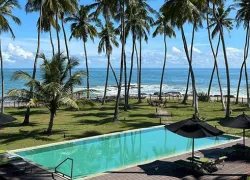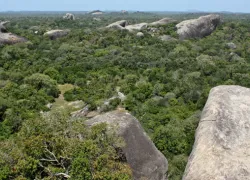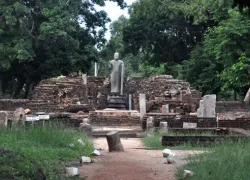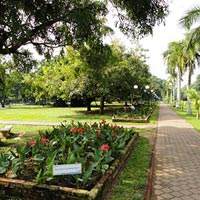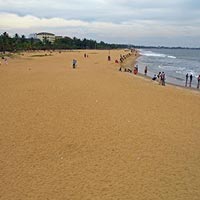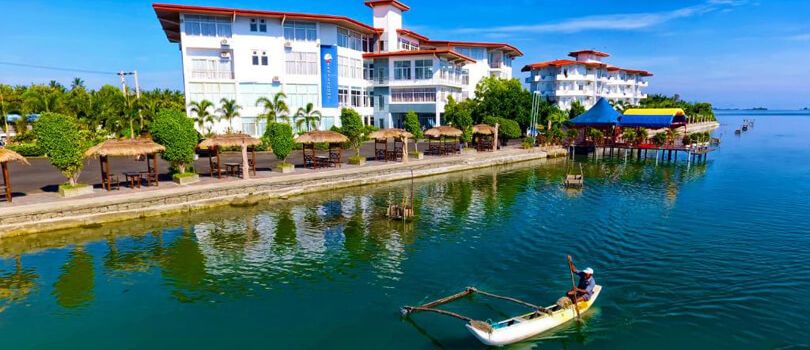
"Explore serene waters and vibrant ecosystems."
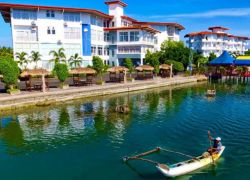
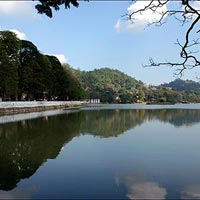
Batticaloa Lagoon, located in the Eastern Province of Sri Lanka, is one of the largest and most scenic lagoons in the country. Stretching over 56 kilometers in length and covering a wide expanse of brackish water, the lagoon is a natural treasure filled with ecological diversity, stunning landscapes, and rich cultural heritage. Surrounded by traditional fishing villages, mangrove forests, sandy land strips, and historic colonial architecture, Batticaloa Lagoon has become a peaceful retreat for travelers who seek nature, history, and authentic Sri Lankan culture. The lagoon is world-famous for its mysterious natural phenomenon known as the “singing fish,” a rare acoustic occurrence recorded since early colonial times. Calm, serene, and rich in stories, Batticaloa Lagoon is a must-visit destination for nature lovers, photographers, families, couples, and cultural explorers.
How to Reach Batticaloa Lagoon
Reaching Batticaloa Lagoon is convenient from several parts of Sri Lanka. Batticaloa town serves as the main point of access, and several transportation options are available.
By Road: Travelers from Colombo can reach Batticaloa via the Colombo–Kandy–Polonnaruwa route or the Southern coastal road. The journey usually takes around 6 to 7 hours depending on the traffic and transportation mode. Regular public and private buses also operate to Batticaloa from major cities including Colombo, Kandy, Trincomalee, and Polonnaruwa.
By Train: The Batticaloa Railway Station is well connected with the rest of the country. Direct trains from Colombo Fort and Maradana run daily, offering a comfortable and scenic journey. Once in Batticaloa, visitors can hire a tuk-tuk, car, or cycle to reach the lagoon, which is only a short distance from town.
By Air: The nearest airport is Batticaloa Domestic Airport, which operates domestic flights connecting Colombo and other major cities. International travelers can arrive at Bandaranaike International Airport near Colombo and continue their journey by flight or road.
Weather at Batticaloa Lagoon
Batticaloa experiences a warm tropical climate throughout the year, with temperatures typically ranging between 26°C and 32°C. The dry season, which lasts from April to September, is the best time to explore the lagoon, especially for outdoor activities and boat tours. During the monsoon season, from October to January, the region receives rainfall, adding a cooler and greener charm to the environment. The lagoon remains enjoyable year-round, but visitors should check weather forecasts during the monsoon before planning long boat trips. Early morning and late afternoon visits are particularly pleasant due to cooler temperatures and gentle breezes.
Timing to Visit Batticaloa Lagoon
Batticaloa Lagoon is a natural attraction and does not have fixed visiting hours. Visitors can explore the lagoon at any time, but certain times of the day offer a better experience:
• Early morning – ideal for birdwatching, photography, and peaceful nature walks.
• Late afternoon – perfect for boat rides and enjoying the beautiful sunset over the water.
• Late night on calm, moonlit days – best time to listen to the famous “singing fish” phenomenon.
Why Batticaloa Lagoon is Famous
Batticaloa Lagoon is globally famous for its rare and mysterious “singing fish.” This unusual acoustic phenomenon was first documented by British colonial officers in 1907, who reported musical humming sounds coming from beneath the water. Local folklore suggests that the sounds come from fish or underwater life forms that resonate against the lagoon bed or submerged objects. Researchers have suggested that these sounds may be produced by marine species during mating or feeding activities. Whether scientific or mystical, the phenomenon continues to fascinate visitors.
Additionally, Batticaloa Lagoon is famous for its fishing communities, rich marine biodiversity, mangrove forests, picturesque bridges, colonial forts, and peaceful natural setting. It is one of the most photogenic and culturally significant lagoons in Sri Lanka.
Entry and Visit Details
There is no entry fee to visit Batticaloa Lagoon. Visitors can freely explore the lagoon surroundings, beaches, and nearby public areas. However, boat rides and guided tours are operated by locals and private tour agencies at reasonable charges. These boat tours offer access to deeper parts of the lagoon, mangrove ecosystems, and local fishing settlements.
Visitors can hire:
• Traditional wooden fishing canoes
• Motorboats
• Kayaks
• Guided eco-tours
History and Architecture
The history of Batticaloa Lagoon stretches back thousands of years. The calm waters provided a secure environment for fishermen, traders, and settlers, making the region one of the earliest populated areas in eastern Sri Lanka. During the colonial period, the Portuguese, Dutch, and British established administrative centers around Batticaloa due to the strategic importance of the lagoon, which acted as a natural harbor and transport route.
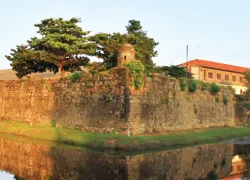
Batticaloa Fort: One of the most important historical structures near the lagoon, built by the Portuguese in 1628 and later expanded by the Dutch. The fort overlooks the lagoon and features thick stone ramparts and moats typical of colonial military architecture.
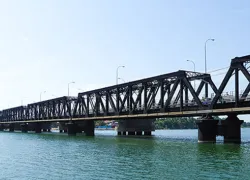
Lady Manning Bridge: One of the oldest bridges in the region, designed for transport across the lagoon. The bridge not only serves as important infrastructure but also provides panoramic views of the water and surrounding landscapes.
The traditional fishing huts, wooden boats, and village surroundings around the lagoon also reflect the unique cultural architecture of Eastern Sri Lanka.
Things to Do at Batticaloa Lagoon
• Boat Tours: Explore the lagoon’s calm waters, observe fishing activities, and enjoy views of mangrove forests and coastal landscapes.
• Birdwatching: The lagoon attracts egrets, herons, pelicans, kingfishers, and several migratory birds, making it a paradise for wildlife photographers.
• Listen to the Singing Fish: Witness the mysterious natural sounds that make Batticaloa world-famous.
• Visit Batticaloa Fort: Learn about the region’s colonial history while enjoying scenic views of the lagoon.
• Cultural Exposure: Interact with local fishing communities and learn about traditional fishing methods passed down for generations.
• Cycling and Nature Walks: The lagoon surroundings offer peaceful paths ideal for cycling and exploring the countryside.
Facts About Batticaloa Lagoon
• It is one of the largest lagoons in Sri Lanka, stretching approximately 56 kilometers.
• The singing fish were first officially recorded in 1907 by British naval personnel.
• The lagoon connects to the sea through multiple inlets, supporting a rich marine habitat.
• Batticaloa Lagoon has been a vital fishing and trade hub for centuries.
• The region is home to several colonial structures, including the historic Batticaloa Fort.
Tips for Visiting Batticaloa Lagoon
• Visit between April and September for the best weather.
• Hire a local boat guide to explore deeper sections of the lagoon.
• Evening and night-time visits provide the best chance to hear the singing fish.
• Carry sun protection such as sunscreen, caps, and sunglasses.
• Respect local fishing communities and avoid disturbing their daily work.
• Bring a camera or binoculars to fully enjoy the birdlife and scenic views.
Batticaloa