
About The Taj Mahal The Taj Mahal is one of the most famous and iconic landmarks in India, located in the city of Agra, Uttar Pradesh. It is a UNESCO World Heritage Site and is considered one of the seven wonders of the world. Built by the Mughal Emperor Shah Jahan in memory of his wife Mumtaz Mahal, the Taj Mahal is a symbol of eternal love and architectural beauty. Timings Of Taj Mahal The Taj Mahal is open to visitors from sunrise to sunset, every day of the week except for Fridays. The monument is closed on Fridays for general viewing but is open for those who want to attend prayers at the mosque located within the premises. Entry Fee The entry fee for the Taj Mahal varies for Indian and foreign tourists. Indian tourists have to pay INR 50, while foreign tourists have to pay INR 1300. Children below the age of 15 can enter for free. Required Time And Restricted Items It is recommended to spend at least 2-3 hours exploring the Taj Mahal to truly appreciate its beauty. Visitors are not allowed to bring food, weapons, tobacco, or alcohol inside the monument. Drone photography is also strictly prohibited. Architecture Of Taj Mahal The Taj Mahal is a masterpiece of Mughal architecture, blending elements from Persian, Turkish, Indian, and Islamic architectural styles. The white marble mausoleum is adorned with intricate carvings, calligraphy, and semi-precious stones, making it a symbol of exquisite craftsmanship. Best Time To Visit The best time to visit the Taj Mahal is during the cooler months of October to March, when the weather is pleasant and comfortable for sightseeing. The early mornings and late evenings offer a magical view of the monument as the sunlight plays on its marble surface. How To Reach The Taj Mahal is easily accessible by road, rail, and air. The nearest airport is in Agra, the Agra Airport, which is well-connected to major cities in India. Agra also has a railway station with regular trains from Delhi, Jaipur, and other cities. History Of Taj Mahal The Taj Mahal was built between 1631 and 1653 by Emperor Shah Jahan in memory of his beloved wife Mumtaz Mahal, who died during childbirth. The construction of the mausoleum took over 20,000 workers and artisans to complete, and it is said to have cost an astronomical sum for that time. Inside Taj Mahal Inside the Taj Mahal, visitors can find the cenotaphs of Shah Jahan and Mumtaz Mahal, surrounded by intricate marble screens and inlaid floral designs. The main chamber houses the false tombs of the emperor and his wife, while the actual graves are located in a chamber below, closed to the public. Traveling Tips It is advisable to wear comfortable clothing and footwear while visiting the Taj Mahal, as you will need to walk around the complex. It is also recommended to carry a hat, sunglasses, and sunscreen to protect yourself from the sun. Hiring a guide can enhance your experience by providing insights into the history and architecture of the monument. Hotels Near Taj Mahal There are several hotels near the Taj Mahal that offer a range of accommodation options for visitors. Some of the popular hotels include the Oberoi Amarvilas, Tajview - IHCL SeleQtions, ITC Mughal, and Trident Agra. Nearby Tourist Spots Of Taj Mahal While visiting the Taj Mahal, tourists can also explore other attractions in Agra such as Agra Fort, Fatehpur Sikri, Mehtab Bagh, and the Tomb of Itimad-ud-Daulah. These sites offer a glimpse into the rich history and culture of the Mughal era.
Explore More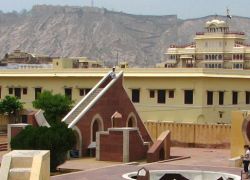
Largest of the five remarkable observatories made by Jai Singh in five different cities, this is the best-preserved one. It shows the Maharaja passion for astronomy. Translated into 'Instruments of Measuring the Harmony of the Heavens', Jantar Mantar was built between 1728 and 1734. It is a grand celebration of astronomical science. It appears to be a collection of sculptures with each sculpture serving a specific purpose of measuring attitudes, azimuths, calculating eclipses or counting of stars. This is the only observatory out of five built in running condition. Situated within the City Palace Complex, it is cut off from the main buildings.
Explore More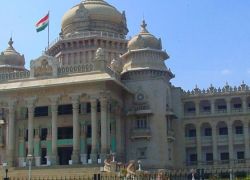
Vidhana Soudha was built in 1956 in Dravidian architecture. It is one of the most imposing buildings not only in Bangalore but also in India. Housing the Legislative Chambers of the state government, this 46-meter high seat of the government is Bangalore's best-known landmark. It houses 22 departments and 300 rooms.
Explore More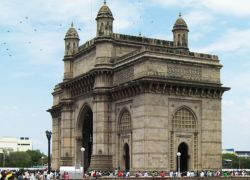
Gateway of India was built with yellow stone in Indo- Sarcenic style to commemorate the visit of King George V and Queen Mary to Bombay and since has become the Icon of Twentieth century Indian history. It is also remembered as the point from where the last British troops left the shores of independent India. To commemorate King George and Queen Mary's visit to India in 1911, the Gateway of India was built at Apollo Bunder, a popular meeting place. The Gateway was built by the British and designed by the architect George Wittet. The first stone was laid by the then Governor of Bombay on March 31st, 1913. This triumphal arch was built at an astonishing cost of 21 lakhs, and was open to the public in 1924. A conventional Arch of Triumph inspires its 26 metre high archway. It is complete with four turrets and intricate latticework carved into the yellow basalt stone. Ironically, when the British Raj ended in 1947, this colonial symbol also became a sort of epitaph: the last of the British ships that set sail for England left from the Gateway. Influences of the 16th century Gujarati style are also evident in its architecture. Situated next to the Taj Mahal Intercontinental Hotel, it is the most enduring landmark of Mumbai.
Explore More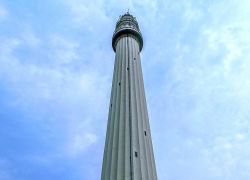
This is a 48 meter high monument, built with a unique blend of Turkish, Egyptian and Syrian architecture and is named after Sir David Ochterlony. In 1969 its name was changed to 'Shaheed Minar'. It was erected in 1828. There a fine view from the top of the column, but permission to ascend must be obtained from police headquarters.
Explore More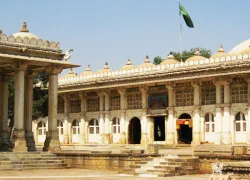
The Sarkhej Roza is an elegant architectural creation remarkable for the use of pierced stone trellises and complete absence of arches. This monument houses the tombs of Saint Ahmed Khattu Baksh and also that of Emperor Mehmud Shah Beguda and his queen. The peaceful atmosphere makes it an ideal retreat. The suburb of Sarkhej, about 8 Kms. southwest of Ahmedabad is noted for its elegant group of buildings, including the Mausoleum of Azam and Mu'assam, built in 1457 by the brothers who were responsible for Sarkhej's architecture. The architecture here is interesting because the style is almost purely Hindu, with little of the Saracenic influence so evident in Ahmedabad. As you enter Sarkhej, you pass the Mausoleum of Mahmud Begara and, beside the tank and connected to his tomb, that of his queen, Rajabai. Also by the tank is the Tomb of Ahmad Khattu Ganj Buksh, a renowed Muslim saint and spiritual adviser to Ahmed Shah. He was the revered saint whose blessings were invoked while founding Ahmedabad. The palace, with pavilions and a harem, is also around the tank. The Dutch established a factory in Sarkhej in 1620 to process the indigo grown here.
Explore More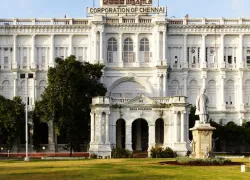
One of the most beautiful of the more modern British constructions in Madras is Ripon Building, home of the Madras Corporation. This splendid domed vision in white, built in 1913, is part of a large municipal complex that includes parks and gardens, Nehru Stadium, Victoria Public Hall, a public meeting place out of the gaslight era, and Moore market, a fascinating shopper's paradise.West of Central Station is Ripon Building, the dazzling white headquarters of the Corporation of Chennai. One of the few public buildings in Chennai that time has not managed to ravage.
Explore More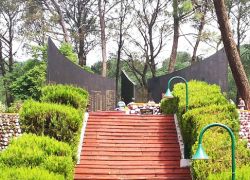
The War Memorial in Dharamshala, Himachal Pradesh is a significant tribute to the brave soldiers of India who sacrificed their lives in various wars and conflicts. Set against the backdrop of the majestic Dhauladhar mountain range, this memorial is not only a place of remembrance but also a symbol of patriotism and national pride. It attracts both local visitors and tourists who wish to pay their respects and reflect on the valor of Indian armed forces. How to Reach War Memorial, Dharamshala, Himachal Pradesh Reaching the War Memorial in Dharamshala is convenient due to its proximity to the town and accessibility by air, rail, and road. By Air: The nearest airport is Gaggal Airport (Kangra Airport), approximately 12 km from Dharamshala. Taxis and local cabs are available from the airport to the memorial. By Train: The closest railway station is Kangra Railway Station, around 18 km from Dharamshala. From the station, taxis and buses can take visitors to the memorial. By Road: Dharamshala is well-connected by road to major cities like Delhi, Chandigarh, and Shimla. Private taxis, buses, and shared cabs can reach the town, and from there, the memorial is a short drive or walk away. Weather at War Memorial, Dharamshala The weather in Dharamshala is generally pleasant throughout the year, enhancing the experience of visiting the War Memorial. Summer (March to June): Moderate temperatures between 20°C to 30°C, ideal for sightseeing and outdoor visits. Monsoon (July to September): Occasional rainfall and lush greenery. Visitors should carry umbrellas and be cautious of slippery paths. Winter (October to February): Cold temperatures ranging from 5°C to 15°C, sometimes lower in the evenings. Snow in surrounding areas adds to the scenic beauty. Timing of War Memorial, Dharamshala The War Memorial is an open site, accessible to visitors throughout the day. Recommended visiting hours are 8:00 AM to 6:00 PM to enjoy natural daylight and serene surroundings for photography, reflection, and peaceful walks. Why War Memorial, Dharamshala is Famous The War Memorial in Dharamshala is famous for honoring the valiant soldiers of the Indian armed forces. It is a symbol of bravery, patriotism, and sacrifice. Located in a picturesque area, it combines national pride with natural beauty. Many visitors come to pay homage, participate in remembrance ceremonies, and learn about India’s military history. The memorial’s serene setting with manicured lawns, plaques, and statues creates a contemplative atmosphere that draws people of all ages and backgrounds. Entry and Visit Details of War Memorial, Dharamshala Visiting the War Memorial is free and open to the public. It is suitable for individuals, families, and groups. Key details include: Entry Fee: Free Opening Hours: 8:00 AM – 6:00 PM Best Time to Visit: March to June and September to November for pleasant weather Facilities: Well-maintained pathways, benches, and gardens for visitors History and Architecture of War Memorial, Dharamshala The War Memorial in Dharamshala was established to commemorate Indian soldiers who laid down their lives in various military operations. It reflects respect and gratitude towards the armed forces and serves as an educational site for visitors interested in military history. The architecture is simple yet symbolic, featuring engraved plaques listing the names of fallen heroes, a central monument, and landscaped gardens. The memorial’s design ensures a solemn and reflective environment while harmonizing with the surrounding natural beauty of the Dhauladhar mountains. Things to Do at War Memorial, Dharamshala While primarily a memorial, visitors can engage in several activities: Pay respects to fallen soldiers and participate in remembrance ceremonies. Photography of the memorial with the backdrop of the mountains. Learn about India’s military history and the contribution of soldiers from Himachal Pradesh. Enjoy peaceful walks and spend time reflecting in the landscaped gardens. Attend special events on national holidays like Independence Day and Republic Day. Interesting Facts about War Memorial, Dharamshala The memorial features inscriptions of soldiers’ names, ensuring their bravery is remembered for generations. It is a popular site for school and college educational trips in Himachal Pradesh. The location offers panoramic views of the Dhauladhar mountains, combining patriotism with natural beauty. Special ceremonies and wreath-laying events are held annually to honor fallen soldiers. The memorial is a peaceful retreat, encouraging reflection and gratitude towards the armed forces. Tips for Visiting War Memorial, Dharamshala Maintain silence and respect the solemn nature of the memorial. Carry water and wear comfortable walking shoes. Visit in the morning or late afternoon for softer light and a quieter environment. Check for any ceremonial events that may be taking place during your visit. Engage with guides or informational plaques to learn about the history and significance of the memorial. In conclusion, the War Memorial, Dharamshala is a tribute to the valor and sacrifice of Indian soldiers. Combining national pride, historical significance, and stunning Himalayan scenery, it offers visitors an opportunity for reflection, education, and appreciation of India’s military heritage. It is a must-visit for anyone interested in history, patriotism, or simply seeking a peaceful place for contemplation in Himachal Pradesh.
Explore More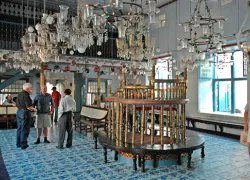
In Mattancherry Synagogue is built in 1568 AD. The Great Scrolls of the Old Testment, the copper plates in which the grants of privilege made by the Cochin rulers were recorded and the exquisite Chinese hand-painted tiles are of interest. This was built in the year 1568 AD. There are loads of things to see and enjoy at this place. Old Testaments, copper plates that have grants of privileges given by Cochin Rulers and many other records are still kept here with great care! In addition, you must check out Chinese hand-painted tiles!
Explore More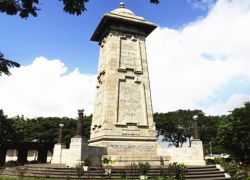
Adjacent to the Fort St. George on the south is the War Memorial, which housed the coastal battery and was formerly called 'Cupid's Bow. The Memorial honours those who laid down their lives for their country since the First World War. It is situated on the Marina beach road. It was constructed to commemorate the victory of the allied armies during World War I (1914-1918) and later became the victory war memorial for the World War II (1939-1945) in the memory of those from Chennai presidency who lost their lives serving the nation.
Explore More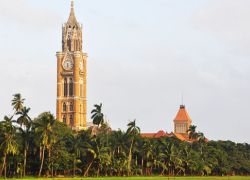
Located in the gardens of Mumbai University, Rajabai Clock Tower consists of 5 elaborately decorated storeys. The tower is 280 ft. in height commanding a fine view of the city. Next to the High Court, the Venetian -Gothic University has a Gothic clock tower that is curiously adorned with oriental figures. In the old days it used to play Rule Britannia, God Save the King and a Handel Symphony among sixteen tunes that changed four times a day; now the repertoire is limited to the wafting chimes of the Big Ben on the quarter hour. The Clock Tower is named after the mother of a 19th century stockbroker, who contributed towards its construction. It has a spiral staircase, which is unfortunately closed to the visitors after several unhappy citizens hurled themselves from the top. Under the clock tower is the magnificent University Library, with what are undoubtedly some of the most exquisite stained glass windows in Asia. These have recently been treated by British conservationists and restored to their pristine glory. Well worth a look. Architects who spent most of their working years in the city designed most buildings in Mumbai. The buildings of the University in the fort campus are the exception-- the English architect Sir Gilbert Scott designed them. The �Cotton King� and banker, Premchand Roychand, funded the library and the Rajabai clock tower, in memory of his mother Rajabai, with its marvelous sculpted figures. The convocation hall was funded by the man with the deepest pockets in Bombay-- Sir Cowasji Jehangir Readymoney. One of Mumbai's outstanding landmarks, the Rajabai Clock Tower is situated in the gardens of Mumbai University. Inspired by Giotto's Companile in Florence, Gilbert Scott planned the structure. It was completed in the 1870's.
Explore More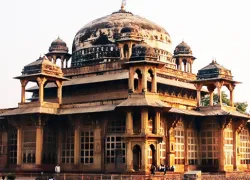
A pillar of Hindustani classical music, the great Tansen, the musician extraordinaire of Akbar's Court, lies buried in Gwalior. The beautiful garden, in which the tomb is located, is the venue of the annual music festival held during November-December. Distinct personalities from abroad also visit and rejoice music. Gwalior is also renowned for the tomb of Tansen, the musician extraordinaire of Akbar's Court (one of his 'nau ratan', nine jewels). Gwalior retains a strong musical tradition, and continues to be an influential force in Hindustani classical music. Tansen, an exponent of the Dhrupad style, went on to evolve the Gwalior Gharana style, whose contemporary exponent is the globally renowned Sarod player, Amjad Ali Khan. The memorial to this great musician has a pristine simplicity about it, built in the early Moghul architectural style. More than a monument, the tomb is part of Gwalior's living cultural heritage. Leading musicians of the country gather here to give performances during the festival.
Explore More6-Day Loldia House - Maasai Mara Safari With Wylda Safaris
6 Days/ 5 Night
Masai Mara - Nairobi - Nakuru
6 Nights - 7 Days Sikkim - Darjeeling Tour Package
7 Days/ 6 Night
Gangtok - Darjeeling - Pelling - Zuluk
6 Days Tanzania Safari From Kenya
6 Days/ 5 Night
Arusha
Ahmedabad Saputara 2 Nights / 3 Days
3 Days/ 2 Night
Ahmedabad - Saputara
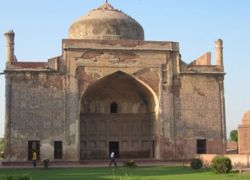
The Chini-Ka-Roza Tomb is a memorial of Allama Afzel Khal Mullah of Shiraz, who was a poet-scholar. He was the prime minister of the famous emperor Shah Jahan. The tomb surface is decorated with various glazed tiles.
Explore More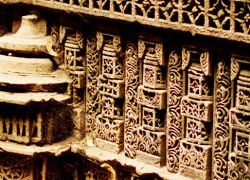
Gujarat step wells or baolis are strange and unique and the Dada Hari Well built in 1499 is a magnificent masterpiece representing the typical Gujarati style of architecture Entirely underground, they were built to overcome heat and dust. Behind the well is the tomb of Dada Hari. Northern Gujarat abounds in remarkable step-wells, with elaborately carved walls and broad flights of covered steps leading to the shaft.Dada Harini Vav, in the northwest of the city, is one of the finest. While it is a Muslim construction, built in 1500 for Bai Harir Sultani, superintendent of the royal harem, the craftsmen were Hindu and their influence is clear in the lavish and sensuous carvings on the walls and pillars. A lady of Sultan Mahmud Begara court built one such step well in 1501.It is a fascinating place, though has signs of neglect today. It has a series of steps leading down to lower platforms terminating at a small, octagonal well. The depths of the well are cool, even on the hottest day, and it must once have been quite beautiful.
Explore More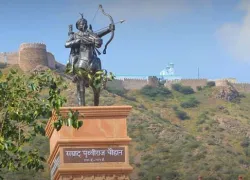
Prithviraj Chauhan was a great emperor in the history of Ajmer. His valor is glorified everywhere as he never gave up and fought till the end before getting martyred. Being the last ruler from the Chauhan lineage, he will always be remembered. To commemorate his bravery and reign in Ajmer, a memorial has been erected. This memorial is visited by the people on a huge scale. It Is Known For:-1) Prithviraj Smarak is a well-known memorial in Ajmer. It has the backdrop of the Aravalli Hills2) The statue of the king is carved out of the black marble. It is depicted as seated on a horse and aiming his weapon at the enemy 3) Visitors often visit this memorial on a daily basis but, the footfall increases on the birth and death anniversary of Prithviraj Chauhan. Many folk musical concerts are also held at this place. Best Time To Visit:-There's no special season or day for paying a casual visit at Prithviraj Smarak. This memorial stands in a bustling area and is visited by millions of people on a daily basis. Whether it is summer or winter, day or night, any time is suitable for visiting Prithviraj Smarak and paying homage to a great warrior king. Reaching There:-Prithviraj Smarak stands in a lively area. Hundreds of vehicles cross past it and thus, there's no hassle in reaching this place. It can be easily reached via any means of transport. Nearest Railway Station- Ajmer JunctionNearest Airport- Sanganer Airport
Explore More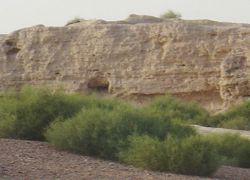
The extensive remains of the pre-Harappan and Harappan civilizations, found at this place in the Hanumangarh district, are of immense interest. This place houses immense treasure of our past and is of particular interest to archaeology enthusiasts.
Explore More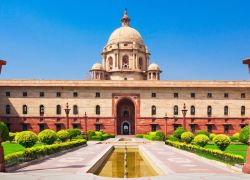
The construction of Rashtrapati Bhawan covers an area of 200,000 square feet nearly a massive number of 700 million bricks and three million cubic feet of stone has been put to use, leaving no space for even a minute particle of steel. Indian architecture comes with a package of water feature hence, variety of circular stone basins were added. Giving a traditional touch there is also a chajja replacing classical architecture’s frieze, prevents harsh sunlight from the windows and also shields them during the rainy season. Chuttris on the roofline erases the flatness of the roofline as it is not covered by dome. Several idols of elephants and fountains sculptures of cobras have been installed further illuminating the Indian theme. Inspired from the Rajasthani style jaalis, enhancing red sandstone has also been installed. The posterior of the palace has 12 unevenly separated huge columns with Delhi order capitals. It also has an unusual coupling of acanthus leaves and bells that are found in Hindu temples, however, the bells were silent which meant there is no end to the end of British rule in India. To glorify his personal resemblance to the house, Lutyens added several bijou personal elements like an area of his in the garden walls and two windows which seemed to resemble the glasses which he wore. DomeIn the middle stands a perfect example of Indian and British fusion, which is exhibiting copper work and mastered over a drum. This seems different from the rest of the building owing to its height, which is nearly twice of the rest. It is situated right in the middle point at which the diagonals of the four corners meet. An enthralling fact is that the building took 17 years to complete. However, eighteen years later India became independent. The Mughal gardens are accessible for visiting by the general Public only during the Udyanotsav during the February-March. What draws maximum attention are the 5000 Tulips blossoming in bright o red, orange and yellow colors mixed with red and white as well. Two restorations were made to the Rashtrapati Bhawan out of which one was made by Sunita Kohli in 1985 which took 4 years to complete and the other was done in 2010 which also involved Sunita Kohli along with Charles Correa. It was decided in the Delhi Durbar of 1911 that the capital of India would be shifted from Calcutta to Delhi. Thus was born the city of Delhi, designed by the great architect Edwin Lutyens, along with Herbert Baker. It took approximately 20 years and 15 million pounds to build New Delhi. Built as the Viceral Lodge, Delhi Rashtrapati Bhawan comprises of four floors and 340 rooms. Now known as the President House of New Delhi, it is spread over an area of approximately 200,000-sq-feet. It took 18 years to construct this building and on the on the 18th year of its completion, India became independent. The Jaipur Column, a gift from the Maharaja of Jaipur, stands at a height of 145 m in the middle of the main court in front of the Rashtrapati Bhavan. Another one of the impressive features of the Delhi Rashtrapati Bhawan comprises of the outstandingly beautiful Mughal Gardens. Then, at the base of the building, is a spacious square, known as the Vijay Chowk. The massive neo-Buddhist copper dome of the President House of New Delhi is splendid and can be seen even from a distance of a kilometer. Underneath this fabulous dome is the circular Durbar Hall, housing the Viceroy's throne, measuring almost 22.8 m in diameter. Before the National Museum was completed, it served as a museum for a number of years. All the official ceremonies such as the swearing in of the Prime Minister, the Cabinet and the Members of Parliament, etc., take place in this hall only. Also, the Arjuna Awards for Excellence are awarded by the President from here itself. On the ground floor of the Rashtrapati Bhavan are a number of state apartments. Then, there is the State Drawing Room, State Ballroom, State Dining Room and a number of other such rooms inside the building. The Delhi Rashtrapati Bhawan consists of 54 bedrooms, along with additional accommodation for guests.
Explore More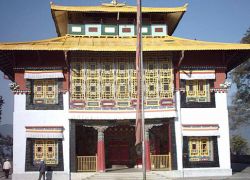
Tusk-La-Khang is a beautiful and impressive building, which is the principal place of worship and assembly for Buddhists. It is the Royal Chapel that lies behind the former Royal Palace of the Kings of Sikkim. It is the repository of a large collection of scriptures. The main shrine of worship is interesting in terms of its architecture and lavish decorations with woodcarvings and murals. It houses the statues of Buddha, Bodhisattvas and Tantric deities. Formerly, all the religious functions were observed here and the royal marriages and crowning of the kings of the state took place in its precincts. This monastery is located in the Royal Palace premises near the Ridge Park in Gangtok. It is two storied and was used during royal function like weddings and coronations. The chapel is the site of many festivals, the most interesting of them being one dedicated to the God of Kanchenjunga. The other important festival is the celebration of New Year, when the famous Black Hat dance is performed demonstrating the triumph of good over evil.
Explore More
Chhatris or cenotaphs erected in memory of the Holkar rulers and their families are incomparable examples of Maratha architecture and sculpture. These Chhatris were the temples where Holkars used to attend Poojas. The largest and the most impressive is that of Malhar Rao Holkar I lavishly decorated with frescoes while that of Rani Ahilyabai is also important. As time passed, they were neglected and shopkeepers and hawkers encroached the land around them. But recently, District Administration forcefully got them moved from the place and secured back the significance and beauty. Thus they got back historic significance and glory. On the banks of River Khan, it has seven memorials of the Holkar kings but the inner sanctums are locked.
Explore More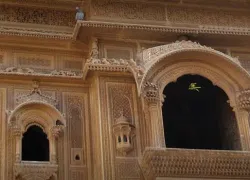
Nathmal Ki Haveli is a famous heritage monument in the city of Jaisalmer. It was built as a residence for the Prime Minister of Jaisalmer, Diwan Mohata Nathmal. It is a unique grandeur that never fails to catch the attention of visitors on a huge scale. This building is known for its architecture. The onlookers usually get astonished on seeing such a mansion in Jaisalmer. It Is Known For:- Nathmal Ki Haveli is known for its unique architecture. Although it is built in the traditional Rajasthani style of architecture, it has a structure that is different in terms of style on both sides. It was designed by the architect brothers named Lulu and Hathi. Since the right instruments didn’t exist in the previous times for measuring the apt size, the Haveli was built without the blueprint and finally came up with an irregular design. Nathmal Ki Haveli holds beautiful carvings on the exterior as well as the interior walls. It has the sculptures of the lions and elephants at the entrance gates. Interestingly, this mansion is one among those monuments all over Jaisalmer that do not have an Islamic touch in their architecture. Best Time To Visit:- Nathmal Ki Haveli is a must-see attraction in Jaisalmer. Due to its unique but, eye-catchy architecture, it never fails to attract the visitors from different cities and states. It can be visited throughout the year without any hassle. A visitor should be careful and should carry the sunscreen and water, especially when he/she is planning to visit this Haveli during summers Reaching There:- Nathmal Ki Haveli is located in a well-known area of Jaisalmer that has a wider connectivity of the roadways. Thus, an individual can reach this amazing site either by bus or by a taxi. Nearest Railway Station:- Jaisalmer Railway Station Nearest Airport:- Jodhpur Airport
Explore More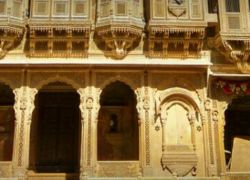
Patwon Ki Haveliyan stands among the heritage monuments in Jaisalmer. Standing adjacent to each other, Patwon Ki Haveliyan is a cluster of 5 mansions that were built by a wealthy banker named Guman Chand Patwa. He built each Haveli for each of his 5 sons. These mansions are an amazing example of the Rajasthani style of architecture. People who visit Jaisalmer do not miss taking a glance at these beautiful Havelis. It Is Known For:- Patwon Ki Haveliyan are monuments of interest and are protected by the Archaeological of India as they have beautiful and unique carvings done on the interior as well as exterior walls. These Havelis are also known by the name of 'Mansion of Brocade Merchants' because the Patwa and his sons used to deal in the threads of gold and silver for stitching the dress. Presently, Patwon Ki Haveliyan are frequented by the locals and visitors alike. The largest Haveli incorporates the Department of Art & Craft in its premises. Best Time To Visit:- Patwon Ki Haveliyan are simply enchanting and leave no chance to impress the visitors. Across the year, thousands of visitors arrive at Jaisalmer and admire the beauty of these mansions. Without visiting Patwon Ki Haveliyan, a trip to Jaisalmer remains incomplete. The entry to this tourist attraction is paid for all. No foreign tourist is charged with the special amount for entering Patwon Ki Haveliyan. Reaching There:- Patwon Ki Haveliyan are located near a residential area in Jaisalmer. Thus, any mode of transport can be chosen for visiting the place. Since the cabs and jeeps cannot enter the narrow lanes, taking a rickshaw or walking is the righteous choice for all. Nearest Railway Station:- Jaisalmer Railway Station Nearest Airport:- Jodhpur Airport
Explore More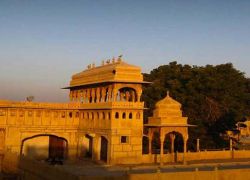
Tazia Tower is a beautiful and a frequently visited travel attraction in Jaisalmer. It lies in the vicinity of Badal Palace that used to be the residence of the royal family in the bygone times. It was built as a gift to the king of Jaisalmer by the Muslim architects and their workers. This tower is located near the roof of the palace and is visible from a distance. It Is Known For:- Tazia Tower is an example of the amalgam of the Rajasthani and Islamic styles of architecture. It was constructed in 1886 AD. The royal guards used to keep an eye on the fort vicinity and nearby village from this place. The tower has five storeys and each storey boasts the serpentine carvings different from each other. Its intricate carvings tell about the skillful craftsmanship of the bygone era. Presently, Tazia Tower is a great attraction where people get themselves clicked. It is a favorite point for a pre-wedding photoshoot. Best Time To Visit:- People visit Jaisalmer on a huge scale. Tazia Tower is one among those places that are not missed by the visitors and thus, it witnesses a vast crowd of visitors on a daily basis. The locals and tourists are attracted to this place alike throughout the year. Reaching There:- Due to a wider connectivity of the roadways, Tazia Tower can be reached without any chaos. The local transit is the perfect option for visiting this place and admiring the beauty. Nearest Railway Station:- Jaisalmer Railway Station Nearest Airport:- Jodhpur Airport
Explore More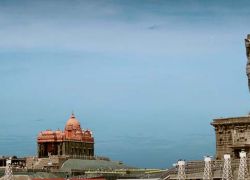
Standing at a height of 133 feet in the waters of the Coromandel Coast, Thiruvalluvar Statue is a prominent tourist attraction in Kanyakumari. This statue is entirely made up of stone and concrete and rests on a 38-feet high platform. Thiruvalluvar Statue weighs 7000 tons and gives the beautiful message of earning the wealth and affection by having sturdy morals and ethics. The Design & Construction:-The foundation of Thiruvalluvar Statue was laid in the year 1975 by the late Morarji Desai. Dr. V Ganapati Sthapati was appointed as the architect of Thiruvalluvar Statue. The construction of the project employed 150 stone sculptors, assistants, and supervisors. The stonework and sculpting were divided into Ambasamudram, Kanyakumari, Sholinganallur. The longer stone slabs were used for carving the facial features of the statue. All workers spent fourteen to sixteen hours a day making the slabs smoother and carving them with precision. The entire construction has a budget of more than 61 million INR. The statue was unveiled on 1st January 2000. The event was attended by a majority of globally renowned personalities that included actors, politicians, poets, philanthropists etc. Best Time To Visit:-Thiruvalluvar Statue is a major tourist attraction and never ceases the chance of attracting visitors from distant places. It can be visited throughout the year without any hassle. No entry fee is charged from any visitor. Reaching There:-Thiruvalluvar Statue is an eminent tourist site in Kanyakumari. Due to its location in the sea, it can be reached by hiring the service of the ferry from the coast. Nearest Railway Station- Kanyakumari JunctionNearest Airport- Trivandrum Airport
Explore More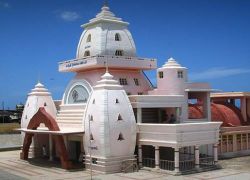
Dedicated to the 'Father of the Nation' Mahatma Gandhi, this tourist attraction called Gandhi Mandapam is an amazing tribute to the leader that preached non-violence. It is a memorial that appears like a temple and has tantalizing green surroundings. It is a place that houses the memorials of the other freedom fighters and politicians like Sardar Patel, Rettamalai Srinivasan, Kamaraj, and Indira Gandhi. It Is Known For:-1) Gandhi Mandapam is the largest memorial in the entire complex as compared to the other memorials2) It is constructed in a beautiful manner and is surrounded by green vegetation. The lawn of this memorial has a trimmed carpet of grass3) This place contains the urn in which Mahatma Gandhi's ashes are kept. The urn is placed in a position that the sun rays fall directly on it every day4) Gandhi Jayanti is a special day that is observed here. Due to the spacious complex, it is also utilized for hosting different events Best Time To Visit:-Gandhi Mandapam is a place that invites the visitors throughout the year. It is a place where one can spot the students, especially from the foreign land that are here to study and do research on Mahatma Gandhi. Reaching There:-To reach Gandhi Mandapam, tourists can hire the service of the local transit like the bus or taxi as their services are available on short intervals. Nearest Railway Station- Chennai CentralNearest Airport- Chennai International/Trivandrum Airport
Explore More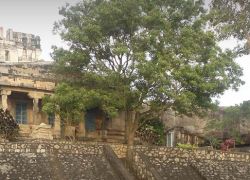
Standing on a hillock near the village of Chitharal, Jain Monuments of Chitharal are a famous tourist destination in the district of Tamil Nadu. There are two huge monuments that have the carvings done of the Jain Tirthankaras. These monuments are said to date back to the 9th century and are visited by the followers of Jainism on a large scale. It Is Known For:-1) The entire region was under the rule of the Digambar sect of Jainism. King Mahendravarman I constructed all these Jain monuments2) Chitharal Jain Monuments are known for the carved figures they carry. In both of the monuments, one can witness the beautifully carved structures of all the Jain Tirthankaras3) The monuments also have the sculptures of the Hindu mythological creatures. On the main wall that holds the sculpture of Parshavanath, the sculpture of Adishesha can be seen as well4) In the other monument, a smaller side is dedicated to Goddess Durga where she is depicted with a hundred hands and mounted on a lion Best Time To Visit:-Chitharal Jain Monuments can be visited during any time of the year keeping in mind with the level of comfort. The best time to pay a visit to this site is during October-February because the temperatures are suitable for touring the hillocks and seeing monuments conveniently. Reaching There:-Chitharal village is well-connected with all the major roads. It can be reached easily by bus or taxi. From the village, the autos and bullock-carts are available to reach Chitharal Jain Monuments. Nearest Railway Station- Thiruvananthapuram Railway StationNearest Airport- Trivandrum Airport
Explore More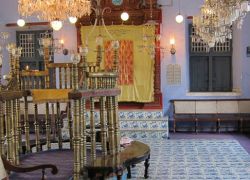
In ancient times Jews were powerful and rich. The Jews have always made a significant impact on the people and society, which is positive as well as negative. This is the reason why Jews have travelled almost all parts of the world in search of valuables and to keep their heads high. One such Jewish l group cane to India and settled in the adjoining areas of Kochi. They mingled with the society well, and this founded a Jewish society. To see that their meetings were going well, they built Paradesi Synagogue in the heart of the city of Kochi as an assembly hall to conduct prayers. This is how Paradesi Synagogue came to live and stands as a symbol of prowess and diplomacy of Jews in India. Now Paradesi Synagogue – Kochi has become of the greatest tourist spot that people visit to get a glimpse of true Jewish culture. Things to do on a visit There are several instructions that one needs to follow. The visitors visiting the place are allowed to enter barefoot. Look at the artifacts and the huge collection from the past that portrays the influence of Jews in India. You are not allowed to click pictures and photographs until and unless you take permission from the authority. Walk in the old corridors of the heritage building, which will take you into the past. Learn about the culture, art, architecture, and the influence of the Jews when they were a significant community in India. There are several guides for your help. They are there to explain to you and tell you in detail about the place in ancient times. When to visit: The best time to visit Paradesi Synagogue – Kochi is from November to February. This is so because the weather at that time is very good and you will feel good in spite of that bright sunlight. How To Reach There: The place is situated in the prime location. It is 3.5km away from the main market of Kochi. Thus you can travel there from Arror by hiring a cab or an auto-rickshaw simply by your choice. You can also choose to walk to your destination comes as the road is very easy and will seem good if you are joined with your loved ones. Some Interesting Facts about The Place The Paradesi Synagogue was built in the year 1568. This was built for purposes of performing the Jewish ritual known as miniyan, which is a way to pray to their God. This place was the largest Synagogue until the one in the commonwealth was made. This place is still active today and has several precious things preserved in it, such as the two gold crows that were presented by the ruler of that time. The Timings and Entry Fees The entry fee is zero. You don’t need to pay anything to go inside this place. The timings are from10 to 1 pm and again from 2 pm to 5 pm except for Friday and Saturday and also other Jewish holidays. Thus, it can be commented that the Jew affected the lives of the people of Kochi because of which Paradesi Synagogue came into being.
Explore More
Ashutosh Museum of Indian Arts
Bengali art piece collections can be seen at Ashutosh Museum of Indian Arts located within the premises of Calcutta University. Established in 1937, it is located within the premises of Calcutta University having interesting pieces of Bengal art.
Explore More
The landmark Gothic building constructed in 1872- West Bengal High court is one of the oldest located near Eden Gardens. It is the highest seat of judiciary in West Bengal. An extension was added later, retaining its architectural symmetry. Designed on Gothic lines by Walter B. Grenville, the Calcutta High Court is reminiscent of the colleges in Oxford. On the eastern side is the original sandstone courthouse.
Explore More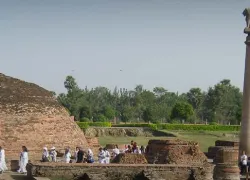
Ashoka Pillar or the Lion Pillar in Vaishali is a famous tourist attraction located in Vaishali. It is a great pillar erected during the rule of King Ashoka of the Mauryan Dynasty. He constructed the pillar after being victorious on Kalinga. However, this lion pillar is different from other pillars seen in different destinations in India. Why Is It Famous?Ashoka Pillar at Vaishali is a 13-meter-tall Greco Indian example of architecture. Just like other Ashokan Pillars, it has not rusted since ages. However, the only major difference between other pillars and Vaishali Pillar is the image of a lion. Unlike other pillars, there’s only one old lion carved in a seated position on this pillar. This signifies the end of the warrior inside King Ashoka and his new beginning as a Buddhist. Moreover, this was the last pillar erected by Ashoka and the same place where Lord Buddha gave his last sermon to disciples. Best Time To Visit:-Ashoka Pillar of Vaishali can be visited during all seasons. There’s a specific timing for visiting the monument that may vary during summers and winters. No entry fee is charged from visitors. Nearest Railway Station - Hajipur Railway StationNearest Airport - Patna Airport
Explore More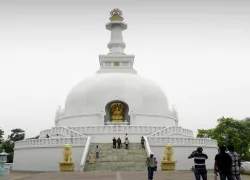
Standing as a symbol of peace in beautiful surroundings, Buddha Stupa is a famous travel attraction in Vaishali. This is a Japanese Pagoda that was built by the Buddhist Society of Japan. It is a dome that promotes non-violence and preaches equality among all races on the planet. Why Is It Famous?1) Buddha Stupa of Vaishali is a symbol of peace. It is one of the Pagodas that were built by the Japanese government when to promote peace when atom bombs were dropped on Hiroshima & Nagasaki.2) The stupa is called Buddha Stupa because it is surrounded with the idols of Buddha in different meditating postures.3) The relics of Buddha are enshrined in this sacred site. Best Time To Visit:-The best time for paying a visit to Buddha Stupa of Vaishali is between October-March. The weather is suitable for exploring the surroundings. On the occasion of Buddha’s birth anniversary & mahaparinirvana, monks from all over India visit the site and offer prayers. Nearest Railway Station - Hajipur Railway StationNearest Airport - Patna Airport
Explore More