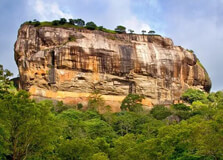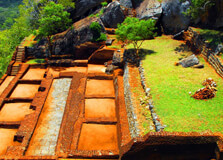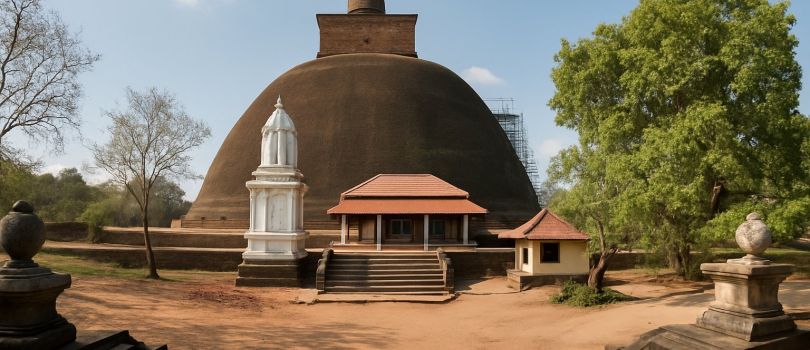
"Uncover ancient ruins of a lost civilization."
Anuradhapura is one of Sri Lanka's most significant historical and religious sites. Known for its ancient ruins, sacred temples, and historical landmarks, this UNESCO World Heritage city is a must-visit for anyone interested in Sri Lanka's rich culture and history. Located in the North Central Province, it is also relatively close to Trincomalee, making it an excellent addition to your itinerary if you are visiting the region.
How to Reach Anuradhapura
Anuradhapura is easily accessible from major cities in Sri Lanka, including Colombo and Trincomalee. The city is well-connected by road and rail, making it easy to visit by bus, taxi, or private vehicle.
If you’re traveling from Colombo, you can reach Anuradhapura by train, bus, or car. The journey takes about 4-5 hours by car, and there are regular trains and buses that connect the two cities. If you are coming from Trincomalee, Anuradhapura is approximately a 2-3 hour drive, making it an ideal day trip from the coastal city.
Once in Anuradhapura, you can hire a tuk-tuk or take a local bus to explore the key attractions within the ancient city.
Weather at Anuradhapura
Anuradhapura experiences a tropical climate, with warm temperatures and moderate rainfall throughout the year. The average temperature typically ranges from 25°C to 35°C. The dry season from May to September is the best time to visit, offering clear skies and comfortable weather for exploring the archaeological sites and ancient temples.
During the monsoon season from October to January, the region experiences heavy rainfall, which can make travel and outdoor activities more difficult. However, the rain showers tend to be short-lived, and the temperatures remain warm, making the site still accessible, though less ideal for sightseeing.
Timing of Anuradhapura
The archaeological site of Anuradhapura is open daily from 8:00 AM to 5:00 PM. Visitors are encouraged to arrive early in the morning to avoid the midday heat and to explore the site before the crowds arrive. The temples and stupas are usually quiet in the early hours, providing a more peaceful and reflective experience.
It is important to note that some temples may have restricted entry during prayer times, so it’s advisable to check in advance if you plan to visit any of the active religious sites.
Why Famous for Anuradhapura, Trincomalee, Sri Lanka?
Anuradhapura is famous for its ancient ruins, sacred monuments, and the well-preserved remnants of Sri Lanka's ancient Buddhist civilization. The city was the capital of Sri Lanka for over 1,300 years and is considered one of the oldest continuously inhabited cities in the world. Its historical significance lies in the establishment of Buddhism in Sri Lanka and its role in the island's early kingdoms.
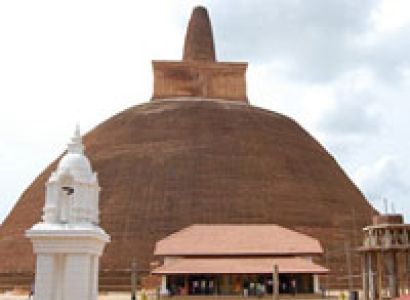
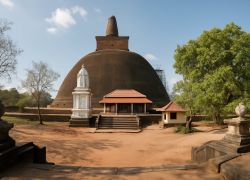
The city is known for its iconic stupas, ancient temples, and massive dagobas, which are some of the largest brick structures in the world. Among the most famous sites in Anuradhapura are the **Sri Maha Bodhi**, a sacred tree that is said to be a cutting from the tree under which Lord Buddha attained enlightenment, and the **Ruwanwelisaya Stupa**, an enormous white stupa that stands as a symbol of Sri Lanka's ancient Buddhist heritage.
The city's archaeological sites, historical temples, and the presence of sacred relics make Anuradhapura an essential pilgrimage site for Buddhists and a fascinating destination for history enthusiasts.
Entry and Visit Details
To visit Anuradhapura, you will need to pay an entrance fee for the archaeological site. The entrance fee varies depending on whether you are visiting the entire site or just certain temples. Local residents usually pay a lower fee, while international tourists are charged a slightly higher rate.
Many visitors opt for guided tours, which are available at the entrance gates. Local guides can offer insights into the history, significance, and legends behind the various monuments and temples. It’s advisable to wear comfortable footwear and carry sunscreen, as you will be walking and exploring outdoors for extended periods.
There are several shops around the entrance of the site where you can purchase refreshments and souvenirs. It is best to bring your own water and snacks, especially if you plan to spend several hours exploring the area.
History of Anuradhapura
Anuradhapura was founded in the 4th century BC and became the capital of Sri Lanka’s first kingdom. Over the centuries, it evolved into a center of culture, religion, and power, with a flourishing Buddhist tradition. The city remained the capital until the 11th century, when it was abandoned in favor of Polonnaruwa due to invasions and the shifting of political power.
During its heyday, Anuradhapura was an advanced urban center, with highly developed irrigation systems, expansive reservoirs, and impressive architecture. The city was also home to several massive stupas, which were built to house relics of the Buddha, and it became a major center for Buddhist monastic life. Even after its fall, the ruins of Anuradhapura remained an important religious and cultural site, and today it is a UNESCO World Heritage Site that attracts millions of visitors annually.
Architecture of Anuradhapura
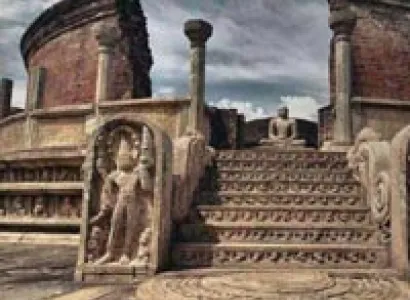
The architecture of Anuradhapura is renowned for its grandeur and ingenuity. The city features massive **dagobas** (stupas), **pools**, **temples**, and **monasteries**, many of which are still standing today. The **Ruwanwelisaya Stupa**, one of the largest stupas in the world, is an architectural marvel, as is the **Jetavanaramaya**, which was once the tallest brick structure in the world.
In addition to the stupas, Anuradhapura is home to intricate carvings, elaborate stonework, and large stone pillars. The ancient city was built with a high level of sophistication, using advanced construction techniques and designs that allowed for the long-lasting preservation of these monumental structures. The **Sri Maha Bodhi**, a sacred tree, is another important feature, as it is the oldest living tree with a known planting date, tracing back to 288 BC.
Things to Do in Anuradhapura
There are several must-see attractions in Anuradhapura that highlight the city’s rich history and architectural splendor:
Facts and Tips About Anuradhapura
Conclusion
Anuradhapura is one of Sri Lanka’s most important historical and cultural landmarks, offering visitors a fascinating journey into the island’s ancient past. With its awe-inspiring stupas, ancient temples, and incredible archaeological sites, it is a place where history, religion, and architecture come together to create an unforgettable experience. Whether you are a history enthusiast, a photographer, or simply looking to explore Sri Lanka’s rich heritage, Anuradhapura is a must-visit destination in Sri Lanka.