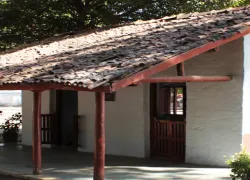
The Gandhi Ashram situated alongside the Sabarmati River, was the nerve center for the Indian Freedom movement. The beautiful ashram complex with it's shady trees offers a refuge from the loud streets of the city. There is a museum inside the Ashram complex. During the lifetime of Mahatma Gandhi it was known as Satyagraha Ashram.
Explore More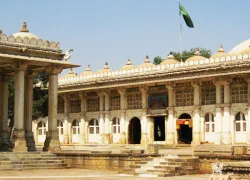
The Sarkhej Roza is an elegant architectural creation remarkable for the use of pierced stone trellises and complete absence of arches. This monument houses the tombs of Saint Ahmed Khattu Baksh and also that of Emperor Mehmud Shah Beguda and his queen. The peaceful atmosphere makes it an ideal retreat. The suburb of Sarkhej, about 8 Kms. southwest of Ahmedabad is noted for its elegant group of buildings, including the Mausoleum of Azam and Mu'assam, built in 1457 by the brothers who were responsible for Sarkhej's architecture. The architecture here is interesting because the style is almost purely Hindu, with little of the Saracenic influence so evident in Ahmedabad. As you enter Sarkhej, you pass the Mausoleum of Mahmud Begara and, beside the tank and connected to his tomb, that of his queen, Rajabai. Also by the tank is the Tomb of Ahmad Khattu Ganj Buksh, a renowed Muslim saint and spiritual adviser to Ahmed Shah. He was the revered saint whose blessings were invoked while founding Ahmedabad. The palace, with pavilions and a harem, is also around the tank. The Dutch established a factory in Sarkhej in 1620 to process the indigo grown here.
Explore More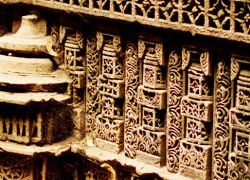
Gujarat step wells or baolis are strange and unique and the Dada Hari Well built in 1499 is a magnificent masterpiece representing the typical Gujarati style of architecture Entirely underground, they were built to overcome heat and dust. Behind the well is the tomb of Dada Hari. Northern Gujarat abounds in remarkable step-wells, with elaborately carved walls and broad flights of covered steps leading to the shaft.Dada Harini Vav, in the northwest of the city, is one of the finest. While it is a Muslim construction, built in 1500 for Bai Harir Sultani, superintendent of the royal harem, the craftsmen were Hindu and their influence is clear in the lavish and sensuous carvings on the walls and pillars. A lady of Sultan Mahmud Begara court built one such step well in 1501.It is a fascinating place, though has signs of neglect today. It has a series of steps leading down to lower platforms terminating at a small, octagonal well. The depths of the well are cool, even on the hottest day, and it must once have been quite beautiful.
Explore More
Popularly known as Amdavad ni Gufa it is an underground art gallery housing the collaborative effort of artist M. F. Hussain and the architect B. V. Doshi. This marvel of contemporary architecture was constructed using computer aided design and tribal initiative, adding a new dimension to viewing art. For the lovers of art and architecture this gallery is worth a visit. Art and architecture fuse to become a unique experience, both complementing each other magnificently. The Gufa is a configuration of cave-like structures buried under the ground. This marvel of contemporary architecture is a fusion of the modern and ancient ideas.
Explore More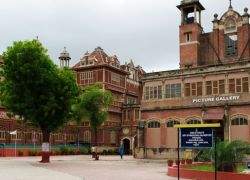
Baroda Museum and Art Gallery and The Maharaja
The Baroda museum and art gallery and the Maharaja Fateh Sigh Museum have excellent artwork collections by Indian artists and European Masters of Mughal miniatures and valuable palm leaf manuscripts of Buddhist and Jain origin. This museum is located in Sayaji Bagh, a garden that is popular with the inhabitants of Baroda, who picnic and stroll there.
Explore More
SIndhrot Check Dam is an old check dam located in Gandhinagar in Gujarat. Built long back, this check dam stands on Mahi Sagar River and its construction brought a great relief to the locals as the problem of the shortage of water was solved. Gradually, it was developed into a well-known tourist site and stands as a widely visited destination by the locals and tourists alike. It Is Known For:- 1) Sindhrot check dam is a perfect hangout destination for youngsters and couples. Many youngsters & couples can be spotted around. 2) It is also visited by many birds and thus, it has emanated as a bird watching location. Swans and storks are often spotted at this check dam. 3) Due to its surroundings, it is widely preferred by the shutterbugs for conducting photoshoots. 4) It is a place from where a charming view of the sunrise and sunset can be witnessed. Best Time To Visit:- Although Sindhrot has never disappointed the visitors as it can be visited during any season, the best time is considered during monsoons and early winters. During the monsoons, the refreshed surroundings of this dam enhance its beauty. During early winters, a thin blanket of foggy surrounds it and is a sight that cannot be described in words. Watch Out! Mahi Sagar River is the water body on which this dam stands. It is a navigable water body but swimming is restricted here. Therefore, boating is the only venture that can be enjoyed by the tourists. Swimming is completely prohibited here. Reaching There:- Gandhinagar is a city with a wider connectivity to the roadways, railways, and airways. It can be reached via flights, express trains, or state-run buses from anywhere in Gujarat. Traveling within Gandhinagar can be done via local transit. Nearest Railway Station:- Gandhinagar Railway Station Nearest Airport:- Ahmedabad Airport
Explore More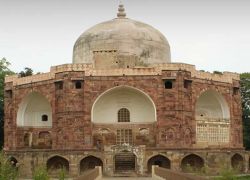
Hazira Maqbara or Hazira is a well-known landmark in the city of Vadodara, Gujarat. It is an ancient tomb of Qutub-Uddin-Mohammed Khan, the tutor of Salim. He also held a place in the court of Akbar. This tomb is architected in the Mughal style. It stands on a vast lawn and has a calm ambiance that serves as the apt spot for spending some time to relax. It Is Known For:- 1) Hazira Maqbara is an edifice that was built in the year 1586 and is a reflection of Humayun’s tomb in Delhi. 2) The outer walls of the garden tomb are constructed using the red bricks and have merlon design of the arcs. 3) The inner walls of the tomb carry the Quranic verses in the Arabic language that are carved in a beautiful manner. 4) The dome is also embellished with the merlon designs in a beautiful manner. Best Time To Visit:- Hazira Maqbara is an amazing destination for the people that wish to seek calmness. Due to its appearance, it catches the attention of the visitors that throng to this place. It can be visited during any time of the year. Watch Out! Try to watch out for the real grave of Qutub-Uddin-Mohammed Khan. The grave in the tomb isn’t the real one but the one below it is the real resting place of the Mughal courtier. Reaching There:- Vadodara is well-connected to the different cities of Gujarat. It has a wider connectivity to the highways, airways, and railways. Vadodara can be reached easily via express trains, flights, and state-run buses from anywhere in the state. Commuting within Vadodara can be done via local transit. Nearest Railway Station:- Vadodara Junction Nearest Airport:- Vadodara Airport
Explore More
Kirti Stambh or the Pillar of Triumph is a prominent tourist attraction in the city of Vadodara. It is an ancient landmark that was built in the year 1935 to mark the 60 years of rule of King Sayajirao Gaekwad. The establishment of the pillar has a great philosophy behind it. Presently, it is situated in the bustling region of the city and is visited on a huge scale. Why Is It Famous? Kirti Stambh marks the completion of 60 years of rule of King Sayajirao Gaekwad. It has a philosophy behind its construction. The pillar has a lion in a seated position on its top. When observed closely, an individual can notice the expressions that convey the fatigue and tiredness of the lion. This is the philosophy where King Sayajirao is depicted an old ruler who is tired and can pass the throne to his successor. Best Time To Visit:- Kirti Stambh is located in a bustling marketplace of Vadodara. Every day of the year is the time when it is visited by the numerous visitors and locals. Thus, there is no special time for visiting this place. Watch Out! Visiting Kirti Stambh can be a great option for you. Due to its location in a busy marketplace, you just need to head towards the market. There are different options for you in the market where you can do shopping, hanker over your favorite dishes, and collect souvenirs etc. Reaching There:- Vadodara can be reached easily via roadways, railways, and airways. A vast connectivity makes it convenient to reach the place without a hassle. There are different state-run buses, express trains, and flights are available from all over Gujarat. Nearest Railway Station:- Vadodara Junction Nearest Airport:- Vadodara Airport
Explore More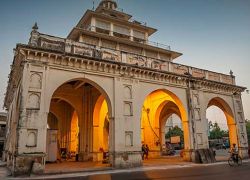
Mandvi Gate is one of the key frequented travel attractions in the city of Vadodara. It is an edifice that was built during the Mughal rule in India. Sultan Muzaffar was the architect of this foursquare gate. In the previous times, it was a place where four directions met at a place and was used for the toll collection. Presently, it is located in the bustling marketplace of the city. Why Is It Famous? Mandvi Gate is popular it was an important spot in the city. It used to be an essential site where the toll was collected from the merchants and traders. All announcements of the royal orders were made from Mandvi Gate. In the year 1864, Ganpatrao Gaekwad, a member of the royal Gaekwad dynasty constructed two more storeys with a clock tower. It was embellished beautifully and till date is bedecked with lights on all festivals and national holidays. Best Time To Visit:- There’s no special time for visiting Mandvi Gate. Since it is located in a bustling area of Vadodara, it is daily visited by countless locals and tourists. Every season of the year is considered as best for visiting this historical site. Watch Out! When you visit Mandvi Gate, do not forget to check out the nearby markets. There are different shops where you can find a vast variety of every item. There are some restaurants and shopping malls that are visited on a huge scale as well. Reaching There:- Vadodara city is well-connected to the major roads, railheads, and airways in Gujarat. There are express trains, state-run buses, and flights that are available on a frequent basis to reach Vadodara from any city of Gujarat. Nearest Railway Station:- Vadodara Junction Nearest Airport:- Vadodara Airport
Explore More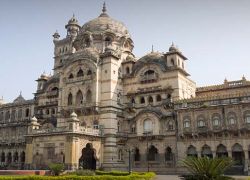
Nazarbaug Palace was a well-known name in the list of the tourist destinations in the Indian state of Gujarat. This palace was located in Vadodara city and served as the erstwhile residence of the royal family of Gaekwads. It was built by Malhar Rao Gaekwad in the year 1721 and was known as the oldest palace in Vadodara. It Is Known For:- 1) Nazarbaug Palace was the oldest palace in the city of Vadodara and it was built in the year 1721. 2) The palace stood in the Gujarati style of architecture with arcs on every door. 3) It was used by the royals for different occasions. It also housed the guns made up of gold and silver with each weighing over 100 kg. 4) In the year 1927, this palace served as a home to the precious jewels and had a collection of the jewelry with a net worth of ten billion dollars. The jewelry was auctioned as there were no heirs left. 5) The interiors of the palace were lavishing and were adorned with the paintings of the Japanese, European, Chinese, and Indian artists. All these paintings were auctioned as well to the millionaires. Best Time To Visit:- Visiting this place is not worthy anymore because the palace was demolished for the construction of the mall and some shopping complexes. The garden around it is now used as a parking for the vehicles. Watch Out! At present, there are numerous shops were the palace existed. One can visit those shops for purchasing the different items. Reaching There:- Vadodara city is well-connected to all major roadways, railways, and airways. Such connectivity makes it convenient for the travelers to reach the site easily via express trains, state-run buses, and flights. Nearest Railway Station:- Vadodara Junction Nearest Airport:- Vadodara Airport
Explore More
Sardar Patel Planetarium or S.P Planetarium is a renowned destination in the city of Vadodara in Gujarat. This planetarium is visited on a huge scale by the many locals and tourists. Just like other planetariums, this planetarium also screens the movies that are based on the solar system and provides information about the celestial bodies, nebulas, stars etc. It Is Known For:- 1) S.P Planetarium is a major crowd puller and is thronged by the numerous people, especially those having a special taste in the solar system. 2) There are special telescopes with a high power lens that allows gazing at the shining balls in the dark sky at night. 3) A working model of the entire solar system is displayed in this planetarium. It includes the rotation speed of all planets and the solar/lunar eclipse. 4) The information of the different planets, as well as the formation of nebulas and stars, can be found inside this planetarium. Best Time To Visit:- S.P Planetarium is a place that is thronged on a huge scale by the educational institutions on a large scale. Though it can be visited during any day, the best time is considered during celestial occurrences like an eclipse or a meteor shower. It is also visited when a planet comes close to the earth. Watch Out! Whenever you visit this planetarium, especially at night, make sure you do not miss to gaze at the celestial bodies in the sky. Moreover, touring the planets and feeling the atmosphere can be done in the auditorium where the movies are shown. Reaching There:- Vadodara city has a well-established connection to the roadways, railways, and airways. Such connectivity allows the people to reach here via express trains, state-run buses, and flights. Nearest Railway Station:- Vadodara Junction Nearest Airport:- Vadodara Airport
Explore More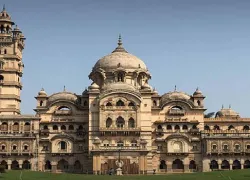
Shiv Mahal Palace is a famous attraction in the city of Vadodara in Gujarat. It is a huge structure that is known for its magnificent architecture, royalty, and luxury indoors. This palace was built in the year 1936 as the residence for Prince Uday Singh Rao, the third son of King Shivaji Singh Rao. Why Is It Famous? Shiv Mahal Palace is known for its charm. It is constructed in the Hindu style of architecture and has exquisite carvings done on its interior and exterior walls. It has enchanting royal furniture, expensive chandeliers, and other sculptures inside the hall. At present, Shiv Mahal Palace is utilized as a property where hosting and organizing different events like a wedding, engagement ceremony, reception, baby shower, birthday party, anniversary etc. Due to the touch of royalty, Shiv Mahal Palace adds lavishness to an event. Apart from all this, it is a perfect accommodation for the tourists that visit this palace for a weekend vacation. Best Time To Visit:- Shiv Mahal Palace is a place that is visited by the tourists on a huge scale. It is the righteous destination, especially for the ones that want to spend a vacation away from their home. This place can be visited throughout the year without any hesitation. Watch Out! Shiv Mahal Palace is the best destination to host a wedding. Its vast expanse and a royal architecture never fail to entice the visitors. If you’re a photographer, this building is not less than a haven for you. Reaching There:- Vadodara city is well-connected to the entire state of Gujarat via major highways, railways, and airways. Such connectivity makes it convenient for the people to reach the site conveniently. Numerous express trains, state-run buses, and flights are available in multitude. Nearest Railway Station:- Vadodara Junction Nearest Airport:- Vadodara Airport
Explore MoreAhmedabad Saputara 2 Nights / 3 Days
3 Days/ 2 Night
Ahmedabad - Saputara
Dwarka – Somnath Tour Package
4 Days/ 3 Night
Ahmedabad - Dwarka
Glimpse Of Gujarat Tour 8 Nights 9 Days
9 Days/ 8 Night
Ahmedabad - Bhavnagar - Bhuj - Vadodara (Baroda) - Dwarka - Kevadia - Kutch
Rann Utsav Kutch Season Special
3 Days/ 2 Night
Bhuj

Tambekar Wada aka Vitthal Khanderao is a famous tourist attraction in the city of Vadodara in Gujarat. It was the residence of the previous Diwan of Vadodara, Bhau Tambekar. It is a mansion built in the Maratha style of architecture and never fails to attract the visitors. Its structure and paintings add more charm to its beauty. Why Is It Famous? Tambekar Wada is renowned due to its architecture and paintings. It is adorned with the 19th-century murals, paintings, and structures that can be seen inside this mansion. Interestingly, the doors, windows, walls, and ceiling are also covered with the paintings that depict the scenes from Mahabharata and Ramayana. It has the paintings of the Hindu religious figurines painted in the style of 19th-century. The entire mansion is an intricate structure and is protected by the Archaeological Survey of India. Best Time To Visit:- Tambekar Wada is a place that welcomes its visitors throughout the year. Each season is considered as appropriate for paying a casual visit to this amazing destination. Watch Out! When you’re visiting Tambekar Wada, do not forget to visit the nearby markets. There are different shops and eateries where you can spend a good quality time. Reaching There:- The city of Vadodara is well-connected to the entire state of Gujarat via major highways, railways, and airways. Such connectivity makes it convenient for all to reach the city easily through the state-run buses, express trains, and flights that are available from every corner of the state. Nearest Railway Station:- Vadodara Junction Nearest Airport:- Vadodara Airport
Explore More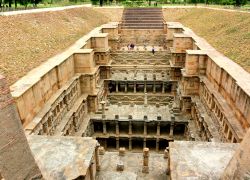
Rani Ki Vav is a magnificent stepwell located in Patan, Gujarat. This historical site holds immense significance not only for its architectural beauty but also for its rich history and cultural importance. The city of Patan, known for its heritage and craftsmanship, is home to this splendid monument that attracts tourists, history enthusiasts, and architecture aficionados alike. History of Rani Ki Vav The history of Rani Ki Vav dates back to the 11th century when it was built as a memorial to King Bhimdev I by his widowed queen, Udayamati. This stepwell served as both a functional water storage system and a place of spiritual importance. The intricate carvings on the walls depict various mythological themes, deities, and scenes from everyday life, reflecting the artistic brilliance of the craftsmen of that era. Rani Ki Vav was recognized as a UNESCO World Heritage Site in 2014, highlighting its architectural and historical significance. Architecture and Natural Beauty of Rani Ki Vav Surrounded by lush greenery and a serene atmosphere, Rani Ki Vav stands as a testimony to the architectural prowess of the Solanki dynasty. The stepwell is adorned with intricate sculptures of gods and goddesses, celestial beings, and mythological creatures, making it a visual delight for visitors. The presence of the nearby historical Keoladeo Temple adds to the charm of this site, providing a holistic experience for those exploring the architectural and natural beauty of the region. Why is Rani Ki Vav Famous? Rani Ki Vav is renowned for its unique blend of architectural grandeur and historical significance. The stepwell's intricate design and exquisite carvings make it a paradise for art lovers and history buffs. Additionally, the site's tranquil surroundings and spiritual aura attract visitors seeking a peaceful retreat amidst the hustle and bustle of modern life. How to Reach Rani Ki Vav Travelling to Rani Ki Vav is convenient as Patan is well-connected by air, rail, and road. The nearest airport is located in Ahmedabad, approximately 126 km away, while the Patan railway station serves as a vital link for those arriving by train. Visitors can also opt for road transport with regular bus services plying to Patan from various cities in Gujarat. Weather and Best Time to Visit Rani Ki Vav The weather in Patan experiences typical seasonal variations with hot summers, refreshing monsoons, and pleasant winters. The best time to visit Rani Ki Vav is during the winter months from October to March when the weather is cool and ideal for exploring the outdoor attractions without the discomfort of extreme heat. Timings of Rani Ki Vav Rani Ki Vav is open to visitors from morning till evening, allowing ample time to explore the intricate carvings and architectural marvels of the stepwell. The timings may vary slightly during different seasons, so it is advisable to check the schedule before planning your visit. Entry Fee and Visit Details Visitors can enter Rani Ki Vav by paying a nominal entry fee, which contributes to the maintenance and preservation of this heritage site. Guide services are available for those interested in learning more about the history and significance of the stepwell. Additionally, visitors can opt for safari options, bicycle rentals, and other facilities to enhance their overall experience. Things to Do at Rani Ki Vav At Rani Ki Vav, visitors can engage in a variety of activities such as admiring the intricate carvings, capturing the beauty of the surroundings through photography, embarking on cycling expeditions to explore the nearby areas, indulging in leisurely walks along the stepwell, observing the diverse flora and fauna, and immersing themselves in the educational experiences offered at this historical site. Interesting Facts About Rani Ki Vav Rani Ki Vav is not just a marvel of architecture but also a haven for biodiversity. The stepwell attracts migratory birds during certain seasons, adding to its ecological importance. Conservation efforts have been undertaken to preserve this historical gem and ensure that future generations can appreciate its beauty and cultural significance. Travel Tips for Visiting Rani Ki Vav When visiting Rani Ki Vav, it is advisable to wear comfortable clothing and carry essential items such as sunscreen, hats, and water bottles. Photography enthusiasts should not miss the opportunity to capture the intricate details of the carvings and the natural surroundings. It is recommended to visit during the cooler months for a more pleasant experience and to practice responsible tourism by respecting the heritage and environment of the site. Conclusion In conclusion, Rani Ki Vav in Patan is a treasure trove of history, art, and natural beauty. Its architectural splendor, historical significance, and serene ambiance make it a must-visit destination for travelers seeking a glimpse into the rich cultural heritage of Gujarat. A visit to Rani Ki Vav promises a blend of spirituality, artistry, and tranquility, offering a memorable experience for all who venture to this enchanting site.
Explore More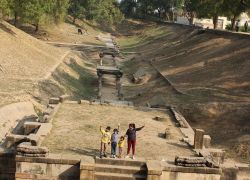
Sahastralinga Talav, located in Patan, is a mesmerizing tourist attraction that offers a unique blend of natural beauty, historical significance, and rich biodiversity. This ancient reservoir, also known as the Sahasralinga Lake, attracts visitors from far and wide due to its serene ambiance, diverse birdlife, and historical importance. History of Sahastralinga Talav The history of Sahastralinga Talav dates back to ancient times when it served as a crucial water source for the region. Originally built as a reservoir to store water for irrigation, this talav holds immense historical and cultural significance. It was a favored spot for the royal families of Patan and surrounding areas, serving as a retreat and hunting ground. Today, the conservation efforts undertaken to preserve this site have earned it recognition by UNESCO for its historical and ecological importance. Architecture and Natural Beauty of Sahastralinga Talav Sahastralinga Talav is not only renowned for its historical value but also for its picturesque surroundings. The talav is surrounded by lush wetlands, verdant forests, and sprawling grasslands that provide a perfect habitat for a variety of bird species. The tranquil landscapes and the presence of the ancient Keoladeo Temple within the park add to its allure, making it a must-visit destination for nature lovers and history enthusiasts alike. Why is Sahastralinga Talav Famous? Sahastralinga Talav has gained fame as a haven for birdwatchers, photographers, and wildlife enthusiasts. The diverse bird species that inhabit the wetlands and forests attract nature lovers seeking to witness the beauty of migratory birds in their natural habitat. The talav's serene environment and rich biodiversity make it a popular destination for those looking to connect with nature and explore the wonders of wildlife. How to Reach Sahastralinga Talav Reaching Sahastralinga Talav is convenient as it is well-connected by air, rail, and road. The nearest airport is located in the city of Patan, providing easy access to visitors from various parts of the country. Additionally, the park is easily accessible by rail, with the nearest railway station offering convenient transportation options. For those traveling by road, well-maintained highways and local transport services make reaching the talav hassle-free. Weather and Best Time to Visit Sahastralinga Talav The weather at Sahastralinga Talav varies across seasons, with summer bringing warm temperatures, monsoon adding lush greenery, and winter offering a pleasant climate. The best time to visit the talav is during the winter months when the weather is mild, and the bird population is at its peak, providing an ideal setting for birdwatching and nature exploration. Timings of Sahastralinga Talav Sahastralinga Talav welcomes visitors throughout the year, with timings varying slightly based on seasonal changes. It is advisable to plan your visit during the early morning or late afternoon to witness the bird activity at its best. The park authorities ensure that visitors have a memorable experience by providing essential information and assistance during their visit. Entry Fee and Visit Details Visitors to Sahastralinga Talav can enjoy a range of services and facilities, including guided tours, safari options, bicycle rentals, and visitor centers. The entry procedures are simple, with nominal fees for entry and additional charges for guided tours. Visitors can also avail themselves of amenities such as refreshment stalls and restroom facilities within the park premises. Things to Do at Sahastralinga Talav At Sahastralinga Talav, visitors can engage in a host of activities such as birdwatching, photography, cycling, walking trails, and nature observation. The park's serene environment and diverse bird species offer ample opportunities for nature enthusiasts to explore and capture the beauty of the surroundings. Educational experiences are also available for those keen on learning more about the biodiversity and conservation efforts at the talav. Interesting Facts About Sahastralinga Talav Sahastralinga Talav is home to a plethora of migratory birds that travel great distances to seek refuge in its tranquil environs. The park's conservation achievements in preserving the natural habitat and promoting biodiversity have been recognized globally. The ecological importance of Sahastralinga Talav in sustaining bird populations and fostering environmental awareness underscores its significance as a vital natural reserve. Travel Tips for Visiting Sahastralinga Talav When planning a visit to Sahastralinga Talav, it is advisable to wear comfortable clothing suitable for outdoor activities and carry essential items such as sunscreen and insect repellent. Birdwatching enthusiasts may benefit from bringing binoculars and cameras to capture the vibrant avian life in the park. It is recommended to visit during the winter months for the best birdwatching experience and practice responsible tourism by respecting the park's rules and regulations. Conclusion In conclusion, Sahastralinga Talav in Patan stands out as a premier tourist destination that offers a harmonious blend of history, nature, and wildlife. The talav's historical significance, architectural beauty, and rich biodiversity make it a captivating spot for visitors seeking a tranquil retreat amidst nature's wonders. Whether you are a birdwatcher, photographer, or nature enthusiast, a visit to Sahastralinga Talav promises a memorable experience filled with exploration, discovery, and admiration for the natural world.
Explore More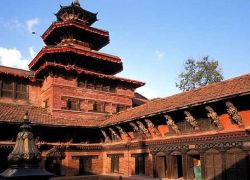
Welcome to the enchanting world of Patan Museum located in the heart of Patan city. This renowned tourist attraction is a haven for history buffs, nature enthusiasts, and wildlife lovers. The museum offers a unique blend of historical significance, architectural beauty, and natural wonders that are sure to captivate visitors of all ages. History of Patan Museum Steeped in rich history, Patan Museum stands as a testament to the cultural heritage of the region. Originally serving as a royal palace, the museum showcases artifacts dating back centuries, offering a glimpse into the royal past of the area. The former royal hunting grounds have been meticulously preserved, with conservation efforts earning the site recognition by UNESCO for its historical and cultural importance. Architecture and Natural Beauty of Patan Museum Surrounded by lush wetlands, verdant forests, and sprawling grasslands, Patan Museum is a treasure trove of biodiversity. Bird habitats dot the landscape, providing a sanctuary for a wide variety of avian species. The historical Keoladeo Temple, nestled within the park, adds to the architectural charm of the surroundings, making it a truly picturesque destination. Why is Patan Museum Famous? Patan Museum is famous for its abundant birdlife, making it a paradise for birdwatchers and photographers alike. Nature enthusiasts are drawn to the park's serene atmosphere and diverse wildlife, offering a unique opportunity to witness the beauty of the natural world up close. How to Reach Patan Museum Traveling to Patan Museum is convenient, with options available by air, rail, and road. The nearest airports and railway stations provide easy access to the city, allowing visitors to reach the museum with ease. Weather and Best Time to Visit Patan Museum The weather at Patan Museum varies throughout the year, with distinct summer, monsoon, and winter seasons. The best time to visit is during the cooler months when the weather is pleasant, allowing for an enjoyable exploration of the park's natural beauty. Timings of Patan Museum Visitor timings at Patan Museum are structured to accommodate guests throughout the year, with seasonal variations taken into account. Planning a visit in advance ensures a smooth and memorable experience at this iconic destination. Entry Fee and Visit Details Entry procedures at Patan Museum are straightforward, with guide services and safari options available for those seeking a more immersive experience. Bicycle rentals offer a fun way to explore the park, while visitor facilities cater to the needs of guests, ensuring a comfortable visit. Things to Do at Patan Museum Popular activities at Patan Museum include birdwatching, photography, cycling, walking trails, and nature observation. Educational experiences abound, providing visitors with a deeper understanding of the park's ecological significance and diverse wildlife. Interesting Facts About Patan Museum Patan Museum is home to a myriad of migratory birds, showcasing the region's rich biodiversity. Conservation achievements have been instrumental in preserving the park's ecological balance, highlighting the importance of responsible tourism practices for the future. Travel Tips for Visiting Patan Museum When visiting Patan Museum, it is advisable to dress comfortably and carry essential items such as sunscreen and water. Birdwatching equipment enhances the experience, while visiting during the recommended seasons ensures optimal wildlife sightings. Embracing responsible tourism practices helps protect the park's natural beauty for generations to come. Conclusion In conclusion, Patan Museum in Patan offers a unique blend of history, architecture, and natural beauty that is sure to leave a lasting impression on visitors. From its historical significance to its diverse wildlife, the museum stands as a testament to the region's cultural heritage and ecological importance, making it a must-visit destination for travelers seeking a memorable experience.
Explore More
Dholavira is a name that many people have heard and read about. It is an archaeological site situated in Kutch district of Gujarat. Dholavira is the place that contains the remains of the Indus Valley Civilization. It is the fifth largest of the 8 major Harappan sites. Under excavation since 1990, a lot of artifacts and other things have been discovered that have unfolded the mysteries of the earliest human inhabitance in the state of Gujarat. It Is Known For:- 1) As per the archaeological findings and their history, Dholavira was a settlement of the in the bygone times in the Indus Valley Civilization. It was occupied by the humans in the previous eras but was gradually abandoned due to different reasons. 2) The settlement was constructed in the geometrical plan and had proper gates, canal system, wells, streets, open yards etc. 3) The step-well and bath system was also found in the excavations and can be seen at this site. 4) Apart from all this, other findings include the seal making equipment, utensils, weapons, and coins. 5) It is also said that the invention of the wheel was done in Dholavira. Best Time To Visit:- Dholavira welcomes its guests throughout the year. Archaeologists, historians, and tourists visit this site on a huge scale. Though it can be visited in any season, the best time is considered between October-March. The weather is pleasant during this period. Watch Out! Dholavira is a great place of interest in Kutch. Since it is a historical site of national interest, no visitor is allowed to dump any scrap or leftovers. Offenders are penalized with a heavy fine. Reaching There:- Ahmedabad is the nearest city that is well-connected to all the key highways, airways, and railways that connect it with the rest of Gujarat. One can reserve the seat in a plane, express train, or a luxury bus to visit Ahmedabad from any corner of Gujarat. Traveling in the city is done by hiring the service of the local transit. Nearest Railway Station:- Ahmedabad Junction Nearest Airport:- Sardar Vallabh Bhai Patel International Airport
Explore More
Bharatiya Sanskruti Darshan Museum
Bharatiya Sanskruti Darshan Museum aka B.S.D Museum is an eminent travel attraction in Kutch, Gujarat. It was established by Mr. Ramsinh K Rathod, a famous folk and art scholar. This museum focuses on the artwork of the rural Kutch. There are many specimens of the art and craft that are exhibited in this museum. It is visited on a huge scale by various tourists. Why Is It Famous? B.S.D Museum is an amazing museum and is known for its vast collection of the artwork of the rural Kutch. It is the place where people witness the unique and rare pieces of artwork that help them to gain the knowledge about the region of Kutch and its people. There are different galleries in this museum but the Ethnological Gallery houses Sahitya Chitra. It is the sole section that houses the literary works of the artwork. The remaining sections of B.D.S house the items like the artwork in the form of wood carvings, daggers, swords, and much more. Best Time To Visit:- B.D.S Museum welcomes the guests throughout the year. All visitors can pay a casual visit to this museum during any time of the year. The entry to the museum is paid for all and entirely depends on the nationality of the visitors. Watch Out! All visitors are recommended not to touch any of the exhibits in the museum. Touching the items, especially the ancient ones, is not allowed. Reaching There:- Kutch can be reached via roadways, railways, and airways due to its vast connectivity to the rest of Gujarat. The state-run buses, express trains, and flights are the best option for reaching the city from anywhere in Gujarat. Nearest Railway Station:- Kutch Railway Station Nearest Airport:- Sardar Vallabh Bhai Patel International Airport
Explore More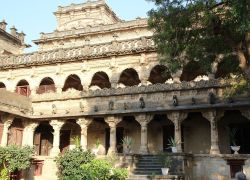
Welcome to the enchanting city of Gondal, home to the majestic Navlakha Palace, a true gem for nature lovers and history enthusiasts alike. Situated in a natural paradise, Navlakha Palace offers a unique blend of architectural splendor and biodiversity that captivates visitors from around the world. History of Navlakha Palace Steeped in history, Navlakha Palace boasts a rich heritage dating back to its origins as a royal hunting ground. Over the years, the palace has seen significant conservation efforts to preserve its historical significance, earning recognition from UNESCO as a cultural heritage site. Architecture and Natural Beauty of Navlakha Palace Surrounded by lush wetlands, dense forests, and sprawling grasslands, Navlakha Palace is a haven for bird species and wildlife. The picturesque landscapes provide a perfect backdrop to the historical Keoladeo Temple, adding to the charm of this architectural marvel. Why is Navlakha Palace Famous? Navlakha Palace is renowned for its thriving bird population, making it a paradise for birdwatchers, photographers, and nature enthusiasts. The diverse ecosystems within the palace attract wildlife lovers seeking a unique and immersive experience. How to Reach Navlakha Palace Traveling to Navlakha Palace is convenient, with options available by air, rail, and road. The city is well-connected with nearby airports and railway stations, ensuring easy access for visitors from various locations. Weather and Best Time to Visit Navlakha Palace Navlakha Palace experiences varying weather conditions throughout the year, with distinct summer, monsoon, and winter seasons. The best time to visit is during the cooler months when the natural beauty of the palace is at its peak. Timings of Navlakha Palace Visitors to Navlakha Palace can explore its wonders during specified timings, accommodating seasonal variations for an enhanced experience. It is advisable to plan your visit accordingly to make the most of your time at this captivating destination. Entry Fee and Visit Details Entry to Navlakha Palace is subject to specific procedures, with guide services, safari options, and bicycle rentals available for visitors. The palace offers convenient facilities to ensure a comfortable and memorable visit for all guests. Things to Do at Navlakha Palace Engage in a range of exciting activities at Navlakha Palace, including birdwatching, photography, cycling, walking trails, and nature observation. Immerse yourself in the beauty of the surroundings and enjoy educational experiences that showcase the palace's ecological diversity. Interesting Facts About Navlakha Palace Navlakha Palace is home to a plethora of migratory birds, highlighting its biodiversity and conservation efforts. The palace stands as a testament to the importance of preserving ecological balance and protecting the natural heritage of the region. Travel Tips for Visiting Navlakha Palace When planning your visit to Navlakha Palace, remember to dress appropriately for the weather, carry essential photography and birdwatching equipment, and adhere to responsible tourism practices. Choose the right visiting season to make the most of your experience at this unique destination. Conclusion In conclusion, Navlakha Palace in Gondal offers a captivating blend of history, architecture, and natural beauty that promises an unforgettable visitor experience. Explore the wonders of this magnificent palace, immerse yourself in its biodiversity, and create lasting memories in the heart of nature.
Explore More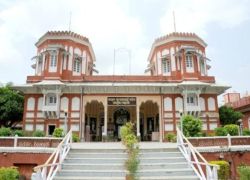
Welcome to the mesmerizing Moti Shahi Mahal in Palitana, a hidden gem waiting to be explored by travelers seeking natural beauty and historical significance. This majestic hotspot offers a unique blend of architectural wonders, lush landscapes, and rich biodiversity, making it a must-visit destination for nature enthusiasts and history buffs alike. History of Moti Shahi Mahal Steeped in history, Moti Shahi Mahal holds a legacy of royal grandeur and cultural heritage. Originally built as a royal residence, this magnificent palace boasts a rich past as a former royal hunting ground transformed into a conservation area. Its historical significance is further underscored by its UNESCO recognition for its efforts in preserving the natural environment and wildlife. Architecture and Natural Beauty of Moti Shahi Mahal Surrounded by enchanting wetlands, dense forests, and sprawling grasslands, Moti Shahi Mahal is a haven for diverse bird species and wildlife. The picturesque landscapes and the ancient Keoladeo Temple nestled within the park add to its architectural charm, creating a tranquil sanctuary for both nature lovers and history enthusiasts. Why is Moti Shahi Mahal Famous? Moti Shahi Mahal has garnered fame as a prime destination for birdwatchers, photographers, and wildlife enthusiasts due to its unparalleled natural beauty and rich biodiversity. The park's serene ambiance and abundance of bird habitats make it an ideal spot for capturing stunning wildlife moments and exploring the wonders of nature up close. How to Reach Moti Shahi Mahal Traveling to Moti Shahi Mahal is convenient, with options for air, rail, and road transport. The nearest airports and railway stations provide easy access to this enchanting destination, allowing visitors to embark on a memorable journey into the heart of Palitana's natural splendor. Weather and Best Time to Visit Moti Shahi Mahal Throughout the summer, monsoon, and winter seasons, Moti Shahi Mahal offers a unique experience in each climatic phase. The best time to visit varies depending on personal preferences, with certain months showcasing the park's beauty in different shades, making it a year-round attraction for travelers. Timings of Moti Shahi Mahal Visiting hours at Moti Shahi Mahal cater to the needs of tourists, with seasonal variations ensuring an optimal experience for all visitors. Planning a trip to this majestic hotspot involves considering the timings to make the most of your visit and enjoy the natural wonders it has to offer. Entry Fee and Visit Details Entry procedures at Moti Shahi Mahal are designed to facilitate a seamless visitor experience, with guide services, safari options, bicycle rentals, and visitor facilities available to enhance your stay. Exploring the park's offerings is made convenient through these services, allowing you to immerse yourself in the beauty of the surroundings. Things to Do at Moti Shahi Mahal Engage in a variety of activities at Moti Shahi Mahal, including birdwatching, photography, cycling, walking trails, and nature observation. The park's diverse offerings cater to different interests, providing educational experiences and opportunities to connect with nature in a meaningful way. Interesting Facts About Moti Shahi Mahal Discover fascinating facts about Moti Shahi Mahal, from the migratory birds that call it home to the conservation achievements that have contributed to its ecological importance. Delve into the park's rich biodiversity and learn about the efforts to preserve its natural heritage for future generations to enjoy. Travel Tips for Visiting Moti Shahi Mahal Prepare for your trip to Moti Shahi Mahal with practical advice on clothing, photography essentials, birdwatching equipment, and responsible tourism practices. Understanding the best times to visit and how to make the most of your experience ensures a memorable and enjoyable stay at this captivating tourist hotspot. Conclusion In conclusion, Moti Shahi Mahal in Palitana stands as a testament to the harmonious blend of history, nature, and culture. Its allure lies in the seamless integration of architectural marvels, lush landscapes, and diverse wildlife, offering visitors a unique and enriching experience. Explore the wonders of Moti Shahi Mahal and immerse yourself in the beauty of Palitana's hidden treasure.
Explore More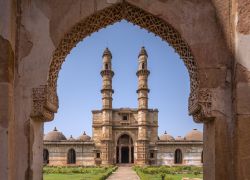
Champaner-Pavagadh Archaeological Park
The Champaner-Pavagadh Archaeological Park, located in the state of Gujarat, India, is a UNESCO World Heritage site known for its historical and cultural significance. The park is an extraordinary ensemble of architectural and archaeological wonders, including temples, mosques, palaces, forts, and step wells. Spanning over an area of 1,000 hectares, it represents the rich cultural heritage of the region. The site was once the capital of the Gujarat Sultanate and is an important example of Islamic military architecture. With its fascinating history and architectural beauty, the Champaner-Pavagadh Archaeological Park attracts history lovers, tourists, and scholars from around the world. How to Reach Champaner-Pavagadh Archaeological Park, Champaner Champaner-Pavagadh Archaeological Park is located around 47 kilometers east of Vadodara, in Gujarat, India. The easiest way to reach the site is by road. You can take a taxi or private car from Vadodara, which takes approximately 1 to 1.5 hours. Vadodara is well-connected by train and air, with the Vadodara Railway Station and Vadodara Airport serving major cities in India. Alternatively, if you are traveling from Ahmedabad, it is around a 2- to 2.5-hour drive to the archaeological park. Weather at Champaner-Pavagadh Archaeological Park, Champaner The weather at Champaner-Pavagadh Archaeological Park varies depending on the time of year. The climate is generally tropical, with hot summers, pleasant monsoons, and mild winters. The best time to visit the park is between November and March when the weather is cooler and more comfortable for exploring the outdoor monuments. The summer months (March to June) can be extremely hot, with temperatures soaring above 40°C (104°F), making it less ideal for sightseeing. During the monsoon season (June to September), the region experiences moderate to heavy rainfall, which can make travel more difficult and muddy. Timing to Visit Champaner-Pavagadh Archaeological Park, Champaner The Champaner-Pavagadh Archaeological Park is open to visitors every day of the week from 9:00 AM to 6:00 PM. It is advisable to visit early in the day to avoid the afternoon heat, especially during the summer months. The site can get crowded during peak tourist seasons, so planning an early visit can help you avoid large groups. If you are interested in photography, the soft morning light provides great opportunities for capturing the beauty of the park. Why Champaner-Pavagadh Archaeological Park is Famous Champaner-Pavagadh Archaeological Park is famous for its exceptional collection of Islamic architecture and its historical significance. The site was once a thriving capital city under the Gujarat Sultanate and is home to a unique blend of Hindu and Islamic structures. The park is known for its well-preserved medieval monuments, including the Pavagadh Hill Fort, the Jama Masjid, the Kevda Masjid, and several step wells. The park also features beautiful ruins, temples, and forts that reflect the golden era of Gujarat’s architecture and culture. The fascinating mix of Islamic and Hindu styles, combined with the stunning landscapes, makes it a one-of-a-kind destination for tourists and history enthusiasts. Entry and Visit Details About Champaner-Pavagadh Archaeological Park, Champaner The entry to the Champaner-Pavagadh Archaeological Park is managed by the Gujarat State Government. The entry fee for Indian visitors is around INR 25, while foreign nationals may be charged INR 300. The park is accessible to all types of visitors, and it is advisable to hire a local guide to help you understand the historical significance of each monument. There are several routes within the park, and the key sites include the Pavagadh Hill Fort, the Jama Masjid, the Vadaj Step Well, and the Siddi Sayyid Mosque. Visitors can explore the park on foot or hire bicycles for a more enjoyable experience. The park is well-maintained and provides basic amenities such as restrooms, water facilities, and refreshment stalls. History and Architecture of Champaner-Pavagadh Archaeological Park, Champaner Champaner-Pavagadh Archaeological Park is a treasure trove of historical and architectural significance. The area was originally a Hindu settlement, with temples and structures dating back to the 8th century. However, the city became an important capital under the rule of Mahmud Begada, the Sultan of Gujarat, in the 15th century. During this time, Champaner transformed into a vibrant center of Islamic architecture, marked by the construction of grand mosques, palaces, and forts. The architecture of Champaner is distinctive due to the combination of Islamic and Hindu styles, with intricate carvings, arches, and domes that reflect the cultural fusion of the period. Key architectural marvels within the park include the Jama Masjid, a large and intricately designed mosque with beautiful courtyards and a central dome, and the Kevda Masjid, known for its unique blend of Hindu and Islamic elements. The Pavagadh Hill Fort is another highlight, located atop a hill offering spectacular views of the surrounding landscapes. The fort and temples scattered across the hill are excellent examples of the region's military and religious architecture. Things to Do at Champaner-Pavagadh Archaeological Park, Champaner Visitors to Champaner-Pavagadh Archaeological Park can indulge in a variety of activities. Some of the most popular things to do include: Exploring the Monuments: The primary activity is exploring the many historical monuments, including the mosques, temples, forts, and step wells that reflect the rich history of the region. Hiking to Pavagadh Hill Fort: For the adventurous, hiking to the Pavagadh Hill Fort offers a rewarding experience with breathtaking views of the surrounding area. Photography: With its stunning landscapes, beautiful architecture, and lush greenery, the park is an excellent place for photography enthusiasts. Visit the Step Wells: Explore the step wells scattered around the park, which are excellent examples of ancient water management systems. Interesting Facts About Champaner-Pavagadh Archaeological Park, Champaner Here are some interesting facts about Champaner-Pavagadh Archaeological Park: The site is believed to be an ancient capital of the Gujarat Sultanate, making it one of the most important historical locations in India. Champaner is known for its unique blend of Hindu and Islamic architectural styles, showcasing the cultural harmony that existed during the Sultanate period. The park features numerous step wells, which were once vital for storing water during the region's dry seasons. Despite being a UNESCO World Heritage site, Champaner-Pavagadh is relatively less crowded compared to other heritage sites in India, providing a peaceful experience. Tips for Visiting Champaner-Pavagadh Archaeological Park, Champaner Here are some tips to make the most of your visit to Champaner-Pavagadh Archaeological Park: Wear Comfortable Footwear: Since the park covers a large area, it is important to wear comfortable walking shoes for exploring the monuments. Stay Hydrated: The weather can be hot, especially in the summer, so carry water with you and stay hydrated. Hire a Guide: To fully appreciate the history and architecture, consider hiring a local guide who can provide detailed information about the significance of each monument. Plan for a Full Day: The park is extensive, so plan to spend a full day exploring the various monuments, hiking the hills, and enjoying the surroundings. Respect the Heritage: As a UNESCO World Heritage site, it’s important to respect the preservation efforts and avoid damaging the monuments.
Explore More
Welcome to the fascinating world of the Lothal Archaeological Site located in the city of Lothal. This historical gem offers a glimpse into the ancient civilization that once thrived in this region, making it a must-visit destination for history buffs, archaeology enthusiasts, and curious travelers. History of Lothal Archaeological Site The history of Lothal Archaeological Site dates back to the ancient Harappan civilization, with its origins rooted in maritime trade and urban planning. This site served as a prominent center for trade, showcasing advanced engineering and town planning techniques. Formerly a royal hunting ground, Lothal has witnessed significant conservation efforts to preserve its rich heritage, leading to its recognition as a UNESCO World Heritage Site. Architecture and Natural Beauty of Lothal Archaeological Site Lothal boasts a unique blend of archaeological ruins and natural beauty, with wetlands, grasslands, and bird habitats surrounding the ancient structures. The picturesque landscapes offer a serene backdrop to the historical remnants, with the majestic Keoladeo Temple standing as a testament to the architectural marvels of the bygone era. Why is Lothal Archaeological Site Famous? The allure of Lothal lies in its historical significance, attracting birdwatchers, photographers, nature enthusiasts, and wildlife lovers alike. The site's architectural splendor, coupled with its natural charm, creates a harmonious environment that appeals to visitors seeking a blend of history and scenic beauty. How to Reach Lothal Archaeological Site Traveling to Lothal is convenient, with options available by air, rail, and road. The nearest airports and railway stations provide easy access to the site, ensuring a smooth journey for travelers looking to explore this ancient marvel. Weather and Best Time to Visit Lothal Archaeological Site Lothal experiences varying weather conditions throughout the year, with summers being hot, monsoons bringing rainfall, and winters offering a pleasant climate. The best time to visit is during the cooler months, allowing visitors to explore the site comfortably. Timings of Lothal Archaeological Site The visitor timings at Lothal Archaeological Site cater to different seasons, providing flexibility for tourists to plan their visit accordingly. Understanding the seasonal variations can enhance the overall experience of exploring this historical site. Entry Fee and Visit Details Entry procedures at Lothal Archaeological Site are straightforward, with guide services available for a more in-depth exploration. Safari options, bicycle rentals, and visitor facilities ensure a convenient and enjoyable visit for all travelers. Things to Do at Lothal Archaeological Site Engage in a myriad of activities at Lothal, from birdwatching and photography to cycling and nature observation. The walking trails offer a leisurely way to explore the site, while educational experiences provide insights into the rich history and biodiversity of the region. Interesting Facts About Lothal Archaeological Site Lothal is home to a diverse range of migratory birds, showcasing the region's biodiversity and ecological importance. Conservation achievements at the site highlight the efforts to preserve this historical treasure for future generations to appreciate and learn from. Travel Tips for Visiting Lothal Archaeological Site When visiting Lothal, ensure to dress comfortably, carry essential photography equipment, and adhere to responsible tourism practices. Familiarize yourself with the visiting seasons to make the most of your trip and contribute to the conservation of this cultural heritage site. Conclusion In conclusion, the Lothal Archaeological Site in Lothal offers a captivating journey through time, blending history, architecture, and natural beauty seamlessly. With its significance, diverse attractions, and visitor-friendly amenities, Lothal stands as a testament to the rich cultural heritage of the region, inviting travelers to explore its wonders and unravel the mysteries of the past.
Explore More
Gandhi Smriti in Bhavnagar, Gujarat, is a significant memorial dedicated to the life and legacy of Mahatma Gandhi, the Father of the Nation. Located in the heart of the city near the famous Crescent Circle and clock tower, this peaceful place serves as a cultural and educational center. It is one of the most visited tourist attractions in Bhavnagar, especially for those interested in India’s freedom struggle and Gandhian philosophy. History of Gandhi Smriti, Bhavnagar Gandhi Smriti was established in 1955 as a tribute to Mahatma Gandhi and his immense contribution to India’s independence movement. :contentReference[oaicite:0]{index=0} The memorial was built to preserve Gandhi’s teachings, values, and memories for future generations. It also reflects Bhavnagar’s connection with Gandhi, as he studied briefly at Samaldas College in the city before going to England. :contentReference[oaicite:1]{index=1} The complex houses a rich collection of photographs, personal belongings, books, and documents that showcase different stages of Gandhi’s life—from his childhood to his leadership in the freedom movement. Over the years, Gandhi Smriti has become a symbol of peace, truth, and non-violence. Architecture of Gandhi Smriti The structure of Gandhi Smriti is simple yet elegant, reflecting Gandhian values of simplicity and minimalism. The building is a two-storey structure with spacious halls and galleries designed to display historical content effectively. :contentReference[oaicite:2]{index=2} The memorial is located adjacent to a prominent clock tower, which adds to its visual appeal and historical significance. The interiors are designed to create a calm and reflective environment, with wide corridors, natural lighting, and well-organized exhibition spaces. The ground floor houses the museum (including the Barton Museum), while the upper floor features a detailed gallery of photographs and documents related to Gandhi’s life. The overall design is functional and focused on education rather than ornamentation. Why Famous for Gandhi Smriti, Bhavnagar? Gandhi Smriti is famous for several important reasons: • Dedicated to Mahatma Gandhi and his philosophy of non-violence. • Houses rare photographs and personal memorabilia of Gandhi. • Includes a museum showcasing cultural artifacts of the Saurashtra region. • Contains a library with valuable books and historical documents. • Features a Khadi Gramodyog store promoting traditional handicrafts. • Located in the central area, making it easily accessible. It is not just a museum but a place that inspires visitors to understand Gandhi’s principles and apply them in daily life. Things to Do at Gandhi Smriti 1. Explore the Gandhi Gallery: View rare photographs and documents that narrate Gandhi’s life journey. 2. Visit the Museum: Discover cultural artifacts, including carvings and traditional items from the Saurashtra region. :contentReference[oaicite:3]{index=3} 3. Read and Research: Spend time in the library exploring books related to history and Gandhian philosophy. 4. Shop Khadi Products: Buy authentic handmade products from the Khadi Gramodyog section. 5. Photography: Capture the heritage structure and exhibits (subject to permission). 6. Peaceful Exploration: Enjoy the calm atmosphere and reflect on Gandhian values. How to Reach Gandhi Smriti, Bhavnagar By Air: The nearest airport is Bhavnagar Airport, located around 6 km from the memorial. :contentReference[oaicite:4]{index=4} By Train: Bhavnagar Railway Station is approximately 2–3 km away, making it easily accessible by local transport. :contentReference[oaicite:5]{index=5} By Road: Bhavnagar is well-connected by road to cities like Ahmedabad, Rajkot, and Surat. Taxis, buses, and private vehicles can be used to reach the site. Local Transport: Auto-rickshaws and taxis are readily available within the city to reach Gandhi Smriti conveniently. :contentReference[oaicite:6]{index=6} Weather in Bhavnagar Summer (March to June): Hot and dry, with temperatures often exceeding 35°C. Monsoon (July to September): Moderate rainfall with occasional humidity. Winter (October to February): Pleasant and comfortable, with temperatures between 15°C and 28°C. The best time to visit Gandhi Smriti is during winter, as the weather is ideal for sightseeing and exploration. Timings of Gandhi Smriti, Bhavnagar Opening Hours: 9:00 AM – 1:00 PM and 2:00 PM – 6:00 PM Closed On: Sundays and 2nd & 4th Saturdays of the month :contentReference[oaicite:7]{index=7} Visitors are advised to confirm timings before visiting, as they may change on public holidays. Entry and Visit Details Entry Fee: Approximately INR 3 to INR 5 per person. :contentReference[oaicite:8]{index=8} Visit Duration: Around 1–2 hours is sufficient to explore the entire complex. :contentReference[oaicite:9]{index=9} Visitor Guidelines: • Maintain silence inside the museum and gallery. • Do not touch exhibits unless permitted. • Follow photography rules. • Respect the historical importance of the site. Interesting Facts about Gandhi Smriti • Built in 1955 as a tribute to Mahatma Gandhi. • Located near the iconic clock tower in Bhavnagar. • Houses a combination of museum, library, and gallery. • Displays rare photographs covering Gandhi’s entire life journey. • Includes a Khadi Gramodyog store promoting traditional crafts. • Connected to Gandhi’s early education in Bhavnagar. Travel Tips for Visitors • Visit early: Morning hours are less crowded and more peaceful. • Maintain silence: It is a place of learning and reflection. • Carry essentials: Water and light snacks, especially during summer. • Combine nearby attractions: Visit Barton Library, Takhteshwar Temple, or Ganga Deri. • Respect the heritage: Avoid damaging or mishandling artifacts. Conclusion Gandhi Smriti, Bhavnagar is a must-visit destination for anyone interested in India’s history and Mahatma Gandhi’s life. With its rich collection of photographs, artifacts, and books, it offers a meaningful and educational experience. The peaceful ambiance, historical importance, and central location make it an ideal place for tourists, students, and history lovers. A visit here not only enriches knowledge but also inspires visitors to follow the values of truth and non-violence in their own lives.
Explore More
Barton Library And Museum in Bhavnagar, Gujarat, is one of the oldest and most significant cultural landmarks in the region. Established during the 19th century, this heritage site reflects the intellectual and historical richness of the city. Located in the heart of Bhavnagar on Diwanpara Road, the library continues to serve as a knowledge hub for students, researchers, and tourists alike. With its vast collection of books, rare manuscripts, and museum artifacts, it offers visitors a unique glimpse into the literary and cultural heritage of Gujarat. History of Barton Library And Museum The Barton Library was established on 30th December 1882 during the reign of Maharaja Takhtsinhji Gohil and was named after Colonel L. C. Barton, a British political agent. :contentReference[oaicite:0]{index=0} Initially, the library began with a modest collection of around 5,000 books donated by Chhagan Prasad Desai, which later expanded significantly over time. :contentReference[oaicite:1]{index=1} The institution evolved from earlier reading initiatives in Bhavnagar dating back to the 1860s, making it one of the earliest organized libraries in Gujarat. :contentReference[oaicite:2]{index=2} Over the years, it has grown into a repository of more than 60,000 books in multiple languages including Gujarati, Hindi, English, and Sanskrit. :contentReference[oaicite:3]{index=3} The museum section was established later and houses historical artifacts such as coins, weapons, manuscripts, and traditional items used by the rulers of Bhavnagar. :contentReference[oaicite:4]{index=4} The library is also believed to have been visited by Mahatma Gandhi during his time, adding to its historical importance. :contentReference[oaicite:5]{index=5} Architecture of Barton Library And Museum The architecture of Barton Library is a fine example of Indo-colonial and Gothic style design. The building is a two-storey structure made using ashlar stone masonry and features Gothic arched windows and sloping roofs with Mangalore tiles. :contentReference[oaicite:6]{index=6} One of the most striking features of the building is its central tower and spacious reading halls. The structure is designed in such a way that natural light and ventilation are maximized, making it comfortable for readers even without modern cooling systems. :contentReference[oaicite:7]{index=7} The use of high-quality materials like Burmese wood, thick walls, and large windows enhances its durability and aesthetic appeal. The spiral staircase leading to the tower offers panoramic views of the city, making it a visually appealing heritage structure. Why Famous for Barton Library And Museum? Barton Library And Museum is famous for several reasons: • One of the oldest libraries in Gujarat with a rich historical legacy. • Houses more than 60,000 books and rare manuscripts. • Known for its heritage architecture and colonial-era design. • Contains a museum displaying artifacts, coins, and weapons. • A center of learning for scholars, students, and historians. • Associated with Mahatma Gandhi and Bhavnagar’s intellectual growth. The combination of a library and museum in one location makes it a unique destination for both knowledge seekers and history enthusiasts. Things to Do at Barton Library And Museum Visitors can enjoy a variety of activities here: 1. Explore the Reading Hall: Spend time reading newspapers, magazines, and books in a peaceful environment. 2. Visit the Museum Section: Discover historical artifacts, manuscripts, coins, and traditional objects. 3. Admire Architecture: Observe the colonial-style building, arches, and tower. 4. Research and Study: Ideal place for students and researchers looking for historical content. 5. Photography: Capture the beauty of this heritage building (subject to permission). How to Reach Barton Library And Museum, Bhavnagar By Air: The nearest airport is Bhavnagar Airport, which connects the city to major cities in Gujarat. By Train: Bhavnagar Terminus is the nearest railway station with good connectivity to cities like Ahmedabad. By Road: Bhavnagar is well-connected by buses and taxis from major cities such as Ahmedabad, Rajkot, and Palitana. :contentReference[oaicite:8]{index=8} Local Transport: Auto-rickshaws, taxis, and local buses are easily available to reach the library, which is located in the central part of the city. Weather in Bhavnagar Summer (March to June): Hot and dry with temperatures rising above 35°C. Morning visits are recommended. Monsoon (July to September): Moderate rainfall with humid weather. Winter (October to February): Pleasant and ideal for visiting, with temperatures between 15°C to 28°C. The best time to visit Barton Library is during the winter season when the weather is comfortable for sightseeing. Timings of Barton Library And Museum The library generally follows a split schedule: Tuesday to Saturday: 8:30 AM – 11:30 AM and 3:00 PM – 6:00 PM Sunday: 8:30 AM – 11:30 AM Monday: Closed :contentReference[oaicite:9]{index=9} Timings may vary slightly on public holidays, so it is advisable to check locally before visiting. Entry and Visit Details Entry Fee: Entry to the library is generally free for visitors. :contentReference[oaicite:10]{index=10} Museum Fee: A nominal fee may be charged for accessing certain museum sections. Membership: Visitors can opt for membership if they wish to borrow books. Visitor Guidelines: • Maintain silence inside the reading hall. • Handle books and artifacts carefully. • Carry ID proof if required for entry. • Photography may be restricted in certain areas. Interesting Facts about Barton Library And Museum • Established in 1882, making it over 140 years old. • Houses thousands of rare manuscripts and historical documents. • Once frequented by Mahatma Gandhi. • Combines a library and museum under one roof. • Known as a major intellectual center of Bhavnagar. • Built using traditional materials that naturally regulate temperature. Travel Tips for Visitors • Visit in the morning: It is quieter and more comfortable for reading. • Maintain discipline: The library is a silent zone. • Carry water: Especially during summer months. • Combine nearby attractions: Visit Gandhi Smriti or Takhteshwar Temple along with the library. • Respect heritage: Avoid touching rare manuscripts and exhibits. Conclusion Barton Library And Museum, Bhavnagar is not just a place for reading but a living symbol of the city’s cultural and intellectual heritage. With its historical significance, architectural beauty, and vast collection of books and artifacts, it offers a peaceful yet enriching experience to every visitor. Whether you are a history enthusiast, a student, or a traveler exploring Gujarat, this iconic landmark is definitely worth a visit.
Explore MoreRann of Kutch ( 2N 3D)
3 Days/ 2 Night
Ahmedabad - Bhuj - Surat - Kutch
Dwarka & Somnath, Statue, Diu, SasanGir Tour
8 Days/ 7 Night
Ahmedabad - Diu - Dwarka - Kevadia - Porbandar
Gujarat Heritage - Pilgrimage Tour - 5 Nights - 6 Days
6 Days/ 5 Night
Ahmedabad - Dwarka
Gujarat 8 Days - 7 Nights Tour
8 Days/ 7 Night
Ahmedabad - Vadodara (Baroda) - Diu - Kevadia - Sasan
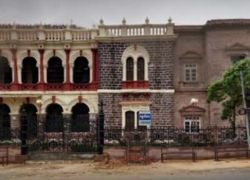
Kutch Museum is a well-known travel destination in the Indian state of Gujarat. It stands near Bhuj near Hamirsar Lake. It was built during the reign of King Khengarji III as a part of School of Arts in 1877. After the marriage of Khengarji III in 1884, a new building (present-day museum) was built. The foundation of the building was laid by the then Governor of Bombay (now Mumbai) Sir James Fergusson. Thus, Kutch Museum was also known by the name of Fergusson Museum. It Is Known For:- 1) Kutch Museum is a fine example of the opulent life led by King Khengarji III. 2) It was built in the Italian Gothic style of architecture. The architect of the museum was Mc Lelland. 3) This museum was built for storing the gifts and other presents that were received by the king on his wedding. 4) Apart from the gifts, this museum is an abode of the Kshatrapa inscriptions dating between 1st century-3rd centuries. 5) There are total 11 sections in the museum where the seals from the Indus Valley, engraved stone tablets, musical instruments like Nagfani, Morchang, and others are displayed. 6) The other sections houses the ancient artifacts, tribal crafts, embroidered clothes, ammunition, and taxidermy animals that were hunted by King Khengarji III. 7) The ground floor of the museum showcases Airavat carved out of wood. Its white body is painted with different floral patterns and attracts visitors on a huge scale. Best Time To Visit:- Kutch Museum is visited on a huge scale by umpteen visitors from nearby and far off places. It is visited on a huge scale throughout the year. The entry to the museum is paid for all visitors. Watch Out! When you’re in the museum, you’re not allowed to click the pictures of the certain exhibits. Rest of the ancient exhibits can be captured through the lens of the camera. Reaching There:- Bhuj is well-connected to the rest of Gujarat via all major highways, airways, and railways. Such connectivity makes it easier for the visitors to reach the site from anywhere in Gujarat. Commuting within the township can be done via local transit that is available. Nearest Railway Station:- Bhuj Railway Station Nearest Airport:- Bhuj Airport
Explore More
Lakhota Museum doesn’t need to stand on a platform for its introduction. It is a well-known travel destination in Gujarat that was built during the times of Jam Ranmalji, the king of the then times. It was initially built for the protection of the soldiers and local people from the attack of the enemy. After some time, it was transformed into a museum where different belongings and other artifacts are displayed. Why Is It Famous? Lakhota Museum is a fantastic place that was initially a palace. It is located in the center of a lake and is admired because of its architecture. At present, this museum is the best place to gather the knowledge about the different sculptures and artifacts that date between 9th-18th centuries. It has galleries where the artifacts like the sword, musket, shield, flask etc. can be seen. A huge skeleton of the whale is also displayed that is said to be the prominent highlight of the place. Within the museum premises, there is a place named Darbargadh and it is the residence of Jam Sahib. Some personal belongings of the king are still preserved there. Best Time To Visit:- Lakhota Museum is a must-see place, especially for the ones that have a special taste in history. This museum is visited by the visitors on a huge scale throughout the year. Even the historians from the foreign countries like the United States and European Union throng to Jamnagar and gather the knowledge about the history of Lakhota Museum and Palace. Watch Out! When you’re inside Lakhota Museum, you are not allowed to click the pictures without a written permission. If you’re caught clicking the pictures without a written permission, be ready to pay a heavy fine. Reaching There:- Jamnagar city is well-connected to the major roads, railways, and airways. With such connectivity, reaching the city via express trains, state-run buses, and flights has become even convenient. Traveling within Jamnagar is usually done by local buses, taxis, and autos. Nearest Railway Station:- Jamnagar Railway Station Nearest Airport:- Govardhanpur Airport
Explore More
Girnar Hills doesn’t require any formal introduction. It is the highest point in Junagadh district of Gujarat. Its geology says that it comprises the igneous rocks and is older than the mighty Himalayas. Girnar Hills has a height of 3,666 feet and hold a sacred significance among the followers of Jainism and Hinduism. It is visited on a huge scale by numerous devotees as well as adventure lovers. It Is Known For:- 1) Girnar Hills are known for their religious importance. In Jainism, these hills are the place where Shri Neminath, the 22nd Tirthankara, attained salvation. According to the Hindus, Lord Dattatreya resided in the sacred Girnar Hills for a certain period of time. 2) There is a Jain Temple located on this hill that enshrines Lord Neminath. 3) A further trek on the other side of the hills leads to a Hindu temple dedicated to Lord Shiva. It is often visited by the devotees, especially on Mondays and on the sacred occasion of Maha Shivaratri. 4) Girnar Festival and Maha Shivaratri are prominent festivals that are celebrated here. Best Time To Visit:- Girnar Hills welcome the visitors throughout the year. A sizable number of the adventure lovers, as well as devotees, throng to Girnar Hills. October-March is the best season for embarking a journey to Girnar Hills. Watch Out! Do not forget to be the part of the intriguing celebrations of Girnar Festival and Maha Shivaratri. Hundreds of pilgrims gather at this place in the celebration the festivals. Moreover, spreading litter on this holy hill is an offense and should be avoided. Reaching There:- Junagadh is well-connected via roadways, railways, and airways. Such connectivity makes it convenient for the visitors to reach the site from different parts of Gujarat. The state-run buses, express trains, and flights are regarded as the best option for visiting Junagadh. Traveling within the city can be done easily via local transit. Nearest Railway Station:- Junagadh Junction Nearest Airport:- Keshogad Airport
Explore More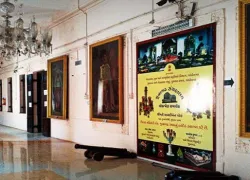
Darbar Hall Museum is a well-known travel attraction that stands in the city of Junagadh. It is one of the must-see destinations in Junagadh and is flocked by a number of visitors. The entire museum is set up in the royal court of an erstwhile ruler of Junagadh. This museum showcases the luxurious lifestyle led by the royal family of Junagadh. The majority of the exhibits in the museum date back to the 19th century. Why Is It Famous? Darbar Hall Museum is popular among tourists because of its authentic setup. The entire museum is set up in the court of a palace where the royals used to hold their meeting with the courtiers. There are several galleries in the museum that showcase the belongings of the king of Junagadh. The items like his footwear, the robe he wore for the last time, weaponry, armor, jewelry, his sword, and rare pictures of him with his pet dogs etc. Apart from all this, you can also witness the precious chandeliers, a diamond-studded throne of the king, and some family portraits that are well-preserved in Darbar Hall Museum. Best Time To Visit:- Darbar Hall Museum is a place that welcomes the visitors on a huge scale. There is no specific season as a casual trip can be paid to this museum during any day of the year. Without paying any fee, all guests can visit the museum and spend a good quality time. Watch Out! You are not allowed to touch any of the exhibits. All items displayed in the gallery belong to the ‘untouchable’ category and thus, it is recommended not to touch any item displayed. Moreover, the museum remains closed on all national holidays. Reaching There:- Junagadh town is well-connected to all major roads, railways, and airways that connect it with the rest of Gujarat. Such connectivity makes it convenient to reach the place conveniently. Commuting within the town can be done via local transit. Nearest Railway Station:- Junagadh Junction Nearest Airport:- Keshod Airport
Explore More
Buddhist Caves in Junagadh are among the most fascinating ancient rock-cut structures in Gujarat. These caves, carved out of solid rock, date back to around the 2nd century BCE to the 4th century CE. Located near the famous Uparkot Fort, these caves reflect the influence of Buddhist monks and their way of life during ancient times. The peaceful surroundings and historical significance make the Buddhist Caves a must-visit attraction in Junagadh. How to Reach Buddhist Caves, Junagadh The Buddhist Caves are located within or near the Uparkot Fort area in Junagadh and are easily accessible. By Air: The nearest airport is Rajkot Airport, approximately 100 km away. From there, taxis and buses are available to Junagadh. By Train: Junagadh Railway Station is about 3 km from the caves and is well connected to major cities like Ahmedabad and Rajkot. By Road: Junagadh is well connected by road. You can hire local transport like auto-rickshaws or taxis to reach Uparkot Fort, from where the caves are easily accessible. Weather The climate in Junagadh is tropical, and visitors should plan their trip accordingly. Summer (March to June): Hot, with temperatures reaching up to 40°C. Monsoon (July to September): Moderate rainfall, making the surroundings green and refreshing. Winter (November to February): The best time to visit, with pleasant temperatures between 15°C and 25°C. Timings The Buddhist Caves are generally open from 8:00 AM to 6:00 PM. It is recommended to visit during the daytime for better visibility and safety. Why Famous for Buddhist Caves, Junagadh? The Buddhist Caves are famous for their ancient rock-cut architecture and historical importance. These caves were used by Buddhist monks as living quarters and meditation halls. The simple yet effective design reflects the lifestyle of monks who followed a path of simplicity and discipline. The caves are also known for their intricate carvings, pillars, and water storage systems. Their association with early Buddhist culture and their age make them an important archaeological site in India. Entry and Visit Details Entry Fee: There is a minimal entry fee, usually around ₹10 to ₹20 for Indian visitors. Charges may vary slightly for foreign tourists. Duration of Visit: Visitors generally spend 1 to 2 hours exploring the caves and nearby areas. Facilities: Basic facilities such as pathways and signboards are available. Since it is an ancient site, modern amenities are limited. History and Architecture The Buddhist Caves of Junagadh date back to the Mauryan and post-Mauryan periods. These caves are believed to have been carved during the rule of various dynasties that supported Buddhism. The caves are rock-cut, meaning they were carved directly into the stone hills. They include multiple chambers, halls, and cells that were used for meditation and residence by monks. The architecture is simple yet functional, designed to support a peaceful and isolated lifestyle. One of the most remarkable features of these caves is the presence of pillared halls, beautifully carved doorways, and water tanks. The caves also showcase early forms of Buddhist architectural design, including chaityas (prayer halls) and viharas (monasteries). The design reflects excellent engineering skills, especially in terms of ventilation and water management. The caves were built in such a way that they remained cool during hot weather, providing comfort to the monks. Things to Do at Buddhist Caves, Junagadh Visitors can enjoy several activities at the site: Explore the Caves: Walk through the chambers and observe the ancient carvings. Learn History: Understand the significance of Buddhism and its influence in the region. Photography: Capture the unique rock-cut architecture and surroundings. Visit Nearby Attractions: Combine your visit with Uparkot Fort, Ashokan Edicts, and Girnar Hills. Peaceful Experience: Enjoy the calm and quiet atmosphere ideal for reflection. Facts and Tips About Buddhist Caves, Junagadh The caves are over 2000 years old and represent early Buddhist architecture in India. They were used as monasteries and meditation centers by Buddhist monks. The caves include water tanks that show advanced planning for ancient times. Wear comfortable shoes, as you may need to walk and climb uneven surfaces. Carry water and essentials, especially during summer months. Visit during morning or evening hours for a more comfortable experience. Respect the historical site and avoid damaging any structures. Conclusion Buddhist Caves in Junagadh are a remarkable example of ancient Indian craftsmanship and spiritual heritage. These caves offer a glimpse into the life of Buddhist monks and the architectural skills of ancient times. Whether you are a history enthusiast, a spiritual seeker, or a traveler exploring Gujarat, the Buddhist Caves provide a unique and enriching experience.
Explore More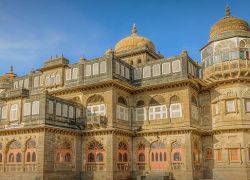
Ranjit Vilas Palace is one of the most magnificent royal residences located in Bhuj, Gujarat. Nestled amidst lush greenery and scenic surroundings, this palace is a fine example of regal architecture and royal heritage. Though not as frequently visited as other monuments in Bhuj, Ranjit Vilas Palace holds immense historical and cultural importance and offers a glimpse into the luxurious lifestyle of the Kutch royal family. How to Reach Ranjit Vilas Palace, Bhuj Reaching Ranjit Vilas Palace is convenient as Bhuj is well connected by different modes of transport. By Air: The nearest airport is Bhuj Airport (BHU), located about 6–8 km from the palace. Regular flights connect Bhuj with cities like Mumbai and Ahmedabad. By Train: Bhuj Railway Station is well-connected with major cities in Gujarat and India. From the station, you can hire a taxi or auto-rickshaw to reach the palace. By Road: Bhuj has a strong road network with cities like Ahmedabad, Rajkot, and Gandhinagar. Private taxis, buses, and self-drive options are easily available. Weather Bhuj experiences a semi-arid climate, so planning your visit according to the season is important. Summer (March to June): Very hot with temperatures reaching up to 42°C. Not ideal for sightseeing. Monsoon (July to September): Moderate rainfall with slightly cooler temperatures. Winter (November to February): Pleasant and best time to visit, with temperatures between 12°C and 25°C. Timings Ranjit Vilas Palace is a private property and is not regularly open to the general public. Visits are usually allowed only with prior permission from the royal family or during special occasions, heritage tours, or film shootings. It is advisable to check locally or through tourism authorities before planning a visit. Why Famous for Ranjit Vilas Palace, Bhuj? Ranjit Vilas Palace is famous for its royal grandeur, elegant design, and peaceful surroundings. Unlike other crowded tourist spots, the palace offers a serene and exclusive experience. It is also known for its association with the royal family of Kutch and has been used as a filming location for several movies due to its majestic appearance and scenic beauty. Entry and Visit Details Entry Fee: There is no fixed public entry fee as the palace is privately owned. If entry is permitted, it may involve special permission or guided tour arrangements. Duration of Visit: If access is granted, visitors typically spend 1–2 hours exploring the palace and its surroundings. Note: Visitors should always respect the privacy and rules of the property and avoid entering without permission. History and Architecture Ranjit Vilas Palace was built during the reign of the Kutch royal family in the early 20th century. It served as a royal residence and continues to be associated with the descendants of the royal lineage. The architecture of the palace is a beautiful blend of Rajput, colonial, and European styles. The palace features grand domes, wide corridors, large windows, and intricately designed interiors. Surrounded by well-maintained gardens, the structure stands as a symbol of elegance and sophistication. The interiors of the palace are equally impressive, showcasing antique furniture, chandeliers, and decorative elements that reflect the royal lifestyle. Though not fully open to the public, glimpses of its interiors during special tours reveal its timeless charm. Things to Do at Ranjit Vilas Palace If you get the opportunity to visit the palace, here are some things you can do: Admire the royal architecture and design of the palace. Explore the beautiful gardens and enjoy the peaceful surroundings. Capture stunning photographs of the palace exterior and landscapes. Learn about the royal history of Kutch and the significance of the palace. Combine your visit with nearby attractions in Bhuj such as Prag Mahal and Aina Mahal. Facts and Tips About Ranjit Vilas Palace, Bhuj The palace is still associated with the royal family, which is why access is restricted. It is less crowded compared to other tourist attractions, making it ideal for those seeking peace and exclusivity. Many Bollywood films and photo shoots have been conducted here due to its scenic beauty. Always seek prior permission before planning a visit. Wear comfortable clothing and carry water, especially during warmer months. Respect the heritage property and follow all rules if access is granted. Conclusion Ranjit Vilas Palace in Bhuj is a hidden gem that reflects the royal heritage and architectural brilliance of Gujarat. While access may be limited, the palace remains an important part of Bhuj’s cultural landscape. For those who manage to visit, it offers a unique and memorable experience filled with history, elegance, and tranquility.
Explore More