"Explore stunning landscapes and adventure activities."
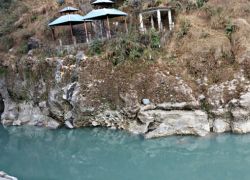
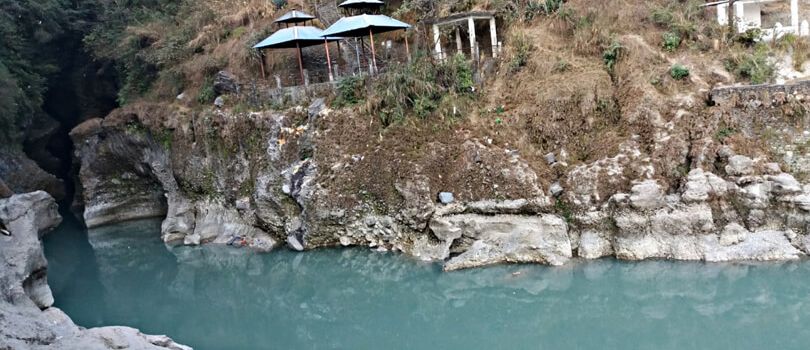
The Seti River Gorge is a natural wonder located in Pokhara, Nepal, offering an awe-inspiring view of the deep, narrow river gorge carved by the Seti River. The gorge, which stretches from the northern region of Pokhara, is one of the most remarkable geological features in the area. Seti River, which flows through the gorge, has shaped the landscape over thousands of years, creating steep cliffs and dramatic rock formations. The gorge is not only a popular destination for tourists looking to explore the beauty of nature but also a significant point for photographers, adventurers, and nature lovers who come to witness the force of the river and the surrounding lush greenery. The Seti River Gorge is located just a few kilometers from Pokhara’s Lakeside area, making it an easily accessible and striking attraction.
How to Reach Seti River Gorge, Pokhara
Seti River Gorge is easily accessible from Pokhara’s main tourist area, Lakeside, which is about 5-6 kilometers away. The easiest way to reach the gorge is by taking a taxi or renting a private vehicle. The drive takes approximately 15-20 minutes, depending on the traffic. For those interested in a more scenic approach, walking or cycling to the gorge is also a good option, though it can take a bit longer. The gorge is located near the famous Devi's Fall, so many visitors combine their trip to the gorge with a visit to this nearby waterfall. From the Lakeside area, you can also hire a guide to take you to the Seti River Gorge, ensuring you don't miss the key viewing spots and local attractions. Once you arrive, you’ll find various viewpoints that offer spectacular views of the river and the gorge.
Weather at Seti River Gorge, Pokhara
The weather around the Seti River Gorge is typically moderate and pleasant throughout the year, with Pokhara’s tropical climate prevailing. The best time to visit the gorge is during the spring (March to May) and autumn (September to November), when the weather is sunny, clear, and dry. During this time, the temperatures range from 15°C to 25°C, providing ideal conditions for outdoor exploration. The summer months (June to August) bring the monsoon season, which can cause heavy rainfall and muddy paths, making it less suitable for hiking or visiting the gorge. Winter (December to February) brings cooler temperatures, especially in the early mornings and evenings, with temperatures dropping to around 5°C to 10°C. The gorge is still accessible during the winter months, though visitors should be prepared for chilly mornings.
Timing to Visit Seti River Gorge
Seti River Gorge is open to visitors all year round. However, the best time to visit is in the early morning or late afternoon. The early morning offers cooler temperatures and a peaceful atmosphere, while the late afternoon provides visitors with the opportunity to witness the gorge in the golden light of sunset. The midday sun can get quite hot, and the gorge is often more crowded during these hours. If you're planning to visit during the monsoon season (June to August), it's best to visit after the rain has stopped, as the trails leading to the gorge can get slippery. The views from the viewpoints are most spectacular when the weather is clear, so it’s advisable to visit during the dry months for the best experience.
Why is Seti River Gorge Famous?
Seti River Gorge is famous for its dramatic landscape and geological significance. The gorge is carved by the Seti River, which has been flowing through the region for thousands of years, gradually cutting through the rocks and creating steep cliffs and sharp turns. The river's powerful flow has created a deep and narrow gorge, making it one of the most striking natural features in Pokhara. The Seti River Gorge is also known for its beautiful turquoise-colored water, which contrasts vividly with the surrounding greenery. Tourists visit the gorge for its unique scenery, the opportunity to take photos of the stunning views, and the experience of being surrounded by nature in its rawest form. The gorge’s proximity to other major attractions like Devi's Fall and Gupteshwor Cave makes it an integral part of the Pokhara sightseeing circuit.
Entry and Visit Details
There is no formal entry fee to visit Seti River Gorge, but visitors are encouraged to make small donations to the local community or purchase souvenirs from nearby shops and cafes. The best way to experience the gorge is by walking along the designated viewing points and following the path along the river. The main viewpoint is located just a short walk from the main road, offering visitors panoramic views of the gorge and the river below. It’s advisable to wear comfortable shoes as the area can be slippery in places, especially during the rainy season. Visitors should also take precautions around the river, as the water can be fast-flowing and dangerous. There are no extensive facilities or services at the gorge, so it’s recommended to bring water, snacks, and sunscreen for the trip.
History and Architecture of Seti River Gorge
The Seti River Gorge is a product of natural erosion, formed by the Seti River over millions of years. The river, which originates from the Himalayas, has carved out this spectacular gorge as it flows through the Pokhara Valley. While there are no man-made architectural structures within the gorge, the surrounding area features several natural rock formations, cliffs, and lush vegetation that enhance the beauty of the landscape. The gorge is an example of the geological processes that shape the landscape of the region, and it continues to evolve as the river gradually shapes the rock and soil beneath it. The area is also home to local wildlife and flora, contributing to the overall biodiversity of the region.
Things to Do at Seti River Gorge, Pokhara
When visiting Seti River Gorge, there are several things you can do:
Facts and Tips About Seti River Gorge, Pokhara

Pokhara
Pokhara
Pokhara
Pokhara
Pokhara
Pokhara
Pokhara

Pokhara