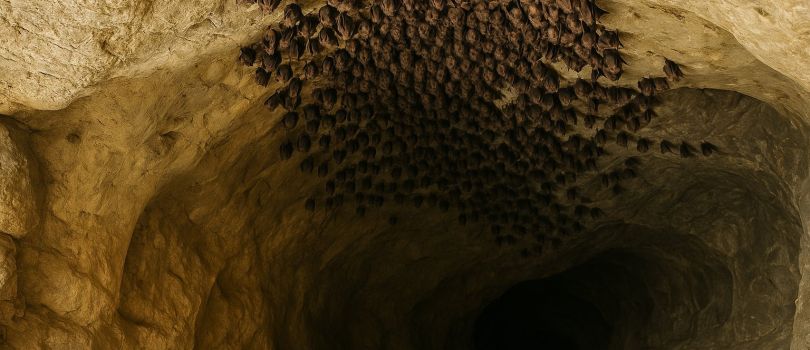
"Discover unique wildlife in stunning limestone formations."
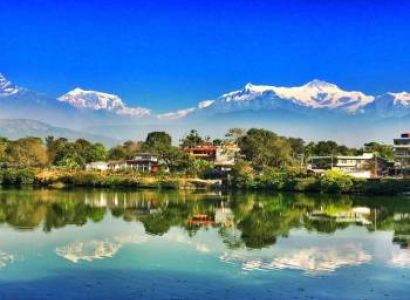
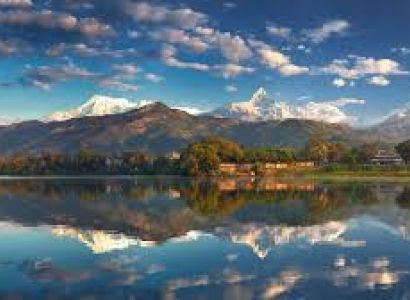
Bat Cave, or locally known as "Chameri Gufa," is a fascinating natural wonder located in Pokhara, Nepal. Situated in the village of Bhumdi, just a short drive from the city center, the cave is famous for its large population of bats that reside within its dark, damp walls. The Bat Cave is one of the many unique tourist attractions in Pokhara, offering a thrilling and adventurous experience for visitors interested in exploring the underground world of these nocturnal creatures. The cave is part of the larger natural beauty of the region, providing a contrast to the serene Phewa Lake and the nearby hills, while also offering an intriguing look into the geological history of the area.
How to Reach Bat Cave, Pokhara
To reach Bat Cave from Pokhara's main Lakeside area, you can take a taxi or local vehicle to the cave’s entrance. The Bat Cave is located about 10 kilometers (6 miles) from the Lakeside, and the journey typically takes 20-30 minutes by car. Alternatively, you can take a local bus or hike from the nearby village of Bhumdi, which will take a bit longer but offers a chance to enjoy the surrounding nature. The cave is located near the famous Gupteshwor Cave and can be accessed from a well-marked trail. The path leading to the cave is not too challenging, though visitors should be prepared for a bit of uphill walking, especially if you decide to hike to the site.
Weather at Bat Cave, Pokhara
The weather in Pokhara, including at Bat Cave, is generally mild and temperate throughout the year. The best time to visit Bat Cave is during the dry season, from October to April, when the weather is pleasant, with clear skies and moderate temperatures ranging from 15°C to 25°C. The summer months (June to August) bring the monsoon season, which can cause slippery paths leading to the cave, so it's advisable to avoid visiting during this period if you want a safe and dry hike. Winter (December to February) can be a bit chilly, with temperatures dipping to around 5°C to 10°C in the early mornings and evenings, but daytime temperatures are generally mild, making it suitable for exploring the cave. The weather in the area is usually cool and fresh, especially compared to the more humid valleys in other parts of Nepal.
Timing to Visit Bat Cave
The Bat Cave is open for visits throughout the day, but the best time to explore it is in the morning or late afternoon when the weather is cool, and the cave is less crowded. Early mornings offer the chance to see the bats hanging inside the cave, as they are more active in the cooler hours before the heat of the day. The cave is usually accessible from 9:00 AM to 5:00 PM, though it’s advisable to check with local guides or your hotel for the exact hours, as timings may vary seasonally. Since the cave is a popular destination for both tourists and locals, it can get crowded during peak hours, so visiting early or later in the day ensures a more relaxed experience.
Why is Bat Cave Famous?
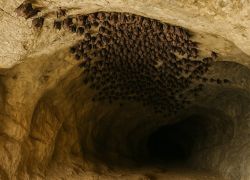
Bat Cave in Pokhara is famous for being home to a large population of bats that inhabit the cave's dark, cool chambers. The cave provides a unique opportunity to observe these fascinating creatures up close in their natural habitat. The sight of hundreds of bats flying in and out of the cave at dawn and dusk adds to the cave’s intrigue and draws visitors from around the world. In addition to the bats, the cave is famous for its geological features, including stunning rock formations, stalactites, and stalagmites that have been formed over centuries. The cave's eerie atmosphere, combined with its rich biodiversity, makes it a must-visit spot for adventure and nature enthusiasts.
Entry and Visit Details
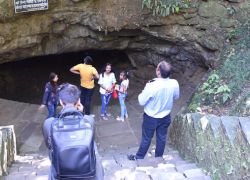
There is a small entry fee to visit Bat Cave, which helps maintain the site. The fee is typically around NPR 100 (approximately $1 USD) for foreign visitors, and lower for Nepalese citizens. The entrance to the cave is well-marked, and visitors are greeted by a local guide who will provide you with a brief overview of the cave and its history. As you enter the cave, you’ll be surrounded by a labyrinth of narrow passages and dark chambers. The cave floor is often uneven, so visitors should wear sturdy shoes and be cautious while navigating the cave. Flashlights are provided by the cave authorities, though it’s advisable to bring your own if you prefer better lighting. The cave can get slippery, so be sure to watch your step. A short, well-maintained trail leads to the entrance, making it an easy yet exciting journey for visitors.
History and Architecture of Bat Cave
Bat Cave is a natural limestone cave that has formed over thousands of years. Its architecture is not man-made but rather a result of the forces of nature, with intricate rock formations, stalactites, and stalagmites adorning the cave’s walls and ceilings. The cave has likely been home to bats for many generations, with the cool, dark environment providing an ideal living space for these creatures. While the exact age of the cave is unknown, the geological formations within it are estimated to be millions of years old. The cave is located within a region that is known for its karst limestone formations, which contribute to the impressive size and shape of the cave. The structure of the cave is simple, with a series of interconnected chambers and narrow passages, making it a fascinating place for both geological study and exploration.
Things to Do at Bat Cave, Pokhara
There are several interesting things to do when visiting Bat Cave:
Facts and Tips About Bat Cave, Pokhara

















Pokhara

Pokhara