"Visit the sacred temple of fertility in Bhutan."
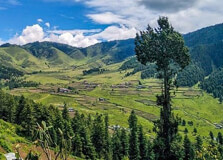
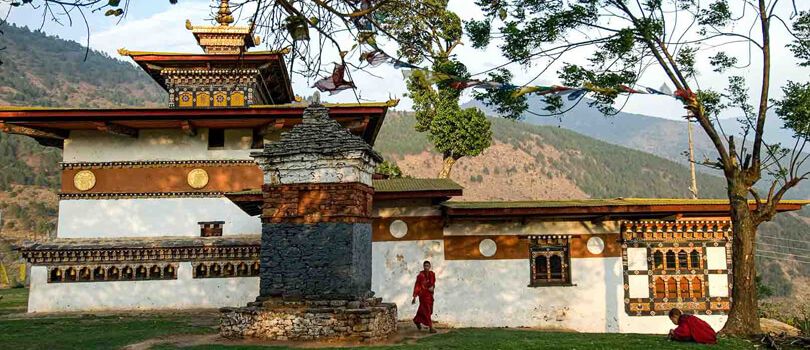
Chimi Lhakhang, also known as the Fertility Temple, is a significant religious site located in the Punakha Valley of Bhutan. This beautiful temple is dedicated to Lama Drukpa Kunley, also known as the "Divine Madman," who is a highly revered figure in Bhutanese culture. The temple is famous for its connection to fertility, and many people visit it in hopes of receiving blessings for conception and a healthy child. Set amidst rice fields and surrounded by breathtaking views, Chimi Lhakhang is not only a sacred site but also an intriguing tourist destination that offers insights into Bhutanese spirituality and culture.
How to Reach Chimi Lhakhang, Punakha
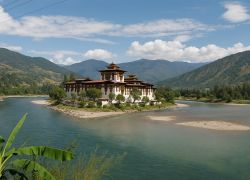
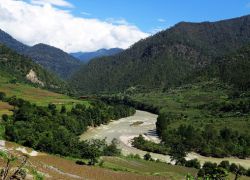
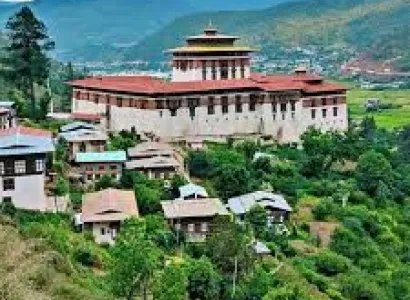
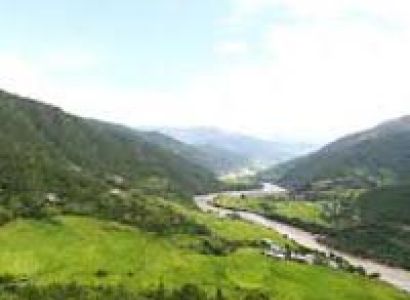
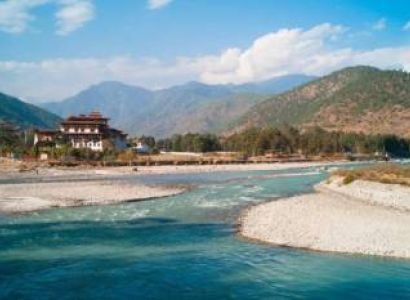
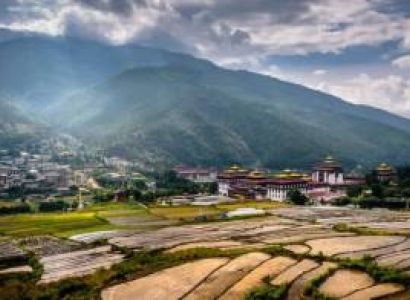
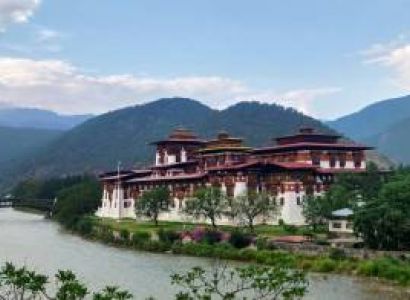
Chimi Lhakhang is located approximately 10 kilometers away from the town of Punakha, nestled in the heart of the Punakha Valley. The easiest way to reach the temple is by car from Punakha, which takes about 30 minutes. The journey offers scenic views of the valley, the Punakha Dzong, and the surrounding hills.
Weather
The weather in Punakha is generally pleasant, making it an ideal destination for tourists year-round. However, the region experiences different seasons, and each season offers a unique experience for visitors.
Timing
Chimi Lhakhang is open to visitors year-round. The temple remains open during daylight hours, usually from 9:00 AM to 5:00 PM. Visitors are welcome to explore the temple and its surroundings during these hours. However, it is best to visit in the morning or early afternoon, especially if you want to avoid crowds and enjoy the temple's tranquility.
Why Famous for Chimi Lhakhang, Punakha?
Chimi Lhakhang is famous for its unique connection to fertility. According to legend, Lama Drukpa Kunley, who founded the temple in the 15th century, was known for his unconventional methods of teaching and his ability to perform miraculous acts. One of the most well-known legends is that he used his powerful spiritual energy to bless women who were struggling with fertility issues.
Today, Chimi Lhakhang is a pilgrimage site for those seeking blessings for fertility. Visitors often bring offerings to the temple in hopes of receiving the divine blessings for having children. The temple is also famous for its colorful and humorous depictions of phalluses, a symbol of fertility and protection in Bhutanese culture.
Entry and Visit Details about Chimi Lhakhang, Punakha
The temple is open to all visitors, and entry is free. However, it is customary to make a small donation as a mark of respect and to support the maintenance of the temple. While the temple itself does not charge an entrance fee, visitors are encouraged to hire a guide to learn more about the history, significance, and the various rituals associated with the temple.
Upon visiting the temple, it is recommended to dress modestly and respectfully, as it is a sacred site. Visitors are also encouraged to walk around the temple and participate in prayers or offer their wishes for fertility. The temple grounds are peaceful, providing a quiet atmosphere for meditation and reflection.
History and Architecture of Chimi Lhakhang
Chimi Lhakhang was built in the 15th century by Lama Drukpa Kunley, a legendary figure in Bhutanese culture known for his spiritual teachings and unconventional methods. He was a spiritual teacher who attracted a large following due to his unique and playful approach to Buddhism. Lama Kunley is often depicted holding a large wooden phallus, which became a symbol of fertility and protection in Bhutan.
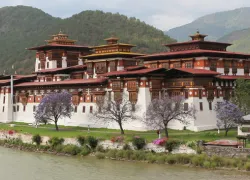
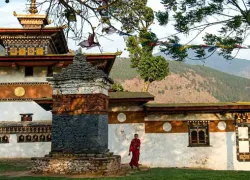
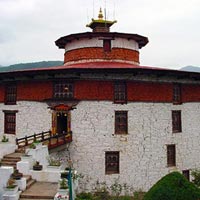
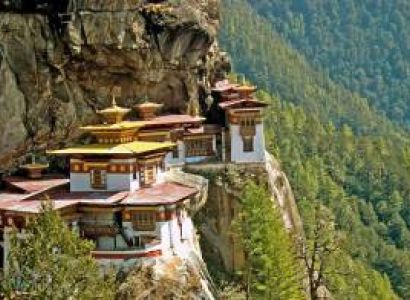
The architecture of Chimi Lhakhang reflects traditional Bhutanese designs, with a central temple building surrounded by a large courtyard. The walls of the temple are adorned with paintings and symbols depicting the life and teachings of Drukpa Kunley. The temple is located on a small hill, offering stunning views of the surrounding rice fields and mountains. The structure is relatively simple, yet it exudes a sense of serenity and spirituality.
Things to Do in and Around Chimi Lhakhang
Interesting Facts About Chimi Lhakhang
Tips for Visiting Chimi Lhakhang, Punakha









Punakha
Punakha
Punakha
Punakha