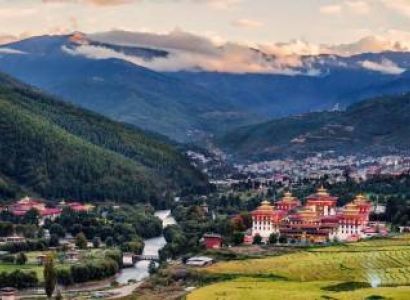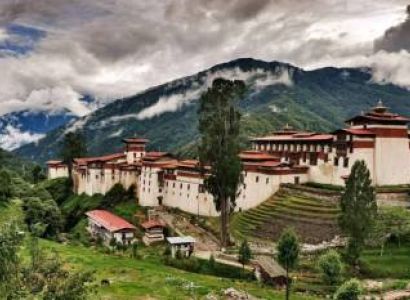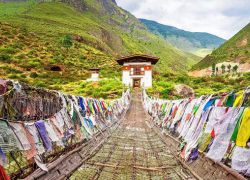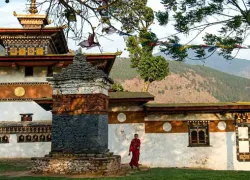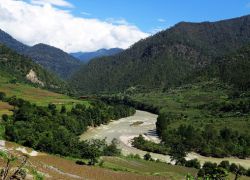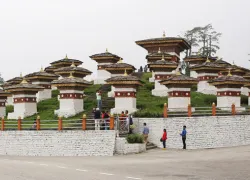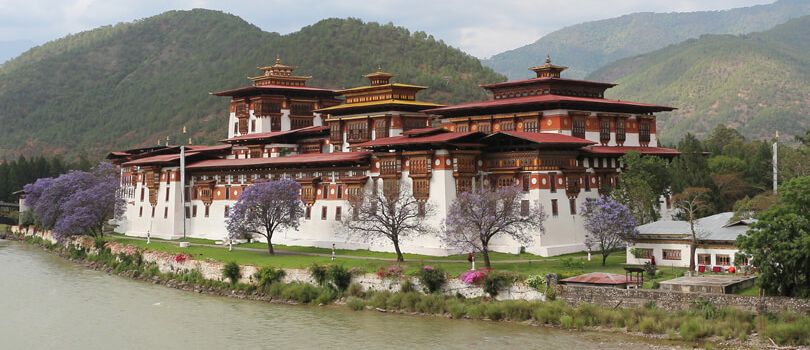
"Discover Bhutan's majestic riverside fortress."
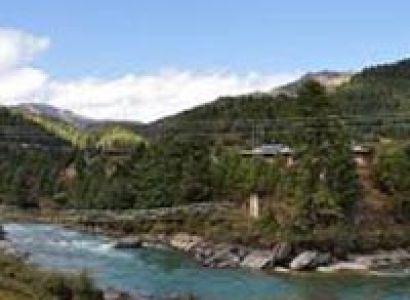
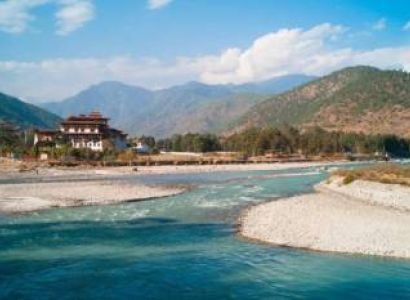
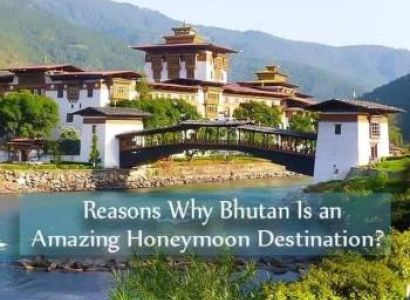
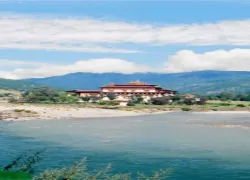
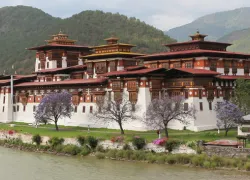
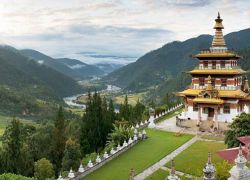
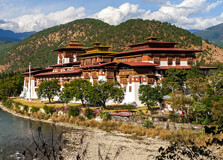
Punakha Dzong, also known as Punakha Phodrang, is one of the most majestic and historically significant fortresses in Bhutan. Located at the confluence of the Pho Chhu and Mo Chhu rivers in the Punakha Valley, this dzong is not only a symbol of Bhutanese architecture but also an important religious site. It serves as the administrative and religious center of the Punakha District, and it is the winter residence of the central monastic body of Bhutan.
Known for its stunning location, breathtaking architecture, and historical significance, Punakha Dzong is a must-visit destination for anyone traveling to Bhutan. Its grandeur, coupled with its strategic location at the meeting point of the two rivers, adds to the overall appeal of this magnificent structure.
How to Reach Punakha Dzong, Punakha Phodrang
Punakha Dzong is located in the Punakha District, about 72 kilometers from Thimphu, Bhutan's capital city. The journey to Punakha from Thimphu is a scenic drive, taking approximately 2.5 to 3 hours depending on road conditions.
Weather
The weather in Punakha varies across seasons, and each season offers a different experience at Punakha Dzong.
Timing
Punakha Dzong is open to visitors every day of the week. The best time to visit is during daylight hours when the dzong is fully accessible. The temple inside the dzong is open for prayer sessions, and visitors can explore the surrounding areas.
Typically, the dzong opens in the morning at around 9:00 AM and closes by 5:00 PM. It is recommended to visit in the morning or early afternoon to avoid crowds.
Why Famous for Punakha Dzong, Punakha Phodrang?
Punakha Dzong is famous for many reasons, most notably its breathtaking architecture, historical importance, and its role in Bhutan’s cultural and spiritual life. It is often referred to as the "Palace of Great Happiness" because of its grandeur and historical importance.
The dzong is the site where Bhutan’s first king was crowned in 1907, making it one of the most significant places in Bhutanese history. Additionally, the dzong is a perfect example of Bhutanese architecture, with its beautiful woodwork, intricate murals, and imposing structure. The location at the confluence of the Pho Chhu and Mo Chhu rivers adds to its majestic appeal.
Entry and Visit Details about Punakha Dzong, Punakha Phodrang
There is an entry fee for foreign nationals to visit Punakha Dzong. The fee varies depending on the visitor's nationality, so it's advisable to check for the most current rates before visiting.
Visitors are allowed to enter the dzong grounds, explore the courtyards, and view the temples. However, certain areas within the dzong, including some of the monastic rooms, may be restricted for public access. It’s recommended to take a guided tour to learn about the history and significance of various parts of the dzong.
History and Architecture of Punakha Dzong
Built in 1637 by Zhabdrung Ngawang Namgyal, Punakha Dzong was strategically positioned at the confluence of the Pho and Mo rivers to protect the region from invading forces. It served as the religious and administrative center of Bhutan until the construction of the Thimphu Dzong.
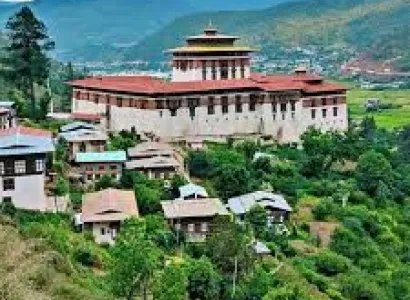
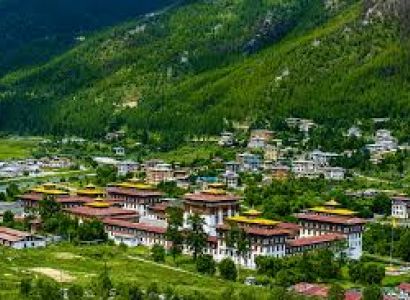
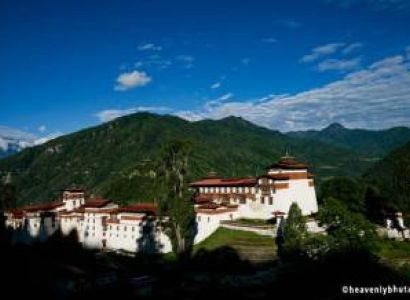
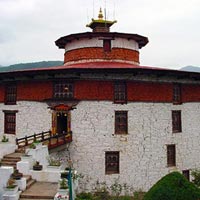
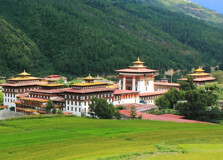
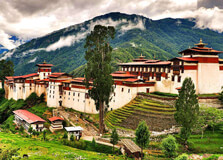
The architecture of Punakha Dzong is a stunning example of traditional Bhutanese design. It features massive walls, intricately carved woodwork, large courtyards, and golden rooftops. The dzong is built in the traditional style with a combination of wood, stone, and mud, and its imposing structure serves as both a fortress and a religious site. The murals inside the dzong are exquisite and depict various Buddhist themes.
Things to Do in Punakha Dzong
Interesting Facts about Punakha Dzong
Tips for Visiting Punakha Dzong