"A symbol of harmony and tranquility in Japan"
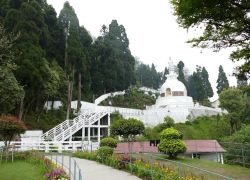
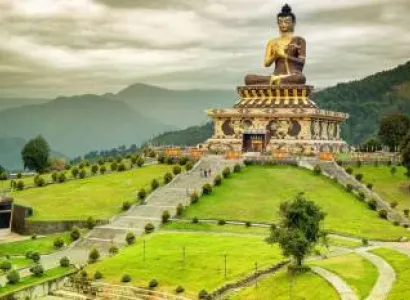
The Japanese Peace Pagoda is one of the most serene and spiritually uplifting attractions located in Darjeeling, West Bengal. Situated on the slopes of the Jalapahar Hill, this beautiful white stupa symbolizes peace, unity, and harmony among people of all religions. It is part of the global Peace Pagoda movement initiated by Japanese Buddhist monks to promote world peace.
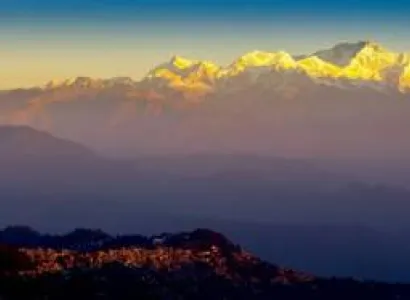
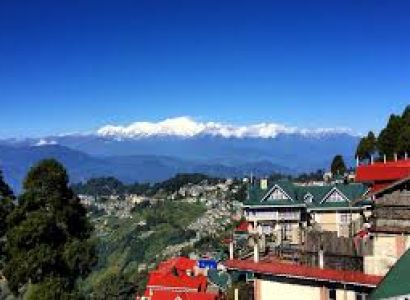
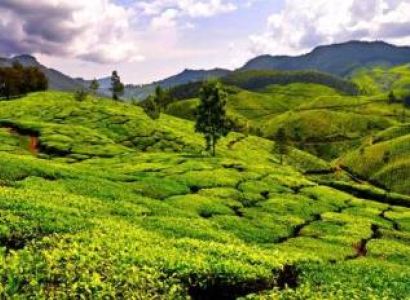
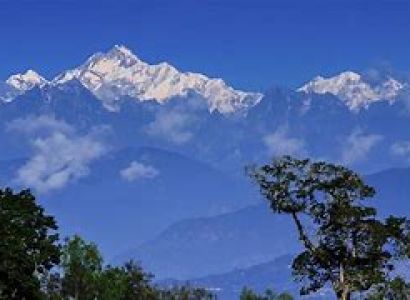
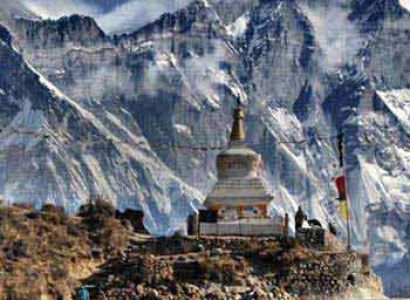
Surrounded by lush greenery and offering panoramic views of the Himalayan range, including the majestic Kanchenjunga, the Peace Pagoda is a must-visit destination for travelers seeking tranquility, spirituality, and natural beauty.
Why Japanese Peace Pagoda is Famous?
The Japanese Peace Pagoda in Darjeeling is famous for its peaceful atmosphere, stunning architecture, and spiritual significance. It is one of the few Peace Pagodas in India built under the guidance of Japanese Buddhist monks.
It is also known for its breathtaking views of snow-capped Himalayan peaks, especially during sunrise and sunset. The peaceful chants and serene surroundings make it a perfect place for meditation and relaxation.
Another reason for its popularity is its message of global peace and non-violence, which attracts visitors from different cultures and religions.
History of Japanese Peace Pagoda
The Japanese Peace Pagoda in Darjeeling was built in 1972 under the guidance of Nichidatsu Fujii, a Japanese Buddhist monk and founder of the Nipponzan Myohoji sect. He dedicated his life to promoting peace and non-violence after witnessing the horrors of World War II.
The pagoda was constructed as part of his global mission to build Peace Pagodas across the world. It was officially inaugurated in 1992 and has since become a symbol of harmony and friendship between India and Japan.
The site is maintained by Buddhist monks and serves as a center for prayer, meditation, and cultural exchange.
Architecture of Japanese Peace Pagoda
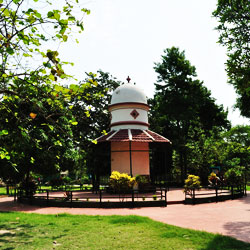
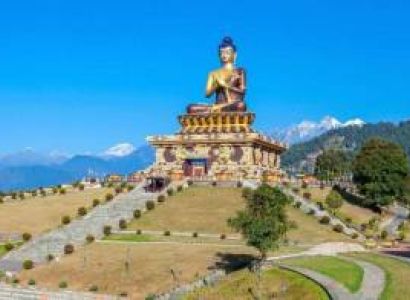
The architecture of the Japanese Peace Pagoda follows traditional Buddhist stupa design. It is a large white structure with a golden Buddha statue placed in four different postures representing important stages of Buddha’s life.
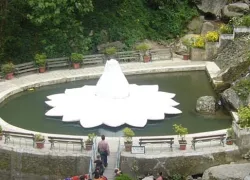
The structure is simple yet elegant, symbolizing purity and peace. The dome-shaped stupa is surrounded by prayer wheels, pathways, and a serene courtyard.
The pagoda is built using Japanese architectural principles combined with local materials, making it a unique cultural blend of India and Japan.
How to Reach Japanese Peace Pagoda
The Japanese Peace Pagoda is located about 10 km from Darjeeling town center.
By Air: The nearest airport is Bagdogra Airport, located around 70 km away. From there, taxis and shared cabs are available to Darjeeling.
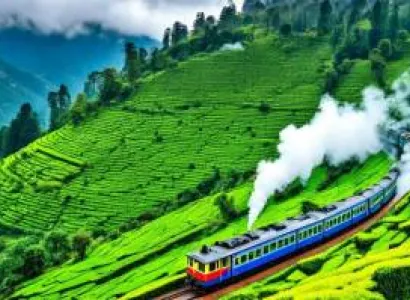
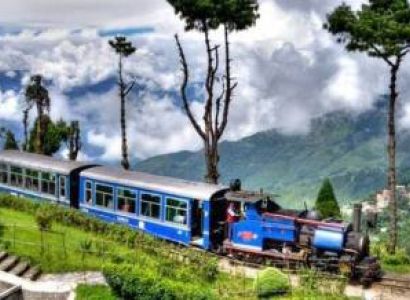
By Train: The nearest major railway station is New Jalpaiguri (NJP), approximately 75 km away. Toy train services and taxis are available from NJP to Darjeeling.
By Road: Darjeeling is well connected to Siliguri and nearby towns. Visitors can reach the pagoda by taxi or walking from nearby points in the city.
A short uphill walk or local transport is required from Gandhi Road or Jalapahar area to reach the pagoda.
Weather at Japanese Peace Pagoda
Darjeeling has a cool and pleasant climate throughout the year, making it suitable for visiting the Peace Pagoda in all seasons.
Best Time to Visit: March to June and September to November are ideal for clear views and pleasant weather.
Summer (March to June): Mild and comfortable, perfect for sightseeing.
Monsoon (July to September): Heavy rainfall enhances greenery but may cause fog and limited visibility.
Winter (October to February): Cold weather with clear skies offering stunning Himalayan views.
Timings and Entry Details
Opening Hours: The Japanese Peace Pagoda is generally open from 4:00 AM to 7:00 PM.
Entry Fee: There is no entry fee to visit the pagoda, making it accessible to all visitors.
Visitors are advised to maintain silence and respect the spiritual environment.
Things to Do at Japanese Peace Pagoda
The Peace Pagoda offers a calm and spiritually enriching experience for visitors.
Meditation: Sit quietly and meditate in the peaceful surroundings.
Photography: Capture panoramic views of Kanchenjunga and the Himalayas.
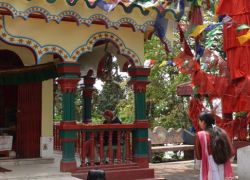
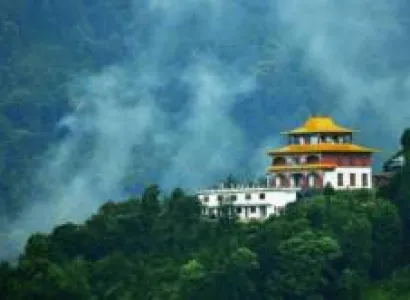
Temple Visit: Explore the Buddha statues and prayer halls.
Nature Walks: Enjoy scenic walking paths surrounded by greenery.
Sunrise and Sunset Views: Witness breathtaking Himalayan views during early morning and evening.
Facts About Japanese Peace Pagoda
• Built under Japanese Buddhist Peace Movement.
• Inaugurated in 1992 in Darjeeling.
• One of the 80 Peace Pagodas worldwide.
• Symbol of Indo-Japanese friendship.
• Offers views of Kanchenjunga peak.
Tips for Visitors
Wear comfortable walking shoes as reaching the pagoda involves a short uphill climb. Visit early morning for peaceful atmosphere and clear views. Carry a light jacket as Darjeeling weather can be cold and foggy.
Maintain silence and respect the spiritual environment. Avoid littering and follow local guidelines. Carry water and plan your visit during clear weather for best visibility.
Conclusion
The Japanese Peace Pagoda in Darjeeling, West Bengal is a beautiful symbol of peace, spirituality, and international harmony. With its serene ambiance, stunning Himalayan views, and Buddhist significance, it offers a perfect escape from the chaos of daily life. Whether you are a spiritual seeker, nature lover, or traveler, the Peace Pagoda is a must-visit destination in Darjeeling.










Darjeeling

Darjeeling
Darjeeling
Darjeeling
Darjeeling
Darjeeling

Darjeeling

Darjeeling