About Peace Pagoda, Darjeeling
History
The Peace Pagoda in Darjeeling was built under the guidance of Nichidatsu Fujii, a Japanese Buddhist monk, as a symbol of peace and harmony. It was inaugurated in 1992 by the Dalai Lama. The pagoda serves as a testament to the enduring friendship between India and Japan.Architecture and Design
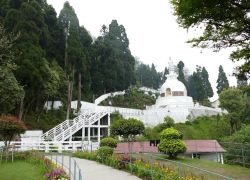
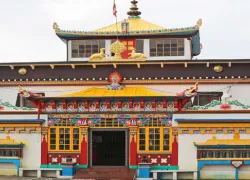
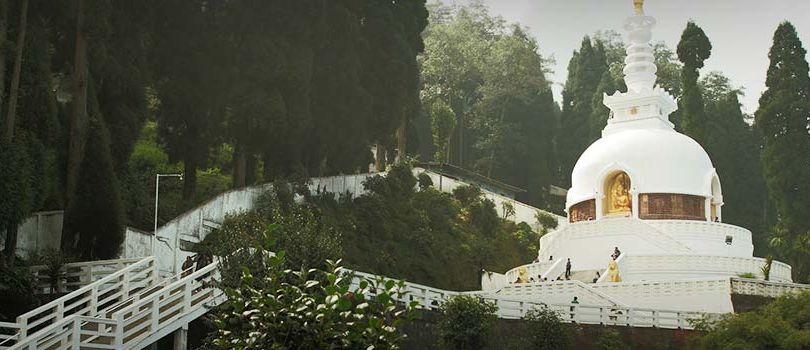
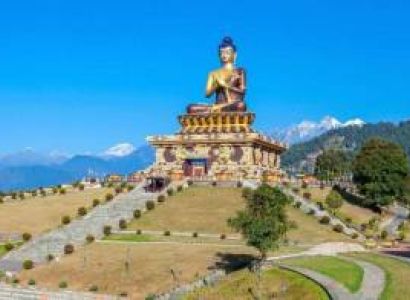
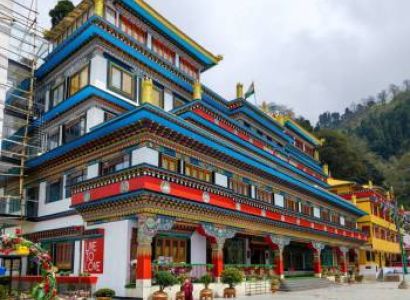
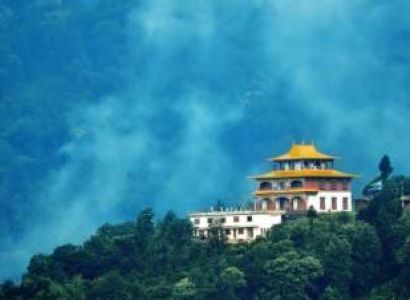
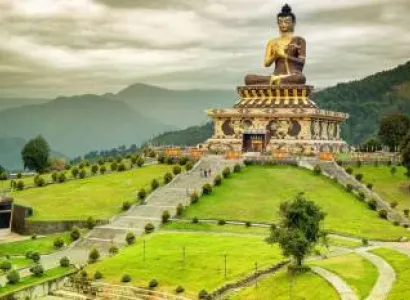
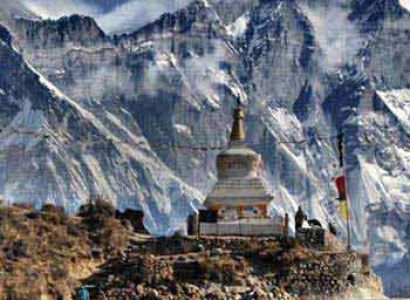
The Peace Pagoda follows traditional Japanese architectural style with its white dome and golden spire. The structure is adorned with intricate carvings and statues of Buddha, depicting various stages of his life. The pagoda stands tall amidst lush greenery, offering a serene and tranquil atmosphere to visitors.Best Time to Visit
The best time to visit the Peace Pagoda in Darjeeling is during the months of March to May and September to November when the weather is pleasant and favorable for sightseeing. Avoid visiting during the monsoon season as heavy rainfall may disrupt your plans.Cultural Significance
The Peace Pagoda is a symbol of peace, unity, and universal brotherhood. It serves as a place for people of all backgrounds to come together in prayer and meditation, promoting harmony and understanding among different cultures and communities.Pilgrimage Practices
Visitors to the Peace Pagoda can engage in traditional Buddhist practices such as offering prayers, lighting incense sticks, and spinning prayer wheels for good luck and blessings. It is important to maintain silence and respect the religious customs observed by the monks and devotees.Dress Code and Etiquette
While visiting the Peace Pagoda, it is advisable to dress modestly and conservatively out of respect for the sacredness of the place. Remove your shoes before entering the pagoda and maintain a quiet demeanor to not disturb the peaceful ambiance.Activities and Experiences
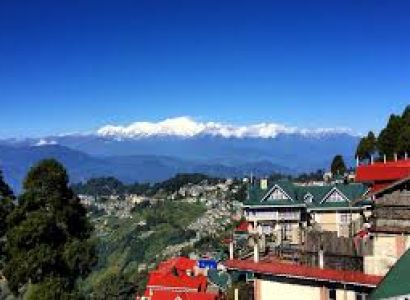
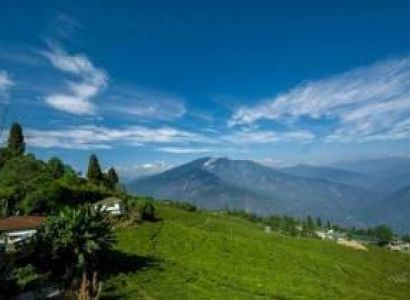
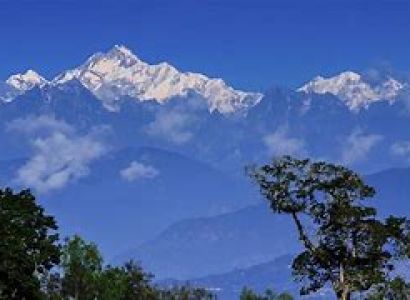
At the Peace Pagoda, visitors can participate in meditation sessions, yoga classes, and spiritual talks conducted by the resident monks. You can also enjoy panoramic views of the surrounding mountains and valleys, making it a perfect spot for photography and introspection.Art and Religious Symbols
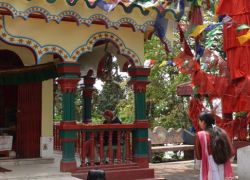
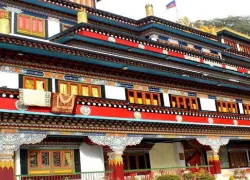
The Peace Pagoda is adorned with intricate paintings, sculptures, and religious symbols that reflect the teachings and philosophies of Buddhism. The statues of Buddha and other deities serve as objects of reverence and inspiration for those seeking spiritual enlightenment.Local Insights
The local community in Darjeeling holds the Peace Pagoda in high regard, considering it a sacred place of worship and contemplation. They actively participate in the upkeep and maintenance of the pagoda, ensuring that it remains a beacon of peace and harmony for generations to come.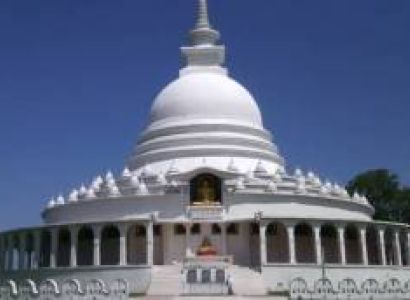








Darjeeling

Darjeeling
Darjeeling
Darjeeling
Darjeeling
Darjeeling
Darjeeling