"Explore India's heritage through captivating exhibits."
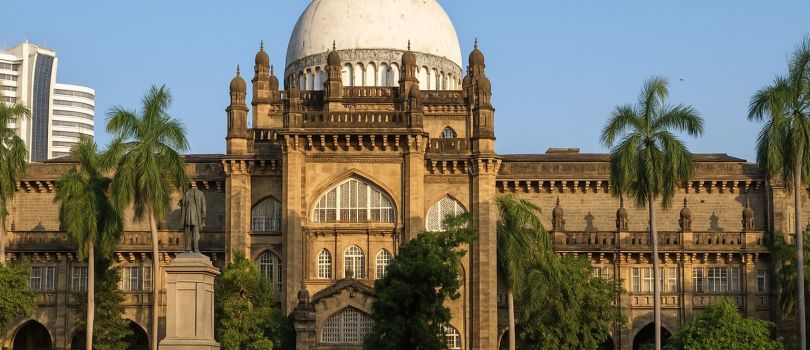
The Chhatrapati Shivaji Maharaj Vastu Sangrahalaya is one of the most prestigious and historically rich museums in India, located in the heart of Mumbai, Maharashtra. Formerly known as the Prince of Wales Museum, it stands as a symbol of India’s cultural heritage, showcasing centuries of art, archaeology, and natural history. This iconic institution attracts history lovers, students, researchers, and tourists from across the world who wish to explore India’s glorious past under one roof.
This museum is not just a building filled with artifacts; it is a journey through time that connects visitors with ancient civilizations, royal traditions, and artistic excellence. Whether you are a first-time traveler or a history enthusiast, this place offers an enriching experience that blends education with visual beauty.
Why Chhatrapati Shivaji Maharaj Vastu Sangrahalaya is Famous?
The museum is famous for its vast and diverse collection of over 70,000 artifacts. It includes ancient sculptures, decorative arts, manuscripts, coins, weapons, and rare artworks from India as well as other parts of the world. One of the key reasons for its popularity is its ability to preserve India’s cultural identity through different historical eras.
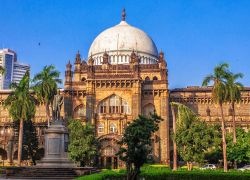
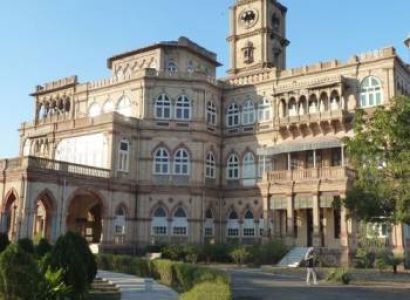
It is also known for its Indo-Saracenic architectural style, which beautifully combines Indian, Mughal, and British design elements. This makes the museum itself a historical monument worth admiring, even before stepping inside.
Visitors often come here to explore Indian history, Buddhist relics, miniature paintings, and rare European art collections. The museum plays an important role in promoting awareness about India’s heritage and archaeological importance.
History of the Museum
The foundation of the museum was laid in 1905 during the British era to commemorate the visit of the Prince of Wales. It was officially opened to the public in 1922. After India’s independence, the museum was renamed Chhatrapati Shivaji Maharaj Vastu Sangrahalaya in honor of the great Maratha warrior king Chhatrapati Shivaji Maharaj.
Over the years, the museum has evolved into one of India’s premier cultural institutions. It has expanded its collections through archaeological discoveries, donations, and acquisitions from across the globe. Today, it stands as a bridge between ancient heritage and modern education.
Architecture of the Museum
The architecture of the museum is one of its biggest attractions. Designed by George Wittet, it is a masterpiece of Indo-Saracenic architecture. The building features a large central dome, beautifully carved pillars, pointed arches, and intricate detailing that reflects both Indian and Islamic influences.
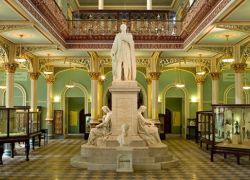
Surrounded by lush gardens and pathways, the structure gives a royal and peaceful feel. The interiors are equally impressive, with spacious galleries, wooden staircases, and well-lit exhibition halls that enhance the visitor experience.
How to Reach Chhatrapati Shivaji Maharaj Vastu Sangrahalaya
Reaching the museum is very convenient as it is located in South Mumbai, one of the most accessible parts of the city. Being in a prime location, it is well connected through multiple transport options.
By Train: The nearest railway station is Churchgate and Chhatrapati Shivaji Maharaj Terminus (CSMT). Both stations are just a few minutes away by taxi or bus.
By Road: Mumbai has a strong network of taxis, auto-rickshaws, and app-based cab services like Uber and Ola. Visitors can easily reach the museum from any part of the city.
By Air: The nearest airport is Chhatrapati Shivaji Maharaj International Airport, located around 20–25 km away. From there, taxis and metro services are available.
Weather Information
Mumbai has a tropical climate. The best time to visit the museum is from November to February when the weather is pleasant and comfortable. Summers (March to May) can be hot and humid, while the monsoon season (June to September) brings heavy rainfall, which may affect outdoor travel plans.
Timings and Entry Details
The museum generally remains open from 10:15 AM to 6:00 PM, and it is usually closed on Wednesdays or certain public holidays (timings may vary, so checking before visiting is recommended).
Entry fees differ for Indian citizens, students, and foreign tourists. There may also be additional charges for photography or guided tours inside the museum.
Things to Do at the Museum
Visitors can enjoy a wide range of activities inside the museum. You can explore ancient Indian sculptures, admire miniature paintings, and study rare manuscripts. The natural history section is especially popular among students and children.
The museum also organizes temporary exhibitions, workshops, and educational programs that provide deeper insight into art and culture. Audio guides and guided tours are available for a more detailed experience.
Facts About the Museum
• It houses artifacts from the Indus Valley Civilization.
• The museum has three main sections: Art, Archaeology, and Natural History.
• It is one of the largest museums in India.
• The building itself is a protected heritage structure.
• It was renamed after Chhatrapati Shivaji Maharaj in 1998.
Tips for Visitors
It is recommended to spend at least 2–3 hours to explore the museum properly. Wear comfortable footwear as you will need to walk through multiple galleries. Photography rules should be checked before capturing images inside. Carry water and plan your visit during morning hours to avoid crowds.
Students and researchers should take advantage of the library and reference sections for deeper study. Guided tours can significantly enhance your understanding of exhibits.
Conclusion
The Chhatrapati Shivaji Maharaj Vastu Sangrahalaya is not just a museum but a gateway to India’s rich cultural and historical legacy. Located in Mumbai, Maharashtra, it offers a fascinating experience that blends education, art, and heritage. Whether you are a tourist or a local resident, visiting this museum will give you a deeper appreciation of India’s glorious past and artistic achievements.

















Mumbai

Mumbai