"Marvel at ancient rock art and sacred shrines."
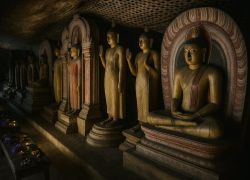
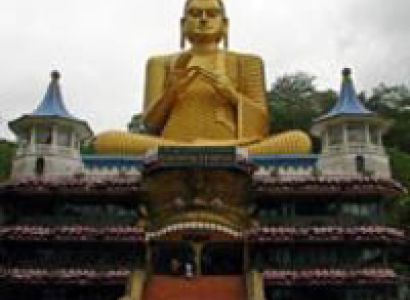
The Dambulla Cave Temple, also known as the Golden Temple of Dambulla, is a spectacular ancient Buddhist site situated in the central part of Sri Lanka. Known for its impressive cave complex and an extraordinary collection of Buddhist statues, the temple is one of the best-preserved examples of Sri Lanka's religious and architectural heritage. It has been a pilgrimage site for over 2,000 years, offering visitors a fascinating glimpse into the spiritual and artistic traditions of the island. The Dambulla Cave Temple is also a UNESCO World Heritage Site, recognized for its exceptional religious and cultural significance.
History of Dambulla Cave Temple
The origins of Dambulla Cave Temple date back to the 1st century BCE, when it was initially used as a monastery by Buddhist monks. King Valagamba (or Vattagamani Abhaya) sought refuge in the caves during a period of exile in the 1st century BCE. After regaining his throne, he transformed the caves into a grand temple complex by donating the caves and their surroundings to the Buddhist community. Over the centuries, the site expanded with new cave shrines, sculptures, and murals, making it one of the most iconic religious sites in Sri Lanka.
Throughout its history, the temple has been a center of worship and meditation, and it has remained an active pilgrimage destination. The caves are home to a vast collection of murals and sculptures depicting the life of the Buddha and various deities. The Dambulla Cave Temple represents a remarkable blend of religious devotion, artistic expression, and architectural ingenuity.
Architecture of Dambulla Cave Temple
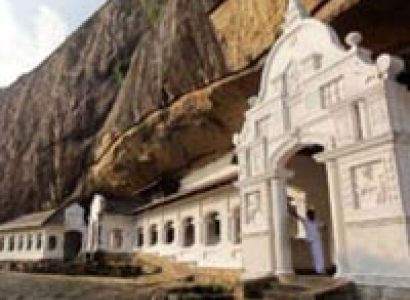
The Dambulla Cave Temple is unique not only for its history but also for its architectural design. The complex consists of five main caves, each with its own unique character and artistic offerings. The caves are carved into the rocky hillside and are spread over several levels, giving the temple a dramatic appearance against the backdrop of the surrounding landscape.
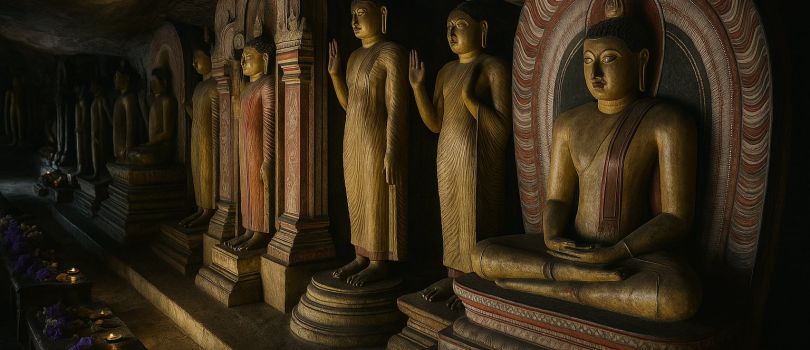
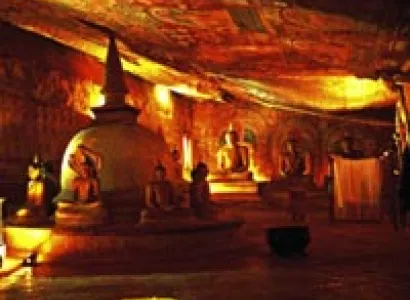
The largest cave, known as the "Maharaja Viharaya" or the "Cave of the Great Kings," contains a massive reclining Buddha statue, one of the most famous in Sri Lanka. The caves are adorned with vibrant frescoes that cover the ceilings and walls, depicting scenes from the life of the Buddha, gods, and various religious figures. Many of the paintings are more than 2,000 years old, making them some of the oldest surviving examples of Buddhist art in the world.
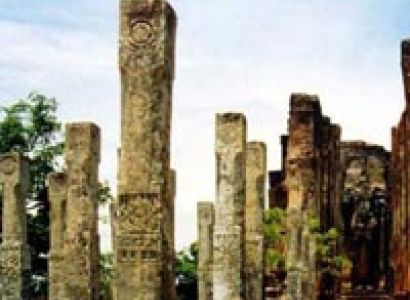
In addition to the religious statues and murals, the temple complex also features impressive architectural details, including finely crafted columns, decorative arches, and intricate carvings. The site’s design highlights the harmony between nature, art, and religion, creating a spiritual atmosphere that continues to draw visitors from around the globe.
Why Dambulla Cave Temple is Famous?
The Dambulla Cave Temple is famous for its historical, religious, and artistic significance. It is a revered Buddhist site and holds the distinction of being the largest and best-preserved cave temple complex in Sri Lanka. The temple is renowned for:
How to Reach Dambulla Cave Temple
Dambulla is conveniently located in the central region of Sri Lanka, making it accessible from various parts of the island. Here’s how to reach the Dambulla Cave Temple:
By Air: The nearest international airport is Bandaranaike International Airport in Colombo, about 150 kilometers (93 miles) away from Dambulla. From the airport, you can take a taxi or private car to Dambulla, which typically takes about 3 to 4 hours.
By Road: Dambulla is well-connected by road, and buses and private vehicles run frequently from major cities such as Colombo, Kandy, and Anuradhapura. If you are traveling from Colombo, it takes around 3 hours to reach Dambulla by car.
By Train: The nearest train station is in Habarana, about 20 kilometers away from Dambulla. From there, you can take a local bus or taxi to the temple site.
Weather at Dambulla Cave Temple
Dambulla experiences a tropical climate, with hot and humid conditions throughout most of the year. Average temperatures typically range from 27°C to 32°C (81°F to 89°F). The region has two primary seasons:
It is recommended to visit during the dry season for the most comfortable experience, especially if you plan to climb up to the cave complex.
Timing of Dambulla Cave Temple
The Dambulla Cave Temple is open to visitors every day, and its visiting hours are:
Opening Time: 7:00 AM
Closing Time: 7:00 PM
It is advisable to visit in the morning or late afternoon to avoid the midday heat. The temple is also less crowded early in the day, allowing for a more peaceful experience.
Entry and Visit Details
To visit the Dambulla Cave Temple, you will need to purchase an entry ticket. The ticket fee gives access to the temple, caves, and surrounding areas. There is a small fee for foreign visitors, while locals enjoy discounted or free entry. The entrance is marked with a large stairway that leads up to the caves. The climb involves about 150 steps, so comfortable footwear and water are recommended.
Once you reach the top, visitors are greeted with stunning views of the surrounding countryside and the temple complex. The temple is accessible to most visitors, but it’s advisable to plan for a moderate amount of walking and climbing.
Things to Do at Dambulla Cave Temple
Facts About Dambulla Cave Temple
Travel Tips for Visiting Dambulla Cave Temple
The Dambulla Cave Temple is one of Sri Lanka's most important cultural and religious landmarks. Whether you're interested in history, art, or spirituality, a visit to Dambulla promises to be an enlightening and memorable experience.

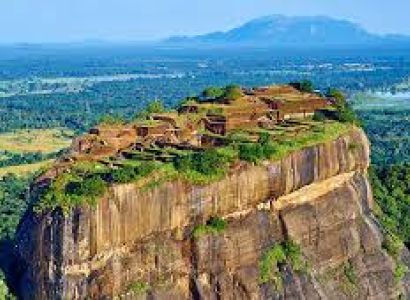


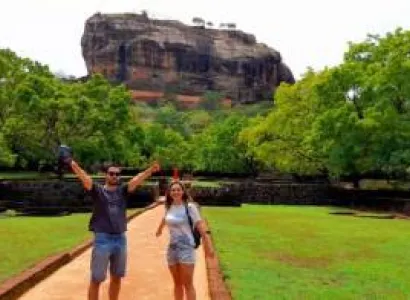
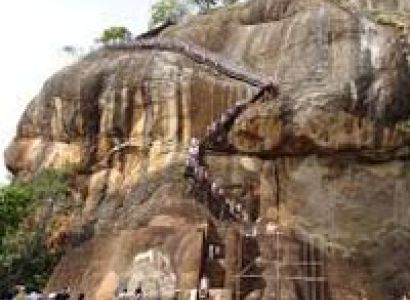

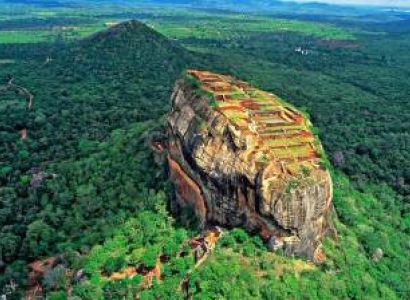
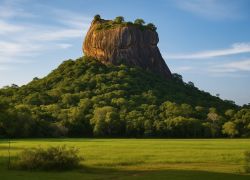
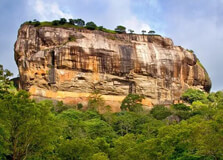
Sigiriya
Sigiriya