"Visit an architectural masterpiece in Sri Lanka's hills."
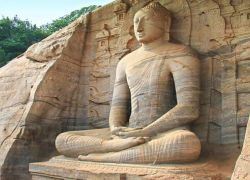
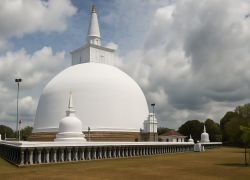
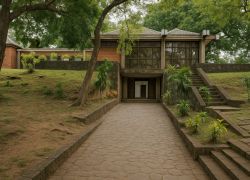
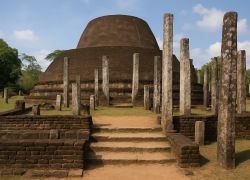
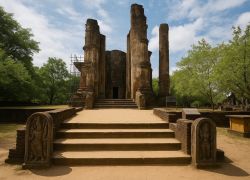
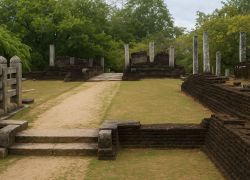
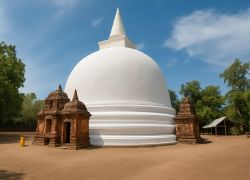
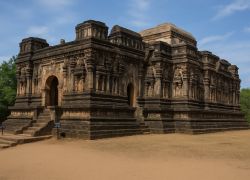
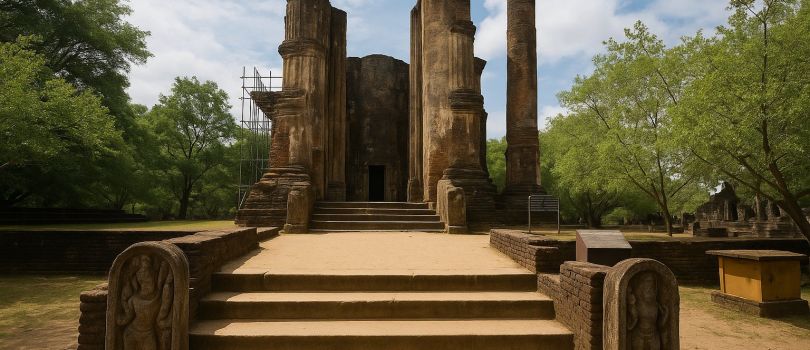
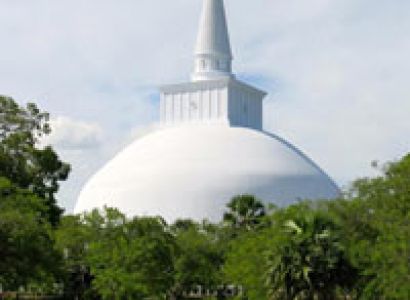
Lankatilaka Temple, one of the most significant Buddhist temples in Sri Lanka, is located in the ancient city of Polonnaruwa. Built during the reign of King Parakramabahu I in the 12th century, this temple is renowned for its striking architecture and religious significance. Lankatilaka stands as a testament to the island's rich Buddhist heritage and ancient engineering skills. Visitors to this site are treated to a unique blend of history, culture, and art, making it a must-see for anyone exploring Polonnaruwa.
History of Lankatilaka Temple
Lankatilaka Temple was constructed during the reign of King Parakramabahu I, one of the most powerful and influential kings of the Polonnaruwa period. The temple was built to honor the teachings of the Buddha and is dedicated to his spiritual guidance. It is believed that Lankatilaka was constructed on the ruins of an earlier building, with significant improvements made to the structure, reflecting the king's devotion to Buddhism and his efforts to promote religious unity.
Throughout its long history, the temple has faced various challenges, including natural disasters and invasions. Despite this, Lankatilaka remains one of the best-preserved monuments of its time, showcasing Sri Lanka's impressive architectural and cultural legacy. The temple, though somewhat weathered, still retains its historical and religious significance as an important place of worship.
Architecture of Lankatilaka Temple
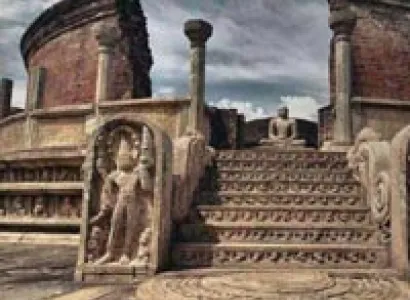
The architecture of Lankatilaka Temple is a magnificent example of ancient Sinhalese design and engineering. The temple is built in a style that combines both rock and brick construction, showcasing advanced techniques used by the ancient builders. Some of the most notable features of Lankatilaka Temple include:
Why Lankatilaka Temple is Famous?
Lankatilaka Temple is famous for several reasons, making it a unique and significant site in Sri Lanka’s Buddhist history:
How to Reach Lankatilaka Temple
Lankatilaka Temple is located in the heart of the ancient city of Polonnaruwa, which is easily accessible by various modes of transport:
By Road: Polonnaruwa is approximately 216 kilometers from Colombo, the capital of Sri Lanka, and can be reached by car or bus. The journey from Colombo to Polonnaruwa takes about 4-5 hours by road. Visitors can hire a taxi or rent a vehicle for a more convenient journey.
By Train: The nearest train station is in Habarana, around 40 kilometers from Polonnaruwa. From Habarana, visitors can take a taxi or bus to reach Lankatilaka Temple.
By Bus: There are regular buses that operate between major cities such as Colombo, Kandy, and Anuradhapura to Polonnaruwa. Buses can be a more budget-friendly option, but taxis or private transport are recommended for more comfort.
Weather at Lankatilaka Temple
Polonnaruwa has a tropical climate, with hot temperatures and occasional rainfall. The best time to visit Lankatilaka Temple is during the dry season, which lasts from December to April, when the weather is more pleasant for outdoor exploration. The rainy season runs from May to October, with occasional showers and humidity.
Best Time to Visit: The dry season (December to April) is ideal for visiting as the weather is warm but not too hot. Early morning and late afternoon visits are recommended to avoid the midday heat.
Timing of Lankatilaka Temple
Lankatilaka Temple is open to visitors daily from 7:00 AM to 5:30 PM. It is best to visit early in the morning to avoid the midday heat and the crowds. The temple is an open-air site, so visitors should be prepared for walking and climbing.
Entry and Visit Details
Entry to Lankatilaka Temple is part of the general admission to the Polonnaruwa archaeological site. Visitors are required to purchase a ticket to enter the site, which includes access to all major ruins and temples within the archaeological park.
Ticket Price: The ticket for foreign visitors typically costs USD 25-30, which covers access to the entire archaeological site, including Lankatilaka Temple and other notable landmarks.
Facilities: There are no major facilities directly within the temple itself. However, there are shops, restaurants, and accommodations in nearby Polonnaruwa town where visitors can rest and refresh themselves.
Things to Do at Lankatilaka Temple
Facts About Lankatilaka Temple
Tips for Visiting Lankatilaka Temple
Lankatilaka Temple in Polonnaruwa is a must-visit destination for anyone interested in Sri Lanka's rich Buddhist heritage and ancient architecture. With its historical significance, stunning architecture, and peaceful atmosphere, it offers a fascinating glimpse into the island's past and remains an important symbol of Sri Lankan Buddhism.




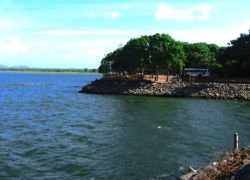
Polonnaruwa