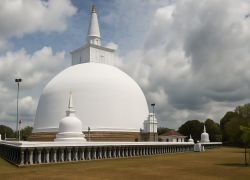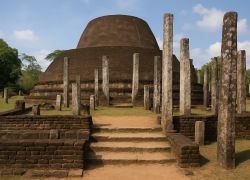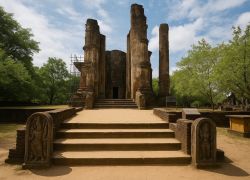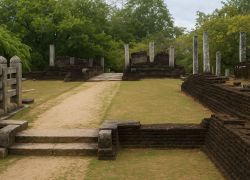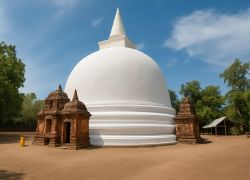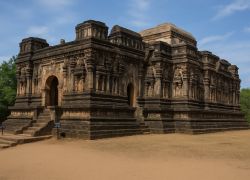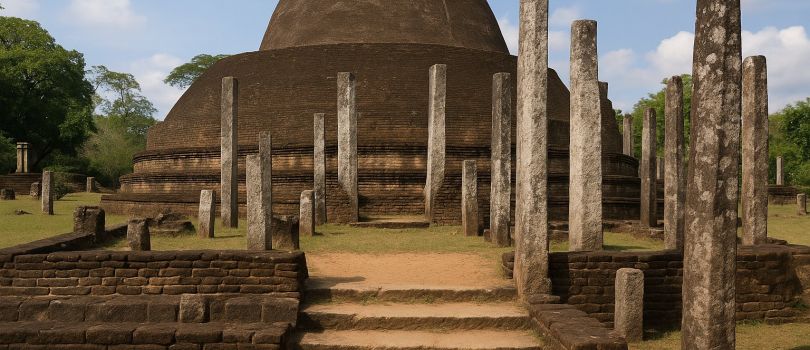
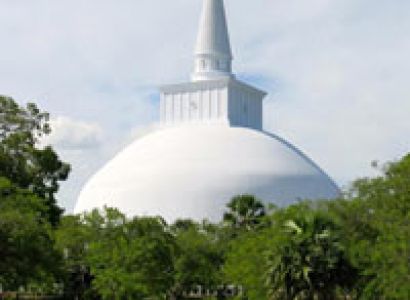
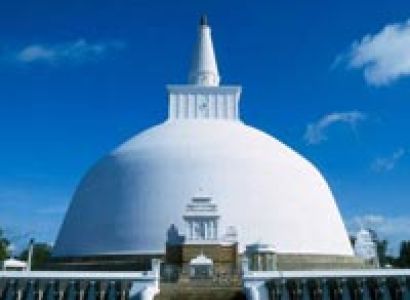
"Ancient stupa showcasing rich heritage"
Pabalu Vehera, also known as the "Peacock Temple," is one of the lesser-known but fascinating archaeological sites in Polonnaruwa, Sri Lanka. Located within the ancient city of Polonnaruwa, this temple is renowned for its serene beauty and historical significance. Built during the reign of King Parakramabahu I in the 12th century, Pabalu Vehera is an important part of Sri Lanka's rich cultural and Buddhist heritage. The temple’s unique features, combined with its relatively quiet setting, make it an excellent destination for those looking to explore the history and religious architecture of Sri Lanka.
History of Pabalu Vehera
Pabalu Vehera was constructed by King Parakramabahu I, one of Sri Lanka’s greatest kings, who reigned during the 12th century. The temple was built as part of the king’s effort to promote Buddhism and create a peaceful and unified society. The word "Pabalu" refers to "peacock" in Sinhalese, and the temple’s name likely refers to the intricate peacock motifs found throughout the temple and its surroundings.
The temple was originally built as a stupa, but over time, its architectural features have been influenced by both religious and cultural changes. It stands as a symbol of Parakramabahu’s devotion to Buddhism and his desire to build monumental religious structures throughout Sri Lanka. While not as famous as other temples in Polonnaruwa, Pabalu Vehera is nonetheless an essential part of the island's Buddhist history.
Architecture of Pabalu Vehera
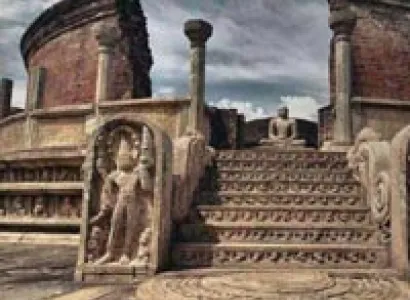
Pabalu Vehera’s architectural style is a testament to the advanced engineering and artistic capabilities of Sri Lanka during the medieval period. The temple features a large stupa surrounded by a series of smaller structures that include monastic buildings, shrines, and statues. Some of the key architectural features include:
Why Pabalu Vehera is Famous?
Pabalu Vehera is famous for several reasons, making it an interesting site for both historians and tourists. Some of the key features that make the temple stand out include:
How to Reach Pabalu Vehera
Pabalu Vehera is located in the ancient city of Polonnaruwa, which is easily accessible by road from major cities in Sri Lanka:
By Road: Polonnaruwa is located approximately 216 kilometers north-east of Colombo. It can be reached by car or bus from Colombo, Kandy, or Anuradhapura. The drive from Colombo takes about 4–5 hours. Visitors can hire taxis, rent a car, or take a bus to reach the site.
By Train: The nearest railway station is in Habarana, located about 40 kilometers from Polonnaruwa. From Habarana, visitors can take a taxi or local bus to reach the temple.
By Bus: Buses run regularly from Colombo and other major towns to Polonnaruwa. Visitors can catch a bus from the main bus stations in Colombo or Kandy and reach Polonnaruwa in about 4–5 hours.
Weather at Pabalu Vehera
The climate in Polonnaruwa is typically tropical, with hot temperatures throughout the year. The best time to visit Pabalu Vehera is during the dry season, which lasts from December to April. During this period, visitors can expect clear skies and pleasant temperatures, making it ideal for exploring the archaeological sites.
Best Time to Visit: The dry season (December to April) is the most comfortable time to visit. However, early morning or late afternoon visits are recommended to avoid the midday heat.
Timing of Pabalu Vehera
Pabalu Vehera is open for visitors every day of the week. The temple is accessible during daylight hours, from 7:00 AM to 6:00 PM. It is best to visit early in the morning to enjoy a peaceful experience before the crowds arrive.
Entry and Visit Details
There is a small entry fee to visit Pabalu Vehera, as it is part of the Polonnaruwa archaeological site. The ticket price typically includes access to other nearby temples and ruins. The site is open to both local and international visitors, with guides available for those who wish to learn more about the temple’s history and significance.
Entry Fee: The entry fee for foreign visitors is typically USD 25–30, which grants access to the main archaeological park of Polonnaruwa, including Pabalu Vehera and other historic landmarks.
Things to Do at Pabalu Vehera
Facts About Pabalu Vehera
Tips for Visiting Pabalu Vehera
Pabalu Vehera, though less crowded than some other temples in Polonnaruwa, offers a truly enriching experience for those interested in Sri Lanka's ancient Buddhist heritage. Whether you are an architecture enthusiast, a history lover, or a spiritual seeker, a visit to this serene temple is sure to leave a lasting impression.




Polonnaruwa