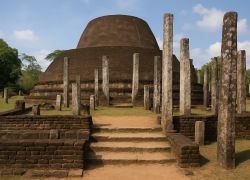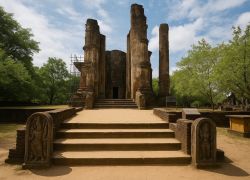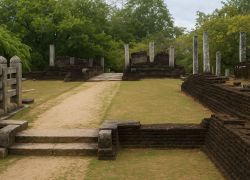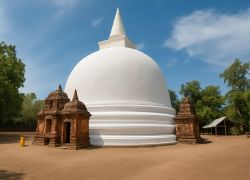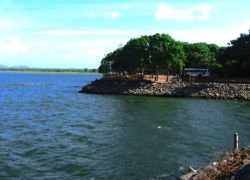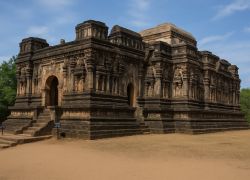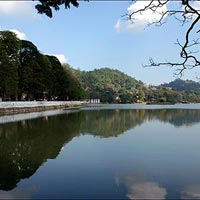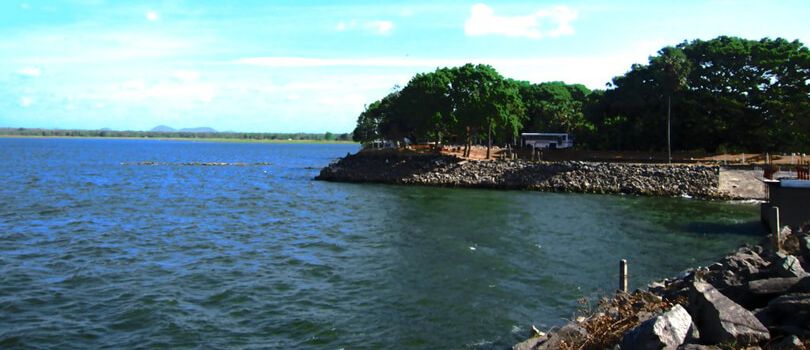
"Historic reservoir showcasing ancient engineering marvels."
Parakrama Samudra, located in the ancient city of Polonnaruwa, Sri Lanka, is an impressive reservoir and one of the most remarkable engineering feats of ancient Sri Lanka. This massive water body, constructed during the reign of King Parakramabahu I in the 12th century, reflects the advanced hydraulic engineering and the ability of the ancient Sinhalese civilization. Parakrama Samudra, which translates to "Sea of Parakrama," is a vast expanse of water that extends over 2,500 acres and is part of the grand irrigation system that helped transform Polonnaruwa into a prosperous and thriving city during the medieval period. Today, it serves not only as a historical marvel but also as a tranquil spot for visitors to relax and appreciate Sri Lanka’s heritage and natural beauty.
History of Parakrama Samudra
Parakrama Samudra was constructed by King Parakramabahu I, one of the most revered monarchs of Sri Lanka, who ruled from 1153 to 1186 AD. The king undertook massive irrigation projects during his reign, including the creation of this grand reservoir, to ensure a steady water supply for agriculture in the region. The reservoir was built using advanced hydraulic techniques and was part of a comprehensive system of canals, lakes, and reservoirs designed to boost rice production and provide water for irrigation throughout the kingdom.
The water of Parakrama Samudra was sourced from several rivers and streams, and it was engineered to flow through an intricate network of canals, which facilitated irrigation for thousands of acres of farmland. King Parakramabahu I famously declared that "not a single drop of water that falls from the sky should flow into the sea without being used by man," reflecting his commitment to ensuring the prosperity of his kingdom through effective water management.
Parakrama Samudra and the associated irrigation systems were integral to Polonnaruwa’s success as a center of agriculture, and the reservoir is still functional today, reflecting the genius of ancient Sri Lankan engineering.
Why Parakrama Samudra is Famous?
Parakrama Samudra is famous for several reasons, making it a key attraction in Polonnaruwa:
How to Reach Parakrama Samudra
Parakrama Samudra is located in the heart of Polonnaruwa, Sri Lanka’s North Central Province. It is easily accessible from various locations in Sri Lanka, and here’s how you can reach it:
By Road: Polonnaruwa is well-connected by road to major cities like Colombo, Kandy, and Anuradhapura. If you are traveling from Colombo, the drive takes about 6-7 hours (approximately 220 kilometers). From the city center of Polonnaruwa, Parakrama Samudra is easily reachable by taxi or tuk-tuk, as it is located a short distance away from the main archaeological park.
By Bus: Public buses are available from major cities like Colombo, Kandy, and Anuradhapura to Polonnaruwa. The bus station is located near the main entrance of the ancient city, and visitors can hire a tuk-tuk or walk to the reservoir.
By Train: The nearest railway station to Polonnaruwa is in Habarana, which is about 45 kilometers away. From Habarana, you can take a taxi or bus to Polonnaruwa, and then a short ride to Parakrama Samudra.
Weather at Parakrama Samudra
Polonnaruwa has a tropical climate, characterized by warm temperatures year-round. The area experiences a mix of dry and wet seasons, which affect the best times to visit Parakrama Samudra.
Best Time to Visit: The best time to visit Parakrama Samudra is during the dry season, from December to April, when the weather is clear and sunny. This is also the best time for outdoor activities, such as boat rides and photography. The monsoon season, from May to October, brings heavy rainfall, which can make outdoor exploration more difficult.
The average temperature in Polonnaruwa ranges from 25°C to 32°C (77°F to 90°F), so visitors should prepare for warm weather during their visit.
Timing of Parakrama Samudra
Parakrama Samudra is open year-round, and there are no set visiting hours for the reservoir itself. However, the surrounding archaeological park, which includes the ancient city of Polonnaruwa, typically operates within the following hours:
Opening Hours: 7:00 AM – 5:30 PM
For the best experience, it is recommended to visit early in the morning or late afternoon, when the temperature is cooler and the light is ideal for photography. The site is generally less crowded during these times as well.
Entry and Visit Details
Visiting Parakrama Samudra is free, but if you plan to visit the nearby archaeological sites within the Polonnaruwa Ancient City, you will need to purchase an entry ticket to the archaeological park. Tickets can be purchased at the main entrance of the park.
Ticket Prices: The ticket prices for foreigners are typically around USD 25-30, and they grant access to the various historical sites in Polonnaruwa, including Parakrama Samudra.
Facilities: There are no major facilities directly at Parakrama Samudra, but there are several restaurants, cafes, and souvenir shops in the city of Polonnaruwa. Visitors can also find accommodation ranging from guesthouses to luxury hotels in the area.
Things to Do at Parakrama Samudra
Facts About Parakrama Samudra
Travel Tips for Visiting Parakrama Samudra
Parakrama Samudra in Polonnaruwa is an essential stop for anyone interested in Sri Lanka's history, engineering, and natural beauty. Whether you are exploring the impressive irrigation system, relaxing by the reservoir, or admiring the surrounding landscape, it is a place that offers a peaceful and educational experience.




Polonnaruwa