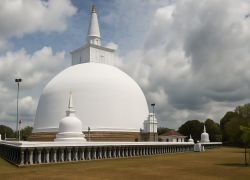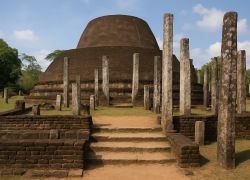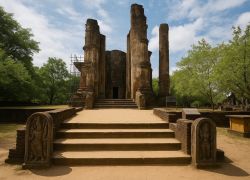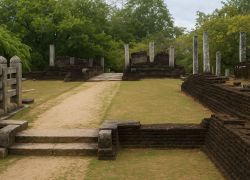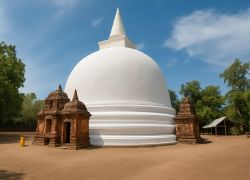
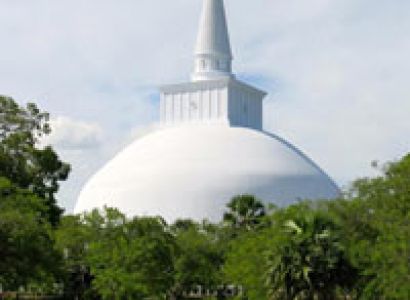
"Visit the ancient stupa of Sri Lankan Buddhism."
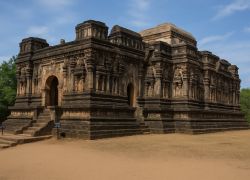
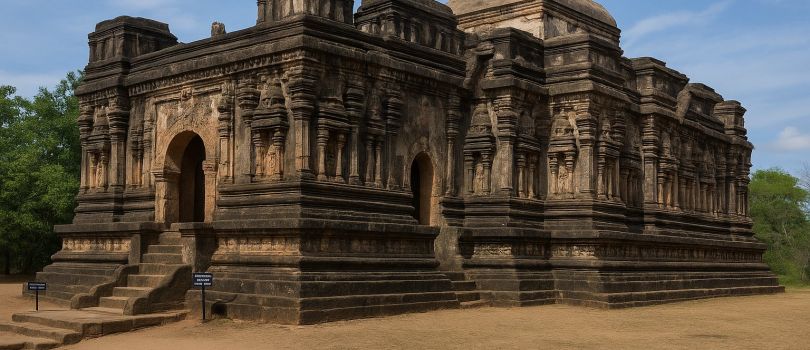
Thuparama is an ancient Buddhist site located in the historical city of Polonnaruwa, Sri Lanka. Known for its rich cultural heritage and historical significance, Thuparama is one of the most important religious monuments in the region. This site, which dates back to the 12th century, offers visitors a glimpse into the early days of Buddhism in Sri Lanka and showcases some of the country's finest ancient architecture.
How to Reach Thuparama, Polonnaruwa, Sri Lanka
Thuparama is located within the ancient city of Polonnaruwa, which is approximately 220 km northeast of Colombo, Sri Lanka's capital. To reach Polonnaruwa from Colombo, you can take a direct bus or hire a private car. The journey by car typically takes around 4 to 5 hours. If you prefer public transport, buses depart regularly from Colombo's Central Bus Stand. Alternatively, there are trains available from Colombo to Habarana, from where you can take a taxi or tuk-tuk to reach Polonnaruwa.
Weather in Polonnaruwa
Polonnaruwa experiences a tropical climate with distinct wet and dry seasons. The dry season typically runs from May to September, with temperatures ranging from 25°C to 33°C. The wet season lasts from October to January, with frequent rainfall and higher humidity. The best time to visit Thuparama and Polonnaruwa is during the dry months, between December and April, to make the most of outdoor exploration.
Timing for Visiting Thuparama
Thuparama is open to visitors throughout the year, typically from 7:00 AM to 6:00 PM. However, it is advisable to visit early in the morning or late afternoon to avoid the midday heat. The site can be quite busy, so visiting during non-peak hours will offer a more serene experience.
Why Thuparama is Famous
Thuparama is famous for being one of the earliest and most significant Buddhist monuments in Sri Lanka. It is known for its stunning architecture, including its impressive stupa, which is one of the best-preserved structures in the region. Thuparama also houses ancient relics and inscriptions that provide valuable insights into Sri Lanka's early Buddhist history. The site is an essential part of the Polonnaruwa Archaeological Site, which is a UNESCO World Heritage Site and a must-visit for anyone interested in the cultural and historical significance of Sri Lanka.
Entry and Visit Details about Thuparama, Polonnaruwa, Sri Lanka
Entry to Thuparama is included as part of the ticket to the Polonnaruwa Archaeological Site. Tickets can be purchased at the entrance to the site. The ticket price is typically around LKR 3,000 for foreign tourists, with discounts available for Sri Lankan nationals. It's worth noting that the ticket also grants access to several other important monuments in Polonnaruwa, such as the Gal Vihara and the Royal Palace. Visitors are advised to carry a bottle of water and wear comfortable shoes for exploring the site.
History and Architecture of Thuparama
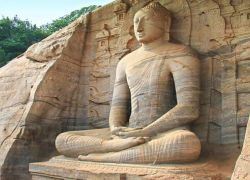
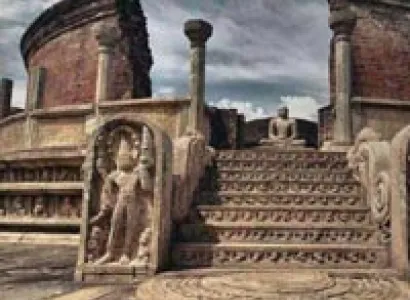
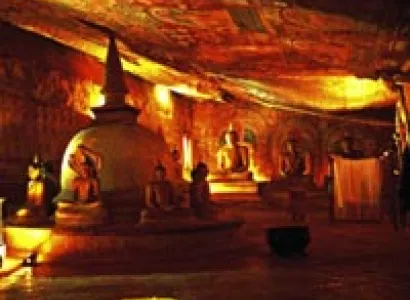
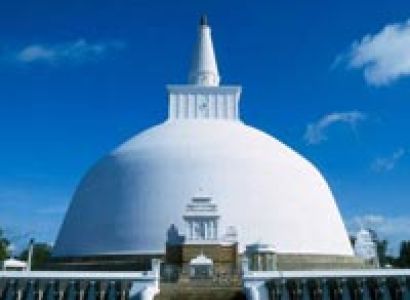
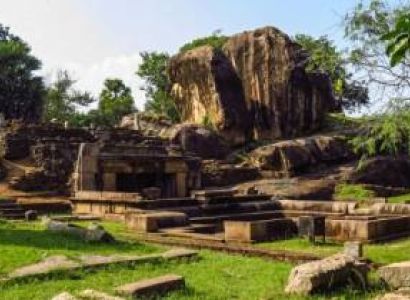
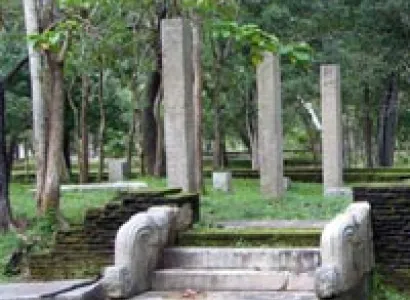
Thuparama was originally constructed in the 12th century during the reign of King Parakramabahu I. The stupa, which stands at the center of the site, is said to enshrine a sacred relic of the Buddha. The architecture of Thuparama is a fine example of the early Sinhalese style, with its large, dome-shaped stupa surrounded by a series of small stupas and intricate carvings. The site is also home to a variety of Buddha statues, each showcasing different postures and expressions that reflect the influence of early Sri Lankan art.
In addition to the stupa, there are several ancient inscriptions and relics scattered throughout the site, which provide valuable historical context and offer a deeper understanding of the site's religious and cultural importance. The architecture is a testament to the advanced engineering and artistic skills of ancient Sri Lankan craftsmen, and the site has been carefully preserved to retain its historical significance.
Things to Do at Thuparama, Polonnaruwa
When visiting Thuparama, there are several activities and experiences that can enhance your visit:
Facts and Tips about Thuparama, Polonnaruwa
Conclusion
Thuparama in Polonnaruwa is a remarkable site that offers a blend of history, culture, and spirituality. Whether you're a history enthusiast, a photography lover, or someone seeking to connect with Sri Lanka’s Buddhist heritage, Thuparama is a must-visit destination. With its fascinating architecture, rich history, and tranquil atmosphere, it provides a deeper understanding of Sri Lanka’s ancient past and Buddhist traditions. Make sure to plan your visit to Polonnaruwa and explore Thuparama to witness one of the country’s most cherished monuments.





Polonnaruwa