"Breathtaking views and diverse wildlife await."
About Shimba Hills National Reserve
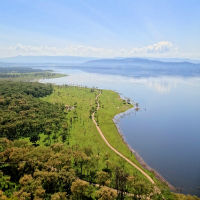
The Shimba Hills National Reserve is a stunning nature reserve located in the Kwale County near the coastal city of Mombasa, Kenya. Covering an area of approximately 250 square kilometers, the reserve is known for its lush greenery, stunning landscape, and diverse wildlife.
Location and Geographical Overview
The Shimba Hills National Reserve is situated about 33 kilometers south of Mombasa and is easily accessible by road. The reserve is characterized by rolling hills, valleys, and dense forest, making it a haven for a variety of plant and animal species.
Opening and Closing Time
The reserve is open daily from 6:00 AM to 6:00 PM, allowing visitors to explore its beauty and wildlife throughout the day.
Entry Fee
Visitors can enter the reserve by paying an entry fee of Ksh 1,000 for adults and Ksh 350 for children. There may be additional fees for guided tours or specific activities within the reserve.
Species-Flora/Fauna Availability
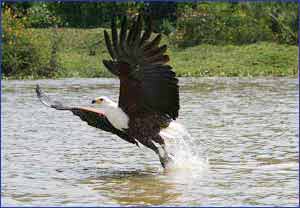
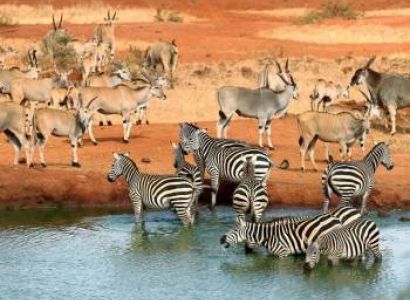
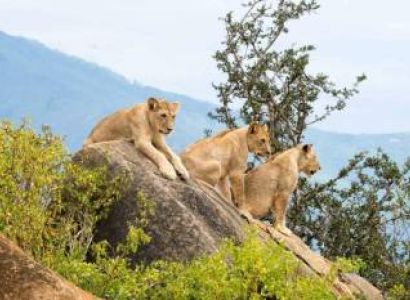
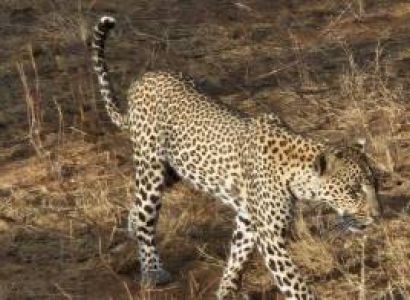
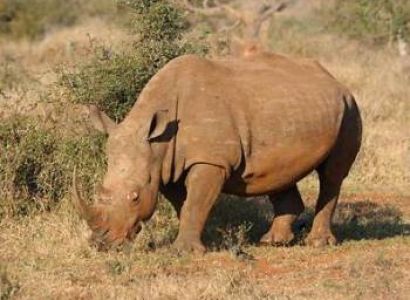
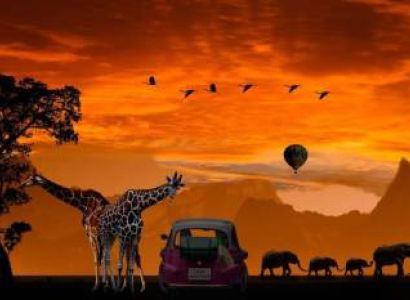
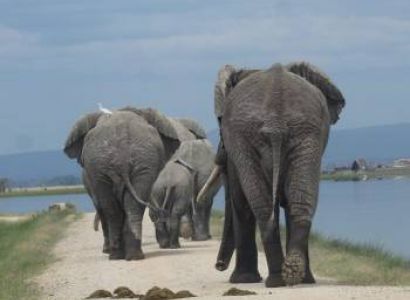
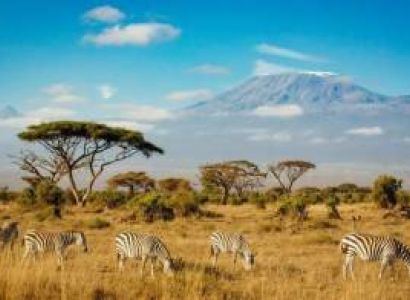
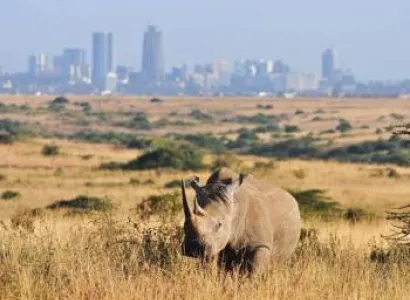
The Shimba Hills National Reserve is home to a wide variety of plant and animal species. The reserve is particularly known for its population of the endangered Sable antelope, as well as elephants, giraffes, buffalo, and a myriad of bird species. The lush forest also boasts various tree species and beautiful vegetation.
Activities Performed
Visitors to the reserve can enjoy a range of activities, including game drives, bird watching, nature walks, and guided tours. There are also picnic sites within the reserve where visitors can relax and enjoy the serene surroundings.
Jeep Safari Charges
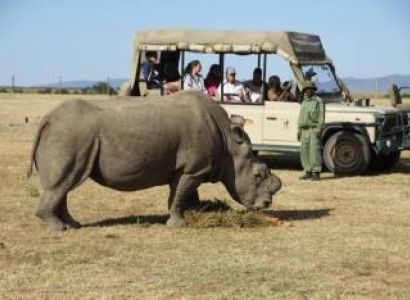
There are jeep safari options available within the reserve for those looking to explore the area in a more comfortable and convenient manner. The prices for jeep safaris may vary based on the duration and specific route chosen.
Age Criterion and Entry Fee
There is no specific age criterion for male, female, or children to enter the reserve. However, the entry fee for adults is Ksh 1,000, and children are charged Ksh 350. Senior citizens may be eligible for discounts on the entry fee.
Senior Citizen Facilities
Senior citizens visiting the reserve may be entitled to discounts on entry fees, as well as additional facilities such as special seating areas, rest stops, or guided tours tailored to their needs.
Best Time to Visit
The best time to visit the Shimba Hills National Reserve is during the dry season, between June and September, when the weather is pleasant, and wildlife sightings are more frequent. However, the reserve can be visited throughout the year.
Nearby Places to Visit
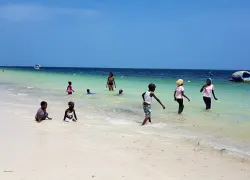
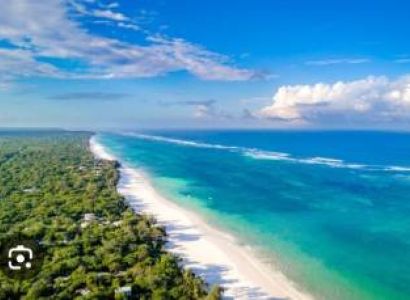
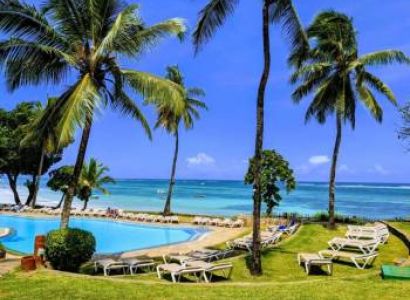
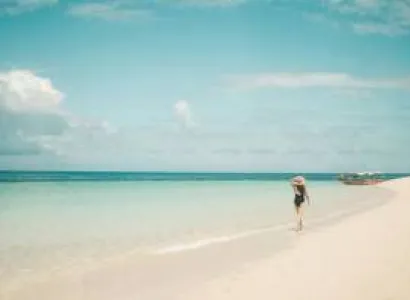
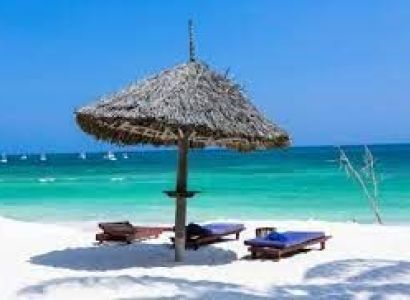
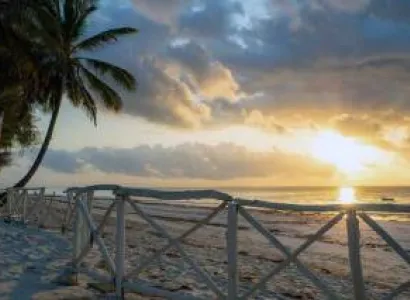
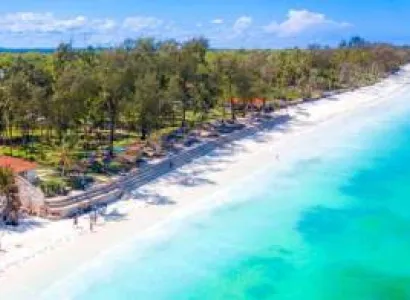
While visiting the Shimba Hills National Reserve, visitors can explore other nearby attractions, such as the Diani Beach, Wasini Island, or the Mwaluganje Elephant Sanctuary, all of which offer unique experiences and stunning natural beauty.
Vehicle Parking Facility
There is a designated parking area at the entrance of the reserve where visitors can safely park their vehicles before entering. The parking facility may have attendants or security personnel to ensure the safety of the vehicles.
Rules and Regulations
Visitors to the Shimba Hills National Reserve are required to follow certain rules and regulations to ensure the safety of themselves and the wildlife. Some common rules include staying on designated paths, not feeding the animals, and not littering within the reserve.
How to Reach and Other Related Information
The Shimba Hills National Reserve can be easily reached by road from Mombasa or other nearby towns. Visitors can also opt for guided tours or private transportation services to reach the reserve. It is recommended to plan your visit in advance and check for any updated information or guidelines before entering the reserve.
Overall, the Shimba Hills National Reserve is a beautiful and diverse natural area that offers a unique safari experience near Mombasa. Whether you are a nature enthusiast, bird watcher, or wildlife lover, the reserve has something to offer for everyone. Plan your visit to this hidden gem in Kenya and immerse yourself in the beauty of nature.











Mombasa