"Explore lush greenery in Tanzania's vibrant capital."
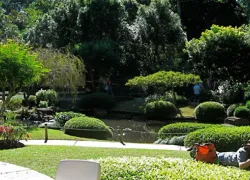
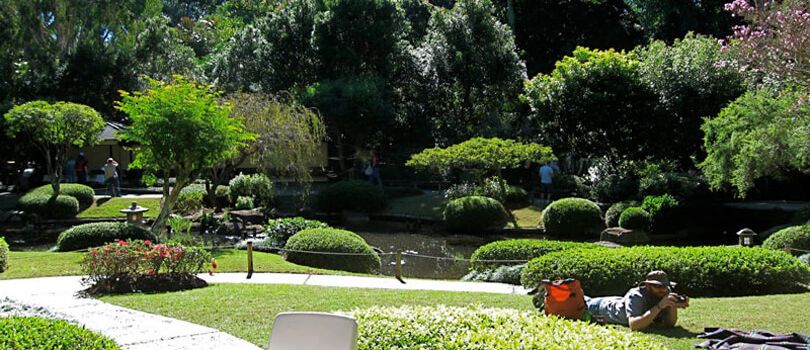
Located in the heart of Dar es Salaam, Tanzania, the Dar es Salaam Botanical Garden is a serene and picturesque destination that offers a peaceful retreat from the bustling city life. Established in 1893, the garden spans approximately 140 acres and is home to over 600 plant species, including both indigenous and exotic varieties. Managed by the Tanzanian government, the garden serves as a hub for research, conservation, and education, making it a must-visit attraction for nature enthusiasts and tourists alike.
How to Reach Dar es Salaam Botanical Garden
Getting to the Dar es Salaam Botanical Garden is convenient, thanks to its central location:
Weather and Best Time to Visit
Dar es Salaam experiences a tropical climate with distinct wet and dry seasons. The current weather is cloudy with a temperature of 82°F (28°C). The best time to visit the garden is during the dry season, from June to October, when the weather is more conducive for outdoor activities. However, the garden is open year-round, and each season offers a unique experience. During the wet season (November to May), the garden is lush and green, providing a different but equally beautiful atmosphere.
Why Dar es Salaam Botanical Garden is Famous
The Dar es Salaam Botanical Garden is renowned for its rich biodiversity and historical significance. Established by Professor Stuhlman in 1893, the garden was initially used for testing cash crops such as coffee and sisal. Over time, it evolved into a scientific and educational institution, now housing over 600 plant species, including rare and endangered varieties. The garden features various themed areas, such as a palm grove, a fernery, an orchid house, and a medicinal plant garden, offering visitors a diverse and educational experience.
Entry and Visit Details
The Dar es Salaam Botanical Garden is open to visitors on weekdays:
History and Architecture
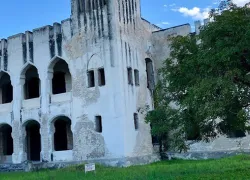
The Dar es Salaam Botanical Garden was established in 1893 by the German colonial government as an experimental garden for cash crops. Over the years, it has transformed into a center for botanical research and conservation. The garden's layout includes various themed areas, such as a palm grove, a fernery, an orchid house, and a medicinal plant garden, each showcasing unique plant species. The architecture within the garden reflects colonial-era influences, with structures designed to complement the natural surroundings.
Things to Do at Dar es Salaam Botanical Garden
Interesting Facts
Tips for Visiting Dar es Salaam Botanical Garden
In conclusion, the Dar es Salaam Botanical Garden offers a unique opportunity to explore a diverse range of plant species and wildlife in a serene and historically rich setting. Whether you're a nature enthusiast, a photography lover, or someone seeking a peaceful retreat, the garden provides a memorable experience for all visitors.












Dar-es-Salaam

Dar-es-Salaam

Dar-es-Salaam

Dar-es-Salaam

Dar-es-Salaam
Dar-es-Salaam
Dar-es-Salaam
Dar-es-Salaam
Dar-es-Salaam
Dar-es-Salaam