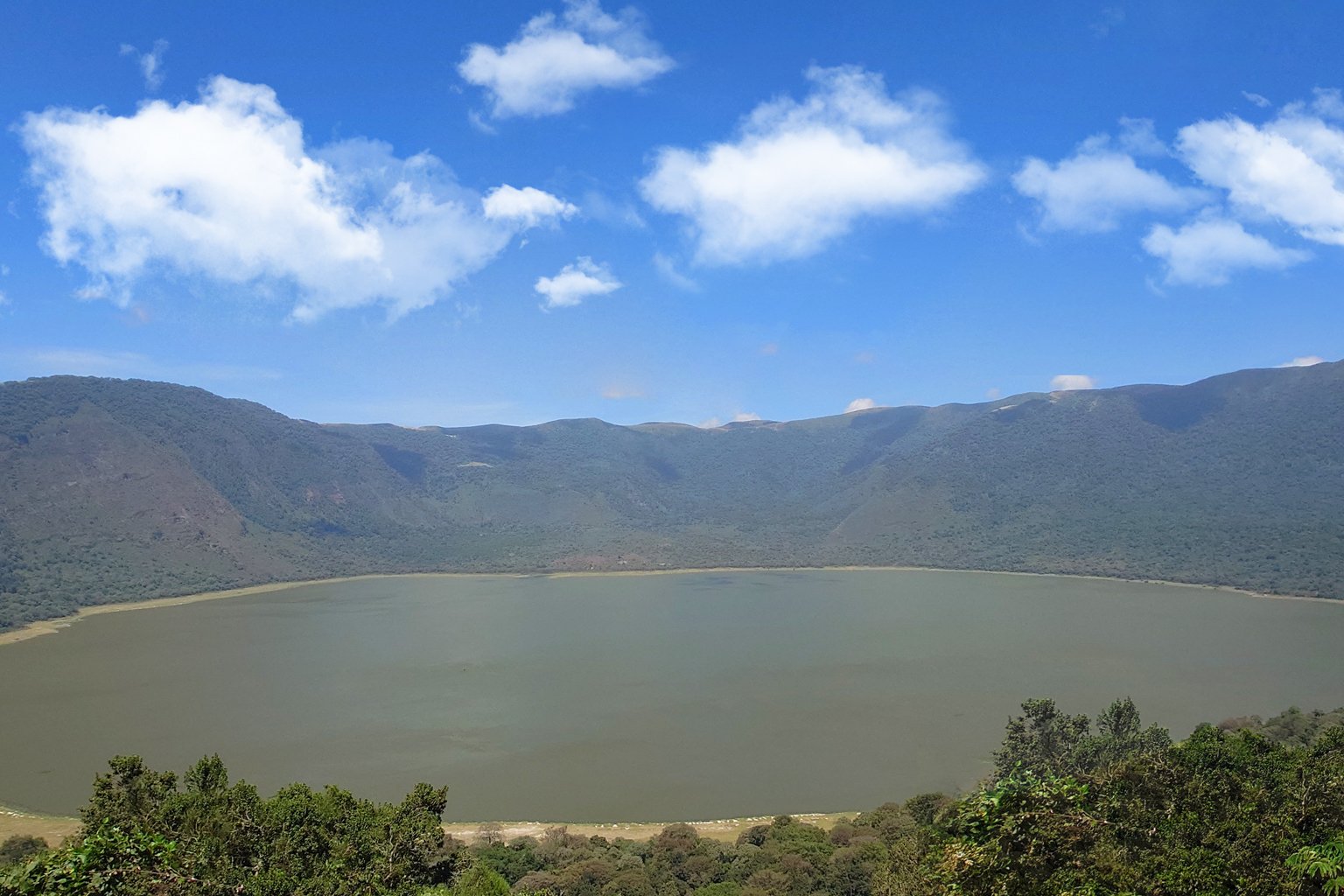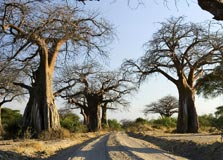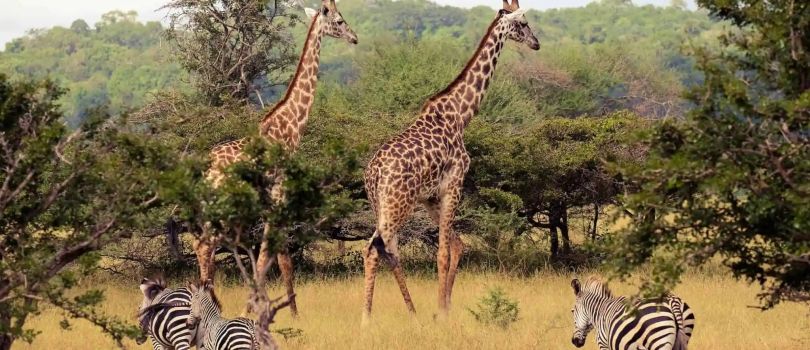
"Discover Tanzania's diverse wildlife and landscapes."
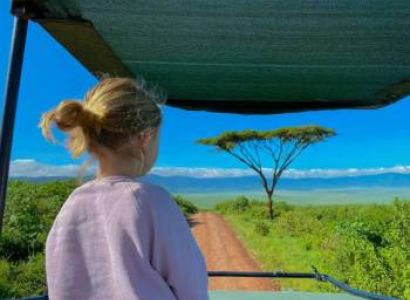
Nyerere National Park, located in the southeastern region of Tanzania, is one of the country's most famous and ecologically rich conservation areas. Known for its vast wilderness, incredible wildlife, and serene landscapes, this national park offers visitors a true African safari experience. Situated near Dar es Salaam, it provides an accessible and unique getaway for nature enthusiasts.
How to Reach Nyerere National Park
Getting to Nyerere National Park from Dar es Salaam is fairly straightforward. The park is about 250 kilometers away, and there are several ways to reach it:
Weather in Nyerere National Park
The climate in Nyerere National Park is typically tropical, with distinct wet and dry seasons. The best time to visit is during the dry season from June to October, when wildlife is easier to spot as animals gather around water sources. The wet season, from November to May, can be a great time to see lush landscapes and abundant birdlife, though some areas may be harder to access due to muddy roads.
Timing and Entry Details
The park is open year-round, but the recommended visiting hours are from early morning (around 6 AM) to late afternoon (around 6 PM). This is the best time to catch the wildlife at its most active. Entrance fees vary depending on the type of visitor, such as local residents, East African nationals, and international tourists. It’s important to book permits in advance, especially during peak travel seasons.
Why Nyerere National Park is Famous
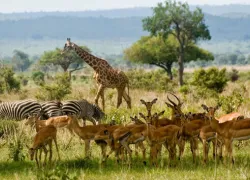
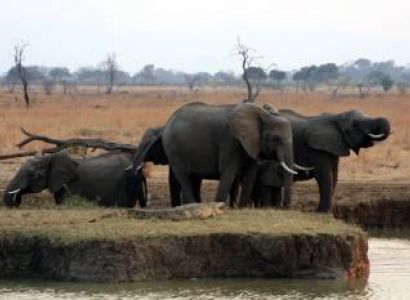
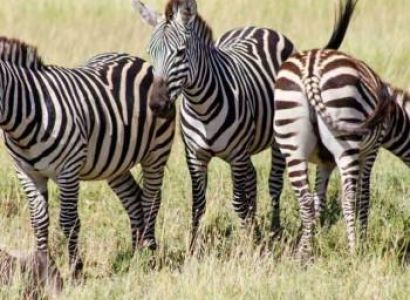
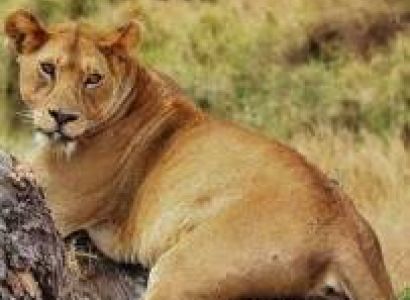
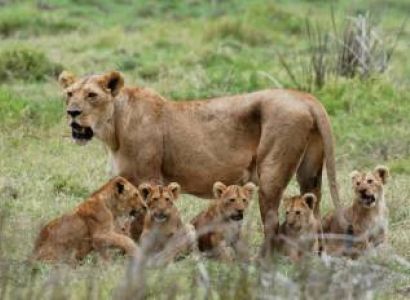
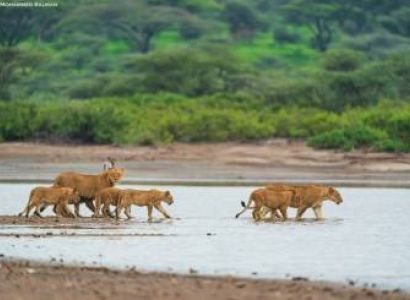
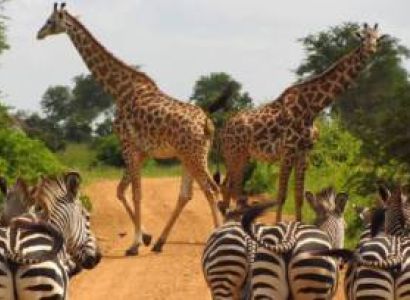
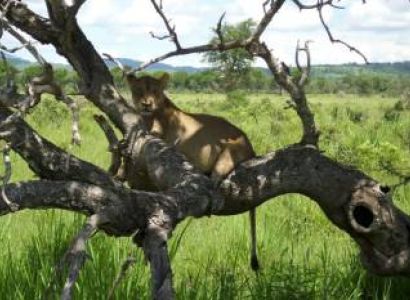
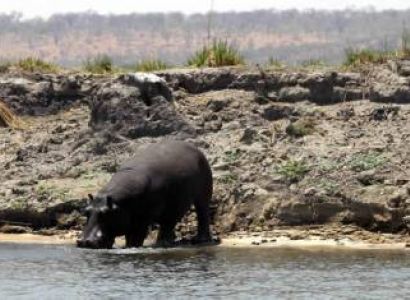
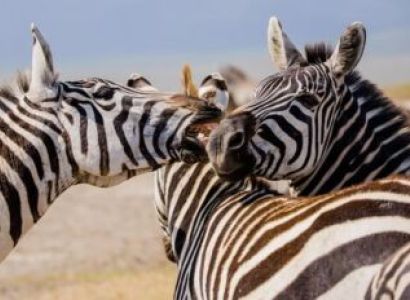
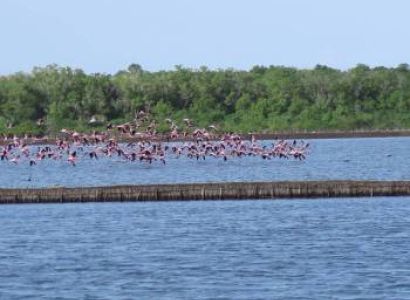
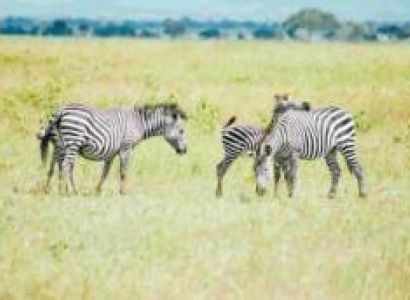
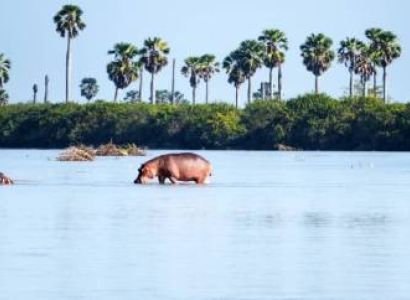
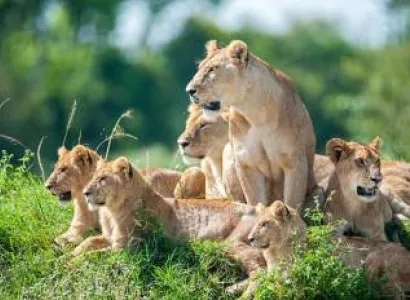
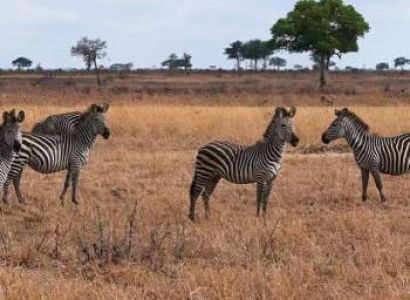
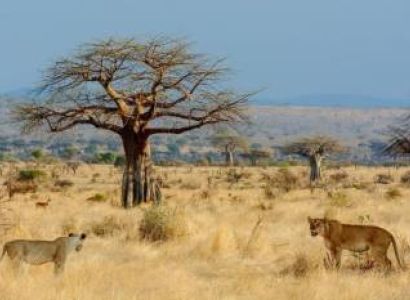
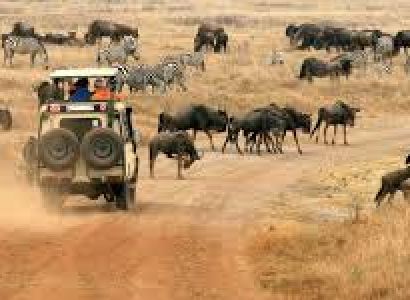
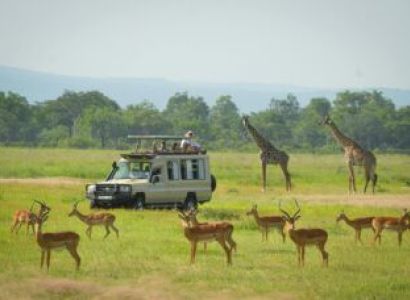
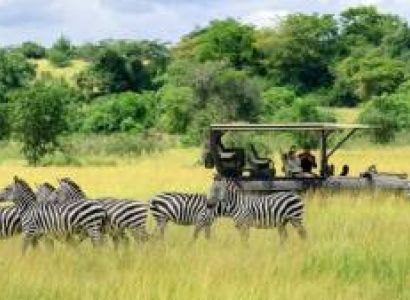
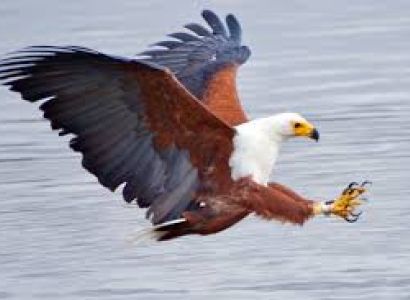
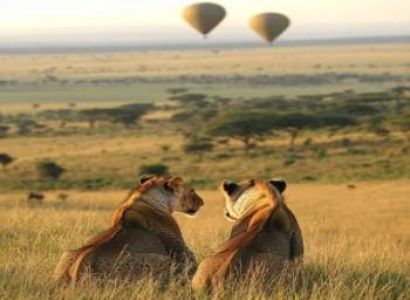
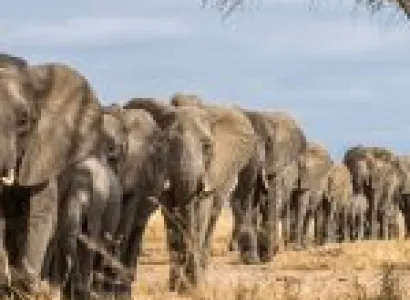
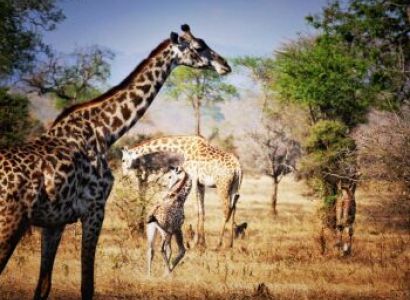
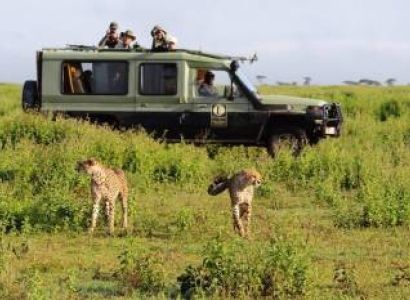
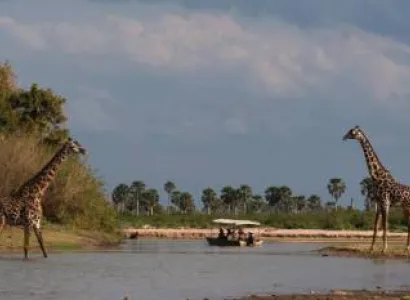
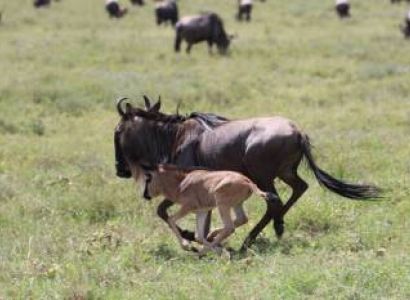
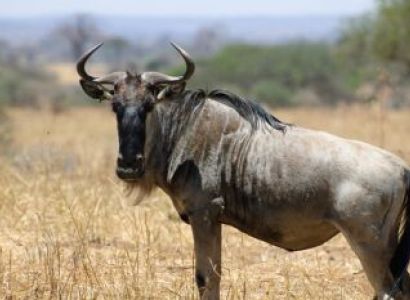
Nyerere National Park is renowned for its rich biodiversity and abundant wildlife. The park is home to a wide variety of animals, including elephants, lions, leopards, giraffes, zebras, and over 400 species of birds. The park’s landscape is dominated by the Rufiji River, which is a vital water source for the park’s animals and supports a diverse ecosystem. Nyerere National Park is also famous for being one of the largest and most pristine wilderness areas in Tanzania, with minimal human development.
History and Architecture of Nyerere National Park
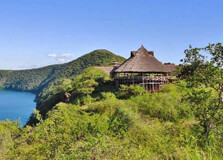
Named after Tanzania’s first president, Julius Nyerere, this park was established in 2019 when it was upgraded from the Selous Game Reserve. The reserve itself had been in operation since 1905, and it played a significant role in the protection of wildlife in Tanzania. The architecture within the park includes eco-lodges and camps designed to blend seamlessly into the natural surroundings. These structures are built with sustainable materials to minimize environmental impact while providing comfort to visitors.
Things to Do in Nyerere National Park
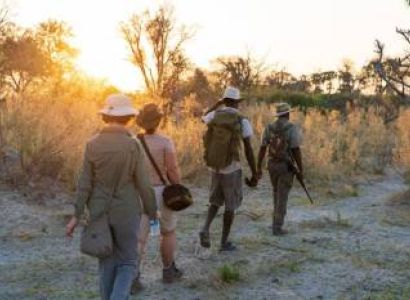
There are numerous activities available to visitors in Nyerere National Park:
Interesting Facts and Tips About Nyerere National Park
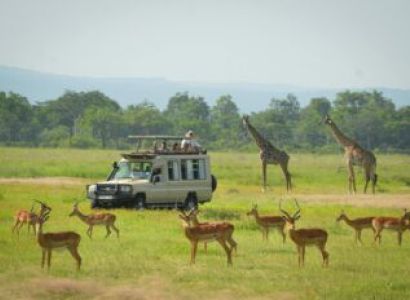


Dar-es-Salaam

Dar-es-Salaam

Dar-es-Salaam

Dar-es-Salaam
Dar-es-Salaam
Dar-es-Salaam
Dar-es-Salaam
Dar-es-Salaam
Dar-es-Salaam

Dar-es-Salaam