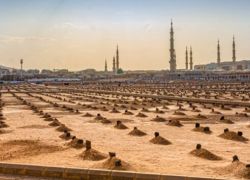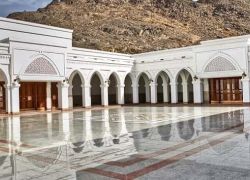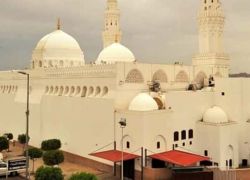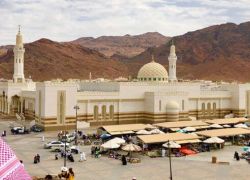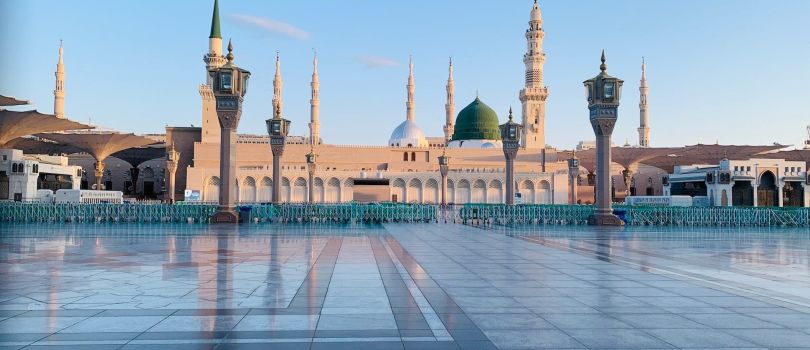
Masjid al-Nabawi, also known as the Prophet’s Mosque, is one of the holiest and most significant mosques in Islam. Located in the heart of Medina, Saudi Arabia, it was originally established by Prophet Muhammad (PBUH) after his migration (Hijrah) from Makkah to Medina in 622 CE. Today, it stands as one of the largest mosques in the world and serves as a major destination for millions of Muslim pilgrims who visit Medina every year.
The mosque is highly revered because it houses the tomb of Prophet Muhammad (PBUH), along with the graves of the first two Caliphs, Abu Bakr (RA) and Umar ibn Al-Khattab (RA). Masjid al-Nabawi is not only a place of worship but also a symbol of Islamic history, culture, and spirituality. Its magnificent architecture, peaceful atmosphere, and religious importance make it one of the most visited religious sites in the world.
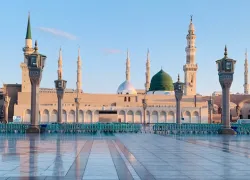
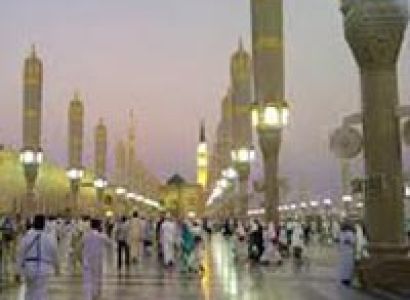
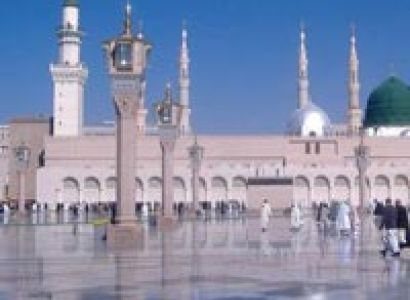
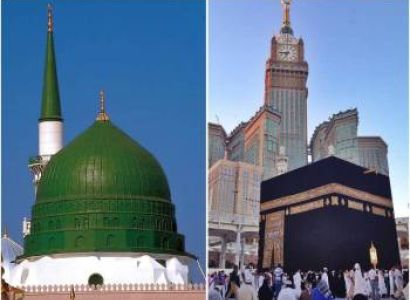
The mosque's vast courtyards, iconic green dome, towering minarets, and advanced facilities provide a comfortable and inspiring environment for worshippers. Visiting Masjid al-Nabawi is considered a deeply spiritual experience for Muslims and remains one of the highlights of any pilgrimage to Saudi Arabia.
Why Famous for Masjid al-Nabawi, Medina, Saudi Arabia?
Masjid al-Nabawi is famous for being the second holiest mosque in Islam after Masjid al-Haram in Makkah. It is the final resting place of Prophet Muhammad (PBUH) and holds immense spiritual significance for Muslims around the world.
The mosque is particularly known for the sacred area called Riyad ul-Jannah (Rawdah), which is believed to be one of the gardens of Paradise. Worshippers from across the globe visit this area to offer prayers and seek blessings.
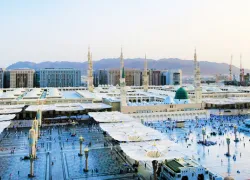
Masjid al-Nabawi is also renowned for its stunning architecture, giant retractable umbrellas in the courtyard, beautiful calligraphy, and peaceful atmosphere. The mosque plays a central role in Islamic education, religious gatherings, and spiritual reflection.
For Muslims, visiting Masjid al-Nabawi is a cherished religious journey that strengthens faith and provides an opportunity to connect with the history of Islam.
History of Masjid al-Nabawi, Medina, Saudi Arabia
The history of Masjid al-Nabawi dates back to 622 CE when Prophet Muhammad (PBUH) migrated from Makkah to Medina. Upon arriving in Medina, the Prophet personally participated in the construction of the mosque, which initially served as a place of worship, community meetings, education, and social activities.
The original structure was relatively simple, built using mud bricks and palm trunks. Over the centuries, various Islamic rulers expanded and enhanced the mosque to accommodate the growing number of worshippers.
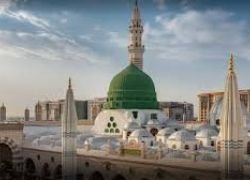
Major expansions took place during the reigns of the Umayyad, Abbasid, Mamluk, and Ottoman dynasties. One of the most recognizable features of the mosque, the Green Dome, was added during the Ottoman period and later became an iconic symbol of Medina.
In modern times, the Kingdom of Saudi Arabia has undertaken several large-scale expansion projects, transforming Masjid al-Nabawi into one of the largest and most technologically advanced mosques in the world while preserving its historical and spiritual significance.
Architecture of Masjid al-Nabawi
Masjid al-Nabawi is a masterpiece of Islamic architecture that combines traditional design elements with modern engineering. The mosque covers a vast area and can accommodate more than a million worshippers during peak pilgrimage seasons.
Its most famous architectural feature is the Green Dome, located above the tomb of Prophet Muhammad (PBUH). The mosque also features numerous minarets, intricately designed prayer halls, marble floors, decorative arches, and beautiful Islamic calligraphy.
The large courtyards are equipped with giant retractable umbrellas that provide shade to worshippers during hot weather. These umbrellas automatically open and close, making the outdoor prayer areas comfortable throughout the day.
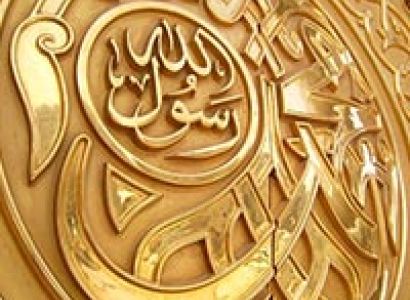
Inside the mosque, visitors can admire elegant chandeliers, finely crafted columns, detailed geometric patterns, and exquisite Quranic inscriptions. The architecture reflects centuries of Islamic artistic and cultural heritage while incorporating modern facilities for pilgrims.
How to Reach Masjid al-Nabawi, Medina, Saudi Arabia
By Air: The nearest airport is Prince Mohammad Bin Abdulaziz International Airport, located approximately 15 kilometers from Masjid al-Nabawi. Taxis, buses, and hotel transfers are readily available from the airport.
By Train: Medina is connected to Makkah and Jeddah through the Haramain High-Speed Railway. The Medina Railway Station provides convenient access to the city and the mosque.
By Road: Medina is well connected to major cities across Saudi Arabia through an excellent highway network. Pilgrims often travel by bus, taxi, or private vehicles.
Local Transportation: Most hotels in Medina are located within walking distance of Masjid al-Nabawi. Taxis and public transportation are also widely available.
Weather at Masjid al-Nabawi, Medina, Saudi Arabia
Summer (May to September): Temperatures can range from 35°C to 45°C or higher. Visitors should stay hydrated and avoid prolonged exposure to direct sunlight.
Winter (November to February): Temperatures are generally pleasant, ranging between 10°C and 25°C, making it one of the best times to visit Medina.
Spring and Autumn: These seasons offer comfortable weather conditions and are popular periods for religious travel.
The mosque's shaded courtyards and modern facilities help provide comfort for worshippers throughout the year.
Timing of Masjid al-Nabawi, Medina, Saudi Arabia
Masjid al-Nabawi is open 24 hours a day, seven days a week for worshippers and visitors. Prayers are conducted throughout the day according to Islamic prayer times.
Access to specific areas such as Riyad ul-Jannah may be regulated through designated schedules and crowd management systems, especially during peak pilgrimage seasons.
Entry and Visit Details about Masjid al-Nabawi, Medina, Saudi Arabia
There is no entry fee for visiting Masjid al-Nabawi. The mosque is open to Muslims from around the world for worship and religious activities.
Visitors are required to follow Islamic guidelines regarding dress and behavior. Men should wear modest clothing, while women are expected to wear appropriate attire, including head coverings.
Security checks may be conducted at entrances, and visitors should avoid carrying prohibited items. The mosque provides numerous facilities including ablution areas, prayer spaces, wheelchairs, and guidance services for pilgrims.
Those wishing to visit Riyad ul-Jannah may need to follow designated booking or scheduling procedures, depending on current regulations.
Things to Do at Masjid al-Nabawi, Medina, Saudi Arabia
1. Offer Prayers: Participate in daily prayers in one of Islam's holiest mosques.
2. Visit Riyad ul-Jannah: Pray in the sacred area considered a garden from Paradise.
3. Pay Respect at the Prophet's Tomb: Offer greetings and prayers near the resting place of Prophet Muhammad (PBUH).
4. Explore Islamic Architecture: Admire the mosque's magnificent design and craftsmanship.
5. Attend Religious Lectures: Participate in educational programs and Islamic teachings.
6. Reflect and Meditate: Experience spiritual peace and contemplation.
7. Visit Nearby Historical Sites: Explore important Islamic landmarks around Medina.
8. Observe Daily Worship: Witness the devotion and unity of Muslims from around the world.
9. Learn Islamic History: Gain insights into the life of Prophet Muhammad (PBUH) and early Islam.
10. Experience the Courtyards: Relax in the shaded prayer areas and appreciate the mosque's peaceful environment.
Interesting Facts about Masjid al-Nabawi, Medina, Saudi Arabia
• Masjid al-Nabawi was founded by Prophet Muhammad (PBUH) in 622 CE.
• It is the second holiest mosque in Islam.
• The mosque contains the tomb of Prophet Muhammad (PBUH).
• Riyad ul-Jannah is one of the most sacred areas within the mosque.
• The Green Dome is one of the most recognizable symbols of Medina.
• The mosque has undergone numerous expansions over nearly fourteen centuries.
• It can accommodate over one million worshippers during peak periods.
• The giant retractable umbrellas in the courtyard are among the largest of their kind in the world.
Travel Tips for Visiting Masjid al-Nabawi, Medina, Saudi Arabia
1. Dress modestly and follow all religious guidelines.
2. Arrive early for prayers, especially during Ramadan and Hajj seasons.
3. Carry water and stay hydrated, particularly during summer months.
4. Follow security instructions and mosque regulations.
5. Maintain silence and respect the sacred atmosphere.
6. Use designated entrances and exits to avoid crowd congestion.
7. Plan your visit to Riyad ul-Jannah according to the latest guidelines.
8. Wear comfortable footwear, as walking distances within the mosque complex can be significant.
9. Keep personal belongings secure during busy periods.
10. Allocate sufficient time to explore the mosque and nearby historical attractions.
Conclusion
Masjid al-Nabawi in Medina, Saudi Arabia, stands as one of the most revered and spiritually significant landmarks in the Islamic world. Established by Prophet Muhammad (PBUH), the mosque represents the rich history, faith, and unity of Islam. Its magnificent architecture, sacred sites, peaceful atmosphere, and deep religious importance make it a destination of immense value for Muslims worldwide. Whether visiting for prayer, reflection, education, or pilgrimage, a journey to Masjid al-Nabawi offers a profound and unforgettable spiritual experience that remains cherished for a lifetime.








Medina