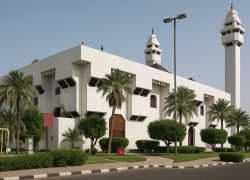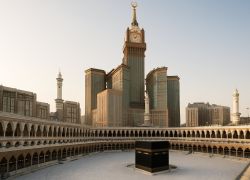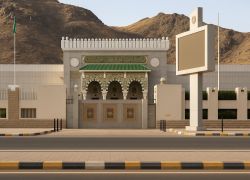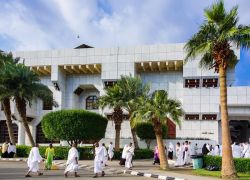
Masjid e Ayesha, also known as Masjid at-Taneem, is one of the most important Islamic landmarks in Makkah, Saudi Arabia. Located approximately 7 kilometers northwest of Masjid al-Haram, this mosque serves as one of the designated Miqat points for pilgrims residing in or visiting Makkah who wish to enter the state of Ihram for Umrah. The mosque holds great religious significance because it is associated with Ayesha bint Abu Bakr (RA), the beloved wife of Prophet Muhammad (PBUH).
Every year, millions of pilgrims visit Masjid e Ayesha before performing Umrah. It is one of the most frequently visited mosques in Makkah due to its convenience and religious importance. The mosque provides excellent facilities for worshippers, including prayer halls, ablution areas, restrooms, and changing facilities for pilgrims preparing to enter Ihram.
Apart from its role as a Miqat point, the mosque is admired for its spacious design, clean environment, and spiritual atmosphere. Visitors from around the world come here to pray, prepare for Umrah, and learn about its historical connection to the life of Prophet Muhammad (PBUH) and Ayesha (RA).
Why Famous for Masjid e Ayesha, Makkah, Saudi Arabia?
Masjid e Ayesha is famous for being one of the primary Miqat locations for pilgrims intending to perform Umrah from within Makkah. It is the nearest Miqat point to Masjid al-Haram and is therefore widely used by residents and visitors who wish to perform additional Umrah pilgrimages.
The mosque derives its name from Ayesha (RA), who, according to Islamic tradition, entered into the state of Ihram from this location after receiving permission from Prophet Muhammad (PBUH) to perform Umrah following the Farewell Pilgrimage.
Due to this historical event, the mosque has become a highly respected religious site. Pilgrims often visit the mosque to make preparations for Umrah, perform prayers, and begin their spiritual journey before heading toward Masjid al-Haram.
Its accessibility, religious significance, and modern facilities make it one of the most visited mosques in the Makkah region.
History of Masjid e Ayesha, Makkah, Saudi Arabia
The history of Masjid e Ayesha dates back to the time of Prophet Muhammad (PBUH). During the Farewell Pilgrimage, Ayesha (RA) was unable to perform Umrah along with the rest of the pilgrims due to personal circumstances. After completing the Hajj rituals, she expressed her desire to perform Umrah separately.
The Prophet (PBUH) instructed her brother, Abdul Rahman ibn Abu Bakr (RA), to accompany her to the area of Taneem, located just outside the sacred boundary (Haram) of Makkah. There, she entered the state of Ihram and proceeded to perform Umrah.
This event established Taneem as an important Miqat point for those wishing to perform Umrah from Makkah. Over time, a mosque was constructed at the location to commemorate the event and facilitate pilgrims.
The mosque has undergone several renovations and expansions throughout history. Modern development projects by the Saudi government have transformed it into a large and well-equipped religious facility capable of serving thousands of worshippers and pilgrims daily.
Architecture of Masjid e Ayesha
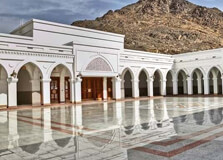
Masjid e Ayesha features a modern Islamic architectural design that combines simplicity, functionality, and elegance. The mosque has been constructed to accommodate large numbers of pilgrims while maintaining a peaceful environment for worship.
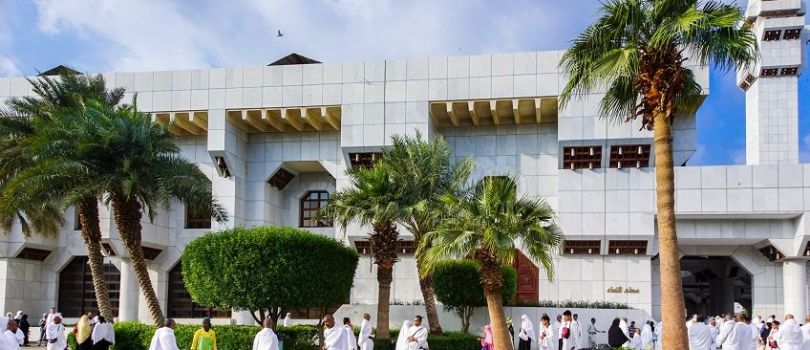
The structure includes spacious prayer halls for men and women, large ablution facilities, well-maintained courtyards, and comfortable waiting areas. The mosque's white exterior reflects traditional Islamic architectural themes and blends harmoniously with the surrounding landscape.
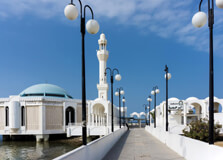
Several minarets rise above the mosque, making it easily recognizable from a distance. Inside, visitors can find beautifully designed prayer spaces featuring Islamic geometric patterns, calligraphy, and modern lighting systems.
The mosque's architecture prioritizes practicality, ensuring that pilgrims can conveniently prepare for Umrah by changing into Ihram garments, performing ablution, and offering prayers before proceeding to Masjid al-Haram.
How to Reach Masjid e Ayesha, Makkah, Saudi Arabia
By Air: The nearest major airport is King Abdulaziz International Airport in Jeddah, located approximately 90 kilometers from Makkah. From the airport, pilgrims can travel by taxi, bus, or private transportation.
By Train: The Haramain High-Speed Railway connects Makkah with Jeddah, Madinah, and King Abdullah Economic City. Travelers can take local transportation from Makkah Railway Station to reach the mosque.
By Road: Makkah is connected to major cities across Saudi Arabia through an extensive highway network. Taxis, buses, and private vehicles provide easy access to the mosque.
Local Transportation: Masjid e Ayesha is located approximately 7 kilometers from Masjid al-Haram. Local taxis, ride-sharing services, and buses frequently operate between the two locations, making transportation convenient for pilgrims.
Weather at Masjid e Ayesha, Makkah, Saudi Arabia
Summer (May to September): Temperatures often range from 38°C to 48°C. Visitors should stay hydrated and avoid prolonged exposure to direct sunlight.
Winter (November to February): Temperatures are generally pleasant, ranging between 18°C and 30°C, making it one of the most comfortable periods to visit.
Spring and Autumn: These seasons provide warm but manageable weather conditions suitable for religious travel and outdoor activities.
The mosque's indoor facilities and shaded areas help ensure comfort for worshippers throughout the year.
Timing of Masjid e Ayesha, Makkah, Saudi Arabia
Masjid e Ayesha is generally open 24 hours a day, seven days a week. Pilgrims can visit at any time to enter Ihram, perform prayers, and prepare for Umrah.
The mosque remains active throughout the day and night due to the continuous flow of pilgrims traveling to and from Masjid al-Haram.
Entry and Visit Details about Masjid e Ayesha, Makkah, Saudi Arabia
There is no entry fee to visit Masjid e Ayesha. The mosque is open to worshippers and pilgrims who wish to perform prayers or enter the state of Ihram for Umrah.
The mosque offers extensive facilities including prayer halls, ablution areas, restrooms, changing rooms, and parking areas. These amenities are designed to accommodate the large number of visitors who use the mosque as a starting point for Umrah.
Visitors should follow Islamic guidelines regarding dress and behavior. Pilgrims intending to perform Umrah should bring their Ihram garments and prepare according to the requirements of the pilgrimage.
Things to Do at Masjid e Ayesha, Makkah, Saudi Arabia
1. Enter the State of Ihram: Prepare for Umrah from one of the most important Miqat locations near Makkah.
2. Offer Prayers: Perform voluntary prayers and seek blessings before beginning the pilgrimage.
3. Learn Islamic History: Understand the connection between the mosque and Ayesha (RA).
4. Reflect and Worship: Spend time in prayer, remembrance of Allah, and spiritual reflection.
5. Prepare for Umrah: Complete ablution, wear Ihram garments, and make the intention for Umrah.
6. Observe Pilgrim Activities: Witness the diverse international Muslim community preparing for pilgrimage.
7. Explore the Mosque: Appreciate the architecture and facilities designed for worshippers.
8. Visit Nearby Religious Sites: Continue your journey to Masjid al-Haram and other important Islamic landmarks.
Interesting Facts about Masjid e Ayesha, Makkah, Saudi Arabia
• Masjid e Ayesha is also known as Masjid at-Taneem.
• It is one of the closest Miqat points to Masjid al-Haram.
• The mosque is named after Ayesha bint Abu Bakr (RA).
• Millions of pilgrims visit the mosque annually before performing Umrah.
• The mosque is located just outside the Haram boundary of Makkah.
• It operates around the clock due to the constant flow of pilgrims.
• The mosque offers dedicated facilities for changing into Ihram garments.
• It is one of the most important pilgrimage preparation sites in Saudi Arabia.
Travel Tips for Visiting Masjid e Ayesha, Makkah, Saudi Arabia
1. Carry your Ihram garments if you intend to perform Umrah.
2. Arrive with sufficient time to prepare calmly before heading to Masjid al-Haram.
3. Stay hydrated, especially during the hot summer months.
4. Follow all religious guidelines related to entering the state of Ihram.
5. Use the mosque's ablution facilities before making your intention for Umrah.
6. Respect fellow worshippers and maintain the peaceful atmosphere.
7. Keep personal belongings secure during busy periods.
8. Travel by taxi or bus for convenient transportation between the mosque and Masjid al-Haram.
9. Dress modestly and observe proper Islamic etiquette.
10. Learn the rituals of Umrah beforehand to ensure a smooth pilgrimage experience.
Conclusion
Masjid e Ayesha in Makkah, Saudi Arabia, holds a unique and important place in Islamic history and pilgrimage traditions. As one of the primary Miqat points for Umrah, it serves millions of worshippers who begin their spiritual journey from this sacred location. Its historical connection with Ayesha (RA), modern facilities, accessibility, and religious significance make it one of the most visited mosques in the region. Whether visiting for prayer, reflection, or preparation for Umrah, Masjid e Ayesha offers a deeply meaningful experience that strengthens faith and connects pilgrims with an important chapter of Islamic history.








Mecca
Mecca
Mecca
Mecca