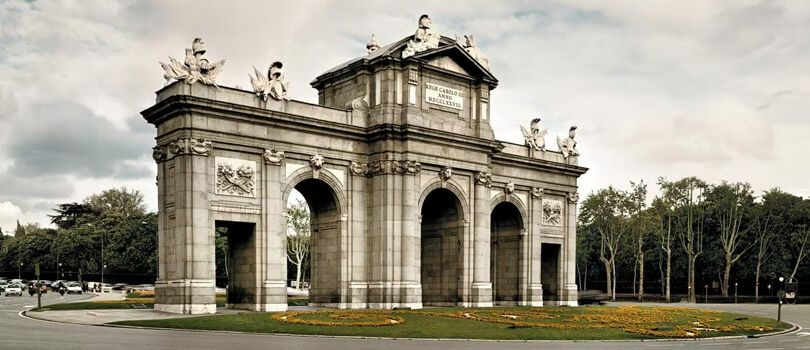
"Marvel at stunning architecture and historical significance."
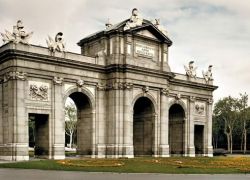
Alcalá Gate (Puerta de Alcalá) is one of the most iconic and historically significant landmarks in Madrid. Located in the city center near Retiro Park, this monumental neoclassical archway has become a symbol of the Spanish capital. The gate is not just an impressive architectural piece, but also a symbol of the city’s long and rich history. Alcalá Gate is a favorite spot for tourists and locals alike, offering visitors a glimpse into the grandeur of Madrid's past and the beauty of its architectural heritage.
How to Reach Alcalá Gate, Madrid
Alcalá Gate is centrally located in Madrid, and it is easily accessible via several modes of public transport and on foot. Here are some ways to reach the gate:
Weather at Alcalá Gate
Madrid has a Mediterranean climate, characterized by hot summers and mild winters. Here’s what you can expect weather-wise when visiting Alcalá Gate:
Timing of Alcalá Gate
Alcalá Gate is a public monument and can be visited at any time of the day. There are no specific opening or closing hours for the gate itself, as it is an outdoor structure. However, it is best to visit during daylight hours when the monument is well-lit and surrounded by the bustling activity of Madrid. Evening visits are also stunning, as the gate is often illuminated, offering a beautiful view of the monument against the night sky.
Why is Alcalá Gate Famous?
Alcalá Gate is famous for both its architectural beauty and its historical significance. Built in 1778 during the reign of King Carlos III, the gate was originally one of the five royal gates to the city of Madrid. It was designed by the architect Francisco Sabatini in a neoclassical style and was constructed as part of the king's plan to modernize the city. Alcalá Gate stands as a symbol of Madrid’s welcoming nature, marking the entrance to the city from the east.
The gate's massive scale, intricate design, and historical importance make it one of the most important monuments in Madrid. It has witnessed centuries of Madrid’s development and has stood as a witness to important moments in Spanish history, such as the Napoleonic invasions and the Bourbon restoration. Today, Alcalá Gate is not only an architectural masterpiece but also a popular tourist attraction, and it remains a symbol of Madrid’s cultural and historical heritage.
Entry and Visit Details of Alcalá Gate
Since Alcalá Gate is an outdoor monument, there is no entry fee to visit the site itself. It is freely accessible to the public, making it an ideal spot for a casual visit or a photo opportunity while exploring the city. There are no guided tours specifically for the gate, but visitors can explore the area at their own pace, taking in the gate’s grandeur and learning about its history from nearby informational plaques.
If you want a more in-depth experience, you can opt for walking tours of Madrid that include Alcalá Gate as one of the highlights. These tours usually cover Madrid's rich history, architecture, and other nearby landmarks, such as Retiro Park and the Prado Museum. Many tours are available in various languages, allowing visitors to better understand the significance of the monument and the surrounding areas.
History and Architecture of Alcalá Gate
The history of Alcalá Gate dates back to 1778 when King Carlos III ordered the construction of the gate as part of his urban modernization project. The gate was designed by architect Francisco Sabatini, who is known for his work on several other prominent buildings in Madrid. Alcalá Gate was part of a series of gates built around the city, intended to provide a more grandiose entryway into Madrid.
Alcalá Gate was built in the neoclassical style, characterized by its symmetrical design and classical columns. The gate stands over 19 meters tall and 43 meters wide, making it one of the largest and most impressive gates in Madrid. It is made of granite and features six large columns, creating a striking visual impression as visitors approach it. The monument's central archway is flanked by two smaller arches, and its façade is adorned with intricate carvings and sculptures, which add to its elegance and grandeur.
The gate was originally constructed to mark the eastern entrance to Madrid, and it quickly became one of the most recognizable landmarks in the city. Over the centuries, Alcalá Gate has undergone several modifications and restorations, but it has retained much of its original beauty and design.
Things to Do at Alcalá Gate
While Alcalá Gate itself is a monument that can be admired from the outside, there are plenty of things to do and places to explore in the surrounding area:
Facts About Alcalá Gate
Tips for Visiting Alcalá Gate






















Madrid
Madrid
Madrid
Madrid
Madrid

Madrid
Madrid